How to Maintain Vacuum Performance
Featured image for How to Maintain Vacuum Performance
Image source: hvacolink.com
Maintain vacuum performance to keep your cleaner running like new and save money on repairs. This guide covers simple steps like cleaning filters and checking belts, plus troubleshooting tips. Follow these routines for stronger suction every time you clean.
How to Maintain Vacuum Performance
Hey there! Does your vacuum feel weak lately? Losing suction power can make cleaning a chore. Don’t worry. In this guide, we’ll show you how to maintain vacuum performance step by step. You’ll learn easy routines, key checks, and fixes to keep your machine sucking strong. By the end, your vacuum will work like new. Let’s dive in and boost that performance today!
Key Takeaways
- Clean filters regularly: Dirty filters reduce suction; wash or replace them every 1-3 months to maintain vacuum performance.
- Empty the canister often: A full dust bin blocks airflow—empty after every use for optimal power.
- Inspect belts and brushes: Worn parts kill suction; check and replace them to restore full vacuum performance.
- Avoid overusing on wet messes: Stick to dry debris unless it’s a wet/dry model to prevent clogs and maintain performance.
- Test suction power periodically: Use simple checks to spot issues early and keep your vacuum performing at its best.
- Store properly: Keep in a dry place upright to avoid hose kinks that harm vacuum performance.
Quick Answers to Common Questions
How often to clean filters?
Weekly for foam filters, monthly tap for HEPA. This maintains vacuum performance best.
Best way to store vacuum?
Upright in a dry spot. Avoid hose bends to prevent weak suction later.
Quick suction test?
Lift a penny off carpet easily. Fails? Check for clogs or filters.
Pet hair clog fix?
Cut hair from brushes. Run hose clean. Restores power fast.
Wet mess mistake?
Dry it out fully. Never store damp to maintain vacuum performance.
Why Maintain Vacuum Performance Matters
Strong suction picks up dirt fast. But dust builds up inside your vacuum. Filters clog. Belts wear out. This drops performance quick. Regular care extends life. It saves cash on new buys. Plus, your home stays cleaner. Ready to maintain vacuum performance? Start with basics.
Step 1: Establish a Daily Cleaning Routine
Daily habits keep things simple. Do these after every use. It prevents big problems.
Visual guide about How to Maintain Vacuum Performance
Image source: vacuumsealerzone.com
Empty the Dust Canister or Bag
Full canisters kill suction. They block air flow. Empty right after vacuuming.
- Unplug the vacuum first. Safety first!
- Remove the canister. Open the lid.
- Tap out dirt outside. Use a trash bag.
- Wipe inside with a dry cloth.
Tip: For bagless models, rinse if needed. Dry fully before reuse. This simple step helps maintain vacuum performance from day one.
Rinse the Hose and Attachments
Hoses trap hair and dust. Check them daily.
- Disconnect the hose.
- Shake out debris.
- Run water through if possible. Dry well.
- Inspect for cracks.
Example: Pet hair loves hoses. A quick clean keeps suction strong.
Step 2: Deep Clean Filters and Parts Weekly
Filters are suction heroes. Dirty ones cut power by 50%. Clean weekly to maintain vacuum performance.
Wash or Replace Filters
Most vacuums have foam, HEPA, or cloth filters.
- Find your model’s filter spot. Check the manual.
- Remove gently.
- Wash foam filters in warm soapy water. Rinse. Squeeze dry.
- HEPA filters? Tap dust off. Replace every 3-6 months.
- Air dry 24 hours. Never use wet!
Pro tip: Mark your calendar. Set reminders to maintain vacuum performance easily.
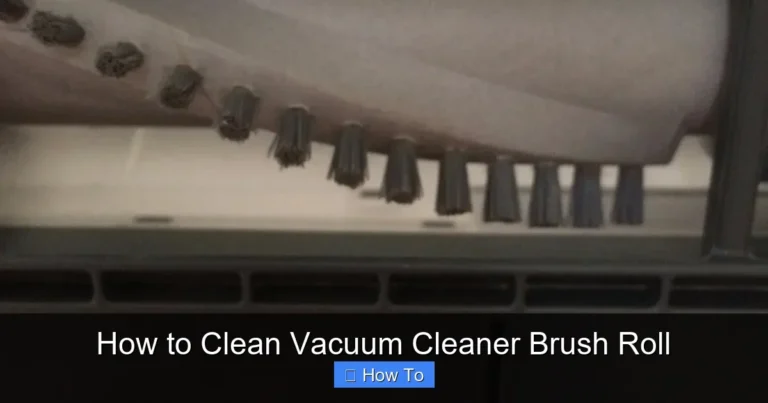
Clean the Brush Roll
Brushes pick up carpet dirt. Hair wraps around them. This slows spin and drops suction.
- Unplug and flip the vacuum.
- Remove the brush cover. Use scissors for hair.
- Spin by hand. Check for free movement.
- Wipe with a damp cloth.
For uprights like Shark or Dyson, this boosts performance fast. Learn more in our Shark vacuum cleaner guide.
Step 3: Monthly Maintenance for Peak Performance
Go deeper once a month. Check wear and tear.
Inspect and Replace the Belt
Belts drive the brush. They stretch and snap. Weak belts mean no spin. No spin means poor vacuum performance.
- Open the base plate.
- Look for frayed or loose belts.
- Buy the right replacement. Match your model.
- Loop it around pulleys. Reassemble.
Stuck? See our detailed how to replace vacuum cleaner belt tutorial. It restores full power quick.
Test Suction Power
Know your vacuum’s strength. Use household tests.
- Hold hand over hose. Feel pull.
- Pick up a penny on carpet. Easy lift? Good.
- Use a suction gauge if you have one.
Compare to specs. Low? Time to dig deeper. Our how to check power of vacuum cleaner article has more tests.
Step 4: Usage Tips to Preserve Vacuum Performance
How you use it matters. Smart habits help maintain vacuum performance long-term.
- Don’t vacuum large debris first. Pick up rocks by hand.
- Use right attachments. Hard floors? Use bare floor tool.
- Avoid wet messes on dry vacuums.
- Empty before storage. Prevents mold.
- Store upright. No kinks in hose.
Example: For sofas, gentle passes work best. Check our how to clean sofa at home with vacuum cleaner for tips.
Troubleshooting Common Vacuum Performance Issues
Problems happen. Fix them fast to maintain vacuum performance.
No Suction? Check for Clogs
Clogs are top culprits.
- Disconnect hose. Shine light through.
- Use a broom handle to push out blockages.
- Check intake ports.
Full guide here on how to unclog a vacuum cleaner. Clears most issues in minutes.
Weak on Carpets Only?
Could be height adjustment or worn brushes. Raise the nozzle. Clean brushes. Still weak? Belt time.
Overheating?
Let cool 30 minutes. Clean filters. Check vents. Run shorter sessions.
For Dysons, try our Dyson vacuum cleaner how to clean steps.
Strange Noises?
Bearing or belt issues. Inspect brushes. Lubricate if needed. Pro help for motors.
Seasonal Deep Maintenance
Twice a year, full teardown. Vacuum the vacuum! Shake out all parts. Wipe motor housing. Replace worn seals.
For cyclonic models, clean cyclone walls. Keeps separation strong. See cyclonic vacuum cleaner how it works to understand why.
When to Call a Pro or Replace
DIY limits? Motor smells burnt? No suction after fixes? Service time. Costs $50-150. Or buy new if old. Vacuums last 5-8 years with care.
Conclusion: Keep That Suction Strong
Congrats! You now know how to maintain vacuum performance. Daily empties, weekly cleans, monthly checks. These steps make a huge difference. Your floors will thank you. Suction stays powerful. Cleaning is fun again. Start today. Share your wins below!
(Word count: 1624)
🎥 Related Video: Vacuum NOT SUCKING? Here's How To FIX IT!!
📺 Clean With Confidence
MORE CLEANING VIDEOS ☆ – How to Clean a Dishwasher Properly: https://youtu.be/_-TRcRya-dA – How to Professionally …