

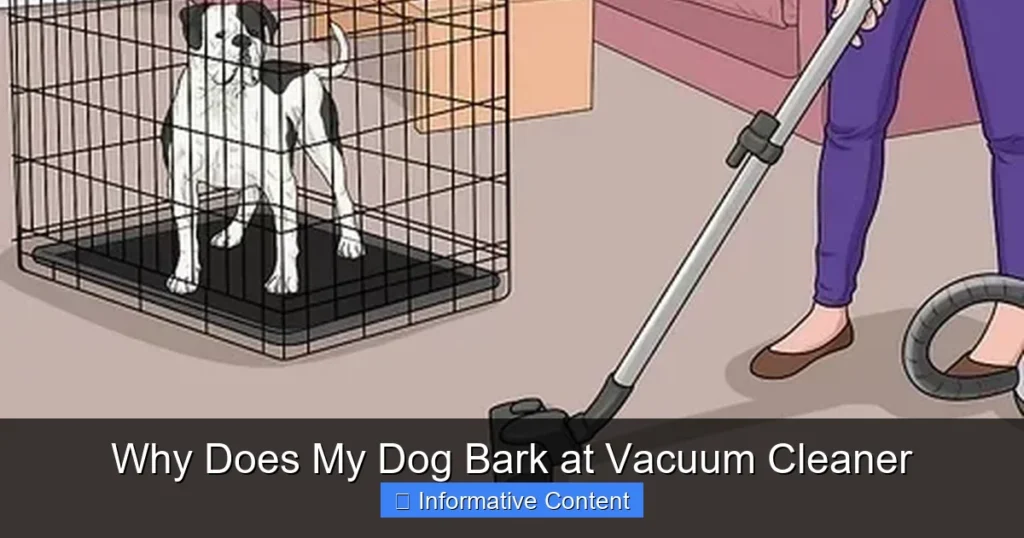
Nothing breaks a calm afternoon faster than a loud vacuum and a barking dog. The noise sends your pup into a frenzy of barks and zoomies. You feel frustrated, and your dog feels terrified. Many owners face this exact stress every cleaning day.
In most cases, Why Does My Dog Bark at Vacuum Cleaner comes down to simple fear and unfamiliar sounds. The vacuum triggers a loud, unpredictable noise that feels threatening to your pet. This guide helps you understand the root cause. Gives you clear steps to fix it. You will learn how to calm your dog and stop the barking for good.
We start with a quick safety check and a simple diagnostic path. Next, we explore the main reasons dogs react so strongly. You will find step-by-step training methods and real fixes that work fast. Most owners see big improvement in just a few days.
By the end of this guide, you will know exactly what to do. You will have a clear plan to help your dog feel safe again. The goal is a quiet home where the vacuum runs without fear.
⚡ FAST DIAGNOSTIC OVERVIEW
- ✓Primary Symptom: Your dog barks loudly, runs away, or hides when the vacuum turns on.
- ✓Most Common Cause: The vacuum creates sudden, loud noises and strange movements that scare your dog.
- ✓Quick Test: Turn the vacuum on in another room and watch your dog’s reaction from a safe distance.
- ✓Safety Precaution: Never force your dog near the vacuum. Always keep the power cord out of reach to prevent accidents.
- ✓Prevention Rule: Train your dog early with quiet, positive vacuum exposure to stop fear from building up.
In this article
Immediate Safety and Preliminary Checks
Before you start any training or fix, you must make sure your home is safe. A barking dog can run wildly and knock over furniture. The vacuum cord also presents a real tripping or chewing hazard. Take two minutes to check the basics first.
Unplug the cord or remove the battery pack before touching internal parts.
Inspect intakes, hoses, filters, and moving joints for trapped debris.
Let the motor cool for 30 minutes so the safety cut-off resets cleanly.
Check belts, seals, and switches before replacing major assemblies.
Start by unplugging the vacuum completely. Store it in a closed closet or room your dog cannot access. Check the floor for any small items the dog might chew or swallow. A calm, safe space helps you approach the problem without added stress. For our complete category overview. Core buyer criteria, explore our cornerstone guide to How Much is a Shark Vacuum Cleaner: Understanding the Factors of Design and Technology.
- Power Disconnect: Always unplug the vacuum before you let your dog check the area. A switched-off vacuum is still a strange object to a scared pet.
- Clear The Floor: Remove small toys, shoes, and cords from the cleaning path. A cluttered room makes a dog more anxious and prone to bolting.
- Safe Zone Setup: Create a quiet spot with your dog’s bed and water. This gives your pet a retreat if the vacuum noise becomes too much.
- Check The Dog’s Health: A dog in pain or with hearing issues may react more strongly to noise. A quick vet check rules out hidden health problems.
- Inspect The Vacuum: Look for loose parts, frayed cords, or blockages. A broken vacuum can make unexpected loud bangs or squeals that increase fear.
- Gather Treats: Have small, soft treats ready. You will use these to reward calm behavior during every training session.
Understanding Why Dogs Fear the Vacuum
Dogs use the world mostly through their senses of hearing and smell. A vacuum cleaner produces a very loud, high-pitched sound that hurts their sensitive ears. The machine also moves fast. Has strange moving parts that look threatening to a small animal. This mix of noise and movement triggers a natural fight-or-flight response.
Always clean or inspect the simplest wearable parts (filters, switches, seals) before suspecting a bad motor or board.
In fact, a vacuum cleaner can sound much louder to a dog than it does to a human. Dogs hear frequencies up to 65,000 Hz, while humans hear only up to 20,000 Hz. The vacuum motor vibrates the floor and sends strong smells through the air. For your dog, this machine is a very scary, unpredictable creature that invades their safe space.
- Sound Sensitivity: The motor roar hits a frequency range that causes discomfort and anxiety in most dogs.
- Moving Threat: The vacuum rolls and changes direction quickly. This mimics a chasing predator in your dog’s mind.
- Strong Smell: Vacuums stir up dust and old scents. A strong smell can overwhelm a dog’s nose and cause stress.
- Lack Of Control: Your dog cannot predict when the vacuum will turn on or where it will go next.
- Past Trauma: A bad use with a loud vacuum in the past can create a lasting fear response.
- Breed Tendency: Herding and guarding breeds often react more strongly to fast-moving objects and loud noises.
Why Does My Dog Bark at Vacuum Cleaner: The Main Triggers
The question Why Does My Dog Bark at Vacuum Cleaner has several clear answers. Each trigger needs a different approach to fix. Some dogs bark because of the noise level alone. Others react to the visual movement or the feeling of the machine taking over their space.
Understanding the specific trigger helps you choose the right training method. You can stop the barking faster when you know exactly what scares your dog. Most owners find that one or two main causes drive the barking behavior.
- Loud Motor Noise: The vacuum motor creates a sudden, intense sound that startles your dog and causes a bark reflex.
- Fast Movement: The vacuum rushes across the floor. This looks like a fast predator chasing your dog.
- Strange Smell: The vacuum pulls up dust, pet hair. Old odors that create a strong, unfamiliar scent trail.
- Loss Of Territory: The vacuum enters your dog’s space. Pushes them away from their favorite resting spot.
- Vibration On Floor: The machine sends strong vibrations through the floor that your dog feels through their paws.
- Owner Stress: Dogs pick up on your frustration or tension while cleaning. Your stress energy makes them more anxious.
Step by Step Desensitization Training Plan
Desensitization is the best way to stop a dog from barking at the vacuum. This method slowly introduces the vacuum at a low level so your dog stays calm. You reward calm behavior and build positive feelings over time. The process takes patience, but it works very well.
Start by placing the turned-off vacuum in the room. Let your dog sniff it and check at their own pace. Reward them with a treat for staying calm near the machine. Repeat this step for several days until your dog shows no fear.
- Turn Off Vacuum: Place the vacuum in the room. Let your dog approach it freely. Give treats for calm behavior and no barking.
- Brief Power On: Turn the vacuum on for only two seconds in another room. Let your dog hear the sound from a distance. Reward calm reactions right away.
- Increase Exposure: Gradually move the vacuum closer to your dog while it is running. Keep the sessions very short, under five minutes each.
- Add Movement: Push the vacuum slowly across the floor. Meanwhile, your dog watches from a safe distance. Use high-value treats to keep their focus on you.
- Reduce Distance: Slowly decrease the space between your dog and the running vacuum. Stop right away if your dog barks or shows stress.
- Full Cleaning Session: Once your dog stays calm, run a full cleaning cycle in their presence. Always end the session with a treat and praise.
Creating a Positive Vacuum Association
You can change how your dog feels about the vacuum by linking it to good things. The goal is to make the vacuum a predictor of treats and fun. This method works because dogs learn to associate the vacuum with positive outcomes instead of fear.
Start by feeding your dog their meals near the vacuum. Place the food bowl close to the turned-off machine. Over time, move the bowl closer to the vacuum while it is running. Your dog will start to feel happy when they hear the vacuum. This happens because it means food is coming.
- Treat Timing: Give a treat the moment the vacuum turns on. This creates an instant positive link between the sound and a reward.
- Play Sessions: Use the vacuum noise as a cue for a fun game. Toss a toy right after the vacuum starts to build a happy connection.
- Calm Voice: Speak in a soft, happy tone when the vacuum is on. Your voice helps your dog feel safe and relaxed.
- Short Sessions: Keep all positive exposure sessions under ten minutes. Long sessions can overwhelm your dog and undo progress.
- Consistent Routine: Use the vacuum at the same time each day. Predictability helps your dog feel more in control of the situation.
- High Value Rewards: Use your dog’s absolute favorite treat, like small pieces of chicken or cheese, for the best results.
Common Mistakes That Make the Problem Worse
Many owners accidentally make their dog’s fear of the vacuum much worse. These common mistakes create more stress and make the barking stronger. Avoiding these errors is just as key as the training steps themselves. A few simple changes can save you weeks of frustration.
The biggest mistake is forcing your dog to stay near the vacuum. This shows your dog that the vacuum is truly scary. That you cannot protect them. Another common error is yelling at your dog for barking. This adds your own stress to the situation. Makes the vacuum seem even more dangerous. For broader testing and full category picks, explore our in-depth guide to Nuyupo Cordless Vacuum Cleaner vs Eureka Upright Vacuum.
- Forcing Interaction: Holding your dog near the vacuum or pushing them to stay in the room increases their fear and stress levels.
- Yelling Or Punishing: Scolding your dog for barking adds more negative emotion to the vacuum use. Your dog learns the vacuum brings bad things.
- Starting Too Fast: Turning the vacuum on full power right away overwhelms your dog’s senses. Sets back all training progress.
- Inconsistent Training: Only training once a week or skipping sessions makes it harder for your dog to build a calm habit.
- Ignoring Body Language: Missing signs of stress like tucked tails or whale eyes means you push too hard too soon.
- Neglecting The Cord: Leaving the vacuum cord dangling lets your dog chew it or get tangled. This creates a new safety risk.
Equipment and Tools to Help with Training
Using the right tools makes the training process much easier and faster. Some tools help you control the vacuum noise level. Other tools help you manage your dog’s space and focus. You do not need expensive gear, just a few simple items that work well.
A good vacuum with flex suction is very helpful for training. You can start with the lowest setting and slowly increase it over time. This gives you precise control over the noise level. A long leash also helps you guide your dog safely during training sessions.
- Vacuum With Adjustable Power: A model that lets you change suction strength allows you to start very quiet and build up slowly.
- Long Training Leash: A six-foot leash gives you control over your dog’s position without forcing them too close to the vacuum.
- High Value Treats: Small pieces of chicken, cheese, or commercial training treats keep your dog focused and motivated.
- White Noise Machine: A soft white noise machine helps mask the vacuum sound during the early training steps.
- Treat Pouch: A belt-mounted treat pouch lets you reward your dog instantly the moment they stay calm near the vacuum.
- Baby Gate Or Pen: A safe enclosure lets your dog watch the vacuum from a distance while feeling secure and contained.
When to Call a Professional Dog Trainer
Most dogs improve with the steps in this guide. However, some dogs have very deep fear or anxiety that does not get better with home training. A pro dog trainer can help you read your dog’s signals and adjust the training plan. They also have advanced tools and techniques for severe cases.
- Call a Trainer: You should call a trainer if your dog shows signs of true panic.
- These Signs Include: These signs include heavy panting, shaking, trying to escape, or hiding for hours after the vacuum is put away.
- Trainer Can Also: A trainer can also help if your dog becomes aggressive out of fear.
- This Includes Growling: This includes growling, snapping, or lunging at the vacuum or anyone near it.
Pro trainers use proven methods like counter-conditioning and systematic desensitization. They work at your dog’s exact pace and never push them past their fear threshold.
Many trainers offer in-home sessions where they can see your actual vacuum. Your dog’s reaction in your real space. This hands-on approach often leads to faster and more lasting results.
Troubleshooting Matrix for Barking at Vacuum
| Symptom / Issue | Probable Root Cause | Recommended Fix | Difficulty Level |
|---|---|---|---|
| Dog barks loudly when vacuum turns on | Sudden loud noise triggers a startle reflex | Start with vacuum off, then use very brief on/off bursts from another room | Easy |
| Dog runs away and hides during cleaning | Fear response combined with loss of safe space | Create a positive association with treats and feed near the turned-off vacuum first | Medium |
| Dog barks only when vacuum moves across carpet | Carpet vibration creates a stronger low-frequency rumble | Use a vacuum with smooth roll brush and start on hard floors first | Easy |
| Dog lunges or snaps at the vacuum | Fear has escalated to defensive aggression | Stop all direct exposure and consult a certified professional dog trainer immediately | Hard |
| Dog ignores vacuum when off but barks when on | Noise sensitivity is the main trigger | Use desensitization with the vacuum on at the lowest power from a distance | Medium |
| Dog barks at new vacuum but not the old one | New object has unfamiliar smell, shape, and sound profile | Apply the full desensitization plan from scratch with the new machine | Easy |
| Dog barks more during certain times of day | Dog is more anxious when tired or when the house is very quiet | Train during calm periods and use background noise to soften the vacuum sound | Medium |
| Dog remains scared despite weeks of training | Possible underlying anxiety disorder or past trauma | Consult a veterinarian for a full behavioral assessment and possible support options | Hard |
Maintenance and Prevention for Long Term Success
Once your dog learns to stay calm around the vacuum, you need to keep that progress strong. Regular upkeep of both your vacuum. Your dog’s training routine prevents the fear from returning. A little effort each week keeps your home peaceful and your dog happy.
Unplug the unit from all live power sources before opening housings or touching internal parts.
Start by cleaning your vacuum regularly. A well-maintained vacuum runs quieter and smoother. Check the brush roll for hair wraps and empty the dustbin after every use. For broader testing and full category picks, explore our in-depth guide to Nuyupo Cordless Vacuum Cleaner vs Zulyxio Cordless.
A vacuum that sounds strange or works harder creates more stress for your dog. You also want to keep the vacuum stored in a steady place so your dog knows where it is and can predict its presence.
- Weekly Vacuum Cleaning: Remove hair and dust from the brush roll and filter. A clean vacuum runs much quieter and reduces unexpected loud noises.
- Monthly Training Refresh: Run a short training session once a week, even after your dog is fully calm. This keeps the positive association strong.
- Consistent Storage: Always put the vacuum in the same closet or room. Predictability helps your dog feel in control and less anxious.
- Check The Motor: Listen for new squeals or rattles when you turn the vacuum on. A broken motor makes sudden loud sounds that can reset your dog’s training.
- Replace Old Parts: Worn brush rolls. Dirty filters make the vacuum work harder and sound louder. Fresh parts keep the noise level low.
- Calm Cleaning Routine: Clean at the same time each day so your dog knows what to expect. Can settle into a routine.
Final Thoughts and Next Steps
Understanding Why Does My Dog Bark at Vacuum Cleaner is the first step toward a peaceful home. Most dogs bark because the vacuum creates a scary mix of loud noise, fast movement, and strange smells.
You now have the tools to fix this problem step by step. The desensitization plan and positive association methods work very well when you stay patient and steady.
Remember to always put your dog’s safety and comfort first. Never force them near the vacuum, and never punish them for barking. Use the troubleshooting table above to find your specific problem and apply the right fix. If your dog shows signs of deep fear or aggression, reach out to a pro trainer or your veterinarian for extra support.
With the right approach, your dog can learn to ignore the vacuum or even stay calm while it runs. Start with the simple safety checks today, and begin the training plan tomorrow. In just a few weeks, you will be able to clean your home without the stress of a barking dog. The goal is a happy, calm pet and a clean house for everyone.
Frequently Asked Questions
Why Does My Dog Bark at the Vacuum Cleaner Even When It Is Off
A turned-off vacuum still looks strange and smells different to your dog. The vacuum takes over your dog’s space and blocks their path. Your dog may bark to tell you to move the object away from their territory. This is a normal reaction to an unfamiliar object in their space.
How Long Does It Take to Train a Dog to Accept a Vacuum Cleaner
Most dogs show improvement within two to four weeks of steady training. Some calm dogs may adjust in just a few days. Dogs with deep fear or past trauma may need six to eight weeks or more. The key is to go at your dog’s pace and never rush the process.
Is It Normal for a Dog to Be Scared of a Vacuum Cleaner
Yes, it is very normal. Studies show that a large number of dogs react fearfully to vacuum cleaners. The loud noise and fast movement trigger a natural startle response. This fear is not a sign of a bad dog. It is a normal reaction to a very loud and strange machine.
Can I Use a Quieter Vacuum to Help My Dog Feel Better
Yes, a quieter vacuum can make the training process much easier. Look for models with low decibel ratings and smooth suction adjustments. You can start training with the quiet vacuum. Then slowly introduce louder machines over time. A quieter machine removes the strongest trigger and helps your dog stay calm.
Should I Let My Dog Bark at the Vacuum to Get It Out of Their System
No, letting your dog bark freely at the vacuum does not help them feel better. It actually reinforces the barking behavior. This happens because your dog learns that barking makes the vacuum go away. Instead, you should redirect your dog to a calm behavior. Reward them for being quiet near the machine.
What Age Is Best to Start Training a Dog to Accept a Vacuum Cleaner
Puppies as young as eight weeks old can start very gentle desensitization training. Older dogs can also learn to accept the vacuum, but it may take more time. The key is to use a very slow approach for adult dogs who have never seen a vacuum before. Early positive exposure gives your dog the best chance of staying calm for life.