

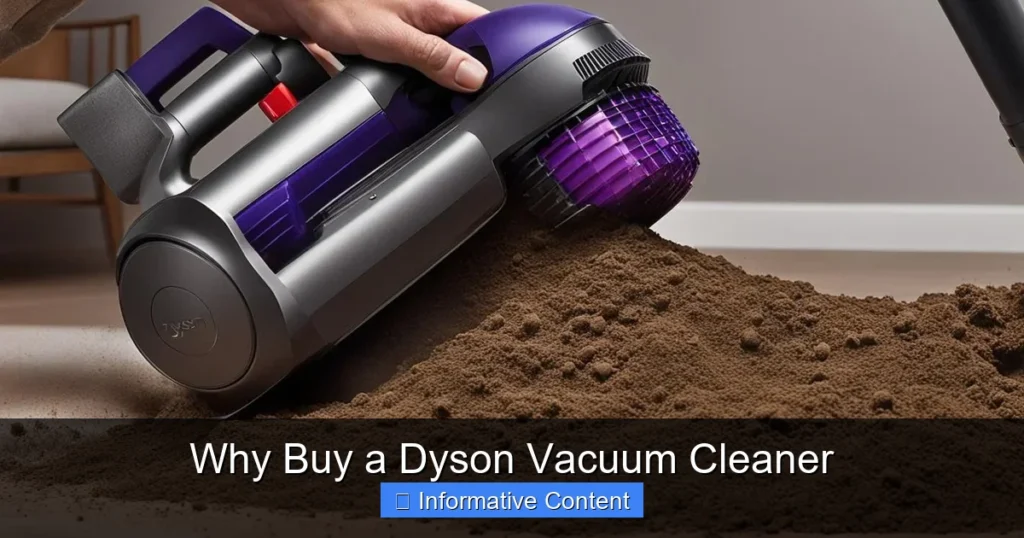
Dust, pet hair, and crumbs hide in places you cannot see. A weak vacuum leaves dust behind and wastes your weekend time. You want a clean home without fighting your cleaning tools every single day. That is why Why Buy a Dyson becomes such a smart question for modern homes.
Dyson engineers focus on real messes like deep carpet dust and fine kitchen particles. Their machines pull dirt out of fibers instead of just pushing it around. This guide walks you through the real reasons, features. Daily benefits of choosing this brand.
Applying these proven insights on Why Buy a Dyson helps you avoid costly mistakes. You will learn how suction power, filter design. Build quality save you money over time. We also share simple steps to pick the right model, use it safely. Keep it running strong. By the end, you will know exactly why this brand fits your home so well.
📌 AT A GLANCE
- ✓Suction Power: Dyson vacuums pull deeply embedded dirt from carpets and hard floors with strong airflow.
- ✓Hygienic Emptying: Sealed systems and bin emptying tools stop dust from puffing back into your air.
- ✓Long-Term Value: Durable build quality and washable parts reduce spare costs over many years.
- ✓Smart Design: Light bodies and cordless freedom make quick clean-ups feel easy.
- ✓Whole-Home Filtration: Advanced filters trap fine particles and help protect your family’s breathing air.
In this article
Why Buying a Dyson Vacuum Cleaner Matters for Your Home
Most vacuums lose suction as dust fills their bags or filters. Dyson uses a root cyclone system that splits dirt from air without losing pull. The air stream stays strong, so you clean faster and deeper with each pass.
Gather required tools and clear your work area before starting.
Confirm baseline specs and maker guidelines first.
Complete each stage in order without skipping safety checks.
Run a quick test pass and wipe down key parts after use.
Because the machine keeps strong airflow, you do not need to go over the same spot five times. This saves real time during busy weeks and protects your floors from repeated friction. You also breathe cleaner air because the sealed system traps fine dust inside the machine. For our complete category overview. Core buyer criteria, explore our cornerstone guide to How Much is a Shark Vacuum Cleaner: Understanding the Factors of Design and Technology.
- Cyclone Technology: Spinning air forces dirt outward into the bin. Meanwhile, clean air flows straight through.
- Sealed Filtration: Multi-layer filters catch tiny particles so they never escape back into your rooms.
- Consistent Pull: The motor maintains strong suction from full bin to nearly empty bin.
- Floor Protection: Less repeated passing means less wear on wood, tile, and carpet fibers.
- Allergy Relief: Trapped dust reduces airborne triggers that cause sneezing and itchy eyes.
When you buy a Dyson, you invest in a cleaning system that stays steady week after week. The engineering focuses on airflow first, which sets it apart from many other brands.
How Suction Power and Cyclone Design Work Together
Dyson cyclones spin air at high speed to push dirt into the collection bin. The machine never uses bags. So you avoid buying spares and never lose suction from a full bag. Each pass removes more debris because the airflow stays steady and strong.
Run your Dyson on a low or medium setting for everyday light cleaning. This reduces motor wear and keeps the battery healthy for cordless models. This helps the machine last much longer than using high power all the time.
The digital motor spins fast enough to pull fine dust out of deep carpet pile. It also handles larger crumbs on hard floors without clogging the path. You get one machine that works well on rugs and bare surfaces alike.
- Multi-Cyclone Array: Many small cyclones act together to keep airflow clear and strong.
- No Bag Loss: The bin fills with dirt while suction power stays constant during cleaning.
- Deep Carpet Cleaning: The pull reaches lower fibers where hidden dust and mites settle.
- Hard Floor Mode: Flex suction stops the machine from scattering light debris on tile.
- Quick Dust Release: A simple button empties the bin hygienically without you touching the dirt.
This design means you spend less time cleaning and more time enjoying a fresh home.
Why Learning to Why Buy a Dyson Protects Your Long-Term Investment
A good vacuum cleaner should last many years with proper care. Dyson builds its machines with strong plastic and metal parts that resist daily wear. The motor runs cool, and the filters can be washed and reused for a long time.
Because the parts last longer, you replace your vacuum less often. You also save money on bags and disposable filters that other brands need constantly. Over time, the total cost of ownership drops well below cheaper alternatives.
- Durable Housing: Rigid outer shells survive drops, bumps, and tight closet storage.
- Washable Filters: Rinsing the filter under tap water restores full airflow for months.
- Motor Longevity: The digital motor runs well and does not burn out fast.
- Low Running Cost: No bags and washable parts mean very little ongoing spend.
- Warranty Support: Dyson offers strong service and spare part availability in many regions.
When you buy a Dyson, you choose a machine that stays dependable through heavy daily use.
The Best Way to Why Buy a Dyson Step by Step
Start by looking at the rooms and floors you clean most often. Do you have deep carpets that need strong pull, or mostly hard floors where light dust matters more? Your floor mix helps you choose the right Dyson model and tools.
Next, decide between cordless stick models and larger upright or canister designs. Cordless models give you freedom from outlets. Larger models hold more dust and offer stronger suction for big jobs. Think about storage space and weight too, because a light machine encourages daily use.
- Floor Type Match: Pick a model with flex suction for both rugs and hard surfaces.
- cordless Freedom: Choose a stick vacuum if you want fast clean-ups without hunting for plugs.
- Bin Size: Larger bins mean fewer emptying breaks during big whole-home cleaning sessions.
- Attachment Kit: Look for motorized tools that lift pet hair from furniture and stairs.
- Filter Access: Pick a model where you can rinse or swap filters without tools or manuals.
Following these steps helps you find a Dyson that fits your daily routine and budget.
Why Buying a Dyson Vacuum Cleaner Saves You Money Over Time
Cheap vacuums often break after one or two years of regular use. You then pay for a new machine or costly repairs. Dyson models cost more upfront. But their strong parts and washable filters keep them running for many years.
You also save on electricity because the fast motor uses less power to create strong suction. The sealed system means you do not buy spare bags every few months. Over a five-year period, the total cost often beats what you spend on multiple lesser machines.
- No Bag Costs: The washable bin replaces the need for disposable paper bags entirely.
- Energy Efficiency: The motor draws just enough power to match the cleaning task.
- Fewer Repairs: Quality parts reduce the chance of sudden motor or fan failures.
- Filter Savings: Washing one filter saves money compared to buying new filters each month.
- Resale Value: Dyson machines hold their value well if you keep them clean and maintained.
Smart buyers see the long-term savings first, not just the price tag on the box. For complementary picks and expert testing advice, see our guide on Why Buy Dyson Vacuum Cleaner.
How Whole-Home Filtration Helps Your Family Breathe Better
Dyson vacuums trap fine dust, pollen. Mold spores that other machines blow back into the room. The sealed filtering system keeps those tiny particles inside the bin until you empty it. This matters a lot for families with allergies, asthma, or young children.
You also clean the air while you clean the floor because the exhaust air comes out cleaner than the air going in. The machine acts like a quiet air purifier as you move from room to room. Over time, this reduces the amount of irritants floating around your home.
- Sealed Path: Air only exits through the filter. So no dirty air leaks from the machine body.
- Fine Particle Capture: The filter catches particles too small to see with the naked eye.
- Allergy Season Help: Spring pollen and fall mold spores get pulled from rugs and curtains.
- Pet Dander Control: The system traps tiny skin flakes that float in the air around pets.
- Quiet Operation: Strong filtering works without loud noise that disturbs sleeping babies or pets.
Breathing cleaner air makes every room in your home feel fresher and more easy.
Daily Use and Maintenance Habits That Keep Dyson at Its Best
A Dyson vacuum works best when you follow a few simple habits every week. Empty the bin before it fills completely so the cyclones can separate dirt properly. Check the filter and clean it on the schedule that fits your home’s dust level and pet presence.
Always check your Dyson model’s filter cleaning schedule in the user manual. Some filters need washing every month, while others last longer. Keeping the filter clean protects the motor and keeps suction strong throughout the machine’s life.
Also, clear the brush roll of hair. String after cleaning pet areas or long carpet runs. This prevents blockages that slow the machine down. A quick look at the hose. Wand after each big job keeps airflow steady and strong.
- Bin Emptying: Release the bin over a trash can. Tap the filter housing gently to loosen dust.
- Filter Rinse: Hold the filter under cool water until the water runs clear, then let it dry fully.
- Brush Roll Check: Cut away hair wrapped around the roller with the small tool included in the box.
- Hose Inspection: Look inside the hose for trapped crumbs or small objects that block airflow.
- Wand Cleaning: Wipe the outside of the wand with a damp cloth to remove dust and fingerprints.
These small habits add up to years of steady cleaning power from your Dyson machine.
Common Questions People Ask Before They Buy a Dyson
Many buyers wonder if the suction really stays strong over time. Dyson’s cyclone system keeps pull steady. This happens because dirt moves outward and never blocks the air path. The motor also adjusts power to match the floor type. This saves energy and keeps the machine cool.
Others ask about battery life on cordless models. Most Dyson sticks give enough runtime for a full home clean on a single charge. You can also buy extra batteries for larger homes or for homes where cleaning happens more than once a day.
- Suction Drop Test: Dyson models show steady pull even as the bin fills with debris.
- Battery Runtime: Standard mode lasts long enough for most flats and small homes.
- Weight Balance: The handle and motor placement keep the machine balanced during use.
- Noise Level: Dyson machines run quieter than many older bagged vacuum designs.
- Part Availability: Spare filters, bins, and tools are easy to find online and in stores.
Understanding these answers helps you feel confident about your buy decision.
Summary Table: Dyson Model Types Compared
| Model Type | Best Floor Type | Runtime | Bin Size | Key Strength |
|---|---|---|---|---|
| Cordless Stick | Mixed rugs and hard floors | 40–60 min | Small–medium | Freedom from cords |
| Upright | Deep carpets | Corded | Large | Maximum suction power |
| Canister | Hardwood and tile | Corded | Large | Reach under furniture |
| Handheld | Cars and stairs | 15–30 min | Small | Spot cleaning on the go |
| Ball Upright | Whole-home deep clean | Corded | Extra large | Easy steering and stability |
Each Dyson model type brings strong suction. Smart design to the specific cleaning job it handles best.
Expert Tips and Safety Reminders for Dyson Owners
Always unplug your Dyson before cleaning the brush roll or checking the filter. Even though the machine is off, pulling the plug protects you from accidental starts if someone bumps the power button. Wait for the filter to dry fully before you put it back. That is because wet parts can grow mold or damage the motor.
Do not vacuum large liquids or wet spills with a standard Dyson model unless it is a wet-dry version. Water can harm the motor and ruin the filter. Use a towel or mop for wet messes. Keep the vacuum for dry dust, crumbs, and pet hair only. For complementary picks and expert testing advice, see our guide on Why Buy Robotic Vacuum Cleaner.
- Unplug First: Always pull the plug before you open any part of the machine for cleaning.
- Dry Filter Rule: Let the filter air-dry for at least one full day before reinstalling it.
- No Wet Vacuuming: Standard models are for dry dirt only, not spills or damp floors.
- Cool Down Break: Give the motor a rest after long cleaning sessions to avoid overheating.
- Storage Position: Hang the machine on its wall dock or store it upright to prevent dust spilling.
Following these simple rules keeps your Dyson safe, clean, and ready for the next job.
Best Practices for Getting the Most From Your Dyson Vacuum
Use the right tool for each surface. The motorized floor tool works best on carpets. The soft dusting brush protects delicate wood and tile. Switch tools quickly so you clean the whole home without stopping to adjust settings too often.
Also, clean the machine after every few uses even if the bin does not look full. Tiny dust bits build up inside the cyclones and can slowly reduce pull. A quick rinse of the filter. A check of the brush roll keep the machine running like new for years.
- Matched Tool Use: Pick the floor tool, crevice tool, or brush based on the surface you clean.
- Regular Filter Care: Rinse the filter every few weeks to keep airflow strong and steady.
- Post-Cleaning Check: Look at the brush roll and bin after each big cleaning session.
- Storage Routine: Dock the machine in one place so it is always ready for the next quick clean.
- Manual Review: Keep the user guide nearby for model-specific care tips and safety warnings.
These habits turn a good vacuum into a long-lasting cleaning partner for your home.
Final Thoughts and Next Steps
Buying a Dyson vacuum cleaner means choosing strong suction, smart design, and long-lasting build quality. You get a machine that cleans deeply, traps fine dust. Stays steady through years of regular use. The initial cost pays off through savings on bags, filters, and spare machines.
Now you know how to pick the right model, use it safely. Keep it in great shape with simple weekly habits. You also understand how the filtering system helps your family breathe cleaner air while you clean the floor. This knowledge makes the buying process much easier and more confident.
Take the next step by checking the Dyson lineup that matches your home size and floor types. Compare models, read the latest user reviews. Pick the one that fits your daily routine best. When you are ready, visit Dyson’s official site or a trusted retailer to place your order. Start enjoying a cleaner, fresher home today.