
The wattage of a vacuum cleaner indicates how much electrical power it consumes, typically ranging from 500 to 2000 watts. This number primarily reflects energy use, not necessarily suction performance, which is often better measured by ‘air watts’ or suction power metrics like CFM and kPa. Understanding this difference helps clarify how vacuums operate and what factors truly contribute to effective cleaning.
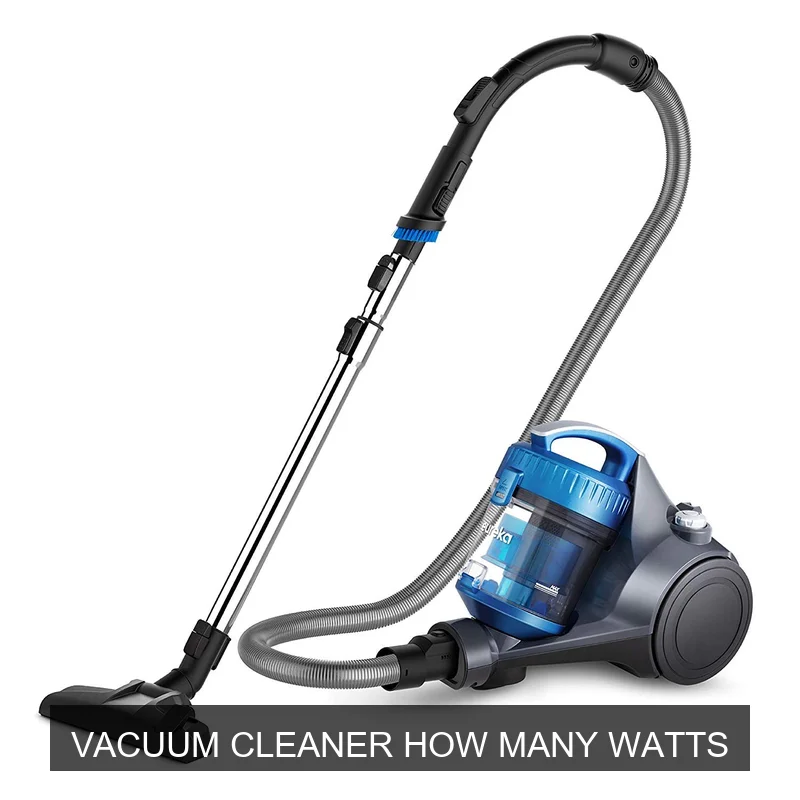
Image source: Adiyprojects
📋 Table of Contents
- 🔹 Understanding Vacuum Cleaner Wattage: The Basics
- 🔹 What Does “Watts” Mean for Your Vacuum Cleaner?
- 🔹 Why Understanding Wattage Matters
- 🔹 How Vacuum Cleaner Wattage Works
- 🔹 Wattage vs. Suction Power: A Key Distinction
- 🔹 The Role of Design and Efficiency
- 🔹 Common Misconceptions About Vacuum Cleaner Wattage
- 🔹 Practical Tips for Understanding Vacuum Power
- 🔹 Real-World Examples of Wattage Ranges
- 🔹 Frequently Asked Questions About Vacuum Cleaner Wattage
- 🔹 Wrapping Up: Decoding Vacuum Cleaner Wattage
Understanding Vacuum Cleaner Wattage: The Basics
You’re curious about “vacuum cleaner how many watts” and what that number really means. It’s a great question, as wattage is one of the most visible specifications you’ll find when looking at a vacuum cleaner. However, it’s also one of the most misunderstood. Many people mistakenly believe that higher watts automatically equal better cleaning power. While there’s a connection, it’s not a direct one-to-one relationship.
In this comprehensive guide, we’ll demystify vacuum cleaner wattage. We’ll explore what it represents, why it matters (and why it sometimes doesn’t), how it contributes to the vacuum’s operation, and what other factors are actually more important for determining cleaning effectiveness. By the end, you’ll have a clear, confident understanding of this common specification and what to consider when thinking about vacuum power.
What Does “Watts” Mean for Your Vacuum Cleaner?
Let’s start with the fundamental definition. In the world of electricity, a watt is a unit of power. It measures the rate at which electrical energy is consumed or generated. So, when you see a vacuum cleaner rated at, say, 1200 watts, that number tells you how much electrical power the vacuum’s motor draws from the wall outlet.
Think of it like this: if you have a light bulb, its wattage tells you how much electricity it uses to produce light. For a vacuum cleaner, its wattage indicates how much electricity its motor uses to spin and create suction and airflow. It’s an input measurement, representing the energy demand of the appliance.
- Input Power: Wattage is essentially the electrical “appetite” of the vacuum cleaner.
- Energy Consumption: A higher wattage vacuum will consume more electricity to operate than a lower wattage one, assuming they run for the same amount of time.
- Motor Strength: Generally, a higher wattage motor can be more powerful, but how that power is converted into actual cleaning performance varies significantly.
The Meaning Behind the Number
When we talk about the “meaning” of vacuum cleaner wattage, we’re primarily talking about its electrical consumption. It tells you about the potential raw power of the motor. However, it doesn’t directly tell you how well that motor’s power is converted into effective cleaning action at the nozzle. That’s where other factors come into play, which we’ll discuss shortly.
Why Understanding Wattage Matters
Understanding vacuum cleaner wattage is important for a few reasons, even if it’s not the sole indicator of cleaning prowess.
First, it gives you a general idea of the vacuum’s electrical demands. A higher wattage vacuum might be a concern for someone living in an older home with less robust electrical wiring, though most modern homes can handle typical vacuum wattages without an issue. It also impacts your electricity bill, albeit marginally for typical household use.
Second, knowing the wattage helps you compare different models on a basic level. While not a direct comparison for cleaning ability, it serves as a baseline for the motor’s potential. If two vacuums have vastly different wattages but claim similar cleaning capabilities, it might hint at differences in their engineering and efficiency.
Third, regulatory bodies in some regions have introduced limits on the maximum wattage for vacuum cleaners, often to encourage manufacturers to produce more energy-efficient models. This means that an older, higher-wattage model might not necessarily clean better than a newer, lower-wattage one, because the newer model might be designed to be much more efficient in converting electrical energy into suction power.
Energy Efficiency and Regulations
In places like the European Union, regulations have capped the input power (wattage) of vacuum cleaners. The idea behind this isn’t to make vacuums less powerful, but to push manufacturers to innovate and create vacuums that achieve excellent cleaning results with less electricity. This has led to advancements in motor design, airflow pathways, and brush roll technology, making efficiency a crucial aspect of modern vacuum engineering.
How Vacuum Cleaner Wattage Works
Let’s delve a bit into the mechanics of how wattage powers a vacuum cleaner. It’s simpler than you might think.
- Electricity In: When you plug in your vacuum and turn it on, electrical current flows from the outlet into the vacuum cleaner.
- Motor Activation: This electrical energy is fed to the vacuum’s motor. The motor is designed to convert electrical energy into mechanical energy.
- Fan Rotation: The mechanical energy from the motor causes a fan (or impeller) inside the vacuum to spin at very high speeds.
- Airflow and Suction: As the fan spins, it creates a partial vacuum, or lower air pressure, inside the vacuum cleaner. This pressure difference pulls air, along with dirt and debris, from the nozzle through the hose and into the dust collection system (bag or canister).
- Dust Collection: The air passes through filters, trapping the dirt and dust, and then exits the vacuum.
The wattage rating tells you how much electrical power is consumed during step 2 to make the motor work and subsequently spin the fan in step 3. A higher wattage usually means a more robust motor capable of spinning the fan faster or with more force, potentially leading to greater airflow and suction, but only if the entire system is designed efficiently.
Components that Use Power
While the motor is the primary consumer of watts, other components also draw power:
- Brush Roll Motor: Many upright vacuums and some canister vacuums have a separate motor to power the spinning brush roll in the floorhead. This adds to the overall wattage.
- Electronics: LED lights, digital displays, and other electronic features also consume a small amount of power.
The listed wattage on the vacuum usually accounts for the total power draw of all these components during typical operation.
Wattage vs. Suction Power: A Key Distinction
This is arguably the most critical concept to grasp when considering “vacuum cleaner how many watts.” As we’ve discussed, wattage is about electrical input. Suction power, on the other hand, is about the actual cleaning force. They are related but not interchangeable.
Imagine a car: the horsepower of its engine (its “motor’s watts”) tells you about its potential, but its actual speed and fuel efficiency depend on many other factors like aerodynamics, weight, gearing, and tire design. Similarly, a vacuum’s suction power depends on more than just wattage.
Introducing Air Watts
A better metric for cleaning effectiveness is often Air Watts. Air watts measure the actual power produced by the vacuum cleaner at the nozzle or hose, taking into account both airflow and suction (sealed suction). It’s a calculation of useful cleaning power, or the rate at which air is moved through an opening and the vacuum created.
Here’s a simplified way to think about it:
| Metric | What it Measures | What it Tells You |
|---|---|---|
| Watts (Electrical) | Electrical energy consumed by the motor and other components. | Input power; how much electricity the vacuum uses. |
| Air Watts | The effective power of the air moving through the system. (A combination of airflow and sealed suction) | Output power; how much actual cleaning power is being generated. |
A vacuum with a lower electrical wattage but a high air watt rating is a very efficient machine, converting a larger percentage of its input power into useful cleaning work. Conversely, a high-wattage vacuum with low air watts might be inefficient, wasting much of its electrical energy as heat or noise.
Other Suction Metrics
You might also encounter other terms related to a vacuum’s cleaning power:
- CFM (Cubic Feet per Minute): This measures the volume of air flowing through the vacuum’s system. Higher CFM means more air is moving, which is important for picking up lighter debris.
- kPa (Kilopascals): This measures the sealed suction pressure. Higher kPa indicates stronger suction, important for lifting embedded dirt from carpets or picking up heavier debris.
A truly powerful vacuum needs a good balance of both CFM and kPa, along with efficient airflow design.
The Role of Design and Efficiency
The overall design of a vacuum cleaner plays a huge part in how effectively it uses its wattage to clean. It’s not just about the motor’s power, but about how that power is harnessed.
- Airflow Design: Smooth, wide, and unobstructed airflow paths within the vacuum mean less energy is wasted. If the internal tubes are narrow or have sharp turns, the motor has to work harder to maintain airflow, reducing efficiency.
- Nozzle and Brush Roll Design: The design of the vacuum head is crucial. A well-designed nozzle creates better contact with the surface and directs airflow efficiently. An effective brush roll (for carpets) agitates dirt, making it easier for the vacuum to pick it up, regardless of the raw suction power.
- Filtration System: An efficient filtration system traps dust without significantly impeding airflow. Clogged filters can drastically reduce suction, making a high-wattage vacuum perform poorly.
- Seals and Gaskets: Good seals throughout the vacuum’s body, hose, and attachments prevent air leaks, ensuring that all the suction power is directed where it’s needed most.
Essentially, a vacuum cleaner is a system. The motor is just one part. How well all the parts work together determines the actual cleaning performance, often making a lower wattage, well-engineered vacuum more effective than a higher wattage, poorly designed one.
Common Misconceptions About Vacuum Cleaner Wattage
Because “vacuum cleaner how many watts” is such a prominent specification, several misunderstandings have cropped up over time. Let’s clear some of these up.
- Misconception 1: Higher Watts Always Means Better Cleaning.
Reality: Not true. As discussed, wattage is input power. Cleaning performance is about output power (air watts) and overall design efficiency. A 1000-watt vacuum with excellent airflow and a smart nozzle might clean better than a 2000-watt vacuum with a poorly designed system that leaks air or has restricted airflow.
- Misconception 2: All High-Wattage Vacuums Are Power Hogs.
Reality: While a higher wattage vacuum consumes more electricity than a lower wattage one during operation, the actual impact on your utility bill for typical household use is often small. Most people don’t run their vacuum for hours every day. Plus, modern high-wattage vacuums can still be efficient in converting that power to cleaning. The real “power hog” is an inefficient vacuum, regardless of its wattage, because it takes longer to clean, thereby running for more time.
- Misconception 3: You Need the Highest Wattage Available for Tough Jobs.
Reality: Not necessarily. For tough jobs like pet hair or deeply embedded dirt, you need high suction power and effective brush agitation, not just high electrical wattage. Many moderately wattaged vacuums are specifically engineered for these tasks with superior air watt performance and specialized tools.
- Misconception 4: Cordless Vacuums Have Very Low Watts, So They’re Weak.
Reality: Cordless vacuums use DC (direct current) motors and measure power in different ways (often voltage and amp-hours for battery capacity). Their cleaning power isn’t directly comparable to corded AC vacuum wattage in the same numerical sense. Modern cordless vacuums are incredibly powerful and efficient for their size and battery life, thanks to advanced motor technology and aerodynamic design, often achieving excellent air watt performance.
Practical Tips for Understanding Vacuum Power
Since “vacuum cleaner how many watts” isn’t the whole story, here are some practical tips to help you understand a vacuum’s true power and performance:
- Look Beyond Wattage: Always try to find specifications like “air watts,” CFM (Cubic Feet per Minute), or kPa (Kilopascals) if available. These are better indicators of actual cleaning performance.
- Consider the Entire System: Think about the vacuum’s design. Does it have good seals? Is the filtration system multi-stage and well-sealed? Are the attachments designed to enhance airflow?
- Read User Reviews and Independent Tests: People who’ve used the vacuum in real-life situations often provide valuable insights into its actual cleaning power, rather than just its stated specifications. Independent testing labs also offer objective performance data.
- Match to Your Needs: A small, lightweight vacuum for quick clean-ups on hard floors might have lower wattage and air watts but be perfectly powerful for its intended use. A vacuum for deep carpet cleaning or pet hair removal will need higher air watts and strong agitation.
- Don’t Discount Efficiency: A vacuum that’s designed efficiently might have a lower electrical wattage but still deliver superior cleaning performance because it converts more of that electricity into useful work. This is good for both the environment and your electricity bill.
Real-World Examples of Wattage Ranges
Vacuum cleaner wattage can vary quite a bit depending on the type and design. Here are some general ranges you might encounter:
- Small Handheld Vacuums: These typically have lower wattages, often ranging from 50 to 200 watts. They’re designed for quick spills and light duty, so they don’t need immense power.
- Robot Vacuums: These automated cleaners usually operate at very low wattages, perhaps 20 to 100 watts, as their motors are smaller and they clean over longer periods.
- Stick Vacuums (Corded): Many corded stick vacuums fall into the 200 to 600-watt range. They offer a good balance of power and maneuverability for lighter tasks.
- Standard Upright and Canister Vacuums: This is where you’ll see the widest range, typically from 800 to 2000 watts. Historically, some older models went even higher. Within this range, efficient design becomes paramount to translate those watts into effective cleaning.
- Commercial or Shop Vacuums: These heavy-duty machines are built for much tougher environments and can have wattages from 1000 watts to over 2500 watts, delivering significant raw power for large debris and wet messes.
It’s important to remember that these are general guidelines. A 1000-watt modern vacuum might perform similarly or even better than an older 1800-watt model due to advancements in design and efficiency regulations.
Frequently Asked Questions About Vacuum Cleaner Wattage
What is vacuum cleaner how many watts?
Vacuum cleaner wattage refers to the amount of electrical power the appliance consumes from the wall outlet to operate. It is a measurement of the electrical input, primarily used by the motor to create suction and airflow, and by other components like brush rolls or lights.
Why is vacuum cleaner how many watts important?
Understanding wattage is important because it indicates the vacuum’s electrical energy consumption and gives a basic sense of the motor’s potential power. It can influence your electricity bill and is a factor considered in energy efficiency regulations. However, it’s not the sole or best indicator of cleaning performance.
How does vacuum cleaner how many watts work?
The wattage powers the vacuum’s motor, which then spins an internal fan or impeller. This spinning fan creates a low-pressure area inside the vacuum, causing air (and dirt) to be drawn in through the nozzle, through the filtration system, and into the dust collection bin. The wattage specifies the rate at which electrical energy is used to drive this process.
Is vacuum cleaner how many watts necessary?
The wattage rating itself is a necessary electrical specification to know the appliance’s power draw. However, having an extremely high wattage isn’t necessary for effective cleaning. What’s truly necessary is an efficient design that converts the consumed wattage into strong air watts, sealed suction, and good airflow to pick up dirt effectively.
When should vacuum cleaner how many watts be used?
You should consider the wattage when evaluating a vacuum’s overall energy consumption and comparing it with similar models, especially in regions with energy efficiency standards. It’s a useful data point to understand the vacuum’s electrical demands, but it should always be considered alongside other performance metrics like air watts, CFM, and kPa to get a complete picture of its cleaning capability.
Wrapping Up: Decoding Vacuum Cleaner Wattage
Hopefully, this deep dive has shed plenty of light on the question of “vacuum cleaner how many watts.” We’ve learned that while wattage is a prominent specification, it primarily tells us about the electrical input power and energy consumption of the vacuum’s motor and other components. It’s a measure of how much electricity the vacuum “eats.”
What truly matters for effective cleaning is how efficiently that electrical energy is converted into useful work – the actual suction power, often measured in air watts, CFM, or kPa. A vacuum’s overall design, from its airflow pathways to its nozzle and filtration system, plays an enormous role in this conversion.
So, the next time you encounter a vacuum cleaner’s wattage, you’ll know to look beyond that single number. Understand it as a piece of the puzzle, but remember to consider the whole picture of efficiency and design to truly gauge a vacuum’s potential for cleaning your space.