
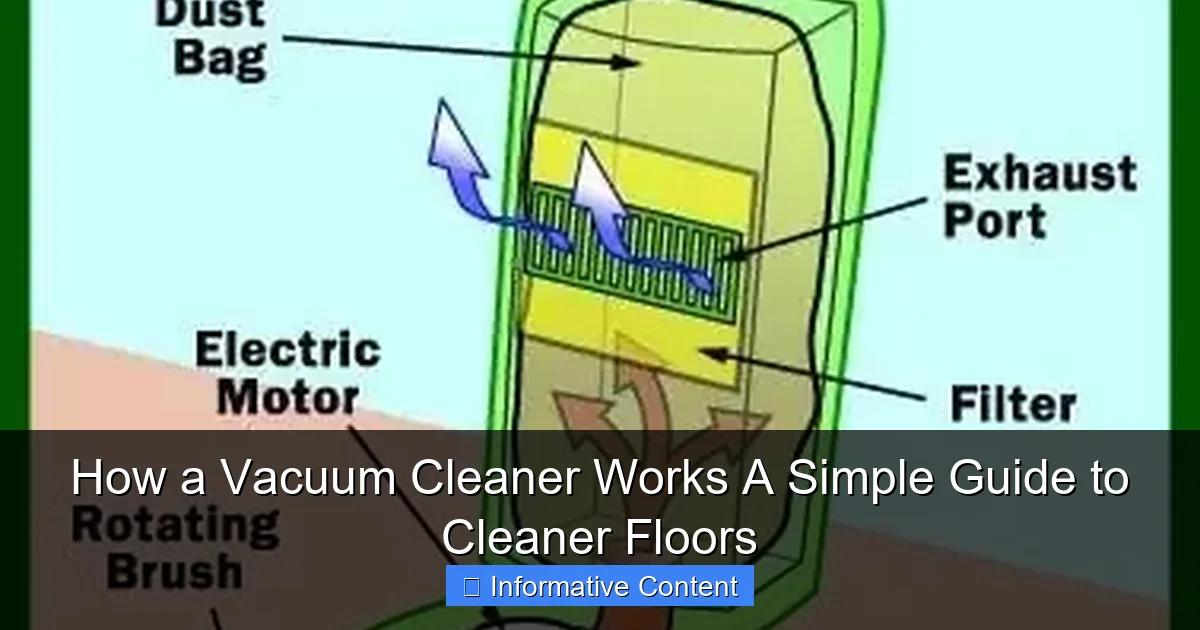
A vacuum cleaner works by creating powerful suction that pulls in dirt, dust, and debris from floors and surfaces. This suction is generated by a motor-driven fan that lowers air pressure inside the machine, allowing outside air—and everything it carries—to rush in through the intake nozzle. Filters then trap the particles while clean air exits, leaving your floors spotless with minimal effort.
Key Takeaways
- Suction power comes from a motor-driven fan creating airflow.
- Filters trap dust to prevent it from re-entering your home.
- Brush rolls agitate carpets to loosen embedded dirt effectively.
- Sealed systems ensure no loss of suction during cleaning.
- Regular maintenance of filters and brushes boosts performance.
- Choose the right vacuum type for your floor surfaces.
- HEPA filters capture allergens for cleaner, healthier air.
Quick Answers to Common Questions
How does a vacuum cleaner actually work?
A vacuum cleaner works by using a motor to create suction, pulling in air and debris through a hose or brush roll—this airflow carries dirt into a dustbin or bag, leaving your floors cleaner.
What creates the suction power in a vacuum cleaner?
The suction power comes from the vacuum’s motor-driven fan, which pushes air out of the chamber, creating a low-pressure zone that draws in dirt and air through the intake.
Can a vacuum cleaner work without a bag?
Yes, many modern vacuum cleaners use bagless systems with filters and cyclonic separation to trap dust and debris directly in a removable dustbin.
How do vacuum cleaner filters help?
Vacuum cleaner filters trap fine particles and allergens from the air before it’s released back into the room, improving air quality and preventing clogs.
Why does my vacuum cleaner lose suction over time?
A vacuum cleaner may lose suction due to clogged filters, a full dustbin, or blockages in the hose—regular maintenance helps keep it working at peak performance.
📑 Table of Contents
- The Magic Behind Clean Floors: A Peek Inside Your Vacuum
- The Basic Principle: Creating Suction Power
- Key Components and How They Work Together
- Collecting the Dirt: Bags, Canisters, and Filters
- Special Features: From Sensors to Smart Tech
- Real-World Performance: What Makes a Vacuum Effective?
- Final Thoughts: Making the Most of Your Vacuum
The Magic Behind Clean Floors: A Peek Inside Your Vacuum
Let’s face it—vacuuming isn’t the most exciting chore, but it’s one of those things that makes life feel just a little more put together. I remember the first time I used a vacuum cleaner as a kid. I was fascinated by how it seemed to magically suck up crumbs, dust bunnies, and even the occasional rogue LEGO piece (sorry, Mom). It felt like a mini tornado trapped in a plastic shell, and honestly? That’s not far off from the truth.
But how does a vacuum cleaner actually work? It’s not magic—though it might seem like it. Behind that sleek exterior is a clever mix of physics, engineering, and a bit of airflow wizardry. Whether you’ve just bought your first vacuum or you’ve been using one for years, understanding the mechanics behind it can help you choose the right model, use it more effectively, and even troubleshoot issues when they pop up. So, let’s take a closer look at how a vacuum cleaner works and why it’s one of the most underrated heroes of modern home life.
The Basic Principle: Creating Suction Power
How Suction Is Created
At its core, a vacuum cleaner works by creating a partial vacuum—a space with lower air pressure than the surrounding environment. This pressure difference causes air (and everything in it) to rush into the vacuum. Think of it like drinking through a straw: when you suck on one end, the pressure drops inside the straw, and liquid is pulled up to fill the gap. A vacuum cleaner does the same thing, but on a much larger scale and with air instead of liquid.
Visual guide about vacuum cleaner how it works
Image source: vacuumcleanermanufacturers.com
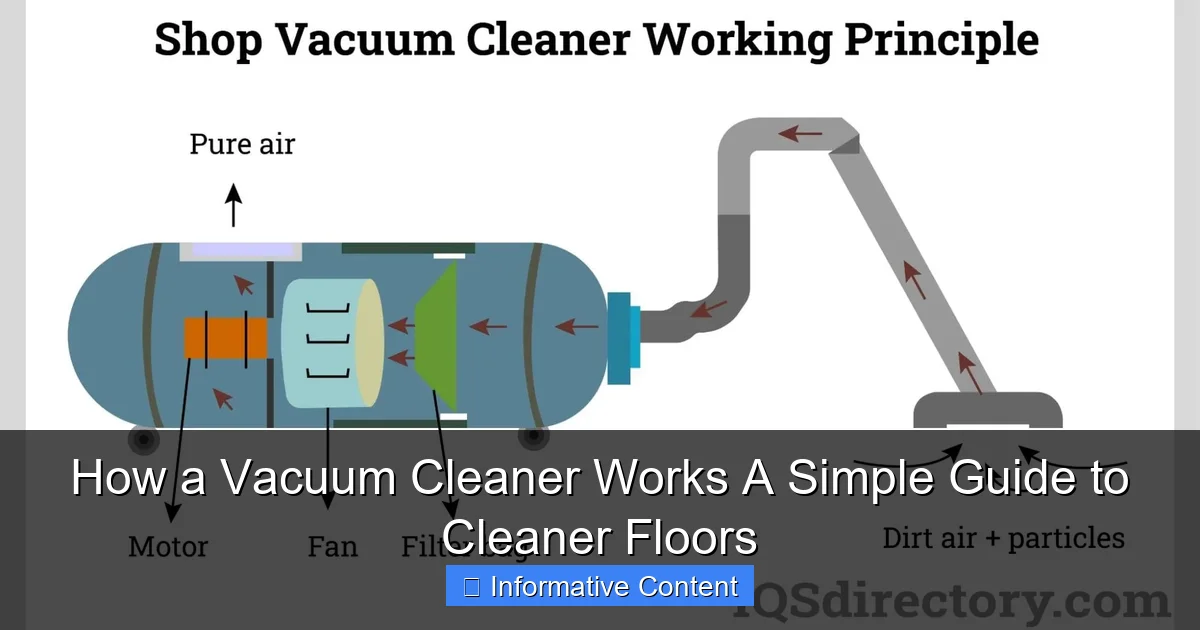
The key player here is the electric motor, which drives a fan (often called an impeller). As the fan spins, it pushes air forward, creating a low-pressure zone behind it. That low-pressure area pulls in air from the floor through the vacuum’s nozzle, bringing dust, dirt, hair, and debris along for the ride.
The Role of Airflow
Airflow is the lifeblood of any vacuum cleaner. The stronger and more consistent the airflow, the better the suction. But it’s not just about brute force—efficient airflow also depends on the design of the fan, the ducting, and the seals. For example, a vacuum with a poorly designed hose or clogged filter will lose suction power, no matter how strong the motor is.
Here’s a simple tip: if your vacuum feels weak, check for blockages. Hair wrapped around the brush roll, a clogged hose, or a dirty filter are common culprits. A quick inspection can often restore full suction power without needing repairs.
Key Components and How They Work Together
The Motor and Fan System
The motor is the heart of the vacuum. Most household vacuums use a universal motor, which is lightweight, powerful, and spins at high speeds (up to 30,000 RPM!). This rapid rotation drives the fan, which generates the airflow needed for suction.
Fun fact: the motor also produces a high-pitched whine, which is the sound of air being forced through the fan blades. That’s why louder vacuums often feel more powerful—but it’s not always a reliable indicator of performance.
Nozzles, Brushes, and Attachments
The nozzle is what touches the floor, and its design makes a big difference. Upright vacuums often have a rotating brush roll (or beater bar) that agitates carpet fibers to dislodge embedded dirt. For hard floors, a soft roller or brushless nozzle is better to avoid scratching surfaces.
Attachments like crevice tools, upholstery brushes, and dusting brushes extend the vacuum’s usefulness. The crevice tool, for example, uses a narrow opening to increase air speed—great for getting into tight spaces between couch cushions or along baseboards.
Hoses and Ducting
The hose and internal tubing carry dirt-laden air from the nozzle to the dust collection system. A smooth, unobstructed path is essential for maintaining suction. Some vacuums use rigid tubes, while others rely on flexible hoses. Flexible hoses are easier to maneuver but can kink or collapse, reducing airflow.
Collecting the Dirt: Bags, Canisters, and Filters
Bag vs. Bagless Systems
Vacuum cleaners collect dirt in two main ways: using a disposable bag or a reusable canister. Bag systems trap dust inside a paper or fabric bag, which you replace when full. These are great for allergy sufferers because the bag contains most of the dust, reducing exposure when emptying.
Bagless vacuums, on the other hand, use a transparent canister that you empty manually. They’re more convenient and eco-friendly (no need to buy bags), but they can be messier to empty. Tip: tap the canister gently over a trash bag to minimize dust clouds.
Filtration: Keeping the Air Clean
Once air enters the vacuum, it passes through one or more filters before being expelled back into the room. The most basic filter is a foam or mesh pre-filter that catches large particles. Many modern vacuums also include a HEPA filter, which traps tiny particles like pollen, mold spores, and pet dander—ideal for homes with allergies or asthma.
Here’s a pro tip: wash or replace filters regularly (check your manual for timing). A clogged filter forces the motor to work harder, reduces suction, and can even damage the vacuum over time.
Special Features: From Sensors to Smart Tech
Adjustable Suction and Floor Sensors
Many vacuums now come with adjustable suction power. This is handy when switching from thick carpets to delicate hardwood. Some models even have floor sensors that automatically adjust suction based on surface type—no manual switching needed.
For example, if you move from a low-pile rug to a tile floor, the vacuum might reduce suction to avoid scattering debris. It’s a small feature, but it makes cleaning more efficient and protects your floors.
Self-Emptying and Robotic Vacuums
Robot vacuums use the same suction principle but add navigation tech like infrared sensors, cameras, and mapping software. They’re not as powerful as full-sized vacuums, but they’re great for daily maintenance. Some models even dock with a self-emptying base that sucks the collected dirt into a large bag—perfect for hands-off cleaning.
One caveat: robot vacuums can struggle with deep carpet cleaning or large debris. Pairing one with a traditional vacuum for weekly deep cleans can be a winning combo.
Anti-Tangle Technology
Pet owners, listen up: anti-tangle brush rolls (like those with rubber fins instead of bristles) are a game-changer. They reduce hair wrap around the roller, which means less maintenance and fewer “why is the vacuum making that noise?” moments.
Real-World Performance: What Makes a Vacuum Effective?
Measuring Cleaning Power
You’ve probably seen vacuums advertised with high wattage (e.g., 1200 watts). But wattage measures electrical power, not cleaning performance. A more useful metric is air watts or water lift, which reflect actual suction strength. However, these numbers aren’t always shared by manufacturers.
Instead, focus on real-world performance: how well the vacuum picks up fine dust, pet hair, and debris from different surfaces. User reviews and third-party tests (like those from Consumer Reports) are great resources.
Maintenance Matters
Even the best vacuum won’t perform well if it’s neglected. Here’s a quick maintenance checklist:
- Empty the canister or replace the bag when it’s 75% full.
- Clean or replace filters every 3–6 months (more often with pets).
- Check for clogs in the hose, brush roll, and intake.
- Inspect the brush roll for hair or string wrap.
- Wipe down the exterior to prevent dust buildup.
Spending 10 minutes on maintenance can save you hours of frustration later.
| Feature | Best For | Pros | Cons |
| Bag System | Allergy sufferers, large homes | Less mess, better dust containment | Ongoing cost of replacement bags |
| Bagless Canister | Frequent cleaning, eco-conscious users | No bag costs, easy to empty | Messier to clean, potential for dust clouds |
| HEPA Filter | Homes with pets, allergies, or asthma | Traps 99.97% of particles 0.3 microns | More expensive, requires regular replacement |
| Robotic Vacuum | Daily maintenance, busy households | Hands-free, smart scheduling | Limited suction, not for deep cleaning |
Final Thoughts: Making the Most of Your Vacuum
Understanding how a vacuum cleaner works doesn’t just satisfy curiosity—it empowers you to use it better. From choosing the right model for your floors to keeping it running smoothly, a little knowledge goes a long way. And let’s be honest: when your vacuum is working like a champ, cleaning doesn’t feel like such a chore.
So the next time you hear that familiar hum, take a moment to appreciate the science behind it. It’s not just a machine—it’s a carefully designed tool that turns chaos into cleanliness, one suction-powered step at a time. Whether you’re tackling pet hair on the couch or dust bunnies under the bed, knowing how your vacuum works means you’re not just cleaning—you’re cleaning smarter.
And hey, if you’ve ever pulled a sock out of the brush roll or discovered a forgotten coin in the canister (true story), you’re not alone. Vacuums have a way of revealing the hidden side of our homes—one clean floor at a time.
🎥 Related Video: The best Wet and Dry Vacuum Cleaner to keep your home spotless #vacuumcleaner #vacuum #amazon 53
📺 Best Products
The best Wet and Dry Vacuum Cleaner to keep your home spotless #vacuumcleaner #vacuum #shorts #amazon Looking for the …
Frequently Asked Questions
How does a vacuum cleaner work to pick up dirt and debris?
A vacuum cleaner works by creating suction through a motorized fan that draws air (and dust/debris) into the machine. The dirt is then trapped in a dustbin or bag, while clean air is filtered and expelled back out.
What are the main components inside a vacuum cleaner and how do they function?
The key parts include the motor (powers the fan), the suction nozzle (entry point for dirt), the dust collection system (bag or bin), and filters (trap allergens and fine particles). Together, they create a continuous airflow that captures debris effectively.
How does a vacuum cleaner’s suction power actually work?
Suction power is generated when the motor spins a fan, reducing air pressure inside the vacuum. This pressure difference forces air—and anything lightweight in its path—into the vacuum’s intake port.
Can a vacuum cleaner work on both carpets and hard floors?
Yes, most modern vacuum cleaners come with adjustable settings or attachments that optimize suction and brush roll action for different surfaces. Some models even automatically detect floor types to adjust performance.
How do vacuum cleaner filters contribute to cleaner air?
Filters—especially HEPA filters—capture microscopic particles like dust mites, pollen, and pet dander during suction. This ensures only clean air is released, improving indoor air quality while vacuuming.
Why does my vacuum cleaner lose suction over time?
Loss of suction often happens due to a clogged hose, full dustbin, or dirty filter. Regular maintenance, like emptying the bin and cleaning or replacing filters, helps restore optimal vacuum cleaner performance.