
The question of “how much for a vacuum cleaner” doesn’t have a single, straightforward answer, as the cost varies significantly based on an array of factors. This comprehensive guide explores the various elements—from design and technology to features and build quality—that collectively influence the overall cost of these household appliances. By understanding these contributing aspects, you can better appreciate the diverse landscape of vacuum cleaners available today.
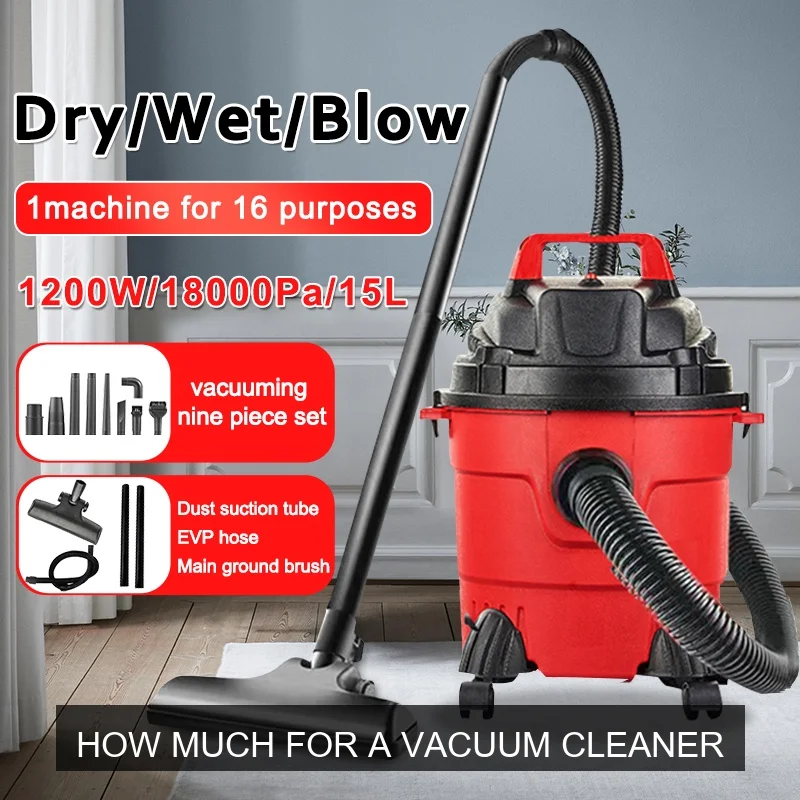
Image source: Shopee
📋 Table of Contents
- 🔹 Introduction: Demystifying Vacuum Cleaner Costs
- 🔹 What Influences How Much for a Vacuum Cleaner? Unpacking the Key Factors
- 🔹 Why Understanding “How Much for a Vacuum Cleaner” Matters
- 🔹 How These Factors Contribute to “How Much for a Vacuum Cleaner”
- 🔹 Benefits of Knowing the Cost Influencers
- 🔹 Common Misconceptions About “How Much for a Vacuum Cleaner”
- 🔹 Practical Tips for Understanding Vacuum Cleaner Costs
- 🔹 Real-Life Scenarios: Different Needs, Different Cost Profiles
- 🔹 People Also Ask: Common Questions About Vacuum Cleaner Costs
- 🔹 Conclusion: Appreciating the Value Behind “How Much for a Vacuum Cleaner”
How Much for a Vacuum Cleaner: The Informational Overview
The “how much for a vacuum cleaner” question doesn’t have a single answer, as the cost varies significantly based on numerous factors like the vacuum’s type, the technology it incorporates, its specialized features, the reputation of its brand, and its overall build quality. Understanding these distinct elements helps one appreciate the wide spectrum of options and the underlying reasons for their differing price points.
Introduction: Demystifying Vacuum Cleaner Costs
When you start to explore the world of vacuum cleaners, one of the first questions that often comes to mind is, naturally, “how much for a vacuum cleaner?” It’s a fundamental query, but the answer is far from simple. You’ll quickly notice a vast range in what different models might represent in terms of expense, leading to a natural curiosity about *why* such differences exist. It’s not just about a label; there’s a whole host of engineering, design choices, and market dynamics at play.
In this comprehensive guide, we’re going to pull back the curtain on these dynamics. We’ll delve into the various factors that influence how much a vacuum cleaner might represent in terms of cost. Our goal isn’t to tell you what to pay, but rather to equip you with the knowledge to understand the underlying value propositions. By the end, you’ll have a much clearer picture of what drives these variations, allowing you to look beyond a simple number and grasp the intricate details that shape a vacuum cleaner’s position in the market.
What Influences How Much for a Vacuum Cleaner? Unpacking the Key Factors
Understanding the actual influences behind “how much for a vacuum cleaner” means looking at a variety of aspects. These aren’t isolated elements; instead, they often intertwine to create the overall picture of a unit’s perceived value and the resources invested in its creation. Let’s break down the core drivers that contribute to the variation in cost.
Vacuum Cleaner Type: A Primary Cost Driver
The fundamental design of a vacuum cleaner is one of the most significant factors influencing its potential cost. Different types of vacuums are built for different purposes and incorporate varying levels of mechanical complexity and materials. For instance:
- Upright Vacuums: Generally a common and versatile type, their costs can range widely depending on motor power, filtration, and attachments.
- Canister Vacuums: Often lauded for maneuverability and power, especially on hard floors, they can be more complex to manufacture due to their two-part design (canister and wand), which can affect their cost.
- Stick Vacuums: Valued for their lightweight and cordless convenience, the technology behind powerful motors and long-lasting batteries in a compact form factor can contribute significantly to their expense.
- Handheld Vacuums: Designed for quick clean-ups, their cost is often tied to battery life, suction power, and overall portability features.
- Robotic Vacuums: These autonomous devices come with advanced navigation systems, sensors, Wi-Fi connectivity, and app control, making them inherently more complex and, consequently, often represent a higher initial investment.
- Wet/Dry Vacuums: Built to handle both liquids and solids, their robust construction and specialized motor/filtration systems for wet tasks contribute to their unique cost structure.
Each type requires specific engineering, materials, and technological components, all of which play a role in determining how much for a vacuum cleaner of that particular design.
Technology and Innovation: The Engine of Cost
Modern vacuum cleaners are far more than just motors and bags. The level of technology and innovation packed into a unit significantly impacts its cost. Think about these advancements:
- Motor Power and Efficiency: Advanced motors can offer stronger suction with less energy consumption, but their development and manufacturing can be more costly.
- Filtration Systems: Vacuums with multi-stage filtration, especially those incorporating HEPA filters, require more intricate design and specialized materials to capture fine dust and allergens, adding to the cost.
- Battery Technology: For cordless models, the capacity, longevity, and charging speed of the battery unit (often lithium-ion) are critical and can be expensive components.
- Smart Features: Robotic vacuums often include sophisticated navigation algorithms, mapping capabilities, obstacle avoidance sensors, and Wi-Fi connectivity for app control. These advanced computational and electronic components are major cost contributors.
- Noise Reduction: Engineering vacuums to operate more quietly often involves specialized motor mounts, sound-dampening materials, and aerodynamic designs, which can add to manufacturing complexity and cost.
These technological leaps improve performance, convenience, and air quality, but they also mean a greater investment in research, development, and high-tech components, directly influencing how much for a vacuum cleaner that offers such innovations.
Features and Accessories: Adding Value and Cost
Beyond the core functionality, the array of features and included accessories can also contribute to the overall cost. These additions are designed to enhance versatility, ease of use, and specialized cleaning capabilities.
- Specialized Brush Heads: Different floor types (carpets, hard floors, pet hair) often benefit from specific brush designs. Including multiple, high-quality brush heads or a motorized pet brush can increase the cost.
- Attachment Variety: A wide selection of nozzles, crevice tools, upholstery brushes, and extension wands adds to a vacuum’s utility, but each additional, well-made accessory represents a manufacturing cost.
- Bagless vs. Bagged Systems: While bagless systems eliminate recurring bag costs, the cyclonic separation technology and robust dustbin design can sometimes have a higher initial manufacturing cost. Bagged systems require less complex internal design but come with ongoing bag expenses.
- Ergonomic Design: Features like adjustable handles, easy-to-empty dustbins, lightweight construction for ease of lifting, and intuitive controls are results of thoughtful design and engineering that factor into the expense.
- Display Screens and Indicators: Digital displays showing battery life, suction mode, or filter status, while convenient, add to the electronic component cost.
Each extra feature, especially if it’s well-designed and durable, represents an additional component, manufacturing step, or material, thereby influencing how much for a vacuum cleaner with comprehensive functionality.
Build Quality and Materials: Durability vs. Expense
The quality of materials used in a vacuum cleaner’s construction directly impacts its durability, longevity, and often, its cost. You can generally observe differences in materials across different price points.
- Plastics: Higher-cost units often use more durable, impact-resistant plastics that can withstand bumps and drops better than cheaper, more brittle alternatives.
- Metal Components: The inclusion of metal parts in stress areas, such as wands, brush roll housings, or internal motor components, generally signifies greater durability and adds to the manufacturing cost compared to all-plastic designs.
- Hose Quality: A robust, flexible, and kink-resistant hose costs more to produce than a thinner, less resilient one.
- Wheel and Caster Quality: Better quality wheels, often rubberized, roll more smoothly, protect floors, and last longer than basic plastic wheels, contributing to a higher overall cost.
- Fit and Finish: The precision with which parts fit together, the smoothness of moving components, and the overall aesthetic appeal are indicators of careful manufacturing and quality control, which add to production costs.
Investing in superior materials and meticulous assembly helps create a product that can endure daily use for years, and this commitment to quality is invariably reflected in how much for a vacuum cleaner of such caliber.
Brand Reputation and Warranty: Perceived Value
The name on the vacuum cleaner and the assurances that come with it can also influence its cost. Established brands often carry a premium due to several factors:
- Research and Development: Reputable brands invest heavily in R&D to innovate new technologies, improve existing designs, and conduct rigorous testing. This investment is factored into the cost of their products.
- Customer Support: Brands known for excellent customer service, easy access to spare parts, and comprehensive support networks often reflect these services in their pricing.
- Warranty Periods: A longer or more comprehensive warranty signals a manufacturer’s confidence in their product’s durability and offers greater peace of mind to the customer. This extended coverage naturally contributes to the overall cost structure.
- Brand Legacy: Years of positive consumer experiences build trust and a reputation for reliability, which can command a higher price point.
When considering how much for a vacuum cleaner, remember that part of the cost can represent the intangible value of a brand’s commitment to quality, innovation, and post-purchase support.
Why Understanding “How Much for a Vacuum Cleaner” Matters
Grasping the factors behind vacuum cleaner costs is more than just academic; it offers several practical benefits. Firstly, it moves your perspective beyond a simple price tag, helping you appreciate the engineering, materials, and technology embedded in each model. You start to see value, not just expense. This understanding empowers you to make more informed decisions, whether you’re looking for a basic utility tool or a specialized cleaning powerhouse.
Secondly, knowing these influencers allows you to connect a vacuum’s cost to its potential functionality and longevity. A higher-cost model might offer features, build quality, or a brand warranty that suggests greater durability or performance over time, potentially saving you from frequent replacements or repairs. Conversely, a lower-cost option might perfectly suit minimal needs without unnecessary expense. In essence, it helps you match what you’re willing to invest with what you truly need and expect from a vacuum cleaner.
How These Factors Contribute to “How Much for a Vacuum Cleaner”
It’s helpful to see how all these factors don’t just exist in isolation but combine to shape the overall cost. Imagine a basic upright vacuum cleaner. It might have a standard motor, simple filtration, limited attachments, and made predominantly from common plastics. This combination results in a relatively lower manufacturing cost, and thus, a lower overall “how much for a vacuum cleaner” figure.
Now, consider a top-tier robotic vacuum. It needs a powerful, efficient motor, advanced multi-stage HEPA filtration, sophisticated navigation sensors, Wi-Fi connectivity, app integration, a durable lithium-ion battery, and perhaps premium brush heads for different surfaces. Each of these components, from the intricate electronics to the specialized materials, adds to the complexity and expense of design and production. When you combine cutting-edge technology with high-quality materials and a strong brand backing, the cumulative effect is a significantly higher cost. It’s a testament to the sum of its parts and the extensive research and development invested.
Essentially, the “how much” reflects a trade-off. You’re weighing basic, reliable functionality against specialized performance, enhanced convenience, superior durability, and advanced features. The more a vacuum cleaner offers in terms of innovation, power, and thoughtful design, the more resources went into its creation, directly correlating to its market positioning.
Benefits of Knowing the Cost Influencers
Understanding what goes into determining “how much for a vacuum cleaner” offers several clear advantages for anyone researching these appliances:
- Clearer Market Picture: You’ll gain a clearer perspective on why the market offers such a wide spectrum of options. This insight helps demystify the seemingly random differences in perceived value.
- Appreciation for Engineering: You can appreciate the engineering, design, and material science that goes into creating a high-performing or specialized cleaning device. It’s not just about suction; it’s about how that suction is generated, filtered, and delivered efficiently.
- Assessing Longevity: By recognizing the impact of build quality and materials, you can better assess a vacuum’s potential lifespan. A model made with more robust components and thoughtful construction often implies greater durability over time.
- Matching Needs with Features: Instead of being swayed by the highest number or the lowest, you can focus on which specific features and technologies genuinely align with your cleaning requirements, thereby understanding the true value for your particular use case.
- Informed Research: This knowledge helps you conduct more effective research. You’ll know what questions to ask and what specifications to look for beyond just basic power ratings, allowing for a more thorough evaluation.
Ultimately, knowing these factors empowers you to be a more discerning observer of the vacuum cleaner market, moving you from simply asking “how much?” to truly understanding “what am I getting for that?”
Common Misconceptions About “How Much for a Vacuum Cleaner”
When considering vacuum cleaner costs, it’s easy to fall into certain traps of thinking. Let’s clear up some common misconceptions:
- Misconception 1: Higher cost always means *the best* vacuum cleaner for everyone.
Reality: While higher-cost models often pack more features, power, and better build quality, “best” is subjective. A powerful, feature-rich vacuum might be overkill for a small apartment with no pets. The “best” vacuum cleaner is the one that most effectively meets *your specific* needs and circumstances, regardless of its position on the cost spectrum.
- Misconception 2: All vacuum cleaners perform essentially the same, so cost is just about branding.
Reality: Performance varies significantly. Differences in motor design, airflow pathways, filtration efficiency, and brush roll mechanics mean that a budget model typically won’t match the deep cleaning capability or air purification of a more advanced, higher-cost unit. The cost often reflects real, tangible differences in performance and technological sophistication.
- Misconception 3: Only the brand name dictates the price.
Reality: While brand reputation certainly plays a role, it’s rarely the *only* factor. Brands invest heavily in R&D, manufacturing processes, quality control, and customer service. These operational costs, combined with the quality of materials and technology used, are what ultimately determine how much for a vacuum cleaner from a particular manufacturer. The brand name is more of a reflection of these underlying investments rather than an arbitrary sticker price.
Dispelling these myths helps you approach the topic of vacuum cleaner costs with a more nuanced and accurate perspective, focusing on actual value rather than simple assumptions.
Practical Tips for Understanding Vacuum Cleaner Costs
Navigating the various factors that determine how much for a vacuum cleaner can seem daunting. Here are some practical tips to help you approach the subject with clarity and purpose:
- Define Your Needs First: Before even looking at prices, consider your home’s size, floor types, whether you have pets or allergies, and how often you’ll be vacuuming. Your specific cleaning needs are the best guide to what features truly add value for you.
- Prioritize Essential Features: Identify which features are non-negotiable for your situation. For instance, if you have severe allergies, advanced HEPA filtration is likely a high priority. If you live in a small space, a compact design might be key. Understanding these priorities helps you filter out unnecessary extras that might increase costs.
- Research Build Quality Clues: Look for indicators of durability. Are components made of sturdy materials? Do parts fit together snugly? Does the unit feel robust, or does it feel flimsy? These physical attributes often correlate with how much for a vacuum cleaner, reflecting the investment in its construction.
- Consider Long-Term Aspects: Think about potential maintenance costs. Is it a bagged or bagless system? Are filters washable or do they need frequent replacement? Are spare parts readily available? While not directly part of the initial “how much,” these ongoing expenses are part of the overall cost of ownership.
- Understand Technology’s Impact: Recognize that cutting-edge technology (like advanced robotics or superior battery life) naturally contributes to a higher cost. If you don’t need the absolute latest innovations, you might find a robust, slightly older model that performs exceptionally well at a different cost profile.
By applying these tips, you’ll shift your focus from merely the “how much” to a more holistic understanding of a vacuum cleaner’s inherent value and suitability for your specific environment.
Real-Life Scenarios: Different Needs, Different Cost Profiles
To further illustrate how needs influence the “how much for a vacuum cleaner” discussion, let’s consider a few real-life, but hypothetical, scenarios. These examples highlight how varying requirements naturally lead to different cost profiles, not specific price tags.
Scenario 1: The Minimalist Apartment Dweller
Imagine someone living in a small studio apartment with mostly hard floors and no pets. They only need to vacuum occasionally for basic dust and crumbs. Their priority is ease of storage, light weight, and straightforward operation. In this case, a simple stick or compact upright vacuum with basic suction power and minimal attachments would likely suffice. The cost profile for such a unit would naturally be on the lower end, as it doesn’t require advanced filtration, heavy-duty motors, or extensive accessories.
Scenario 2: The Family Home with Pets and Allergies
Now, picture a large family home with a mix of high-pile carpets and hard floors, multiple pets, and family members with severe dust allergies. Here, the cleaning needs are far more demanding. They would benefit from a powerful vacuum cleaner with strong suction, excellent agitation for deep carpet cleaning, a sealed HEPA filtration system to capture allergens, and specialized pet hair tools. Features like large capacity dustbins or bags and robust construction for frequent use would also be highly valued. This comprehensive set of requirements translates to a significantly higher cost profile, reflecting the advanced technology, specialized features, and durable build quality necessary to meet these specific demands.
Scenario 3: The Tech-Savvy Individual with a Busy Schedule
Consider someone who lives in a moderately sized home, has some carpets and hard floors, but a very demanding work schedule. Their priority is convenience and automation. They might look towards a robotic vacuum cleaner with advanced mapping, intelligent navigation, and app control, perhaps even one with self-emptying capabilities. While they might not need the absolute highest suction power of a traditional upright, the sophisticated robotics, sensors, and smart features contribute to a distinct, often mid-to-high, cost profile. Here, the “how much for a vacuum cleaner” reflects the investment in autonomous technology and time-saving convenience.
These examples show that the question isn’t just about a number, but about aligning that number with the specific value proposition that best serves an individual’s unique situation.
People Also Ask: Common Questions About Vacuum Cleaner Costs
Many people have similar questions when they start to explore the topic of vacuum cleaner costs. Here, we’ll address some common inquiries to provide even more clarity.
What factors create the wide range for how much for a vacuum cleaner?
The vast range in what a vacuum cleaner might cost stems from a combination of factors. These include the vacuum’s fundamental type (e.g., upright, stick, robotic), the level of technology and innovation it incorporates (e.g., motor power, filtration, smart features), the quality of its construction materials, the number and specialization of its accessories, and the reputation and warranty offered by its brand. Each of these elements contributes to the overall manufacturing and market value.
Why do some vacuum cleaners cost significantly more than others?
Vacuum cleaners that represent a higher cost typically do so because they integrate more advanced technologies, use premium and more durable materials, offer a wider array of specialized features (like multi-surface brush rolls or advanced navigation), and come from brands with significant investment in research, development, and customer support. These factors lead to greater manufacturing complexity, higher component costs, and often superior performance or convenience.
How does filtration impact how much for a vacuum cleaner?
Filtration systems have a notable impact on cost. Basic vacuums might use simple filters, while those designed for allergy sufferers often incorporate multi-stage filtration, including sealed HEPA filters. These advanced systems require specialized materials and more intricate designs to trap very fine particles and allergens, preventing them from recirculating into the air. The additional engineering and material costs associated with superior filtration contribute to a higher overall cost for the vacuum cleaner.
Is a higher-cost vacuum cleaner always better?
Not necessarily. While higher-cost vacuum cleaners often boast superior features, materials, and technology, “better” is subjective and depends heavily on individual needs. A more expensive model might offer capabilities you don’t require, making its additional features redundant for your specific situation. The most effective vacuum cleaner is the one that best matches your home’s size, floor types, specific cleaning challenges, and personal preferences, providing optimal value for *your* investment, regardless of its position on the cost spectrum.
Conclusion: Appreciating the Value Behind “How Much for a Vacuum Cleaner”
As we’ve explored, the question of “how much for a vacuum cleaner” is far more nuanced than a simple number. It’s a reflection of a complex interplay of design, engineering, material science, and market positioning. From the basic mechanical principles of a standard upright to the sophisticated algorithms of a robotic cleaner, every feature, every material choice, and every technological advancement contributes to its overall cost profile.
By understanding the various factors—such as the type of vacuum, the innovation it embodies, its specific features, the quality of its build, and the brand’s reputation—you gain a much deeper appreciation for the diverse landscape of options available. This knowledge empowers you to look beyond the immediate cost and evaluate the true value a particular vacuum cleaner offers in relation to your individual needs and expectations. Ultimately, it’s about making informed observations, appreciating the engineering, and seeing the comprehensive picture behind every vacuum cleaner.