
Revitalize your sofa with a wet and dry vacuum cleaner! This comprehensive guide walks you through every step, from preparing your upholstery and selecting the right solutions to performing a thorough wet clean and ensuring proper drying. Discover practical tips, common pitfalls to avoid, and expert advice to leave your sofa looking and feeling brand new.
There’s nothing quite like sinking into a clean, fresh sofa after a long day. But let’s be honest, life happens on our sofas – movie nights with popcorn, spilled coffee during a morning read, pet hair gatherings, and the occasional crayon masterpiece. Over time, these daily occurrences can leave your beloved couch looking less than its best, harboring dirt, stains, and odors that a simple dry vacuum just can’t tackle.
This is where the mighty wet and dry vacuum cleaner steps in. Often overlooked for upholstery cleaning, this versatile machine is a game-changer for deep cleaning sofas, bringing them back to life with remarkable results. If you’ve ever wondered how to use a wet and dry vacuum cleaner for sofa cleaning effectively, you’re in the right place. We’re about to dive deep into a step-by-step guide, offering practical tips and expert advice to ensure your sofa not only looks clean but feels hygienically fresh too.
Key Takeaways
- Always Patch Test: Before applying any cleaning solution to your entire sofa, always perform a patch test on an inconspicuous area to ensure it doesn’t cause discoloration or damage.
- Vacuum Dry First: Begin by thoroughly dry vacuuming your sofa to remove loose dirt, crumbs, and pet hair, which prevents mud formation during the wet cleaning phase.
- Don’t Over-Wet: Use a minimal amount of cleaning solution and extract it immediately. Over-wetting can lead to mold, mildew, and damage to your sofa’s internal structure.
- Choose the Right Solution: Select a cleaning solution specifically designed for upholstery and compatible with your sofa’s fabric type. Avoid harsh chemicals that could degrade the material.
- Ensure Proper Drying: After wet cleaning, facilitate quick and thorough drying by opening windows, using fans, and avoiding sitting on the sofa until it’s completely dry to prevent odors and mildew.
- Use Appropriate Attachments: Utilize the correct upholstery and crevice tools that come with your wet and dry vacuum cleaner for efficient and gentle cleaning of different sofa parts.
- Regular Maintenance is Key: Incorporate regular dry vacuuming and prompt spot cleaning into your routine to extend the life of your sofa and reduce the need for deep wet cleaning.
Quick Answers to Common Questions
Can I use a regular carpet cleaner solution in my wet and dry vacuum for sofa?
Yes, typically carpet cleaner solutions designed for extractors are suitable for upholstery. However, always ensure it’s specifically marked safe for upholstery and perform a patch test first.
How often should I wet clean my sofa?
This depends on usage, but for average households, deep wet cleaning every 6-12 months is usually sufficient. High-traffic sofas or those with pets might benefit from more frequent cleaning, while less-used sofas can go longer.
What if my sofa fabric code is ‘S’ or ‘X’?
If your sofa has an ‘S’ (solvent-only) or ‘X’ (professional cleaning only) code, do not use water or a wet and dry vacuum cleaner. You should consult a professional upholstery cleaner for appropriate dry-cleaning methods.
My sofa still smells after cleaning. What went wrong?
Persistent odors often indicate incomplete drying or over-wetting, which can lead to mildew. Ensure thorough drying with fans and good ventilation. A second rinse pass with plain water can also help remove any residual cleaning solution that might be causing an odor.
Can I use hot water in my wet and dry vacuum for sofa cleaning?
Most wet and dry vacuums are designed for cool or lukewarm water. Using very hot water can damage some fabrics or the internal components of your machine. Always check your vacuum’s manual and the cleaning solution’s instructions.
📑 Table of Contents
Understanding Your Wet and Dry Vacuum Cleaner
Before we jump into the actual cleaning process, it’s essential to get acquainted with your tool. A wet and dry vacuum cleaner is more than just a powerful vacuum; it’s a versatile cleaning machine designed to handle both dry debris and liquid spills. Understanding its components and how they work will make your sofa cleaning experience much smoother and more effective.
What is a Wet and Dry Vac?
Unlike conventional dry-only vacuums, a wet and dry vacuum cleaner has a specialized motor that can safely suck up liquids without damage. It typically features a collection tank for liquids and sometimes a separate tank for the cleaning solution. For sofa cleaning, it acts as an extractor, spraying a cleaning solution onto the fabric and then immediately sucking it back up, along with the loosened dirt and grime.
Essential Attachments for Sofa Cleaning
Your wet and dry vacuum likely comes with an array of attachments, but for sofa cleaning, a few are particularly crucial:
- Upholstery Tool: This is your primary attachment. It’s typically wider than a crevice tool and has a flat, sometimes slightly angled, head designed to glide over fabric surfaces without causing damage. It’s excellent for broad sections of your sofa.
- Crevice Tool: Essential for reaching tight spots, seams, button tufts, and between cushions where dirt and crumbs love to hide.
- Brush Attachments: Some wet and dry vacuums include soft brush attachments that can be used for gentle agitation during the dry vacuuming phase, helping to loosen stubborn dirt and pet hair.
Familiarize yourself with these tools and how to attach them. Using the right tool for the job makes a significant difference in efficiency and results when you decide to use a wet and dry vacuum cleaner for sofa maintenance.
Safety First!
Always prioritize safety. Ensure your wet and dry vacuum cleaner is in good working condition, with no damaged cords or hoses. Read your vacuum’s manual for specific safety instructions. When dealing with liquids and electricity, caution is paramount. Make sure your hands are dry, and avoid operating the machine near standing water.
Pre-Cleaning Preparations: Setting the Stage
Proper preparation is key to a successful deep clean. Skipping these initial steps can lead to less-than-satisfactory results or even damage to your sofa. Think of it as laying the groundwork for a sparkling outcome.
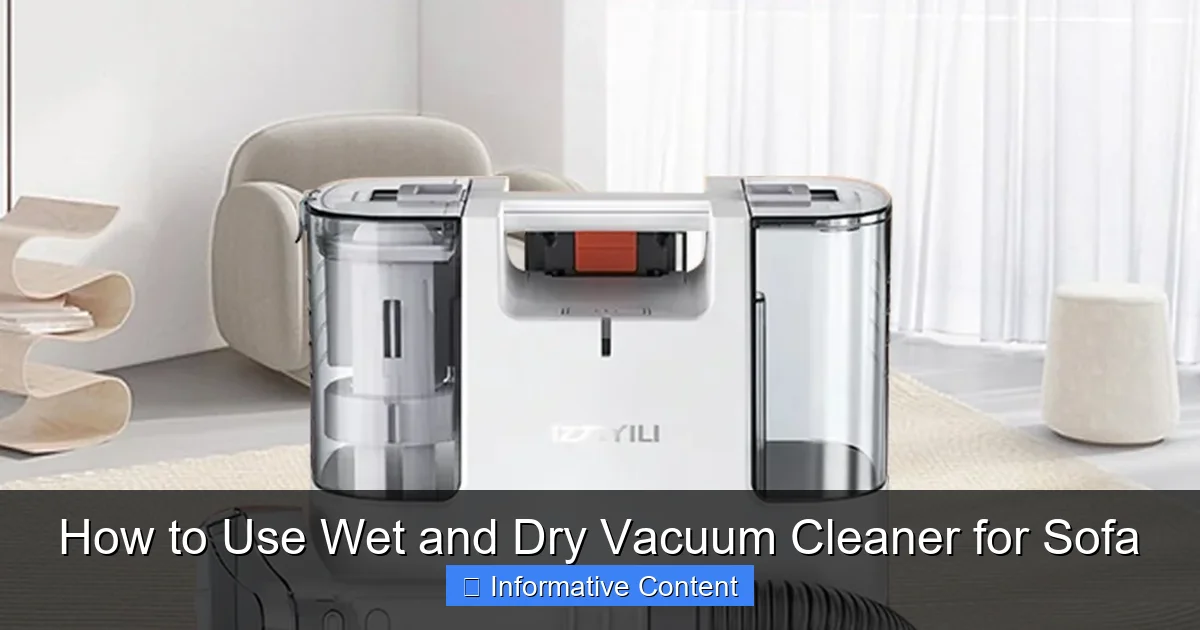
Visual guide about How to Use Wet and Dry Vacuum Cleaner for Sofa
Image source: down-ph.img.susercontent.com
Know Your Sofa Fabric
Before you even think about solutions or water, identify your sofa’s fabric type. Most sofas have a care tag, usually under a cushion, with cleaning codes:
- W: Water-based cleaning solutions are safe. This is ideal for wet and dry vacuum cleaning.
- S: Solvent-based cleaners only. Do NOT use water.
- WS: Both water-based and solvent-based cleaners are safe.
- X: Professional cleaning only. Neither water nor solvent should be used.
If your sofa is an ‘S’ or ‘X’ code, a wet and dry vacuum cleaner for sofa cleaning with water is not suitable, and you should seek professional help or specialized dry-cleaning methods. For ‘W’ or ‘WS’ codes, you’re good to proceed!
Patch Testing: Your Non-Negotiable Step
Even if your sofa is coded ‘W’ or ‘WS’, you absolutely must perform a patch test. Mix your chosen cleaning solution according to its instructions. Apply a small amount to an inconspicuous area of your sofa, like the back or under a cushion. Let it sit for a few minutes, then blot it with a clean white cloth. Check for any discoloration, shrinking, or damage to the fabric. If there are no adverse effects, you can proceed with confidence.
Clear the Area and Vacuum Dry First
Remove all cushions, throws, and anything else from your sofa. This gives you full access to every nook and cranny. Now, before any wet cleaning, give your sofa a thorough dry vacuuming. Use your upholstery tool for the main surfaces and the crevice tool for seams, crevices, and under cushions. This step is crucial for removing loose dirt, crumbs, pet hair, and dust. Skipping this can turn dry dirt into muddy paste once water is introduced, making your job harder and potentially spreading stains.
The Wet Cleaning Process: Deep Cleaning Your Sofa
Now that your sofa is prepped and ready, it’s time for the main event: the wet cleaning. This is where your wet and dry vacuum cleaner truly shines, extracting years of grime from your upholstery.
Choose the Right Cleaning Solution
For your wet and dry vacuum cleaner, you’ll need a suitable upholstery cleaning solution. Avoid harsh detergents or general household cleaners, as they can be too strong for delicate upholstery fabrics and leave behind sticky residues that attract more dirt. Look for solutions specifically designed for carpet and upholstery extractors, often low-foaming to prevent over-sudsing. Follow the dilution instructions carefully – more is not always better!
Filling the Tanks
Your wet and dry vacuum likely has a separate tank for the cleaning solution (the clean water tank) and a main collection tank for dirty water. Fill the clean water tank with your diluted cleaning solution. Ensure the main collection tank is empty and properly secured.
Applying the Solution and Extracting the Dirt
This is the core of how to use a wet and dry vacuum cleaner for sofa cleaning. Work in small sections, about 2×2 feet at a time. This allows you to manage the cleaning process effectively and prevents the solution from drying on the fabric before extraction.
- Spray: Hold the upholstery attachment a few inches from the fabric. Press the trigger to spray a light, even mist of cleaning solution onto the section. Don’t saturate the fabric; a light dampness is all you need.
- Agitate (Optional but Recommended): For heavily soiled areas or stubborn spots, gently agitate the fabric with a soft-bristled brush (like a dedicated upholstery brush) or a clean microfiber cloth. Be gentle to avoid damaging the fabric fibers.
- Extract: Immediately after spraying and optional agitation, release the spray trigger and firmly press the upholstery attachment onto the fabric. Drag it slowly and steadily towards you, applying consistent pressure. You should see the dirty water being sucked up into the collection tank. Make overlapping passes to ensure thorough extraction.
- Rinse Pass (Optional): For very dirty sofas or to ensure all cleaning solution residue is removed, you can do a second pass using only plain water in the solution tank. This acts as a rinse cycle, leaving the fabric even cleaner and preventing sticky residue.
Repeat this process section by section until you’ve cleaned the entire sofa. Pay extra attention to high-traffic areas like armrests and seat cushions. Remember to empty the dirty water tank as it fills up and refill the clean solution tank as needed. Seeing the dirty water being extracted is incredibly satisfying and shows just how much grime your wet and dry vacuum cleaner for sofa cleaning is tackling!
Tackling Stubborn Stains
For particularly stubborn stains, pre-treat them before the main wet cleaning. Apply a small amount of an appropriate stain remover (again, patch test first!) directly onto the stain and let it sit for a few minutes, following product instructions. Then, proceed with the wet extraction method over the pre-treated area. Be patient; some old stains might require multiple passes.
Drying and Finishing Touches: Ensuring Longevity
Once you’ve finished the wet cleaning, the job isn’t quite done. Proper drying is absolutely critical to prevent mold, mildew, and unpleasant odors. Rushing this step can undo all your hard work.
Efficient Drying is Key
The goal is to get your sofa as dry as possible, as quickly as possible. The better your wet and dry vacuum cleaner for sofa cleaning is at extraction, the faster your sofa will dry. However, additional steps are usually necessary.
Fan Power and Air Circulation
- Open Windows: Increase air circulation by opening windows and doors in the room.
- Use Fans: Position floor fans or oscillating fans to blow directly onto the cleaned sofa surfaces. This dramatically speeds up evaporation.
- Dehumidifier: If you live in a humid environment or it’s a particularly damp day, a dehumidifier can be immensely helpful in pulling moisture out of the air and the sofa.
Avoid sitting on or placing anything on the sofa until it is completely dry to the touch. This can take anywhere from a few hours to a full day, depending on humidity, air circulation, and how much moisture was applied. Periodically check for dampness by pressing a dry hand onto different parts of the sofa.
Final Dry Vacuuming
Once your sofa is thoroughly dry, give it one final dry vacuum. This helps to fluff up the fibers, remove any dried cleaning solution residue, and give it that fresh, plush feel. It’s a satisfying final touch to your deep cleaning efforts with your wet and dry vacuum cleaner for sofa care.
Protecting Your Clean Sofa
To keep your sofa cleaner for longer, consider applying a fabric protector spray once it’s completely dry. These sprays create a barrier that repels spills and makes future cleaning easier. Always patch test any protector spray first, just like your cleaning solution.
Common Mistakes to Avoid
Even with the best intentions, mistakes can happen. Being aware of these common pitfalls will help you achieve the best results when you use a wet and dry vacuum cleaner for sofa deep cleaning.
Over-wetting is Your Enemy
This is perhaps the most critical mistake. Saturating your sofa with too much water can lead to a host of problems:
- Mold and Mildew: Excess moisture trapped within the cushions and padding creates a perfect breeding ground for mold and mildew, leading to foul odors and potential health issues.
- Fabric Damage: Some fabrics can shrink, stretch, or become discolored if over-wet.
- Drying Time: An over-wet sofa will take an unacceptably long time to dry, increasing the risk of the issues above.
- Water Stains: As the water evaporates, it can wick up dirt from deep within the sofa, leaving new water rings or stains.
Always aim for a light, even mist and focus on immediate, thorough extraction.
Using the Wrong Cleaning Solution
As mentioned, using harsh chemicals, dish soap, or laundry detergent can be detrimental. These products often leave a sticky residue that attracts dirt faster, can bleach colors, or damage the fabric fibers. Always use a solution specifically formulated for upholstery extractors and follow dilution instructions.
Skipping Patch Testing
We can’t stress this enough. A quick patch test can save you from irreversible damage to your sofa. What works for one fabric might ruin another. Don’t skip this vital step!
Neglecting Regular Maintenance
Deep cleaning with a wet and dry vacuum cleaner for sofa care is fantastic, but it shouldn’t be a once-a-year event. Regular dry vacuuming (weekly or bi-weekly) and immediate spot cleaning of spills will significantly extend the life of your sofa and reduce the frequency of needing a full wet clean.
Conclusion
Giving your sofa a thorough deep clean with a wet and dry vacuum cleaner can be incredibly rewarding. It not only removes visible dirt and stains but also eliminates unseen allergens and odors, contributing to a healthier and more pleasant living environment. By following these steps – from careful preparation and precise cleaning techniques to crucial drying and avoiding common mistakes – you can confidently tackle the task and enjoy a revitalized, fresh-smelling sofa.
Remember, your sofa is a significant investment and a central piece of your home. Taking the time to care for it properly, especially by learning how to use a wet and dry vacuum cleaner for sofa maintenance effectively, will ensure it remains a comfortable and inviting spot for years to come. So, grab your vacuum, put on your cleaning gloves, and get ready to transform your living space!
Frequently Asked Questions
What kind of wet and dry vacuum cleaner is best for sofa cleaning?
Look for a model that comes with dedicated upholstery attachments and has good suction power for effective extraction. Compact, portable models can be easier to maneuver around furniture. Some larger models may require an additional upholstery attachment purchase.
How do I prevent my sofa from getting too wet during cleaning?
The key is to apply a light mist of solution, not saturate the fabric, and immediately follow with thorough extraction. Make slow, overlapping passes with the upholstery tool to pull out as much moisture as possible, and consider doing a dry suction pass after the wet pass.
Can a wet and dry vacuum remove pet odors from a sofa?
Yes, a wet and dry vacuum cleaner can significantly reduce and often eliminate pet odors by extracting the urine, dander, and other odor-causing substances embedded in the fabric. Use an enzymatic pet odor remover in conjunction with the wet cleaning for best results.
Is it safe to use a wet and dry vacuum on all sofa types?
No, it’s not safe for all sofa types. Always check your sofa’s care tag for the cleaning code (W, S, WS, X). A wet and dry vacuum cleaner is only suitable for ‘W’ or ‘WS’ coded fabrics. Never use it on ‘S’ or ‘X’ coded sofas, as it can cause irreversible damage.
What should I do if my wet and dry vacuum cleaner leaves water marks on the sofa?
Water marks often occur from over-wetting or incomplete drying. To fix this, lightly re-wet the affected area with plain water (using the vacuum’s spray function), and then thoroughly extract the moisture. Ensure robust air circulation with fans to dry the area completely and evenly.
Can a wet and dry vacuum cleaner damage sofa fabric?
A wet and dry vacuum cleaner can damage sofa fabric if used incorrectly, such as by over-wetting, using the wrong cleaning solution, or scrubbing too aggressively. Always follow fabric care codes, perform patch tests, use appropriate solutions, and be gentle during the cleaning process to prevent damage.