
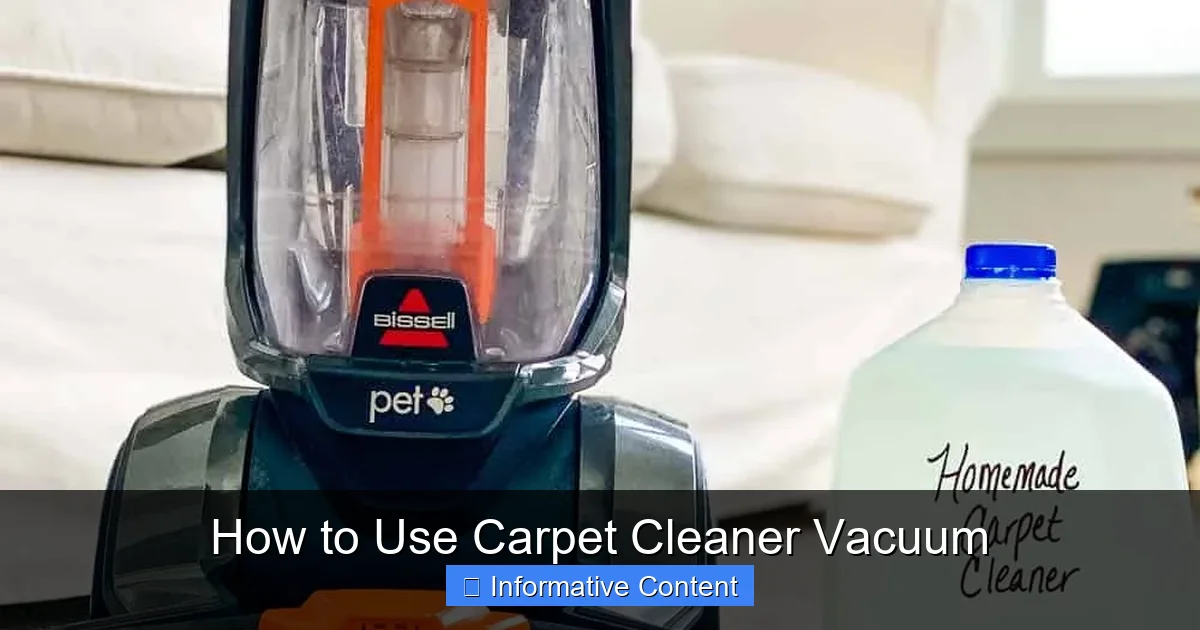
Transform your home with a clean carpet! Using a carpet cleaner vacuum might seem daunting, but it’s a straightforward process that yields amazing results. This guide will walk you through every step, from preparation to post-cleaning care, ensuring your carpets are spotless and fresh. Follow our tips to maintain your machine and achieve a truly deep clean.
There’s nothing quite like the feeling of fresh, clean carpet underfoot. But let’s be honest, life happens! Spills, pet accidents, tracked-in dirt, and everyday grime can leave your carpets looking dull and feeling less than inviting. Regular vacuuming is great for surface dirt, but it often isn’t enough to tackle the deep-seated muck that accumulates over time. That’s where a fantastic tool like the carpet cleaner vacuum comes into play!
A carpet cleaner vacuum isn’t just a fancy vacuum; it’s a powerful machine designed to inject a cleaning solution deep into your carpet fibers, agitate the dirt loose, and then suck it all back up, leaving your carpets refreshed and revitalized. It can remove stains, eliminate odors, and extend the life of your flooring. But if you’ve never used one before, the idea of operating such a powerful piece of equipment might feel a little intimidating. Don’t worry! This comprehensive guide is here to demystify the process and show you exactly how to use a carpet cleaner vacuum like a pro. Get ready to transform your living space!
Key Takeaways
- Preparation is Key: Always thoroughly dry vacuum your carpet and pre-treat stubborn stains before using your carpet cleaner vacuum for the best results.
- Follow Manufacturer Instructions: Adhere strictly to your carpet cleaner vacuum’s manual for assembling, mixing solutions, and operational specifics to prevent damage and ensure safety.
- Avoid Over-Wetting: Use slow, overlapping passes and focus on extracting moisture. Over-saturating your carpet can lead to longer drying times, mildew, and potential re-soiling issues.
- Proper Drying is Crucial: After cleaning, ensure ample ventilation and allow sufficient time for your carpets to dry completely to prevent mold growth and maintain freshness.
- Machine Maintenance Matters: Thoroughly clean and rinse your carpet cleaner vacuum’s tanks, brushes, and nozzles after each use to prolong its lifespan and prevent unpleasant odors.
- Test in an Inconspicuous Area: Always test cleaning solutions on a hidden patch of carpet first to check for colorfastness and any adverse reactions.
Quick Answers to Common Questions
How often should I use a carpet cleaner vacuum?
For average households, cleaning carpets every 6-12 months is usually sufficient. Homes with pets, children, or high traffic may benefit from more frequent cleaning, perhaps every 3-6 months.
Can I use my own cleaning solution in a carpet cleaner vacuum?
It’s highly recommended to use cleaning solutions specifically designed for your carpet cleaner vacuum model and carpet type. Generic household cleaners or harsh chemicals can damage your machine, carpet fibers, and may even void your warranty.
What if my carpet cleaner vacuum isn’t picking up much dirty water?
First, check if the dirty water tank is properly seated and sealed. Then, inspect the suction nozzle for clogs or blockages. Ensure you are making slow, deliberate extraction passes to give the machine enough time to pull up the water effectively.
How long does it take for carpets to dry after using a carpet cleaner vacuum?
Drying time typically ranges from 6 to 24 hours, depending on factors like humidity, carpet thickness, and the efficiency of your machine’s extraction. Proper ventilation with open windows and fans can significantly speed up the drying process.
Can I use a carpet cleaner vacuum on all types of carpets?
Most carpet cleaner vacuums are safe for synthetic carpets. However, wool, silk, or antique rugs may require professional cleaning or a specialized approach. Always consult your carpet manufacturer’s care guide and test a hidden area first.
📑 Table of Contents
Understanding Your Carpet Cleaner Vacuum
Before you dive into the cleaning process, it’s really helpful to understand what your carpet cleaner vacuum does and how it works. Knowing the basics will help you use it more effectively and get the best results for your carpets.
How It Works
Think of your carpet cleaner vacuum as a three-in-one marvel. First, it sprays a mixture of water and cleaning solution onto the carpet. Second, it often has rotating brushes that scrub the carpet fibers, loosening embedded dirt, grime, and stains. Finally, and this is where it differs significantly from a regular vacuum, it uses powerful suction to extract the dirty water and cleaning solution from the carpet. This process is often called “hot water extraction” or “steam cleaning” (though most home units use hot water, not actual steam).
This deep cleaning action is what makes a carpet cleaner vacuum so much more effective than a standard dry vacuum. A regular vacuum only picks up loose debris, while a carpet cleaner vacuum tackles the dirt that’s bonded to the carpet fibers.
Types and Features
Carpet cleaner vacuums come in various shapes and sizes, each with slightly different features. Understanding these can help you with operation and maintenance:
- Upright Models: These look similar to traditional upright vacuums and are great for whole-room cleaning. They usually have two separate tanks: one for clean water/solution and one for dirty water.
- Portable Spot Cleaners: Smaller, more compact units designed for quick clean-ups of spills and pet accidents. They often have smaller tanks and a handheld hose attachment.
- Tanks: Almost all models have two tanks. The “clean water tank” holds your fresh water and cleaning solution. The “dirty water tank” collects all the grime sucked up from your carpet. Keeping an eye on both tanks during use is crucial.
- Brush Rolls and Attachments: Many carpet cleaner vacuums feature powered brush rolls that agitate the carpet for deeper cleaning. They might also come with various attachments, like upholstery tools or crevice tools, for cleaning stairs, furniture, and tight spots.
Essential Supplies
To get started, you’ll need a few things beyond just your carpet cleaner vacuum:
- Approved Carpet Cleaning Solution: Always use a solution specifically designed for your carpet cleaner vacuum and your carpet type. Using the wrong solution can damage your machine or your carpet, and may even void your warranty.
- Hot Water: Most machines recommend using hot tap water (not boiling water, which can damage the machine or carpet fibers). Hot water helps activate the cleaning solution and improves cleaning effectiveness.
- Measuring Cups: For accurately mixing your cleaning solution.
- Defoamer (Optional): If you notice excessive suds building up in your dirty water tank, a defoamer can help. Some cleaning solutions are low-foaming, but it’s good to have on hand.
Pre-Cleaning Preparations: Setting the Stage for Success
The secret to a truly clean carpet often lies in the preparation. Don’t skip these vital steps! They make a huge difference in the final outcome and protect your carpet.
Visual guide about How to Use Carpet Cleaner Vacuum
Image source: i5.walmartimages.com
Clear the Area
This might seem obvious, but it’s often overlooked in the rush to clean. Move all furniture, small rugs, toys, and anything else that might obstruct your path. If you can’t move heavy furniture, place plastic wraps or aluminum foil under the legs to prevent moisture from wicking up and damaging the wood or metal, or leaving rust stains on your clean carpet.
Thoroughly Dry Vacuum
This is perhaps the most important pre-cleaning step when you use a carpet cleaner vacuum. Use your regular dry vacuum to thoroughly go over the entire area you plan to clean. Make multiple passes in different directions. This removes loose dirt, dust, pet hair, crumbs, and other dry debris. If you don’t do this, your carpet cleaner vacuum will simply be pushing wet mud around, making your job harder and less effective.
Spot Treat Stains
For tough, set-in stains, pre-treatment is your best friend. Apply a suitable carpet pre-treatment solution directly to the stains according to the product instructions. Let it sit for the recommended time (usually 5-15 minutes) to break down the stain. Remember to blot the stain, rather than rub it, to avoid spreading it further or damaging carpet fibers. Some carpet cleaner vacuums come with a special pre-treater spray attachment, which can be very handy.
Test a Hidden Area
Always, always, always test your cleaning solution on an inconspicuous spot of your carpet first. This could be in a closet, under a heavy piece of furniture, or in a corner that’s rarely seen. Apply a small amount of diluted solution, let it sit for a few minutes, then blot it with a white cloth. Check for any color bleeding or discoloration. If the color transfers to the cloth or the carpet looks damaged, do not use that solution on your entire carpet. It’s better to be safe than sorry!
Filling and Assembling Your Carpet Cleaner Vacuum
Now that your area is prepped and ready, it’s time to get your carpet cleaner vacuum ready for action. This involves mixing your solution and filling the tanks correctly.
Mix the Cleaning Solution
Carefully read the instructions on your carpet cleaning solution bottle and your carpet cleaner vacuum manual. They will tell you the correct dilution ratio. Do not guess or over-concentrate the solution, as this can leave a sticky residue on your carpet, attracting dirt faster, or even damage your machine. Use hot tap water (not boiling) as directed by the manufacturer, as it helps activate the cleaning agents.
Fill the Clean Water Tank
Locate the clean water tank on your carpet cleaner vacuum. Fill it with the accurately mixed solution. Make sure not to overfill it beyond the “max fill” line. Once filled, securely reattach the tank to the machine. A properly secured tank prevents leaks and ensures the machine functions correctly.
Prepare the Dirty Water Tank
Before you start, ensure the dirty water tank is completely empty and clean. This is crucial for efficient operation. If it’s already full from a previous use or has any lingering debris, empty and rinse it thoroughly. Then, securely place it back onto your carpet cleaner vacuum. You want to make sure it’s ready to collect all the grime you’re about to pull out of your carpet.
The Cleaning Process: Mastering the Technique
This is where the magic happens! Using the correct technique when you use a carpet cleaner vacuum is vital for deep cleaning without over-wetting your carpet.
Initial Pass: Spray and Wet
Start at one end of the room, preferably the furthest point from your exit. Turn on your carpet cleaner vacuum. For the initial pass, you’ll be spraying the cleaning solution onto the carpet. Most machines have a trigger or button for this. Slowly push the machine forward, holding down the spray trigger. The key here is to move at a steady, slow pace, allowing the solution to penetrate the carpet fibers. Overlap each pass by a few inches to ensure even coverage and avoid missing any spots. Don’t rush this step!
Scrubbing Action (If applicable)
Some carpet cleaner vacuums have an additional “scrub” setting or powerful brush rolls that automatically engage. For heavily soiled areas or set-in stains, you might make a second, slow pass over just these spots, holding the spray trigger down if needed, to allow the brushes to work the solution deeper. Remember, the goal is to loosen dirt, not to drench the carpet.
Extraction Passes: Removing Dirt and Moisture
This is arguably the most critical part. After you’ve applied the solution to a section, release the spray trigger and slowly pull the carpet cleaner vacuum backward over the same path. This is the extraction pass. Focus on hearing the powerful suction working. You’ll see the dirty water being pulled up into the dirty water tank. Make several dry passes (without spraying solution) over the same area until you see less dirty water being extracted and more bubbles, which indicates you’re primarily extracting water.
The goal is to remove as much moisture as possible. The drier your carpet is when you finish, the faster it will dry and the less likely it is to develop odors or mildew. Always overlap your passes slightly to ensure you cover every inch.
Tackling Stubborn Areas
For particularly stubborn stains or high-traffic areas, you might need to repeat the spray and extract process a few times. Don’t be afraid to use your machine’s attachments if they’re suitable for the job. Handheld tools are excellent for stairs, edges, and tight corners that the main unit can’t reach. Just remember to use the same slow, overlapping technique.
Emptying and Refilling Mid-Clean
Keep a close eye on both your clean and dirty water tanks. As you work, the clean water tank will empty, and the dirty water tank will fill up. It’s a good idea to empty the dirty tank when it’s about two-thirds full to prevent accidental spills or overflowing. Likewise, refill the clean water tank with fresh solution as needed. Don’t let the clean tank run completely dry, as this can affect the motor or pump on some carpet cleaner vacuums.
Post-Cleaning Care: Ensuring Longevity and Freshness
You’ve put in the hard work, now ensure your efforts last! Proper post-cleaning care is essential for your carpet and your carpet cleaner vacuum.
Allow for Proper Drying
This step is crucial. Your carpet needs to dry completely. Drying time can vary depending on humidity, carpet thickness, and how much moisture you extracted, but it typically takes 6-24 hours. To speed up the process:
- Increase Ventilation: Open windows and doors, or use ceiling fans and stand-alone fans to circulate air.
- Run a Dehumidifier: If you have one, a dehumidifier can significantly cut down drying time.
- Avoid Walking on Wet Carpet: Try to stay off the carpet until it’s completely dry. Walking on damp carpet can re-soil it quickly and flatten the fibers. If you must walk on it, wear clean, dry shoes or socks.
Prevent Re-soiling
Once your carpet is dry, be mindful of bringing furniture back. Ensure any furniture legs are completely dry or place furniture protectors (like plastic coasters) under them to prevent moisture transfer or rust stains. Consider using a carpet protector spray once dry, which can help repel future spills and dirt.
Empty and Clean Your Carpet Cleaner Vacuum
This step is non-negotiable! Immediately after you finish cleaning, empty the dirty water tank and rinse it thoroughly with clean water. You’ll be amazed (and probably a little disgusted!) by the color of the water. Rinse the clean water tank as well. Detach and rinse any removable brushes, nozzles, and filters to remove trapped hair and debris. Run clean water through the hose attachment if your machine has one. This prevents mildew growth, bad odors, and clogs, extending the life of your carpet cleaner vacuum. Allow all components to air dry completely before reassembling and storing the machine.
Tips for Best Results and Common Mistakes to Avoid
Even with a good guide, there are always little tricks and pitfalls to be aware of when you use a carpet cleaner vacuum.
Best Practices
- Clean Regularly: Don’t wait until your carpets are visibly filthy. Regular deep cleaning (every 6-12 months, or more often in high-traffic or pet-owner homes) will keep them looking their best and extend their life.
- Don’t Rush: Slow and steady wins the race. Moving too quickly means less solution penetration and less effective extraction.
- Use Approved Solutions: Stick to solutions recommended for your machine and carpet type.
- Check Filters: Some carpet cleaner vacuums have filters that need to be cleaned or replaced periodically. Consult your manual.
- Work in Sections: Don’t try to clean the entire room at once. Work in manageable sections, completing one area before moving to the next.
Common Mistakes to Avoid
- Over-Wetting the Carpet: This is the most common mistake. Too much moisture leads to longer drying times, potential for mildew, and can even damage the carpet backing. Focus on thorough extraction passes.
- Not Dry Vacuuming First: As mentioned, skipping this step means turning loose dirt into wet mud, making your carpet cleaner vacuum less effective.
- Using Too Much Cleaning Solution: More solution does not mean cleaner carpets. It often means more residue left behind, which can attract dirt faster and lead to re-soiling.
- Not Cleaning the Machine Afterward: This leads to foul odors, bacterial growth, and potential clogs or damage to your carpet cleaner vacuum.
- Walking on Wet Carpet: Avoid it at all costs! It undoes your hard work and can transfer dirt back into the fibers.
There you have it! Using a carpet cleaner vacuum might seem like a big job, but with a little preparation and the right technique, you can achieve professional-level results right in your own home. Imagine the satisfaction of seeing all that dirty water and knowing your carpets are truly clean!
Not only will your carpets look and smell better, but you’ll also create a healthier environment for your family and pets by removing allergens and pollutants. So, grab your machine, follow these steps, and get ready to enjoy beautifully refreshed carpets. Your home (and your feet) will thank you!
Frequently Asked Questions
Is a carpet cleaner vacuum the same as a steam cleaner?
While often used interchangeably, most home carpet cleaner vacuums use hot water extraction, not actual steam. They spray a hot water and solution mixture onto the carpet and then extract it. True steam cleaners use high-temperature steam to sanitize and clean, but typically don’t have the powerful extraction capabilities of a carpet cleaner vacuum.
Why is my carpet cleaner vacuum leaving streaks or residue?
Streaks or residue usually indicate too much cleaning solution was used, or not enough clear water extraction passes were made. Ensure you’re diluting the solution correctly and making multiple dry passes to fully rinse and extract all cleaning agents from the carpet fibers.
Can I use my carpet cleaner vacuum without cleaning solution, just water?
Yes, you can use plain hot water for rinsing, especially if you suspect there’s residue from a previous cleaning. However, for deep cleaning and stain removal, a proper cleaning solution designed for your carpet cleaner vacuum is necessary to break down dirt and odors effectively.
How do I prevent my carpet from getting too wet?
To prevent over-wetting, make slow, deliberate passes and focus on the extraction. Release the spray trigger and make several “dry” passes over the same area until very little water is being pulled up. Don’t drench the carpet; aim for a damp, not saturated, feel.
What should I do if my carpet cleaner vacuum starts to smell bad?
A bad smell usually means there’s old, dirty water or mildew growing inside the tanks or hoses. Immediately empty and thoroughly clean both tanks, rinse all removable parts, and flush the hose with clean water. Allow all components to air dry completely before storage to prevent future odors.
Is it necessary to vacuum the carpet before using the carpet cleaner vacuum?
Absolutely yes! Dry vacuuming beforehand is crucial. It removes loose dirt, dust, and debris that your carpet cleaner vacuum would otherwise turn into a muddy mess, making the deep cleaning process far less effective and potentially damaging your machine.