
Properly storing your vacuum cleaner is essential for keeping it in top condition, extending its lifespan, and maintaining a tidy home. This guide will walk you through the best practices for storing various types of vacuum cleaners, from uprights to robots, ensuring your cleaning companion is always ready for action and takes up minimal space.
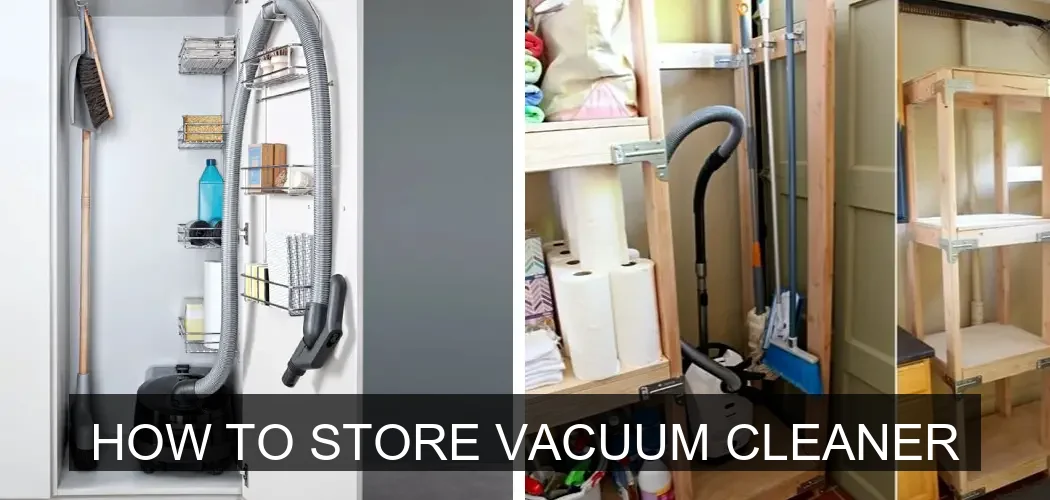
Image source: Indoorense
To properly store a vacuum cleaner, first ensure it’s clean and empty of debris, then carefully wrap its cord and gather all attachments. Choose a designated, dry, temperature-controlled spot away from direct sunlight and extreme cold. Utilize wall mounts for stick vacuums, dedicated cabinets for canisters, or simply stand upright models in a utility closet to optimize space and maintain functionality.
📋 Table of Contents
- 🔹 Introduction: Why Care About Vacuum Storage?
- 🔹 What Does “Storing a Vacuum Cleaner” Really Mean?
- 🔹 Why Proper Vacuum Cleaner Storage Matters
- 🔹 General Steps Before Storing Any Vacuum Cleaner
- 🔹 Specific Storage Methods for Different Vacuum Types
- 🔹 The Benefits of Smart Vacuum Storage
- 🔹 Common Mistakes to Avoid When Storing Your Vacuum
- 🔹 Practical Tips for Optimal Vacuum Storage
- 🔹 When Should You Be Mindful of Vacuum Storage?
- 🔹 Frequently Asked Questions About Vacuum Cleaner Storage
- 🔹 Conclusion
Introduction: Why Care About Vacuum Storage?
You probably use your vacuum cleaner pretty often. It’s a key player in keeping your home tidy and fresh. But have you ever thought about how you store it? It might seem like a small detail, but how to store a vacuum cleaner properly can actually make a big difference in its life and performance. Just tossing it in a closet or leaving it in a corner isn’t always the best plan.
In this guide, we’re going to dive deep into the best ways to store your vacuum. We’ll cover everything from simple clean-up steps before putting it away to specific tips for different types of vacuums. You’ll learn why good storage matters, common mistakes people make, and practical advice to help your vacuum last longer and work better. So, if you’re ready to treat your cleaning buddy right, let’s get started!
What Does “Storing a Vacuum Cleaner” Really Mean?
When we talk about storing a vacuum cleaner, it’s not just about finding a spot where it’s out of the way. It means putting it away in a manner that protects the machine, keeps it clean, maintains its functionality, and makes it easy to access for its next use. Essentially, it’s about thoughtful placement and preparation that supports the long-term health of your appliance.
This includes considerations like:
- Preparation: Cleaning the vacuum before storage.
- Location: Choosing an appropriate environment.
- Organization: Keeping cords and attachments neat.
- Protection: Shielding the vacuum from damage or elements.
It’s an active step, not a passive one, in appliance maintenance.
Why Proper Vacuum Cleaner Storage Matters
You might wonder, “Why put so much thought into storing a vacuum cleaner?” Well, it’s pretty important for a few key reasons:
- Preserves Functionality: Dust, debris, and tangled cords can hinder your vacuum’s performance over time. Proper storage keeps these issues at bay.
- Extends Lifespan: A vacuum that’s stored correctly is less likely to suffer from wear and tear, meaning you won’t have to replace it as often. It’s an investment in its longevity.
- Maintains Cleanliness: If your vacuum is full of dirt or has a dirty filter, storing it can spread allergens or odors. Cleaning it before storage ensures your home stays fresh.
- Saves Space and Reduces Clutter: A well-stored vacuum fits neatly into its designated spot, keeping your home organized and free from tripping hazards.
- Ensures Safety: Hoses and cords left sprawling can be a safety risk. Tucking them away prevents accidents.
Thinking about how to store your vacuum cleaner is really about caring for your investment and making your cleaning routine smoother.
General Steps Before Storing Any Vacuum Cleaner
Before you tuck away your vacuum, regardless of its type, there are a few essential steps you should always take. These quick actions will keep your machine hygienic, functional, and ready for its next cleaning task. Think of it as a mini-maintenance routine after each use.
- Empty the Dustbin or Change the Bag: This is a big one. Don’t store a vacuum with a full dustbin or bag. Not only does it make the vacuum heavier, but old dust and debris can lead to unpleasant odors, especially if stored for a while. Plus, a clean bin or fresh bag means maximum suction from the start next time.
- Clean or Tap Out Filters: Most vacuums have filters that collect fine dust. If your vacuum has washable filters, give them a quick rinse and ensure they’re completely dry before putting them back. For non-washable filters, gently tap them against a trash can to dislodge accumulated dust. A clogged filter reduces airflow and cleaning power.
- Wipe Down the Exterior: Grab a damp cloth and give the outside of your vacuum a quick wipe. This removes any surface dirt, pet hair, or smudges, keeping the machine looking good and preventing grime buildup.
- Check for Damage or Blockages: Briefly inspect the brush roll for tangled hair or string. Clear any blockages in the hose or attachments. Catching these issues early can prevent bigger problems down the line.
- Wrap Cords Neatly: Never just shove the power cord into a messy tangle. Loosely coil the cord and secure it using the built-in cord wraps if your vacuum has them. For cordless models, ensure they are either on their charging dock or the battery is managed as per manufacturer instructions for long-term storage (more on this later).
- Gather and Store Attachments: Attachments are easy to lose! Make sure all your brushes, crevice tools, and other accessories are accounted for. Many vacuums have onboard storage, but if yours doesn’t, consider a small bag or box nearby to keep them together.
Following these simple steps ensures that every time you pull out your vacuum, it’s in the best possible shape to tackle dirt.
Specific Storage Methods for Different Vacuum Types
While the pre-storage steps are universal, the actual physical act of how to store your vacuum cleaner depends a lot on its design. Different types of vacuums have different needs when it comes to finding their perfect home.
Upright Vacuum Cleaners
Upright vacuums are often the most straightforward to store because they’re designed to stand on their own. However, there are still best practices to consider for efficiency and longevity.
- Designated Closet Space: The most common spot is a utility closet, broom closet, or pantry. Make sure it’s wide enough for the vacuum to stand upright without being jammed.
- Wall Clearance: Avoid pushing the vacuum too tightly against a wall where its exhaust vents might be blocked. Give it a little breathing room.
- Corner Nook: If a closet isn’t available, a discreet corner in a laundry room, garage, or mudroom can work. Just ensure it’s out of the main traffic path.
- Attachments: Utilize any onboard attachment storage. If there isn’t any, a small basket or clear bag hung nearby can keep them organized.
Always ensure the cord is neatly wrapped around the built-in hooks to prevent tangling and damage.
Canister Vacuum Cleaners
Canister vacuums can be a bit trickier due to their separate hose, canister, and attachments. The goal is to keep everything together and compact.
- Coiling the Hose: This is key. Gently coil the hose and secure it. Some canisters have clips or straps to hold the hose against the body. Don’t kink or bend the hose sharply, as this can cause cracks over time.
- Storing the Wand/Powerhead: Many canister vacuums allow you to clip the wand and powerhead to the side of the canister, or they might have a slot for vertical storage.
- Dedicated Cabinet or Shelf: A deep cabinet in a utility room or a shelf in a garage is ideal. You want a space where the canister can sit flat and the hose can be coiled without feeling cramped.
- Attachment Organization: A small box or drawer specifically for canister attachments is a smart move, especially if they don’t have onboard storage.
The main challenge is preventing the hose from becoming a tangled mess, so deliberate coiling is crucial.
Stick Vacuum Cleaners
Stick vacuums, especially cordless ones, are celebrated for their slim design, making them relatively easy to store. Many come with dedicated storage solutions.
- Wall Mounts: Most cordless stick vacuums include a wall-mounted charging dock. This is often the best storage solution as it keeps the vacuum off the floor, charges the battery, and holds attachments. Install it in a convenient, out-of-the-way spot like a pantry, closet wall, or laundry room.
- Charging Considerations: If your stick vacuum charges on a dock, ensure the chosen location has an accessible power outlet. For long-term storage (e.g., several months), some manufacturers recommend storing the battery at a specific charge level (e.g., 50%) rather than fully charged or completely drained. Check your manual.
- Compact Spaces: If no wall mount is possible, stick vacuums can often stand upright in a narrow space, such as beside a refrigerator or inside a tall, slim cabinet.
Always prioritize using the wall mount if available, as it’s typically designed for optimal charging and space-saving.
Robot Vacuum Cleaners
Robot vacuums are perhaps the easiest to store because they largely store themselves!
- Charging Dock Location: The robot vacuum’s charging dock is its primary storage spot. Place it in an open area with good clearance around it (usually 1-3 feet on each side and in front), away from stairs, heat sources, and direct sunlight.
- Accessibility: Ensure the dock is easily accessible for the robot to return to and that the power cord isn’t a tripping hazard.
- Long-Term Storage: If you’re not going to use your robot vacuum for an extended period (weeks or months), ensure it’s fully charged, then turn it off or remove the battery if the manufacturer recommends it. Store it in a cool, dry place.
The key here is setting up the charging dock in an ideal location from the start.
Handheld Vacuum Cleaners
Handheld vacuums are small and convenient, making their storage relatively simple.
- Charging Bases/Wall Mounts: Many come with small charging bases that can sit on a countertop or be wall-mounted. This is ideal for keeping the battery topped up and the vacuum ready.
- Drawer or Cabinet Storage: If space is tight or you prefer it out of sight, a large kitchen drawer, utility cabinet, or even a pantry shelf can work. Just make sure it’s easily accessible.
- Attachment Pouch: Use a small fabric bag or a clear plastic container to keep any handheld vacuum attachments together with the unit.
The small size means they can often be stored close to where they’re most often used, like in a kitchen drawer for quick clean-ups.
The Benefits of Smart Vacuum Storage
Now that we’ve covered the “how-to,” let’s really nail down the “why” behind putting thought into how to store your vacuum cleaner. The advantages go beyond just tidiness.
- Longer Machine Life: This is a big one. Keeping your vacuum clean, cords untangled, and hoses unkinked reduces stress on its components. Extreme temperatures or damp environments can also degrade parts like motors and plastic. Proper storage protects these elements, helping your vacuum live a full, long life.
- Better Performance: A clean filter means strong suction. A clear brush roll means effective agitation. When you store your vacuum clean, it’s ready to perform at its peak the moment you switch it on. No more digging out old hair or noticing weird smells.
- Reduced Clutter: Let’s be honest, vacuums aren’t always the prettiest appliances. Tucking them away neatly reduces visual clutter, making your home feel calmer and more organized. Out of sight, out of mind, until you need it!
- Improved Air Quality: Storing a dirty vacuum can release dust, allergens, or even mold spores back into your environment. A clean vacuum stored properly keeps these contaminants contained.
- Enhanced Safety: A vacuum left lying around or with a loose cord is a tripping hazard. Storing it in a designated spot, especially with cords wrapped and attachments secured, prevents accidents for both people and pets.
- Easier Maintenance: When you regularly clean your vacuum before storage, you’re more likely to notice small issues, like a worn belt or a crack in the hose, before they become major problems.
Basically, smart storage is a form of preventative care that saves you time, money, and hassle in the long run.
Common Mistakes to Avoid When Storing Your Vacuum
Even with the best intentions, it’s easy to make a few slip-ups when storing your vacuum cleaner. Knowing these common errors can help you steer clear of them and keep your machine in tip-top shape.
- Leaving it Dirty or Full: This is perhaps the most frequent mistake. Storing a vacuum with a full dustbin, dirty filter, or tangled hair on the brush roll can lead to awful smells, reduced suction, and even attract pests. Always empty and clean it first!
- Storing in Extreme Temperatures: Avoid storing your vacuum in places that get very hot (like an unventilated garage in summer) or very cold (like an unheated shed in winter). Extreme temperatures can damage plastic components, electronics, and especially batteries in cordless models. A climate-controlled indoor space is always best.
- Improperly Wrapping Cords: Just stuffing the power cord into a ball or tightly wrapping it around the vacuum can cause the wires inside to fray and break over time. Always coil cords loosely and use the built-in cord wraps if available.
- Losing Attachments: Misplacing nozzles and brushes is frustrating. Don’t just leave attachments scattered or in random drawers. Utilize onboard storage, or keep them in a dedicated bag or box right next to the vacuum.
- Blocking Vents: When tucking a vacuum into a tight space, ensure that its motor vents aren’t blocked. Blocking these can lead to overheating if the vacuum is accidentally turned on or if residual heat needs to dissipate.
- Forgetting Battery Care for Cordless Vacuums: For long-term storage of cordless models, check your owner’s manual regarding battery charge levels. Often, storing a lithium-ion battery completely drained or constantly at 100% for extended periods isn’t ideal for its lifespan.
- Storing Hoses Kinked: For canister vacuums, kinking the hose can cause it to crack or tear, creating leaks that severely reduce suction power. Gently coil the hose.
- Exposing to Direct Sunlight: Over time, direct sunlight can fade the plastic colors of your vacuum and potentially degrade materials. Store it out of direct light.
By avoiding these common pitfalls, you’re actively contributing to the longevity and effectiveness of your cleaning appliance.
Practical Tips for Optimal Vacuum Storage
Beyond the basic steps, these practical tips can help you create the best possible storage solution for your vacuum cleaner, making it both accessible and protected.
- Designate a Spot: The best storage is consistent storage. Pick one spot for your vacuum cleaner and commit to putting it back there every time. This saves you from hunting for it and keeps your home tidier.
- Utilize Wall Mounts and Hooks: For stick vacuums, their wall mounts are a game-changer. For larger vacuums, consider heavy-duty utility hooks in a garage or closet for accessories or even the vacuum itself if it’s designed to hang. This frees up floor space.
- Use Baskets, Bins, or Labeled Bags for Attachments: If your vacuum doesn’t have good onboard storage for attachments, invest in a small, clear bin, a fabric basket, or even a labeled drawstring bag. Keep this container right with the vacuum so everything stays together.
- Perform Regular Pre-Storage Checks: Make a habit of doing the pre-storage cleaning (emptying, filter check, cord wrap) every single time you put your vacuum away, not just occasionally. Consistency is key to its longevity.
- Consider Climate Control: As mentioned, extreme temperatures are bad for vacuums. If possible, store your vacuum in a heated and cooled space. If a garage is your only option, try to pick a spot that’s somewhat insulated and out of direct sun.
- Clearance is Key: Ensure there’s enough room around your stored vacuum so that it doesn’t get knocked over or have its components squashed by other items.
- Keep Manual Accessible: It’s a good idea to keep your vacuum cleaner’s manual in an easily accessible place (like a drawer near the vacuum, or even a digital copy saved on your phone). It contains specific storage and maintenance advice for your model.
These small habits and organizational efforts can make a big difference in how efficiently and effectively your vacuum cleaner serves you.
When Should You Be Mindful of Vacuum Storage?
The concept of “how to store vacuum cleaner” isn’t just for when you’re packing it away for years. It’s a relevant consideration in various scenarios.
- After Every Use: Ideally, you should perform the basic pre-storage steps (emptying, wiping down, cord wrapping) after every single time you use your vacuum. This prevents dirt buildup and keeps it ready.
- Seasonal Storage: If you have a specific vacuum for, say, heavy garage clean-ups in the summer, and it sits unused for months in the winter, then more thorough cleaning and battery management (for cordless types) become critical.
- Moving Homes: When relocating, your vacuum cleaner needs to be properly prepared for transport. This means emptying, cleaning, securing all parts, and possibly even disassembling larger components to prevent damage during transit.
- Long-Term Non-Use: If you plan not to use your vacuum for an extended period (e.g., you’re going on a long trip, or you have multiple vacuums and one is temporarily retired), then deeper cleaning, battery removal (if applicable and recommended), and storing in an optimal environment are essential.
Essentially, whenever your vacuum isn’t actively cleaning, it should be in a state of ready, protected storage.
Frequently Asked Questions About Vacuum Cleaner Storage
How long can I store a vacuum cleaner without using it?
You can store a vacuum cleaner indefinitely, provided it’s prepared and stored correctly. The key is to ensure it’s clean, dry, and in a temperature-controlled environment. For cordless vacuums, follow the manufacturer’s guidelines for battery storage, which often involves storing the battery at a partial charge (around 50-70%) and removing it from the unit for very long periods.
Is it okay to store a vacuum in a garage?
Storing a vacuum in a garage is generally okay if the garage is relatively clean, dry, and not subject to extreme temperature fluctuations. Garages can often get very hot in summer and very cold in winter, which can damage plastic parts, electronics, and especially batteries. If your garage experiences extreme temperatures, an indoor utility closet or pantry would be a better choice.
Should I remove the battery before storing a cordless vacuum long-term?
For long-term storage (several weeks or months), it’s often recommended to remove the battery from a cordless vacuum, especially if it’s a lithium-ion battery. Most manufacturers also advise storing the battery at a partial charge (not fully charged or completely drained) to preserve its lifespan. Always consult your specific vacuum’s user manual for the most accurate long-term battery storage instructions.
What’s the best way to store vacuum attachments?
The best way to store vacuum attachments is to keep them with the vacuum cleaner itself. Many vacuums have onboard storage for attachments. If yours doesn’t, use a small, dedicated container like a clear plastic bin, a mesh bag, or a drawer that is located near where you store the vacuum. This ensures they are always accessible and don’t get lost.
Conclusion
So, there you have it! Taking a little extra time and thought about how to store your vacuum cleaner can really go a long way. It’s not just about decluttering your home, though that’s a nice bonus. It’s about protecting your investment, making sure your vacuum performs at its best, and extending its useful life.
By consistently following a few simple steps—cleaning it after each use, wrapping cords neatly, organizing attachments, and choosing an appropriate storage spot—you’ll keep your trusty cleaning companion in excellent condition. Whether you have an upright, canister, stick, robot, or handheld model, there’s a smart storage solution waiting for you. Treat your vacuum right, and it’ll keep your home sparkling for years to come!