
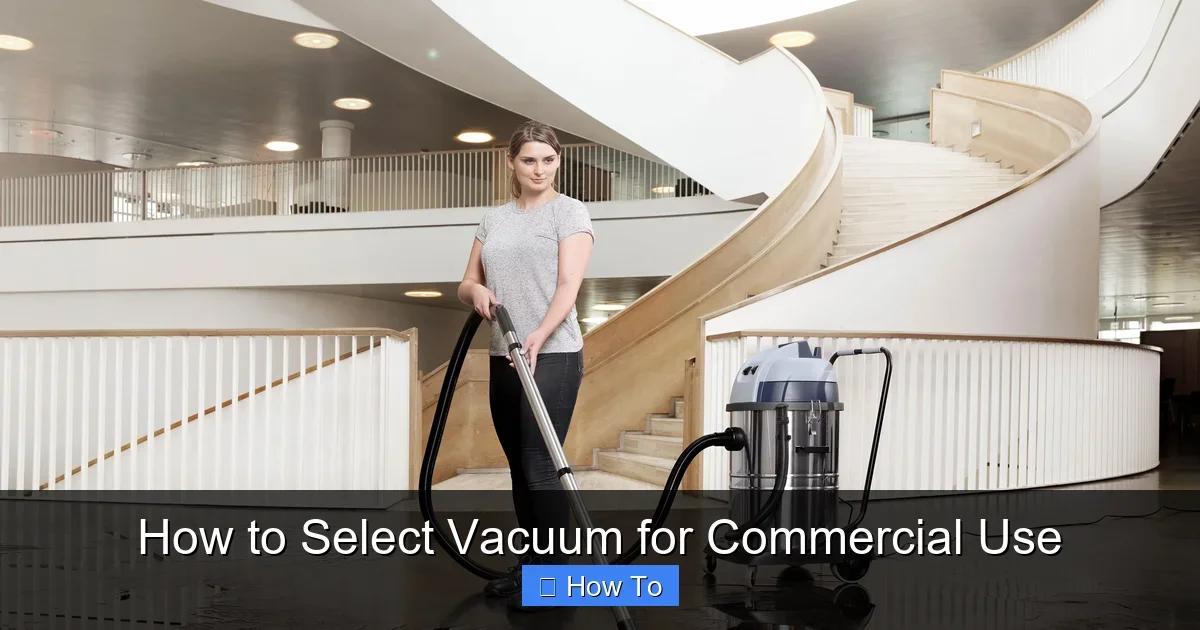
Featured image for How to Select Vacuum for Commercial Use
Image source: nilfisk.com
Selecting the right vacuum for commercial use can save time, money, and effort in high-traffic spaces like offices or hotels. This guide walks you through essential steps, from assessing needs to evaluating power and durability. Get expert tips to choose a reliable machine that handles tough jobs efficiently. (78 words)
How to Select Vacuum for Commercial Use
Hey there! If you’re running a busy office, hotel, restaurant, or shop, you know clean floors matter. But picking the right vacuum for commercial use isn’t like buying for home. It needs power, durability, and efficiency to handle heavy traffic and big spaces.
In this guide, you’ll learn how to select vacuum for commercial use step by step. We’ll cover needs assessment, types, key features, and more. By the end, you’ll confidently choose a machine that works hard for you. Let’s dive in!
Key Takeaways
- Assess your space first: Match vacuum type to floor types, area size, and debris for best results.
- Prioritize suction power: Look for at least 100-150 air watts for commercial dirt and dust.
- Choose durable builds: Metal components and commercial warranties ensure long-term use.
- Consider capacity: Larger canisters or bags reduce emptying time in big areas.
- Budget wisely: Factor in maintenance costs; mid-range models often offer best value.
- Test maneuverability: Lightweight designs with swivel heads ease use in crowded spaces.
- Read reviews: Real user feedback reveals reliability in commercial settings.
Quick Answers to Common Questions
Need quiet operation?
Choose models under 70 dB for customer-facing areas like lobbies.
Worried about power?
Test suction with heavy debris; aim for 100+ air watts.
Budget tight?
Mid-range $500-1,000 vacs offer best durability-value balance.
Big space?
Opt for backpack or wide-path for speed.
Allergies an issue?
Go HEPA-certified to trap fine particles.
Step 1: Assess Your Cleaning Needs
Start here. Every commercial space is different. Think about your floors, debris, and schedule.
Evaluate Floor Types
Carpet? Hardwood? Tile? Mixed? Commercial vacuums shine on specific surfaces. Upright models grip carpets well. Canister ones handle hard floors smoothly.
Measure Area Size
Small shop or large warehouse? For 5,000+ sq ft, go wide-path or backpack vacuums. They cover ground fast.
Identify Debris Types
Dust, pet hair, food scraps? Wet/dry vacs tackle liquids. HEPA filter vacs suit allergens in offices.
Tip: Make a checklist. Example: A hotel lobby needs quiet, powerful suction for daily grit.
Step 2: Explore Types of Commercial Vacuums
Not all vacuums are equal. Commercial ones come in styles built for pros.
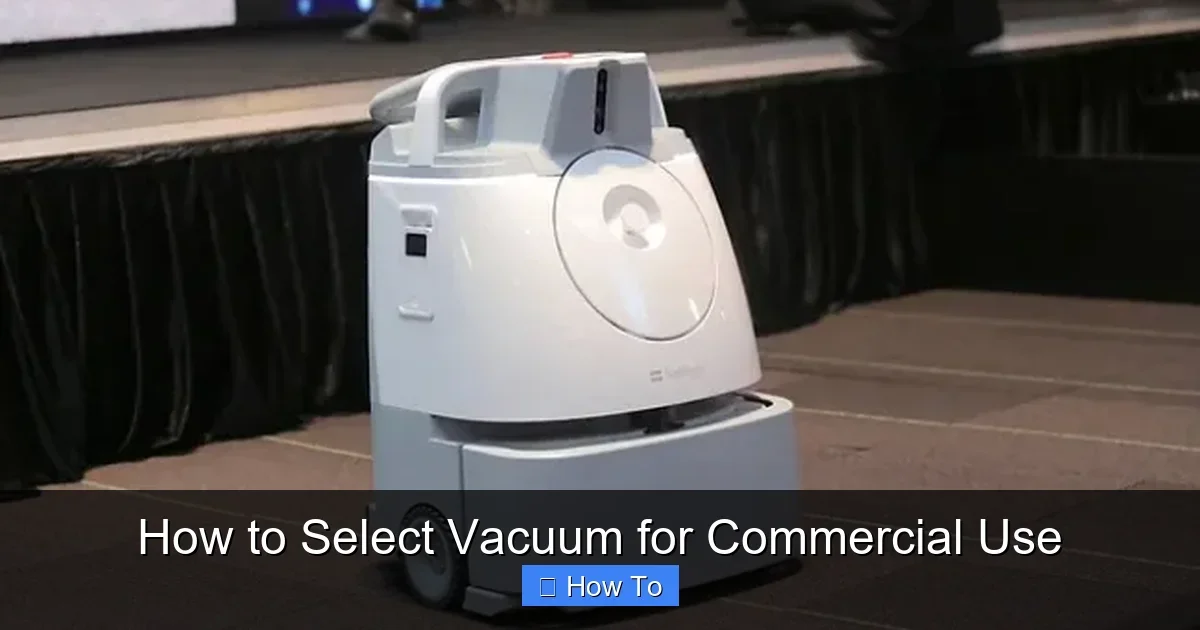
Visual guide about How to Select Vacuum for Commercial Use
Image source: automatedlifetech.com
Upright Vacuums
Great for carpets in offices. Wide cleaning paths speed up jobs. Look for self-propelled models to reduce strain.
Canister or Backpack Vacuums
Backpacks are stars for stairs and tight spots in hotels. Canisters offer flexibility with hoses.
Wet/Dry and Shop Vacuums
Perfect for garages or kitchens. They suck up spills and solids.
Robot Vacuums
Hands-off for large areas. Check our guide on how to choose a robot vacuum cleaner for smart picks.
Example: A restaurant might pair an upright for dining areas with a wet/dry for kitchens.
Step 3: Check Suction Power and Performance
Power is king in commercial settings. Weak suction means repeat passes.
Understand Air Watts and CFM
Aim for 100+ air watts. CFM (cubic feet per minute) over 100 ensures airflow. Learn more in our article on how much suction power is good for vacuum cleaner.
Filtration Systems
HEPA filters trap 99.97% of particles. Vital for hospitals or offices.
Practical Tip: Test in-store. Pick up sand or cereal to feel pull.
Step 4: Prioritize Capacity and Runtime
Big spaces mean big dirt. Don’t stop to empty often.
Bag vs. Bagless
Bags are cleaner for allergens. Bagless lets you see fill levels.
Dustbin and Cord Length
Seek 5+ gallon capacity. 40-50 ft cords cut outlet swaps.
For cordless, battery life over 30 minutes. Example: Warehouses love high-capacity backpacks.
Step 5: Focus on Durability and Build Quality
Commercial vacs take beatings. Cheap ones die fast.
Materials and Warranty
Metal wands and bumpers last. 3-5 year warranties signal quality.
Motor Strength
12+ amps for power. Check sealed systems for consistent suck.
Brands like ProTeam or Nilfisk build tough. Read how many watts a vacuum cleaner uses to gauge energy too.
Step 6: Ensure Maneuverability and Accessories
Easy to push? Good. Clunky ones slow staff.
Weight and Swivel Heads
Under 20 lbs for ease. Swivels turn corners quick.
Attachments Included
Crevice tools, upholstery brushes, extension wands. Essential for vents and furniture.
Example: Hotels need quiet modes under 70 dB.
Step 7: Set a Realistic Budget
Commercial vacs range $300-$3,000. Balance upfront cost with life.
Total Cost of Ownership
Factor bags, filters, repairs. Cheap models cost more long-term.
Where to Buy
Janitorial suppliers like Global Industrial. Online: Amazon or manufacturer sites.
Tip: Rent first to test. Saves regrets.
Step 8: Research Reviews and Brands
Don’t guess. See what pros say.
Top Commercial Brands
- ProTeam: Lightweight backpacks.
- Hoover Commercial: Affordable power.
- Sanitaire: Carpet champs.
- Dyson or Shark: For modern cordless.
Read User Feedback
Focus on commercial reviews. Amazon, YouTube demos help.
Troubleshooting Common Selection Mistakes
Even pros slip. Avoid these.
Overlooking Noise Levels
Loud vacs disrupt customers. Pick low-decibel.
Ignoring Maintenance Ease
Hard-to-empty? Staff skips it. Choose simple designs.
Skipping Power Checks
Low amps fail on thick carpets. Always verify specs.
If issues arise post-buy, simple fixes like belt changes keep it running. (See maintenance guides for details.)
Conclusion
There you have it! Now you know how to select vacuum for commercial use. Start with needs, match types, check power, and build quality. Invest smart for clean, happy spaces.
Your business deserves top performance. Pick right, and watch efficiency soar. Got questions? Drop a comment. Happy cleaning!
(Word count: 1628)
🎥 Related Video: Vacuum cleaner buying mistakes to avoid
📺 The Grapevine