When it’s time to replace your old vacuum cleaner, getting rid of the outdated model isn’t always as simple as tossing it in the trash. The best way to get rid of an old vacuum cleaner involves understanding local regulations for e-waste, exploring donation or repurposing options, and utilizing specialized recycling programs to ensure it’s handled safely and minimizes environmental impact.
Saying goodbye to an old vacuum cleaner doesn’t have to be a mystery. This comprehensive guide walks you through responsible disposal options, from preparing your vacuum and exploring donation or recycling avenues to understanding e-waste and avoiding common mistakes, ensuring you make an environmentally friendly choice.
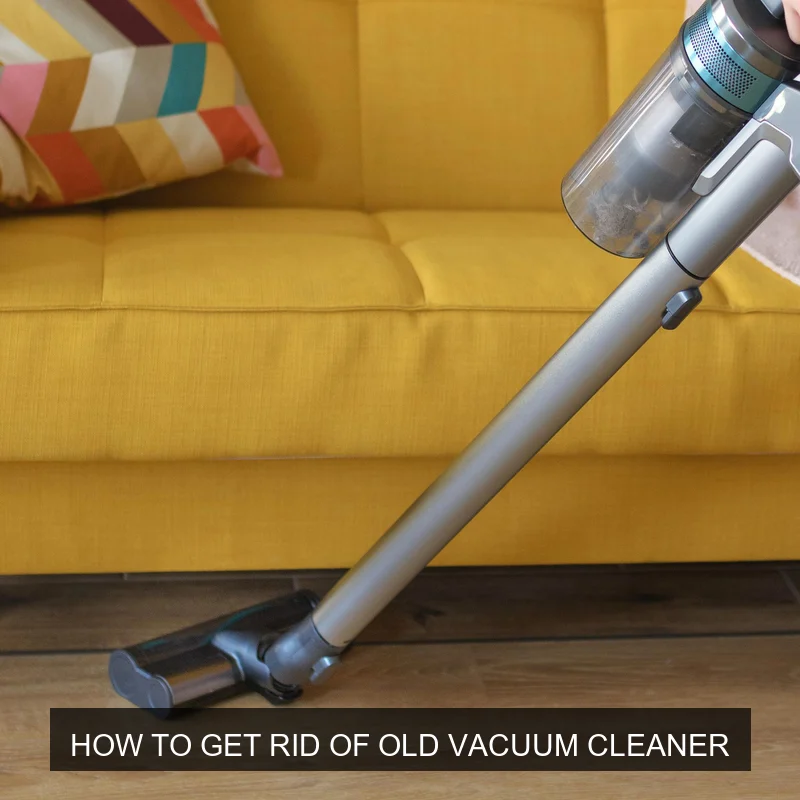
Image source: Akamaized
📋 Table of Contents
- 🔹 Introduction: Understanding Your Options for Old Vacuums
- 🔹 Why Getting Rid of an Old Vacuum Cleaner Responsibly Matters
- 🔹 Preparing Your Vacuum Cleaner for Disposal
- 🔹 How to Get Rid of an Old Vacuum Cleaner: Practical Methods
- 🔹 What is E-Waste and Why Are Vacuums Part of It?
- 🔹 Common Mistakes to Avoid When Disposing of a Vacuum
- 🔹 Tips and Best Practices for Vacuum Disposal
- 🔹 Real-Life Scenarios: Choosing the Right Disposal Method
- 🔹 Frequently Asked Questions About Vacuum Cleaner Disposal
- 🔹 Conclusion: Making Responsible Choices for Your Old Vacuum
Introduction: Understanding Your Options for Old Vacuums
Eventually, every appliance reaches the end of its life. For vacuum cleaners, this moment might come after years of loyal service, or maybe your cleaning needs have simply changed. When you find yourself with an old vacuum cleaner you no longer need, it’s natural to wonder how to get rid of it properly. You want to clear space, but you also want to do it in a way that’s good for the environment and follows local rules.
This guide is here to help you navigate those choices. We’ll explore various options, from giving your vacuum a second life to ensuring its components are recycled correctly. Our goal is to make the process clear and straightforward, helping you make an informed decision for your specific situation.
Why Getting Rid of an Old Vacuum Cleaner Responsibly Matters
You might be thinking, “It’s just an old vacuum, why does it matter how I throw it out?” Well, it matters quite a bit! Proper disposal isn’t just about following rules; it’s about making a positive impact on our planet.
- Environmental Impact: Many vacuums contain plastics, metals, and sometimes even hazardous materials like lead or mercury (especially in older models or certain components). When these end up in a landfill, they can leak toxins into the soil and water over time.
- Resource Conservation: The materials used to make your vacuum – think steel, aluminum, copper, and various plastics – are valuable. Recycling these materials means we don’t have to mine or produce as many new ones, saving energy and natural resources.
- Safety: Improper disposal can sometimes pose a risk. For instance, if a battery-powered cordless vacuum is simply thrown out, its lithium-ion battery could potentially cause a fire in a landfill or waste facility. Knowing how to get rid of old vacuum cleaner batteries is crucial.
By taking a little extra effort, you’re contributing to a healthier environment and promoting a more sustainable approach to consumption.
Preparing Your Vacuum Cleaner for Disposal
Before you get rid of your old vacuum cleaner, a little preparation goes a long way. This step ensures that whatever method you choose, it’s done safely and effectively.
- Empty and Clean It: This might seem obvious, but always empty the dirt bag or canister. Remove any blockages from hoses and brushes. Give the exterior a quick wipe down. This makes it more appealing for donation or easier for recycling facilities to process.
- Remove the Battery (If Applicable): If you have a cordless vacuum, it likely has a removable battery pack. Lithium-ion batteries should almost always be recycled separately, as they are considered hazardous waste and can be a fire risk if not handled properly. Check for a battery recycling symbol or look up specific instructions for your model.
- Detach Accessories: Take off any detachable hoses, wands, or specialty tools. These might be reusable even if the main unit is not, or they could be made of different materials that require separate recycling.
- Cut the Cord (Optional, for Safety): If you’re sending a corded vacuum to a landfill or general waste, some people choose to cut the power cord. This prevents anyone from trying to plug in a potentially faulty appliance, though it’s less critical for recycling where safety checks are part of the process.
Taking these small steps makes a big difference in the efficiency and safety of the disposal process.
How to Get Rid of an Old Vacuum Cleaner: Practical Methods
Now that your vacuum is prepped, let’s explore the various ways you can get rid of an old vacuum cleaner. You’ve got several good options, depending on the vacuum’s condition and where you live.
Donating or Repurposing
If your vacuum cleaner still works or only needs minor repairs, donation or repurposing is often the best choice. It gives the appliance a second life and helps someone in need.
- Charities and Thrift Stores: Many charitable organizations, like Goodwill or Habitat for Humanity ReStore, accept working appliances. They’ll clean it up, make small repairs if needed, and sell it at a low cost, giving it a new home. Always call ahead to confirm they accept vacuum cleaners.
- Community Groups or Schools: Sometimes, local community centers, schools, or even theater groups might need a functional vacuum. They often operate on tight budgets and appreciate donations.
- Giving to Friends or Family: If you know someone just starting out or who needs a spare, offering your old vacuum is a simple way to get rid of it responsibly.
- Creative Repurposing: Even a non-working vacuum can have parts salvaged. The motor might be useful for hobbyists, the hose could be used for crafts, or the casing for an art project. While not common for entire vacuums, individual components might find new life.
Recycling and E-Waste Programs
For vacuums that are truly at the end of their life, recycling is the most environmentally sound option. This is especially true for models with electronic components, which fall under the category of “e-waste.”
- Local Recycling Centers: Many municipalities have dedicated recycling centers that accept electronics and small appliances. Visit your city or county waste management website to find the nearest facility and check their specific guidelines for vacuum cleaners. They might ask you to separate certain parts.
- E-Waste Collection Events: Keep an eye out for special e-waste collection events in your community. These are often organized a few times a year and provide a convenient way to drop off various electronics, including vacuums.
- Manufacturer Take-Back Programs: Some vacuum cleaner brands offer their own recycling programs, sometimes called “take-back” initiatives. They might have drop-off locations or even mail-in options. Check the manufacturer’s website for details.
- Retailer Recycling Programs: Certain electronics retailers, especially those selling new vacuums, might accept old ones for recycling. This is less common for vacuums than for phones or computers, but it’s worth asking if you’re buying a new one from a large chain.
- Scrap Metal Yards: If your vacuum is mostly metal and you’re comfortable disassembling it, a local scrap metal yard might accept the metal components. Be aware that they usually won’t take the plastic or electronic parts.
Always confirm the specific items accepted and any preparation required before heading to a recycling facility.
Landfill and Curbside Pickup (As a Last Resort)
If donation or recycling isn’t an option in your area, or if the vacuum is completely broken and beyond repair, landfill disposal might be your only choice. However, it should truly be a last resort after exploring other avenues.
- Check Local Regulations: Even for landfill disposal, your city or town might have specific rules for bulky items or electronics. Some areas prohibit electronics from being thrown in regular trash due to e-waste laws.
- Bulky Item Pickup: Many communities offer special curbside pickup for large or bulky items that don’t fit in standard trash bins. You usually need to schedule this service in advance and there might be a small fee.
- Regular Trash (If Permitted): If all other options are exhausted and local regulations allow it, you might be able to place a small, completely non-functional vacuum in your regular trash. Again, ensure batteries are removed if applicable.
Remember, prioritizing reuse and recycling helps reduce waste and conserves valuable resources. Landfilling should be considered only when no other environmentally friendly disposal method is available.
Selling or Giving Away for Parts
Sometimes, even a non-working vacuum has valuable components. If you’re handy, or if you think others might be, selling or giving away parts is a niche but viable option.
- Online Marketplaces: Platforms like Craigslist, Facebook Marketplace, or local online forums can be great places to list an old vacuum “for parts” or “for repair.” Someone might be looking for a specific motor, a working hose, or a power switch from your model.
- Local Repair Shops: Small appliance repair shops sometimes keep non-working vacuums for spare parts. It’s worth a quick call to see if they’d be interested.
This method gives individual components a chance at a second life, preventing them from ending up in a landfill.
What is E-Waste and Why Are Vacuums Part of It?
You’ve heard the term “e-waste” quite a bit when talking about how to get rid of old vacuum cleaner. But what exactly does it mean, and why are vacuums included?
E-waste, short for electronic waste, refers to discarded electrical or electronic devices. It covers a huge range of items, from smartphones and computers to refrigerators and, yes, vacuum cleaners.
Here’s why vacuums are considered e-waste:
- Electrical Components: Vacuums use electricity to power their motors, which create the suction. This involves internal wiring, circuit boards (especially in modern robotic or smart vacuums), switches, and sometimes digital displays.
- Hazardous Materials: While not as prevalent as in older, larger electronics, vacuums can contain small amounts of materials like lead in solder, cadmium in switches, or flame retardants in plastics. Newer models often have rechargeable batteries (lithium-ion), which are definitely e-waste and require special handling.
- Recyclable Materials: Beyond potential hazards, vacuums are rich in valuable recyclable materials like various metals (copper from wires, steel from casings) and different types of plastics.
The problem with e-waste is that if it’s not processed correctly, these materials can pollute the environment and harm human health. That’s why dedicated e-waste recycling programs exist – they’re designed to safely extract valuable components and manage hazardous ones.
Common Mistakes to Avoid When Disposing of a Vacuum
It’s easy to make a mistake when getting rid of an old appliance, especially if you’re not aware of the best practices. Here are a few common pitfalls to steer clear of when it comes to your old vacuum cleaner:
- Just Tossing It in the Regular Trash: This is probably the biggest mistake. As we’ve discussed, vacuums contain components that shouldn’t end up in a landfill. Many cities also have rules against it.
- Not Checking Local Regulations: Waste disposal rules vary greatly from one town or county to another. What’s acceptable in one place might be illegal in another. Always do a quick online search for your local waste management services.
- Forgetting to Remove Batteries: Cordless vacuum batteries are a fire hazard if punctured or damaged in a landfill or garbage truck. Always remove them and recycle them separately.
- Leaving Dirt or Debris Inside: A dirty vacuum is less likely to be accepted for donation or even for some recycling programs. It’s also unpleasant for waste handlers. A quick clean-out is a courtesy.
- Assuming All Parts Are Recyclable Together: Sometimes, the main unit is recyclable, but a specific type of plastic hose or brush might not be accepted at the same facility. Or, parts like filters might need to be removed first.
Avoiding these simple mistakes helps ensure your vacuum is disposed of responsibly and efficiently.
Tips and Best Practices for Vacuum Disposal
To make the process of getting rid of an old vacuum cleaner as smooth and responsible as possible, keep these tips in mind:
- Always Start with Your Local Government Website: Your city or county’s waste management or public works department website is the ultimate authority on local disposal rules. Look for sections on “bulky item disposal,” “e-waste recycling,” or “household hazardous waste.”
- Prioritize the “Three Rs”: Reduce, Reuse, Recycle:
- Reduce: Can you repair your current vacuum instead of replacing it?
- Reuse: Is it in good enough condition for donation or giving away?
- Recycle: If not, can its components be recovered?
Landfill should always be the last option.
- Consider the Vacuum’s Condition: A perfectly working vacuum should absolutely be donated or sold. A totally broken one that’s beyond repair is a candidate for recycling. Knowing the condition helps you pick the right path.
- Look for Community Events: E-waste or hazardous waste collection events are convenient and often free. Mark your calendar when you see them advertised.
- Be Patient: Finding the right disposal method might take a little research or waiting for a specific collection day. Planning ahead helps.
By following these best practices, you’ll be a pro at vacuum cleaner disposal in no time!
Real-Life Scenarios: Choosing the Right Disposal Method
Let’s look at a few common situations to illustrate how you might decide how to get rid of old vacuum cleaner models.
Scenario 1: Your vacuum works perfectly, but you’ve upgraded to a newer model.
Action: This is a prime candidate for donation or selling. Clean it thoroughly, make sure all attachments are present, and offer it to a local charity, a friend, or list it online. Someone will be thrilled to give it a second life.
Scenario 2: Your old vacuum doesn’t turn on, and a repair person said it’s not worth fixing.
Action: This vacuum is likely destined for recycling. Remove the battery if it’s a cordless model. Then, find your nearest e-waste recycling center or wait for a community e-waste collection event. Avoid putting it in regular trash.
Scenario 3: You live in a very rural area with limited recycling options, and the vacuum is completely broken.
Action: First, double-check your local municipality’s website for any information on disposal, even if it’s just for bulky items. If there are truly no e-waste options within a reasonable distance, and local rules permit it, then scheduling a bulky item pickup for landfill disposal might be the only practical choice. Remember to remove any batteries first.
Scenario 4: Your vacuum cleaner is old, but one part (like the motor) is still functional, while another (like the hose) is completely broken.
Action: You could consider disassembly for parts. If you’re mechanically inclined, you might be able to salvage the motor for a hobby project. Alternatively, you could list the vacuum “for parts” on an online marketplace. The remaining broken pieces would then go to e-waste recycling or landfill, depending on local rules.
Frequently Asked Questions About Vacuum Cleaner Disposal
Is it safe to put a vacuum cleaner in regular trash?
Generally, no. Most modern vacuum cleaners contain electronic components and various materials (plastics, metals, sometimes batteries) that are better off recycled. Many municipalities prohibit electronics (e-waste) from regular trash due to environmental concerns. Always check your local waste management guidelines first.
Can I recycle vacuum cleaner parts separately?
Yes, often you can. If you’re comfortable disassembling your vacuum, you can separate materials like metal (which can go to a scrap yard), plastic components (if accepted by local recycling, though this varies), and especially batteries, which should almost always be recycled separately. This helps streamline the recycling process.
Do appliance stores take old vacuums?
Some large appliance or electronics retailers might offer take-back or recycling programs, especially if you’re purchasing a new vacuum from them. This isn’t universally true, so it’s always best to call the specific store and ask about their policy before you go.
How do I know if my vacuum is considered e-waste?
If your vacuum plugs into an outlet or uses a battery, it contains electrical components and is generally considered e-waste. This includes traditional uprights, canister vacuums, stick vacuums, handheld models, and especially robotic vacuums. The presence of a motor and wiring usually qualifies it.
What about robotic vacuums? Are they different?
Robotic vacuums are definitely e-waste and often require even more careful disposal because they contain more sophisticated electronics and, crucially, large rechargeable lithium-ion batteries. Always remove the battery if possible and recycle it separately. The main unit should go to an e-waste recycling facility.
Conclusion: Making Responsible Choices for Your Old Vacuum
Getting rid of an old vacuum cleaner doesn’t have to be a chore filled with confusion. By taking a few moments to understand your options, you can make a choice that benefits both your home and the environment. Whether your vacuum is destined for a second life through donation, or its materials are recovered through a responsible recycling program, every effort counts.
Remember to always check your local waste management resources first, prepare your vacuum by cleaning it and removing batteries, and prioritize methods that keep waste out of landfills. Making these small, informed decisions collectively leads to a much bigger positive impact. So, go ahead and clear out that old vacuum with confidence, knowing you’ve done it the right way!