
Disposing of an old vacuum cleaner properly involves more than just tossing it in the trash. You’ll want to explore options like repair, donation, or recycling to minimize environmental impact and recover valuable materials. Understanding local regulations and separating components, especially batteries, is key to responsible disposal.
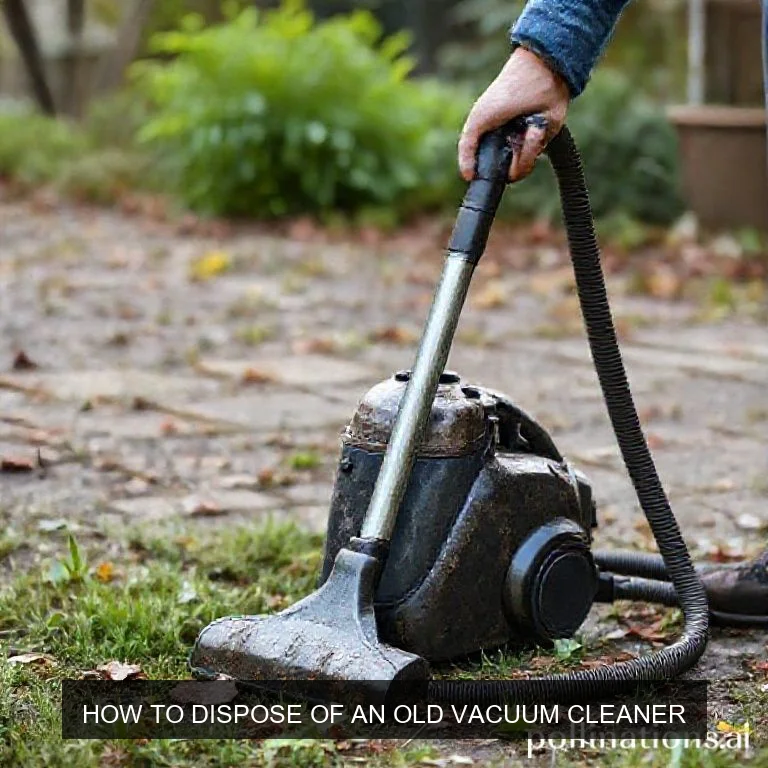
Image source: Pollinations
📋 Table of Contents
- 🔹 Introduction: What to Do with Your Old Vacuum
- 🔹 What is Proper Vacuum Cleaner Disposal?
- 🔹 Why Proper Disposal of Old Vacuum Cleaners is Important
- 🔹 How to Dispose of an Old Vacuum Cleaner: A Step-by-Step Guide
- 🔹 Benefits of Responsible Vacuum Cleaner Disposal
- 🔹 Common Mistakes to Avoid When Disposing of a Vacuum
- 🔹 Practical Tips for Eco-Friendly Disposal
- 🔹 Frequently Asked Questions (FAQ)
- 🔹 Conclusion
Introduction: What to Do with Your Old Vacuum
Eventually, every household appliance reaches the end of its working life. For a vacuum cleaner, this often means it loses suction, develops strange noises, or simply breaks down beyond repair. When this happens, a common question pops up: “how do I dispose of an old vacuum cleaner?” It might seem like a simple task, but handling electronic waste responsibly is actually really important for our environment.
This guide will walk you through the best ways to get rid of your old vacuum, covering everything from trying to fix it to recycling its components. We’ll explore why proper disposal matters and help you make an eco-conscious choice.
What is Proper Vacuum Cleaner Disposal?
Proper vacuum cleaner disposal means finding an environmentally sound and legal method to get rid of your old unit. It’s about more than just throwing it in the regular trash. Vacuum cleaners are considered electronic waste, or e-waste, because they contain various materials like plastics, metals, circuit boards, and sometimes batteries, many of which can be recycled or are potentially hazardous if sent to a landfill.
Instead of contributing to landfills, responsible disposal aims to recover valuable materials, prevent toxic substances from leaching into the environment, and even give working units a second life through donation. This approach supports a circular economy, where resources are reused and waste is minimized.
Why Proper Disposal of Old Vacuum Cleaners is Important
You might wonder why you can’t just toss your old vacuum into the garbage bin. There are a few really good reasons why a little extra effort for proper disposal makes a big difference:
- Environmental Impact: Landfills are already overflowing. When electronics like vacuum cleaners end up there, they take up valuable space. Worse, some components can break down and release harmful chemicals into the soil and groundwater, affecting ecosystems and even our drinking water.
- Resource Recovery: Vacuum cleaners contain precious metals (like copper in wires), reusable plastics, and other materials that can be extracted and used to make new products. Recycling these components saves energy and reduces the need to mine for new raw materials.
- Preventing Pollution: Batteries, especially lithium-ion ones found in cordless vacuums, are considered hazardous waste. If they’re punctured or damaged in a landfill, they can leak dangerous chemicals or even cause fires. Proper disposal ensures these are handled safely.
- Supporting Sustainability: By choosing to recycle or donate, you’re participating in a more sustainable approach to consumption. You’re helping to keep waste out of landfills and supporting programs that reuse or repurpose items.
So, making a conscious choice about how to dispose of an old vacuum cleaner isn’t just a chore; it’s a small but significant step towards a healthier planet.
How to Dispose of an Old Vacuum Cleaner: A Step-by-Step Guide
Getting rid of an old vacuum cleaner doesn’t have to be complicated. Here’s a clear guide to help you choose the best method for your situation.
Step 1: Consider Repair or Repurposing First
Before you even think about disposal, ask yourself: can it be fixed? Sometimes, a simple repair can extend your vacuum’s life by years. Check for common issues like clogged hoses, broken belts, or full bags/canisters. Many parts are replaceable. You might find repair shops locally or even DIY guides online. If it’s still working but you’re upgrading, maybe a friend or family member could use it?
- Check for simple fixes: Is the bag full? Is something stuck in the hose?
- Look up common repairs: Belts, filters, and brushes are often replaceable.
- Consider a professional repair: Get an estimate before deciding to replace it.
- Repurpose parts: If completely broken, some parts like hoses or attachments might be useful for other household tasks.
Step 2: Explore Donation Options for Working Vacuums
If your vacuum cleaner is still in good working condition, but you no longer need it, donation is a fantastic option. It gives your old appliance a second life and helps someone else out. This is a truly eco-friendly way to dispose of an old vacuum cleaner that still has use left.
- Charity Shops: Organizations like Goodwill, Salvation Army, or local thrift stores often accept working vacuum cleaners. It’s a good idea to call ahead to confirm their specific donation policies and ensure your vacuum is clean and functional.
- Community Centers & Shelters: Some community centers or homeless shelters might be in need of working appliances.
- Online Marketplaces: Websites like Freecycle, Craigslist, or local social media groups allow you to offer items for free to people in your area. This is great for direct reuse.
Remember to clean your vacuum thoroughly before donating it. Empty the bag or canister, wipe down surfaces, and make sure it’s presentable.
Step 3: Investigate Local Recycling Programs (E-Waste)
When repair or donation isn’t an option because your vacuum is truly broken, recycling is the next best choice. Vacuum cleaners fall under the category of e-waste (electronic waste), and many communities have specific programs for handling these items.
Here’s how to find recycling options:
- Local Waste Management Website: Start by visiting your city or county’s waste management department website. They often have a dedicated section for e-waste disposal or household hazardous waste collection events.
- Electronics Recycling Centers: Many areas have specialized recycling centers that accept electronics. A quick online search for “e-waste recycling near me” or “vacuum cleaner recycling” can help.
- Retailer Take-Back Programs: Some electronics retailers offer take-back or recycling programs for old appliances, sometimes even for brands they don’t sell. It’s worth checking with major stores in your area.
- Manufacturer Programs: Occasionally, vacuum cleaner manufacturers offer their own recycling initiatives. Check their websites for details.
Before recycling, you might need to prepare your vacuum:
- Empty Contents: Remove all dust, dirt, and debris from bags or canisters.
- Separate Components: Some recycling centers might ask you to remove specific parts, like batteries or power cords, which may be recycled separately.
Here’s a quick look at typical components and how they’re handled:
| Component | Typical Material | Disposal Recommendation |
|---|---|---|
| Main Body (Casing) | Plastic | E-waste recycling, possibly separate plastic recycling if accepted. |
| Motor & Wiring | Metals (copper, steel), electronic components | E-waste recycling (valuable metals can be recovered). |
| Power Cord | Rubber, copper wire | E-waste recycling, sometimes accepted with scrap metal or specific wire recycling. |
| Batteries (Cordless Models) | Lithium-ion, NiCad, etc. | Hazardous waste! Separate collection points, often at hardware stores or recycling centers. |
| Dust Bags/Canisters & Filters | Paper, fabric, plastic | Regular trash once emptied, unless specifically noted by local recycling. |
Step 4: Understand General Waste Disposal as a Last Resort
If you’ve exhausted all other options – repair, donation, and recycling – and your local waste management specifically states that small appliances can go into general waste, then this might be your last resort. However, it’s really important to confirm this with your local authority first, as rules vary widely by location.
Before placing it in the trash:
- Remove Batteries: Always remove any batteries, especially lithium-ion ones, as these are almost universally considered hazardous waste and require separate disposal (see Step 5).
- Empty Completely: Ensure all dust, debris, and bags are removed.
- Check for Size Restrictions: Some municipalities have limits on the size of items allowed in regular trash collection.
Always prioritize repair, donation, or recycling over general waste disposal to minimize environmental impact.
Step 5: Safely Handle Specific Components (Batteries, Cords, Filters)
Certain parts of your vacuum cleaner need special attention, even if the rest goes to recycling or donation.
- Batteries: This is arguably the most critical component for safe disposal, especially for cordless vacuums. Most rechargeable batteries (lithium-ion, nickel-cadmium, nickel-metal hydride) should never be thrown in the regular trash. They contain hazardous materials and can even pose a fire risk. Look for battery recycling drop-off points at major retailers (like hardware stores or electronics stores), designated e-waste events, or specialized battery recycling programs.
- Power Cords: These often contain copper and can sometimes be recycled with scrap metal or through e-waste programs. Check your local recycling guidelines.
- Dust Bags and Filters: Once emptied, dust bags and disposable filters typically go into your regular household trash. They are usually made of paper or fabric and contain organic matter, so they aren’t recyclable in most standard programs. Reusable filters should be cleaned according to manufacturer instructions.
Taking these extra steps ensures that all parts of your old vacuum cleaner are handled as responsibly as possible.
Benefits of Responsible Vacuum Cleaner Disposal
Choosing to properly dispose of an old vacuum cleaner offers several positive outcomes beyond just clearing space in your closet:
- Environmental Protection: You’re directly contributing to reducing landfill waste and preventing harmful chemicals from polluting our planet.
- Resource Conservation: Recycling allows valuable raw materials like plastics and metals to be reused, lessening the demand for new resource extraction and the energy required for it.
- Community Support: Donating a working vacuum cleaner can significantly help individuals or families in need, or support local charities.
- Energy Savings: Producing goods from recycled materials often uses less energy than creating them from virgin raw materials.
- Compliance with Regulations: Many areas have regulations against disposing of e-waste in general trash. Following proper procedures helps you stay compliant.
Common Mistakes to Avoid When Disposing of a Vacuum
While the process is straightforward, it’s easy to make a few common missteps. Knowing these can help you avoid them:
- Throwing it in the Regular Trash: This is the biggest mistake. As discussed, vacuums are e-waste and contain components that shouldn’t go to landfills.
- Not Removing Batteries: Failing to remove and separately dispose of batteries from cordless vacuums can be dangerous and harmful to the environment.
- Donating a Non-Working Vacuum: Donating a broken appliance creates extra work and cost for the charity, who then have to dispose of it themselves. Always test it first!
- Assuming All Recycling Centers are the Same: Different centers accept different items. Always call ahead or check their website to confirm they accept vacuum cleaners or specific components.
- Not Cleaning It Before Donation/Recycling: A vacuum full of dust and debris isn’t pleasant for anyone handling it later. Empty and wipe it down.
Practical Tips for Eco-Friendly Disposal
To make the process even smoother and more environmentally friendly, keep these tips in mind:
- Call Ahead: Always call your chosen recycling center or donation facility before you go. Policies can change, and they might have specific drop-off instructions or hours.
- Clean It Out: Empty the dust bag or canister completely. Wipe down the exterior. This makes it more appealing for donation and easier for recyclers.
- Separate Parts if Requested: Some facilities might prefer cords or batteries to be removed. Ask when you call.
- Keep Documentation: If you’re dropping off at a special e-waste event, they might ask for proof of residency.
- Consider a “Buy Back” Program: When buying a new vacuum, ask the retailer if they have a program to take back your old one. Some manufacturers and retailers offer this service.
- Storage Solution: If immediate disposal isn’t possible, find a dry, safe place to store the old vacuum temporarily, especially if it has a battery.
Frequently Asked Questions (FAQ)
What’s the best way to recycle a vacuum cleaner?
The best way to recycle a vacuum cleaner is to find a local e-waste recycling center or attend a municipal household hazardous waste collection event. These facilities are equipped to separate and process the various materials, like plastics, metals, and electronics, that make up a vacuum cleaner, ensuring they are properly recycled and don’t end up in a landfill.
Can I put an old vacuum cleaner in my regular trash?
In most places, you should not put an old vacuum cleaner in your regular trash. Vacuum cleaners are considered e-waste and contain components that can be harmful to the environment or are valuable for recycling. Always check with your local waste management services for specific rules, but typically, they require special disposal.
Are vacuum cleaner batteries hazardous waste?
Yes, batteries, especially rechargeable lithium-ion batteries found in cordless vacuum cleaners, are considered hazardous waste. They should always be removed from the vacuum and recycled separately at designated battery collection points or e-waste facilities to prevent environmental contamination and potential fire hazards.
When should I consider repairing instead of disposing?
You should consider repairing your vacuum cleaner if the issue is minor, like a clogged hose, a broken belt, or a faulty switch. If the repair cost is significantly less than buying a new unit, or if the vacuum is relatively new, a repair is often the more eco-friendly and economical choice. Many common vacuum problems have simple DIY fixes or are inexpensive for a professional to repair.
Where can I donate a working vacuum cleaner?
You can donate a working vacuum cleaner to local charity shops like Goodwill or the Salvation Army, community centers, or homeless shelters. Some online platforms like Freecycle or local social media groups also allow you to offer working items for free. Always call ahead to confirm the organization accepts working small appliances and their specific donation requirements.
Conclusion
Disposing of an old vacuum cleaner responsibly is a simple yet impactful way to contribute to environmental protection and resource conservation. Remember to always prioritize repair or donation if your vacuum is still functional. If it’s truly beyond its useful life, seeking out local e-waste recycling programs is the next best step, and always remember to handle batteries separately and safely.
By taking a moment to choose the right disposal method, you’re not just clearing out old clutter; you’re making a conscious choice to reduce waste, recover valuable materials, and support a healthier planet. So, next time you’re faced with an old vacuum, you’ll know exactly how to dispose of an old vacuum cleaner with confidence and care.