Learning how to dispose of a vacuum cleaner properly is super important for our planet. This guide breaks down all the best ways to get rid of your old vacuum, whether it’s still working or completely broken. We’ll explore everything from eco-friendly recycling to donation options, making sure your old appliance doesn’t just end up in a landfill.
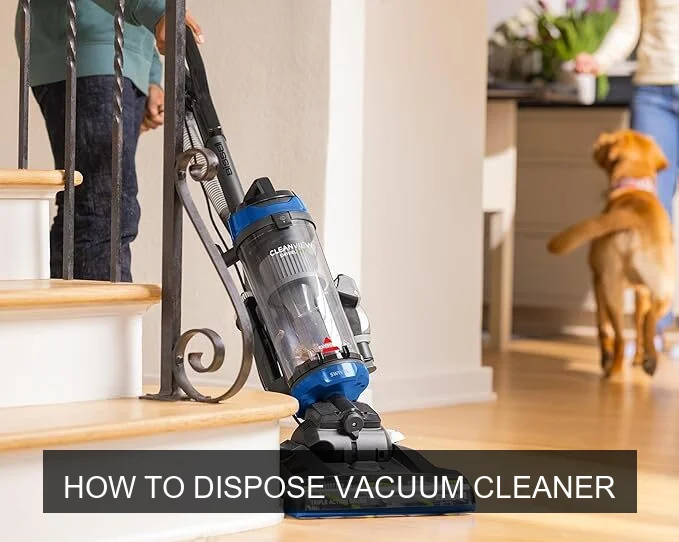
Image source: Vacuumguides
📋 Table of Contents
- 🔹 Understanding Vacuum Cleaner Disposal
- 🔹 Why Proper Disposal Matters
- 🔹 Preparing Your Vacuum Cleaner for Disposal
- 🔹 The Best Ways to Dispose of a Vacuum Cleaner
- 🔹 Common Mistakes to Avoid
- 🔹 Tips for Eco-Friendly Disposal
- 🔹 Disposing of Different Vacuum Cleaner Types
- 🔹 Frequently Asked Questions (FAQ)
- 🔹 Conclusion
To dispose of a vacuum cleaner, first empty its dustbin or bag and clean any reusable filters. If it’s still working, consider donating it to a charity or reselling it. For non-working units, the best approach is often electronic waste (e-waste) recycling, which recovers valuable materials and prevents harmful components from entering landfills. Local municipal services may also offer special collections for bulky items or e-waste events.
Eventually, every vacuum cleaner reaches the end of its useful life. When that happens, knowing how to dispose of a vacuum cleaner correctly can feel a bit confusing. You might wonder if you can just toss it in the regular trash, or if there’s a more responsible way. The good news is, there are indeed better options than landfilling, and understanding them helps both your community and the environment. This guide will walk you through the process, making it simple to make the right choice for your old vacuum cleaner.
Understanding Vacuum Cleaner Disposal
What exactly is a vacuum cleaner when it comes to disposal? Well, it’s more than just plastic and a motor. It’s often considered a type of electronic waste, or “e-waste,” because it contains electronic components, wiring, and sometimes even batteries. This classification is super important because e-waste shouldn’t just go into your everyday garbage bin.
What is E-Waste?
E-waste refers to discarded electrical or electronic devices. Think about items like old computers, phones, televisions, and yes, even many small household appliances like vacuum cleaners. These items contain a mix of valuable materials like metals (copper, aluminum) and plastics, but also potentially hazardous substances such as lead, mercury, and cadmium. Proper e-waste disposal aims to recover the good stuff and safely manage the bad stuff.
When you learn how to dispose of a vacuum cleaner, you’re essentially learning how to handle a common type of e-waste. This means traditional garbage disposal isn’t the ideal solution, and in many places, it’s actually against the rules.
Why Proper Vacuum Cleaner Disposal Matters
You might be thinking, “It’s just one vacuum, what’s the big deal?” But when millions of people dispose of their vacuum cleaners, it adds up quickly. Properly disposing of your vacuum cleaner has several key benefits that reach far beyond your own home.
Reducing Environmental Impact
When vacuum cleaners end up in landfills, their components can break down over time. The plastics might never fully degrade, and the hazardous materials can leach into the soil and groundwater, polluting ecosystems and potentially affecting human health. Recycling e-waste keeps these harmful substances contained and out of the environment.
Resource Recovery and Conservation
Modern vacuums use a lot of different materials. Many of these, like steel, aluminum, copper, and various plastics, are valuable resources. When you recycle your vacuum, these materials can be extracted and reused to make new products. This reduces the need to mine for new raw materials, saving energy, reducing pollution from manufacturing, and conserving natural resources. It’s a classic example of a circular economy in action.
Legal and Ethical Responsibility
In many regions, there are laws and regulations specifically for e-waste disposal. Tossing electronics in the regular trash can lead to fines for individuals and increased costs for municipalities. Beyond the legal aspect, it’s simply the responsible thing to do. We all play a part in managing waste and protecting our planet for future generations.
Preparing Your Vacuum Cleaner for Disposal
Before you take your old vacuum anywhere, there are a few important steps to make sure it’s ready. These steps are pretty easy and help ensure safe and efficient disposal.
Empty and Clean It Out
This might seem obvious, but it’s crucial. Remove the dustbin or bag and empty all dirt, dust, and debris into your regular trash. If your vacuum uses washable filters, clean those as well. You wouldn’t want to send a dusty, dirty appliance to a recycling center or, even worse, donate it in that state!
- Bagged Vacuums: Remove the full bag and seal it before placing it in the trash.
- Bagless Vacuums: Empty the dirt cup thoroughly. Rinse if possible and let it dry completely.
Remove Batteries (If Applicable)
If you have a cordless or handheld vacuum, it likely contains a lithium-ion battery. These batteries should often be removed if possible and recycled separately, as they require specific handling and can pose a fire risk if damaged. Check your vacuum’s manual for instructions on battery removal. If you can’t remove it, don’t worry too much; many e-waste facilities are equipped to handle integrated batteries, but it’s good to be aware.
Detach Any Removable Accessories
Hoses, brushes, wands, and other attachments might be made of different materials than the main vacuum body. Sometimes, these can be recycled separately with plastics, or you might even keep them if they’re still compatible with a new vacuum you plan to get. If they’re clearly part of the vacuum and you’re getting rid of everything, they can usually stay with the main unit for e-waste recycling.
The Best Ways to Dispose of a Vacuum Cleaner
Now that your vacuum is prepped, let’s explore the best options for getting rid of it responsibly. There’s usually an option that works well for everyone.
Option 1: Donation and Resale (If Working)
If your vacuum cleaner is still in good working condition and you’re just upgrading, why not let someone else benefit from it? This is often the most eco-friendly option as it extends the product’s life.
- Charity Shops: Organizations like Goodwill or Salvation Army often accept working small appliances. Call ahead to confirm their current policies.
- Local Shelters: Women’s shelters or homeless shelters might be in need of working household items.
- Online Marketplaces: Websites like Facebook Marketplace or Craigslist are great for selling or even giving away items locally. You might get a little cash for it, or simply the satisfaction of helping someone out.
- Appliance Repair Shops: Some shops might accept working or partially working vacuums for parts or refurbishment.
What to check before donating: Make sure it powers on, has no major damage, and includes all essential parts like the dustbin, filters, and main attachments. A quick clean-up helps too!
Option 2: Electronics Recycling (E-Waste)
For vacuums that are broken, outdated, or just not suitable for donation, e-waste recycling is your go-to. This is the primary method for how to dispose of a vacuum cleaner that’s reached its true end-of-life.
- Local Recycling Centers: Many cities and counties have dedicated e-waste recycling facilities or drop-off points. A quick search online for “e-waste recycling near me” or “vacuum cleaner recycling” usually points you in the right direction.
- Special Collection Events: Your local municipality might host periodic “Household Hazardous Waste” or “E-Waste Collection” events. These are perfect opportunities to drop off larger items.
- Retailer Take-Back Programs: Some electronics retailers or even vacuum cleaner brands offer take-back programs, especially when you’re buying a new appliance from them. Check with the store where you’re buying your replacement.
- Waste Management Services: Some private waste management companies offer e-waste collection services, sometimes for a small fee.
How it works: At an e-waste facility, vacuums are typically dismantled. Plastics, metals, and other components are separated, processed, and then sent to manufacturers to be reused in new products. Hazardous materials are handled safely.
Option 3: Curbside Collection Programs
Depending on where you live, your local waste management service might offer curbside pickup for bulky items or e-waste. This varies a lot by location, so it’s essential to check with your specific municipal waste department.
- Schedule a Pickup: You often need to schedule these pickups in advance and might have specific instructions on where to place the item.
- Fees: Some areas offer this service for free, while others charge a small fee per item.
Don’t just leave it by the curb without checking the rules! An improperly placed vacuum could be left behind or even result in a fine.
Option 4: Scrap Metal Yards
While less common for a full vacuum cleaner, if you’re handy and can dismantle your vacuum into its raw components, a scrap metal yard might accept the metal parts. This is usually more effort than it’s worth for just one vacuum, but it’s an option for those interested in maximizing recycling efforts for the metal components. Ensure you separate non-metal parts like plastic casings and rubber hoses first.
Common Mistakes to Avoid When Disposing of a Vacuum Cleaner
It’s easy to make a quick decision when getting rid of something, but avoiding these common pitfalls will help you dispose of your vacuum cleaner in the best way possible.
Mistake 1: Tossing it in the Regular Trash
This is probably the biggest mistake people make. As we talked about, vacuum cleaners are typically considered e-waste. Throwing them in the general trash means they’ll end up in a landfill, where valuable materials are lost and potentially harmful substances can leak into the environment. Always aim for recycling or donation first.
Mistake 2: Not Emptying the Dustbin or Bag
Imagine a recycling center employee opening up a dirty, dusty vacuum. Not only is it unpleasant, but it can also make the recycling process less efficient. Always empty your vacuum cleaner completely before handing it over for disposal or donation. It’s a simple courtesy that makes a big difference.
Mistake 3: Ignoring Integrated Batteries
For cordless or robot vacuums, neglecting the battery can be a problem. Lithium-ion batteries, if damaged, can be a fire hazard. If your vacuum allows for easy battery removal, it’s often best to take it out and recycle it separately at a battery recycling drop-off point. If removal is difficult, ensure the entire unit goes to a specialized e-waste facility that can handle integrated batteries safely.
Mistake 4: Assuming All Recycling Centers are the Same
Not every recycling center accepts all types of e-waste. Some might specialize in larger appliances, while others focus on smaller electronics. Always call ahead or check the facility’s website to confirm they accept vacuum cleaners specifically. This saves you a wasted trip!
Tips for Eco-Friendly Vacuum Cleaner Disposal
Beyond just following the rules, there are extra steps you can take to be even more environmentally conscious when getting rid of your old vacuum.
Repair Before Replacing
Before you even think about how to dispose of a vacuum cleaner, ask yourself if it can be fixed! Often, a simple part replacement or a minor repair can extend your vacuum’s life by years. This is the ultimate form of eco-friendliness because it avoids creating waste in the first place.
- Check online for troubleshooting guides or repair videos.
- Contact a local appliance repair shop.
- Look for replacement parts from the manufacturer.
Check Manufacturer Information
Some vacuum cleaner manufacturers have their own recycling or take-back programs. They might also offer specific instructions for disposing of their products. It’s always worth a quick look at their website or customer service page.
Separate Components (If You’re Ambitious)
If you’re comfortable and know what you’re doing, you could potentially disassemble your vacuum cleaner to separate materials like metals, different types of plastic, and wires. This can make the recycling process more efficient, though it’s certainly not required for most people. Always prioritize safety if attempting this.
Disposing of Different Vacuum Cleaner Types
While the general rules for how to dispose of a vacuum cleaner apply across the board, there are minor considerations for different styles.
Upright and Canister Vacuums
These are your traditional, larger vacuums. They usually contain more plastic and metal components.
Disposal Considerations:
- Ensure the dust bag is removed or the canister is emptied.
- Cords should be wrapped neatly.
- These are prime candidates for e-waste recycling due to their size and material composition.
- Check local bulky item collection services.
Handheld and Cordless Vacuums
These smaller, portable units often rely on rechargeable batteries.
Disposal Considerations:
- Batteries are Key: As mentioned, try to remove the battery if possible and recycle it separately. If not, ensure the entire unit goes to an e-waste facility that handles integrated batteries.
- Empty the small dustbin.
- Many smaller electronics recycling bins will accept these.
Robot Vacuums (e.g., Roombas)
Robot vacuums are advanced pieces of electronics with complex circuit boards and integrated batteries.
Disposal Considerations:
- Definite E-Waste: These absolutely fall under e-waste regulations. Never put them in the regular trash.
- Remove the dustbin and clean any brushes.
- Look for specialized e-waste collection points that specifically mention small appliances or complex electronics.
- Like handhelds, internal batteries are a primary concern for safe disposal.
Shop Vacs and Heavy-Duty Vacuums
These are larger, more robust units, often used in workshops or for wet/dry applications.
Disposal Considerations:
- Thorough Cleaning: Make sure they are completely empty and dry, especially if they’ve been used for wet cleanups. Any residues could be problematic.
- Due to their size, they might require a special bulky item pickup or a trip to a larger e-waste facility that handles appliances.
- Metal components may be more prevalent; good for e-waste recycling.
Frequently Asked Questions (FAQ)
What exactly is e-waste when it comes to vacuum cleaners?
E-waste, or electronic waste, refers to discarded electrical or electronic devices. Vacuum cleaners are considered e-waste because they contain electronic components like motors, circuit boards, wiring, and sometimes batteries, alongside plastics and metals. These components require special handling to recover valuable materials and safely manage any hazardous substances.
Can I put a vacuum cleaner in my regular household trash?
Generally, no, you shouldn’t put a vacuum cleaner in your regular household trash. Most municipalities have regulations against disposing of e-waste, including vacuum cleaners, in landfills. Doing so can contribute to environmental pollution from hazardous materials and wastes valuable, recyclable resources. Always check local waste guidelines, but plan for donation or e-waste recycling.
Are there any parts of a vacuum cleaner I should remove before disposal?
Yes! Always remove the dustbin or dispose of the full dust bag before disposal or donation. If your vacuum is cordless or a robot model, and the battery is easily removable, it’s often recommended to take it out and recycle it separately (e.g., at a battery recycling point). For the main body, you generally don’t need to dismantle it yourself unless a specific recycling program requests it.
How can I tell if my vacuum cleaner is still usable for donation?
To determine if your vacuum is suitable for donation, check if it powers on and functions correctly. Does it still suck up dirt effectively? Are there any major cracks, broken parts, or missing essential components like the dustbin, main filters, or vital attachments? If it works, looks reasonably good, and isn’t missing anything critical, it’s likely a good candidate for donation.
Does the brand of my vacuum cleaner affect how I dispose of it?
For the most part, the brand of your vacuum cleaner doesn’t significantly change the general disposal methods (donation, e-waste recycling, curbside). The key factors are whether it works and if it contains a removable battery. However, some larger brands might offer their own take-back or recycling programs, so it’s always a good idea to check their official website for specific guidance.
Conclusion
Disposing of a vacuum cleaner doesn’t have to be a complicated task. By taking a few simple steps and choosing the right method, you can ensure your old appliance is handled responsibly. Remember to always prioritize donation if it’s still working, and opt for e-waste recycling when it’s truly time for it to retire. By doing so, you’re not just clearing space in your home; you’re actively contributing to a healthier environment and the conservation of valuable resources. So next time your vacuum gives its last gasp, you’ll know exactly how to dispose of a vacuum cleaner the right way!