Disposing of an old vacuum cleaner responsibly often means treating it as electronic waste, or e-waste, to protect our environment. This guide will walk you through the various eco-friendly ways to get rid of your vacuum, from recycling centers and donation options to local municipal services. We’ll help you understand the importance of proper disposal and how to prepare your appliance safely.
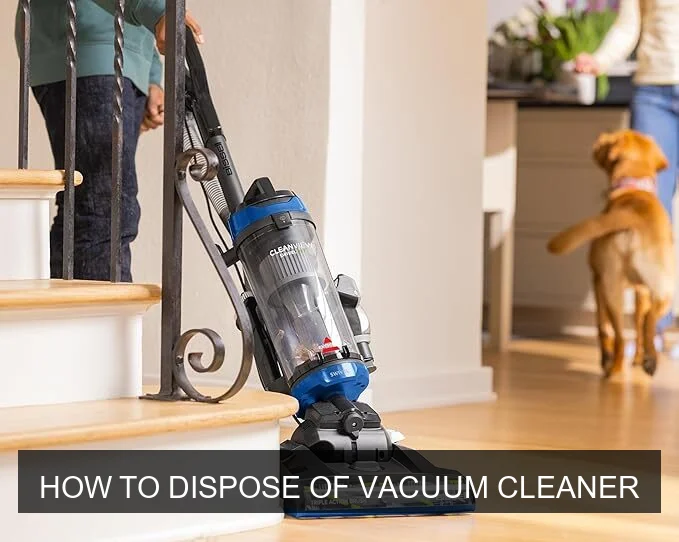
Image source: Vacuumguides
Disposing of an old vacuum cleaner involves several responsible methods, typically recycling it as e-waste, donating it if still functional, or checking for local municipal bulk waste collection. Always consult your local waste management guidelines for specific instructions, as rules for electronic appliances can vary significantly by region.
📋 Table of Contents
- 🔹 Introduction: Clearing Out the Old
- 🔹 What is Proper Vacuum Cleaner Disposal?
- 🔹 Why Proper Vacuum Cleaner Disposal Matters
- 🔹 How to Prepare Your Vacuum Cleaner for Disposal
- 🔹 Key Methods to Dispose of a Vacuum Cleaner
- 🔹 Benefits of Responsible Disposal
- 🔹 Common Mistakes to Avoid
- 🔹 Practical Tips for Easy Disposal
- 🔹 Frequently Asked Questions (FAQ)
- 🔹 Conclusion: Keeping Our Planet Cleaner
Introduction: Clearing Out the Old
Eventually, every household appliance reaches the end of its useful life. For your trusty vacuum cleaner, this moment can be a bit tricky. Unlike everyday trash, you can’t always just toss an old vacuum in the regular bin. Knowing how to dispose of a vacuum cleaner correctly is super important for our environment and often required by local rules.
This article is your friendly guide to navigating vacuum cleaner disposal. We’ll cover everything from why it matters to the various methods available, making sure you feel confident in making an eco-conscious choice. Let’s make sure that old dust-buster gets a proper send-off!
What is Proper Vacuum Cleaner Disposal?
Proper vacuum cleaner disposal means finding a way to get rid of your old appliance that is safe, environmentally responsible, and compliant with local regulations. Since most vacuum cleaners contain electronic components, plastics, and sometimes even metals, they are often classified as “e-waste” or electronic waste.
This classification is key because e-waste often contains materials that can harm the environment if they end up in landfills. Things like heavy metals or certain chemicals can leach into the soil and water over time. So, proper disposal usually involves recycling, donating, or participating in special collection programs designed for these types of items.
Why Proper Vacuum Cleaner Disposal Matters
You might wonder, “Why can’t I just throw my vacuum in the trash?” That’s a great question, and the answer highlights the importance of responsible disposal. Here’s why it’s so crucial:
- Environmental Protection: Vacuum cleaners contain various materials, including plastics, metals (like steel, copper, aluminum), and electronic circuit boards. Some components might also contain small amounts of hazardous substances. If these end up in landfills, they can leach into the ground, contaminating soil and groundwater. Recycling helps prevent this pollution.
- Resource Conservation: Many parts of a vacuum cleaner can be recycled and reused. Metals can be melted down and repurposed, and some plastics can be processed into new products. This reduces the need to mine for new raw materials, saving energy and natural resources.
- Legal Compliance: Many regions, states, and countries have specific laws and regulations regarding the disposal of electronic waste. Improper disposal can lead to fines or penalties for both individuals and businesses. It’s always best to check your local municipality’s rules.
- Energy Savings: Producing new products from recycled materials generally requires less energy than making them from scratch. For example, recycling aluminum saves 95% of the energy needed to produce new aluminum.
- Reduced Landfill Burden: Landfills are filling up. Diverting e-waste like vacuum cleaners from landfills helps to extend their lifespan and reduces the overall amount of waste we produce.
In short, how you dispose of your vacuum cleaner has a direct impact on our planet. Making the right choice helps protect natural resources, prevents pollution, and supports a more sustainable future.
How to Prepare Your Vacuum Cleaner for Disposal
Before you take your old vacuum anywhere, a little preparation goes a long way. This ensures safety for those handling it and maximizes its recycling or donation potential. Here’s a simple checklist:
- Unplug it: Always disconnect the vacuum from the power outlet. This might seem obvious, but it’s the first and most critical safety step.
- Empty the dustbin/bag: Remove and properly dispose of all dirt, dust, and debris. For bagged vacuums, remove the full bag and put it in your regular trash. For bagless models, empty the dustbin into your waste bin and wipe it clean.
- Remove detachable parts: Take off any accessories like hoses, brushes, or extension wands. If these are still in good condition, you might be able to donate them separately or keep them as spares if they fit a new vacuum.
- Clean it up: Give the exterior a quick wipe down. If you’re planning to donate or resell, a clean appearance makes it more appealing.
- Cut the cord (for recycling/scrap): If you’re certain the vacuum is headed for recycling or scrapping and won’t be reused, you might cut off the power cord. Copper wiring inside cords is valuable for recycling. However, if donating or sending to a take-back program, leave the cord intact.
- Remove batteries (if applicable): Some cordless or robotic vacuums have removable lithium-ion batteries. These often require separate disposal through special battery recycling programs due to their potential fire hazard. Check the vacuum’s manual for battery removal instructions and local battery recycling options.
- Bundle the cord: If the cord is still attached, wrap it neatly around the vacuum or secure it with a tie to prevent tangling during transport.
Taking these simple steps makes the disposal process much smoother and safer for everyone involved.
Key Methods to Dispose of a Vacuum Cleaner
Once your vacuum is prepped, you have several options for responsible disposal. Let’s explore each one:
E-Waste Recycling Programs
This is often the best and most recommended way to dispose of a vacuum cleaner. As electronic waste, vacuums contain valuable materials that can be recovered and harmful ones that need proper handling.
- What it is: E-waste recycling centers specialize in disassembling electronic devices. They separate plastics, metals, and circuit boards for reuse and safely manage any hazardous components.
- How it works: You typically drop off your prepared vacuum at a designated e-waste collection point. These could be specific recycling facilities, special collection events organized by your city, or even certain retail stores.
- How to find one:
- Check your local municipal waste management website. They usually have a dedicated section for e-waste.
- Look for national recycling locator tools online (e.g., Earth911 in the U.S.).
- Contact local electronics stores or hardware chains; some offer e-waste drop-off services.
- Good to know: Some facilities might charge a small fee for e-waste disposal, especially for larger items, but many offer free drop-off for household electronics.
Donation and Resale
If your vacuum cleaner is still in working order, even if it’s just a little old, giving it a second life is an excellent option.
- What it is: Donating means giving your functional vacuum to a charity, thrift store, or community organization. Reselling involves selling it, often online, to someone who can use it.
- How it works:
- Donation: Contact local charities (e.g., Goodwill, Salvation Army, local shelters) to see if they accept working vacuum cleaners. Many will, as long as they are clean and functional.
- Resale: List your vacuum on online marketplaces or local community groups. Be honest about its condition and any quirks it might have.
- Benefits: This option is very eco-friendly because it extends the product’s lifespan, reducing waste and the need for new manufacturing. It also helps those in need or provides an affordable option for others.
- Key condition: The vacuum must be in good, working condition. If it’s broken, this isn’t the right path.
Manufacturer and Retailer Take-Back Programs
Some companies offer programs where they take back old appliances, especially if you’re buying a new one from them.
- What it is: Certain vacuum cleaner manufacturers or large retail stores have initiatives to collect old electronics, including their own brand’s products, for recycling.
- How it works: This can vary widely. Some retailers might offer in-store drop-offs, while others might provide mail-in labels. Sometimes, it’s tied to the purchase of a new appliance where they’ll pick up your old one.
- How to find one:
- Check the website of your vacuum cleaner’s manufacturer. Look for sections on “sustainability,” “recycling,” or “take-back programs.”
- Inquire at large electronics or department stores where you might purchase a new vacuum.
- Tip: Always confirm the specifics of the program, including any costs or brand restrictions, before you head out.
Municipal Bulk Waste Collection
Many cities and towns offer special services for collecting large or bulky household items that don’t fit into regular trash bins.
- What it is: Your local waste management department might have a program for collecting “bulk waste” or “large item” disposal. This service is specifically for items that are too big for regular curbside pickup.
- How it works: You typically need to schedule a pickup in advance. There might be specific collection dates for your area, or you may need to call to arrange a one-off collection. Sometimes there’s a small fee associated with this service.
- How to find one: Visit your city or county’s waste management website or call their public services line. Search for terms like “bulk trash,” “large item pickup,” or “special waste collection.”
- Important: Confirm that vacuum cleaners (e-waste) are accepted through their bulk waste program, as rules can differ. They might just collect it and then handle the e-waste recycling themselves, or they might direct you elsewhere.
Scrapping for Parts or Metal
For those who are a bit more hands-on, separating materials for scrap can be an option, though it requires some effort and knowledge.
- What it is: This involves carefully disassembling the vacuum cleaner to separate different materials, primarily metals like copper from the motor and cord, and various types of plastic.
- How it works: You would use tools to take the vacuum apart. The separated metal components could then be taken to a metal recycling or scrap yard. Plastics might be recyclable if your local center accepts the specific types, identified by recycling codes.
- Considerations:
- This method requires some mechanical aptitude and safety precautions to avoid injury.
- It’s often only worth the effort if you have multiple items to scrap or if you’re particularly interested in DIY recycling.
- Ensure you know which materials your local scrap yard or recycling center accepts and if the quantities are worth the trip.
- Note: Be very careful with electrical components and avoid disassembling anything that looks complex or potentially dangerous if you’re unsure.
General Household Trash (Last Resort)
While often discouraged, in some areas without specific e-waste regulations, putting a vacuum cleaner in the general trash might be technically allowed. However, it’s rarely the environmentally preferred option.
- What it is: Simply placing your vacuum cleaner with your regular household garbage for curbside pickup.
- Why it’s a last resort:
- It contributes to landfill waste, which goes against environmental best practices.
- It wastes valuable resources that could have been recycled.
- It can lead to environmental contamination from components that should be handled as e-waste.
- It might be illegal in your area, resulting in fines.
- When it might happen: This usually only occurs in areas with very limited recycling infrastructure or for components deemed non-recyclable after a full breakdown.
- Recommendation: Always exhaust all other options before considering this method. Check local rules carefully.
Benefits of Responsible Disposal
Making the effort to dispose of your vacuum cleaner correctly brings a host of positive impacts, both for our planet and our communities. Here are some key benefits:
- Reduced Environmental Pollution: By preventing hazardous materials like heavy metals from leaching into soil and water, we protect ecosystems and human health.
- Conservation of Natural Resources: Recycling allows us to recover valuable materials such as plastics and various metals, reducing the need to extract new raw materials from the Earth. This lessens the impact of mining and manufacturing.
- Energy Savings: Producing goods from recycled materials often uses significantly less energy than manufacturing them from virgin resources. This contributes to lower greenhouse gas emissions.
- Extended Landfill Lifespan: Diverting e-waste from landfills means less volume takes up space, extending the operational life of these sites and postponing the need for new ones.
- Support for the Circular Economy: Responsible disposal contributes to a “circular economy,” where products and materials are kept in use for as long as possible, rather than being discarded after a single use.
- Community and Economic Benefits: Recycling programs often create jobs in collection, sorting, and processing. Donating items helps provide affordable goods for others in the community.
Every small action, like properly disposing of an old vacuum cleaner, adds up to a larger, positive difference for our shared future.
Common Mistakes to Avoid
When getting rid of an old vacuum, it’s easy to make a few common missteps. Being aware of these can help you ensure a smooth and responsible disposal process:
- Don’t just toss it in regular trash: This is the most common mistake. As discussed, vacuum cleaners are often considered e-waste and shouldn’t go to a landfill with household garbage due to environmental concerns and local regulations.
- Ignoring battery disposal rules: For cordless or robotic vacuums, simply throwing the entire unit away without removing the battery can be a fire hazard in waste facilities and is often illegal. Lithium-ion batteries require special recycling.
- Assuming all charities accept broken items: If your vacuum is not working, don’t try to donate it. Charities and thrift stores generally only accept items that are in good, usable condition to avoid the burden of disposing of non-functional items themselves.
- Not checking local guidelines: Disposal rules vary significantly by city, county, and state. What’s acceptable in one area might be prohibited in another. Failing to check local waste management websites can lead to improper disposal or even fines.
- Disposing without emptying: Forgetting to empty the dustbin or bag is not only unsanitary but can also cause issues at recycling or donation centers. Always clean it out first.
- Mixing e-waste with metal scrap: While some parts are metal, a whole vacuum cleaner needs to go to an e-waste facility first unless you are specifically disassembling it for pure metal scrap, which requires more effort.
By avoiding these common mistakes, you can ensure your old vacuum cleaner is handled in the most environmentally sound and compliant way possible.
Practical Tips for Easy Disposal
Here are a few practical tips to make the process of disposing of your vacuum cleaner as easy as possible:
- Plan Ahead: Don’t wait until the last minute. If you know you’ll be replacing your vacuum, research disposal options beforehand. This avoids the stress of having an old appliance lying around.
- Consolidate E-Waste: If you have other old electronics (like cell phones, small appliances, or old laptops), consider collecting them and making one trip to an e-waste recycling center. This saves time and fuel.
- Check for Free Pick-Up Events: Many communities host annual or semi-annual “Household Hazardous Waste” or “E-Waste Collection” events. These are often free and very convenient.
- Ask When Buying New: If you’re purchasing a new vacuum from a retail store, always ask if they have a take-back or recycling program for your old unit. Some large retailers do!
- Use Online Locators: Websites like Earth911.com (for US users) allow you to search for recycling centers by material type and zip code, making it easy to find nearby options.
- Take Photos for Donation/Resale: If you’re donating or selling, take clear photos of the vacuum cleaner (especially if it’s in good condition) and list any accessories it comes with.
- Don’t Be Afraid to Call: If you’re unsure about local rules or where to take your vacuum, a quick phone call to your city’s waste management department can provide clear answers.
A little preparation and a few smart moves can make disposing of your old vacuum a simple and responsible task.
Frequently Asked Questions (FAQ)
What exactly is e-waste and why are vacuum cleaners considered e-waste?
E-waste, or electronic waste, refers to discarded electrical or electronic devices. Vacuum cleaners are considered e-waste because they contain electronic components, motors, and often circuit boards, in addition to plastics and metals. These components can contain hazardous materials like lead, mercury, or cadmium, which are harmful if landfilled, but also valuable materials like copper and aluminum that can be recycled.
Can I put a vacuum cleaner in my regular trash?
Generally, no. Most municipalities advise against putting vacuum cleaners in regular household trash due to their classification as e-waste. Laws and regulations regarding e-waste disposal vary, but many areas prohibit electronics from landfills. Always check with your local waste management services for specific rules in your area, but environmentally responsible options like recycling are almost always preferred.
Are there any parts of a vacuum cleaner I should separate before disposal?
Yes, typically you should remove the dustbag or empty the dustbin completely. If your vacuum is a cordless or robotic model with a removable battery (especially lithium-ion), it’s crucial to remove that battery for separate recycling, as these batteries pose a fire risk and require specialized disposal. Any detachable hoses, wands, or brushes can also be removed; if they are in good condition, they might be donatable separately.
How do I find an e-waste recycling center near me?
The easiest way is to visit your local city or county waste management website. They usually have a dedicated section or a search tool for e-waste disposal locations. You can also use national online recycling locators (like Earth911.com in the U.S.) or contact large electronics retailers, as some offer e-waste drop-off services or take-back programs.
What are the environmental risks of improperly disposing of a vacuum cleaner?
Improper disposal, such as throwing it in a landfill, can lead to several environmental risks. Hazardous substances within the vacuum, like heavy metals or certain chemicals from circuit boards, can leach into the soil and groundwater, causing contamination. Additionally, valuable materials like plastics and metals are lost instead of being recycled, increasing the demand for virgin resources and contributing to overall landfill waste.
Conclusion: Keeping Our Planet Cleaner
Disposing of a vacuum cleaner might seem like a small task, but doing it correctly makes a big difference. By understanding the options available—from e-waste recycling and donation to municipal take-back programs—you can ensure your old appliance doesn’t become an environmental burden.
Remember to always prepare your vacuum safely and check your local guidelines, as rules can vary. Making the responsible choice helps conserve valuable resources, reduces pollution, and contributes to a healthier planet for everyone. Thank you for taking the time to learn how to dispose of a vacuum cleaner the right way!