Learning how to clean out a vacuum cleaner hose is a simple yet crucial skill that can significantly improve your vacuum’s performance. This guide will walk you through easy, step-by-step methods to remove stubborn clogs, restore suction, and keep your cleaning routine efficient. Discover practical tips and common mistakes to avoid, ensuring your vacuum runs smoothly every time.
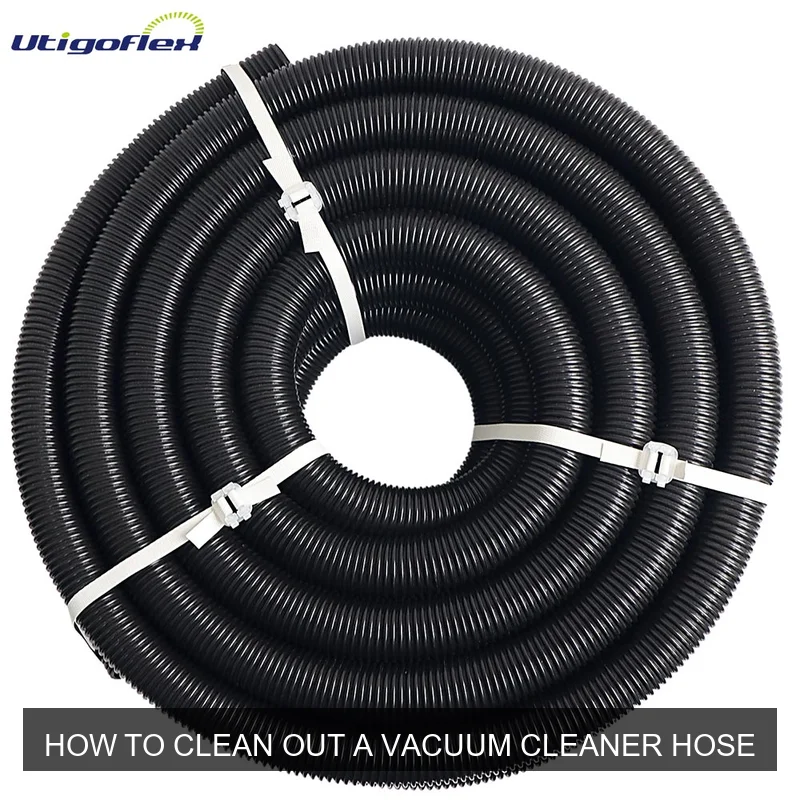
Image source: Utigoflex
📋 Table of Contents
- 🔹 How to Clean Out a Vacuum Cleaner Hose: The Quick Answer
- 🔹 Introduction: Bringing Back Your Vacuum’s Suction
- 🔹 Understanding Your Vacuum’s Hose: Why It Clogs
- 🔹 Recognizing a Clogged Vacuum Hose: The Warning Signs
- 🔹 Is Cleaning Your Vacuum Hose Really Necessary?
- 🔹 What You’ll Need: Tools for the Job
- 🔹 How to Clean Out a Vacuum Cleaner Hose: A Step-by-Step Guide
- 🔹 Why Cleaning Your Vacuum Hose Matters: The Benefits
- 🔹 Common Mistakes to Avoid When Cleaning a Vacuum Hose
- 🔹 Practical Tips for Maintaining a Clear Vacuum Hose
- 🔹 People Also Ask (FAQ)
- 🔹 Conclusion: The Path to Perfect Suction
How to Clean Out a Vacuum Cleaner Hose: The Quick Answer
To clean out a vacuum cleaner hose, first unplug the vacuum for safety. Detach the hose and inspect it for visible clogs. Use a long, blunt object like a broom handle or a straightened coat hanger to gently push through any blockages. For washable hoses, rinse thoroughly with water, then let it air dry completely before reattaching. Always check your vacuum’s manual for specific cleaning instructions.
Introduction: Bringing Back Your Vacuum’s Suction
Picture this: you’re halfway through vacuuming, and suddenly, that satisfying hum of powerful suction just… stops. Your vacuum is on, but it’s not picking anything up. More often than not, the culprit isn’t a broken motor or a full dustbin, but a sneaky clog hidden deep within the vacuum cleaner hose.
A clogged hose can turn a quick cleaning task into a frustrating chore. It reduces efficiency, puts strain on your vacuum’s motor, and ultimately, leaves your floors less clean. But don’t worry! Learning how to clean out a vacuum cleaner hose is a straightforward process that anyone can master. It doesn’t require special tools or expert skills, just a bit of patience and a few common household items.
In this guide, we’ll walk you through everything you need to know. We’ll explore why hoses get clogged, how to spot the signs, and most importantly, provide clear, step-by-step instructions to get your vacuum back to its prime. Let’s restore that powerful suction and make your cleaning routine a breeze again!
Understanding Your Vacuum’s Hose: Why It Clogs
The vacuum cleaner hose is a vital pathway for dirt, dust, and debris to travel from the floor to the dustbin or bag. Because of its flexible design and the variety of things it sucks up, it’s particularly prone to blockages.
Here are the most common reasons your vacuum hose might get clogged:
- Large Debris: Accidentally vacuuming up socks, small toys, paper towels, or even large clumps of pet hair can quickly form an obstruction.
- Accumulated Dirt and Dust: Over time, fine dust and dirt can build up on the inner walls of the hose, especially if it’s not cleaned regularly. This sticky residue can then catch larger particles, leading to a clog.
- Hair and Pet Fur: Long strands of human hair and pet fur are notorious for getting tangled and matted inside the hose, creating dense blockages.
- Moisture: If you accidentally vacuum up something damp, like a spilled drink or wet pet food, the moisture can cause dust and debris to clump together, forming a solid blockage that’s harder to dislodge.
- Flexibility: The corrugated design of many hoses, while great for flexibility, can also create small ridges and pockets where debris can snag and accumulate more easily.
Understanding these common culprits can help you prevent future clogs and address existing ones more effectively.
Recognizing a Clogged Vacuum Hose: The Warning Signs
Before you dive into cleaning, it’s good to be sure a clogged hose is indeed the problem. Sometimes, loss of suction can come from other issues, like a full dustbin, a dirty filter, or a problem with the brush roll. However, specific signs often point directly to a hose clog.
Here’s how to tell if your vacuum cleaner hose is blocked:
- Significant Loss of Suction: This is the most obvious sign. Your vacuum might pick up very little, or nothing at all, even on its highest setting.
- Strange Noises: You might hear your vacuum’s motor working harder, perhaps a high-pitched whine or a straining sound, as it tries to pull air through a restricted passage.
- Visible Debris in the Hose: Sometimes, you can actually see the blockage, especially if your hose is translucent or if the clog is near the ends.
- Debris Falling Out: When you turn off the vacuum or lift the hose, you might notice dirt or debris falling back onto the floor, indicating it never made it to the dustbin.
- Overheating Motor: A motor working overtime due to a clog can get unusually hot. This is a sign of stress and should be addressed promptly to prevent damage.
If you notice any of these symptoms, it’s a good time to investigate your hose for a clog.
Is Cleaning Your Vacuum Hose Really Necessary?
You might be wondering if it’s truly worth the effort to clean out a vacuum cleaner hose, especially if your vacuum still “sort of” works. The short answer is: yes, absolutely! Cleaning your vacuum hose isn’t just about restoring suction; it plays a crucial role in maintaining your vacuum’s overall health and efficiency.
Here’s why it’s so important:
- Restores Suction Power: This is the primary benefit. A clear hose means air can flow freely, allowing your vacuum to pick up dirt and debris effectively. Without it, your vacuum is just pushing dust around.
- Extends Vacuum Lifespan: When a hose is clogged, the vacuum’s motor has to work much harder to try and pull air, leading to overheating and premature wear and tear. Regular cleaning helps reduce this strain, extending the life of your appliance.
- Improves Air Quality: Blockages can trap dust, mold spores, and allergens within the hose. If these aren’t removed, they can be recirculated into your home’s air, especially if there’s any leakage. A clean hose contributes to cleaner exhaust air.
- Saves Time and Effort: A fully functional vacuum cleans faster and more efficiently, saving you time and the frustration of having to go over the same spots multiple times.
- Prevents Further Damage: Ignoring a clog can lead to more serious problems, like a burnt-out motor or even damage to the hose itself if you try to force the vacuum to work through a severe blockage.
So, yes, cleaning your vacuum hose is a necessary part of routine maintenance that benefits both your vacuum and your home’s cleanliness.
What You’ll Need: Tools for the Job
You don’t need a fancy toolkit to clean out a vacuum cleaner hose. Most of the items you’ll use are likely already around your house. Gathering them before you start will make the process much smoother.
Here’s a simple list of what you might need:
- Gloves: To protect your hands from dirt and grime.
- Flashlight: Handy for peering into the hose to spot clogs.
- Long, Blunt Object:
- A broom handle (the handle end)
- A sturdy, straightened wire coat hanger (with the end bent into a small hook to avoid scratching)
- A plumbing snake or drain auger (if available, for stubborn clogs)
- A long, flexible cleaning brush (like those for dryer vents or large bottles)
- Shop-Vac (optional): If you have one, its reverse function or strong suction can be very helpful.
- Running Water Source: A utility sink or outdoor hose if your vacuum hose is washable.
- Dish Soap (optional): For washing washable hoses.
- Scissors or Utility Knife: To cut away tangled hair or debris (be careful not to cut the hose).
- Newspaper or Drop Cloth: To protect your work area from falling debris.
Choose the blunt object carefully. You want something long enough to reach through the hose, but not so sharp or rigid that it could puncture or damage the hose’s interior.
How to Clean Out a Vacuum Cleaner Hose: A Step-by-Step Guide
Ready to get your vacuum back in top shape? Follow these steps to effectively clean out a vacuum cleaner hose. Remember, safety first!
Step 1: Safety First – Unplug Your Vacuum
Before you touch anything, always, always unplug your vacuum cleaner from the wall outlet. This prevents accidental starts and potential electrical hazards. Safety is paramount when working with appliances.
Step 2: Detach the Hose from the Vacuum
Carefully remove the hose from both the vacuum body and any attachments (like the wand or floor nozzle). Most hoses have a simple latch or twist-and-lock mechanism. Refer to your vacuum’s user manual if you’re unsure how to detach it properly. Lay the hose on a newspaper or drop cloth in a well-lit area.
Step 3: Inspect for Visual Clogs
Hold one end of the detached hose up to a light source and look through it. Use your flashlight to peer into the dark sections. You might be able to spot the clog right away, especially if your hose is somewhat transparent. Pay attention to any obvious blockages or areas where the hose looks constricted.
Step 4: The “Squeeze Test” or “Knuckle Test”
Even if you can’t see a clog, you might be able to feel it. Run your hand along the entire length of the hose, gently squeezing and flexing it. A hard, unyielding spot indicates a blockage. Try to pinpoint its exact location. This helps you know where to focus your efforts.
Step 5: Manually Clear the Clog (The Push Method)
This is often the most effective method for solid clogs. Choose your long, blunt object (broom handle, straightened coat hanger).
- Start from one end: Gently insert your chosen tool into one end of the hose.
- Push through: Slowly and carefully push the tool into the hose. If you hit resistance, you’ve found the clog.
- Work it loose: Instead of forcing it, try to gently wiggle, twist, and push the object to break up or dislodge the blockage. Sometimes pushing from one end and then the other can help.
- Clear debris: Once the clog is dislodged, it should fall out or be pushed out the other end. Be ready with your drop cloth for the debris. You might need to pull out hair or stringy material with your fingers or scissors if it’s caught near the ends.
Step 6: The Water Method (For Washable Hoses Only)
If your vacuum manual confirms the hose is washable (most plastic hoses are, but some older or specialized hoses might not be), this method can flush out stubborn grime and smaller clogs.
- Rinse: Take the hose outdoors or to a large utility sink. Run warm water through one end until it comes out clear from the other.
- Add soap (optional): For really dirty hoses, you can add a few drops of dish soap and slosh it around, then rinse thoroughly.
- Hang to dry: Crucially, the hose must be completely dry before reattaching it to your vacuum. Hang it up, ideally in a warm, airy spot, and let it drip-dry for at least 24-48 hours. Any residual moisture can lead to mold or damage your vacuum.
Step 7: The Air Pressure Method (Use with Caution)
If you have a shop-vac with a reverse (blower) function or an air compressor, this can be effective, but proceed with care.
- Connect blower: Attach the shop-vac’s blower hose to one end of your vacuum’s hose.
- Blast air: Turn on the blower. The sudden burst of air pressure can often push out clogs.
- Air compressor: If using an air compressor, use a low-pressure setting and a nozzle that fits snugly into the hose opening. Be very careful, as high pressure can damage the hose.
Step 8: Reassemble and Test
Once you’re confident the hose is clear and completely dry (if you used water), reattach it securely to your vacuum cleaner. Plug the vacuum back in and test its suction. You should notice a significant improvement in performance!
Why Cleaning Your Vacuum Hose Matters: The Benefits
Regularly clearing out your vacuum’s hose isn’t just about fixing a problem; it’s about optimizing your cleaning routine and extending the life of your appliance. The benefits are quite clear once you understand them.
Here’s why taking a few minutes to clean out a vacuum cleaner hose is a smart move:
- Enhanced Cleaning Power: A clear hose means maximum suction power. Your vacuum can pick up more dirt, dust, and debris with less effort, leaving your floors and carpets genuinely cleaner. This translates to fewer passes and a more effective clean.
- Increased Vacuum Lifespan: When a hose is clogged, the vacuum’s motor has to work harder to compensate for the restricted airflow. This increased strain can lead to overheating and premature wear and tear on the motor and other internal components. Regular hose cleaning reduces this stress, helping your vacuum last longer.
- Improved Air Quality: Clogged hoses can harbor trapped dust, allergens, pet dander, and even mold spores, especially if any moisture was involved. When the vacuum runs, these particles can be recirculated into your home’s air, impacting air quality. A clean hose helps ensure that only clean, filtered air is exhausted, contributing to a healthier living environment.
- Prevents Overheating: As mentioned, a hardworking motor can overheat. This isn’t just bad for the motor; it can also be a safety hazard. Clearing clogs helps maintain proper airflow, keeping the motor cool and operating within safe temperature limits.
- Saves Time and Frustration: Imagine effortlessly gliding your vacuum across the floor, picking up everything in its path. That’s the experience a clean hose provides. No more going over the same spot repeatedly, no more stopping to investigate strange noises – just efficient, effective cleaning.
- Cost-Effective Maintenance: Regularly cleaning your hose is a simple, free maintenance task. Neglecting it can lead to expensive repairs or even the need to replace your vacuum cleaner much sooner than expected. It’s a small investment of time that saves you money in the long run.
In essence, a clean vacuum cleaner hose is fundamental to a vacuum’s optimal performance, longevity, and your overall cleaning satisfaction.
Common Mistakes to Avoid When Cleaning a Vacuum Hose
While cleaning a vacuum cleaner hose is fairly straightforward, there are a few common pitfalls that can make the process harder or even damage your equipment. Being aware of these will help you clean your hose safely and effectively.
Here are some mistakes to avoid:
- Forgetting to Unplug the Vacuum: This is the most crucial safety mistake. Always unplug the vacuum before performing any maintenance or inspection. An accidental power-on could lead to injury.
- Using Sharp or Abrasive Objects: Never use knives, scissors, or overly sharp or rigid metal objects to poke or scrape inside the hose. You risk puncturing, tearing, or scratching the inside of the hose, which can create rough spots where future clogs are more likely to form or even create air leaks. Stick to blunt, sturdy objects.
- Forcing a Clog: Applying excessive force when pushing a clog can push it deeper, make it more compact, or even damage the hose. Use gentle, persistent pressure, wiggling and twisting the tool rather than simply jamming it through.
- Not Detaching the Hose Completely: Trying to clear a clog with the hose still attached to the vacuum or nozzle can be difficult and ineffective. Detaching it provides full access and allows you to look through and push from both ends.
- Using Harsh Chemicals: Avoid pouring strong chemical drain cleaners or corrosive substances into your vacuum hose. These can degrade the plastic or rubber materials of the hose, leading to leaks, cracks, and premature failure. Warm water and mild dish soap are usually sufficient for washing.
- Not Drying Thoroughly (if using water): If you wash your vacuum hose with water, it is absolutely critical that it dries completely, inside and out, before reattaching it to your vacuum. Moisture left inside can lead to mold growth, foul odors, or even electrical damage if it gets into the vacuum’s motor.
- Ignoring Other Potential Clog Locations: Sometimes a clog isn’t just in the main hose. Check the attachments, the wand, the intake port on the vacuum body, and the connection point to the dustbin or bag. A blockage in any of these areas can mimic a hose clog.
- Not Wearing Gloves: Vacuum cleaner debris can be pretty nasty and contain allergens, dust mites, and bacteria. Wearing gloves protects your hands.
By avoiding these common mistakes, you’ll ensure a safer, more effective, and less damaging cleaning process for your vacuum hose.
Practical Tips for Maintaining a Clear Vacuum Hose
Cleaning out a clogged hose is a great skill to have, but preventing clogs in the first place is even better! A little proactive maintenance goes a long way in keeping your vacuum running smoothly. Here are some practical tips for maintaining a clear vacuum cleaner hose:
- Regular Inspections: Make it a habit to quickly check the hose for visible blockages or accumulated debris every few uses, especially if you notice a slight dip in suction. Early detection makes clogs much easier to clear.
- Avoid Vacuuming Large Objects: Before you vacuum, do a quick scan of the floor for items like socks, small toys, coins, or paper. These are primary culprits for hose clogs. Pick them up manually instead of relying on the vacuum.
- Empty the Dustbin/Bag Regularly: A full dustbin or bag restricts airflow throughout the vacuum, including the hose. This can contribute to clogs and make the vacuum work harder. Empty it before it gets completely full.
- Clean Filters: Just like a clogged hose, dirty filters severely restrict airflow. Regularly clean or replace your vacuum’s filters according to the manufacturer’s instructions. This ensures optimal suction and reduces strain on the system.
- Handle Pet Hair with Care: If you have pets, deal with large clumps of pet hair by picking them up manually or using a specialized pet hair attachment that’s designed to minimize tangling.
- Be Mindful of Moisture: Never vacuum up liquids or damp debris unless your vacuum is specifically designed for wet-dry use. Moisture mixed with dust and dirt creates sticky, stubborn clogs that are difficult to remove and can promote mold growth.
- Gentle Storage: When storing your vacuum, avoid sharp kinks or extreme bends in the hose, as these can weaken the material over time and create areas where debris is more likely to snag.
- Periodic Deep Clean: Even if you don’t have a full clog, consider giving your washable hose a good rinse and thorough drying every few months to remove accumulated dust and grime.
By incorporating these simple habits into your cleaning routine, you’ll significantly reduce the chances of encountering a frustrating hose clog and enjoy consistent, powerful suction from your vacuum.
People Also Ask (FAQ)
What Exactly is a Vacuum Hose Clog?
A vacuum hose clog is an obstruction within the flexible tube of your vacuum cleaner that prevents air and debris from flowing freely to the dustbin. It typically forms when large objects, matted hair, or accumulated dust and grime block the pathway, leading to a noticeable loss of suction power.
How Often Should I Clean My Vacuum Hose?
You should clean your vacuum hose whenever you notice a significant reduction in suction, hear unusual straining noises from the motor, or visually identify a blockage. Proactively, a quick check every few uses and a deeper clean every few months (especially if you have pets or long hair) can help prevent clogs from forming.
Can I Use Chemicals to Unclog My Vacuum Hose?
No, you should generally avoid using harsh chemical drain cleaners or similar products to unclog a vacuum hose. These chemicals can damage the plastic or rubber materials of the hose, leading to cracks, leaks, and deterioration. Warm water with a mild dish soap is the safest and most effective option for washing washable hoses.
What If My Vacuum Hose Is Permanently Clogged?
If you’ve tried all methods (pushing with a blunt object, water rinse, air pressure) and the clog remains, or if the hose itself is damaged (torn, cracked), then the hose might be permanently clogged or compromised. In such cases, the most practical solution is often to replace the vacuum cleaner hose. Check your vacuum’s manufacturer for replacement part options.
Can a Clogged Hose Damage My Vacuum?
Yes, a persistently clogged hose can definitely damage your vacuum. When the hose is blocked, the vacuum’s motor has to work much harder to try and pull air, which can lead to overheating, increased wear and tear on internal components, and potentially a burnt-out motor. Regular cleaning helps prevent this strain and extends your vacuum’s lifespan.
Conclusion: The Path to Perfect Suction
Dealing with a clogged vacuum cleaner hose can be a real headache, turning a simple cleaning task into an exercise in frustration. However, as we’ve explored, learning how to clean out a vacuum cleaner hose is a straightforward and empowering skill that can quickly restore your vacuum’s peak performance.
By understanding why clogs happen, recognizing the tell-tale signs, and following a few simple steps with common household tools, you can easily clear blockages and bring back that powerful suction you rely on. More than just a quick fix, regular hose maintenance extends your vacuum’s lifespan, improves indoor air quality, and makes your cleaning routine far more efficient and enjoyable.
So, the next time your vacuum starts to lose its mojo, remember these practical tips. A clear hose means a happy vacuum, and ultimately, a cleaner, healthier home. You’ve got this!