
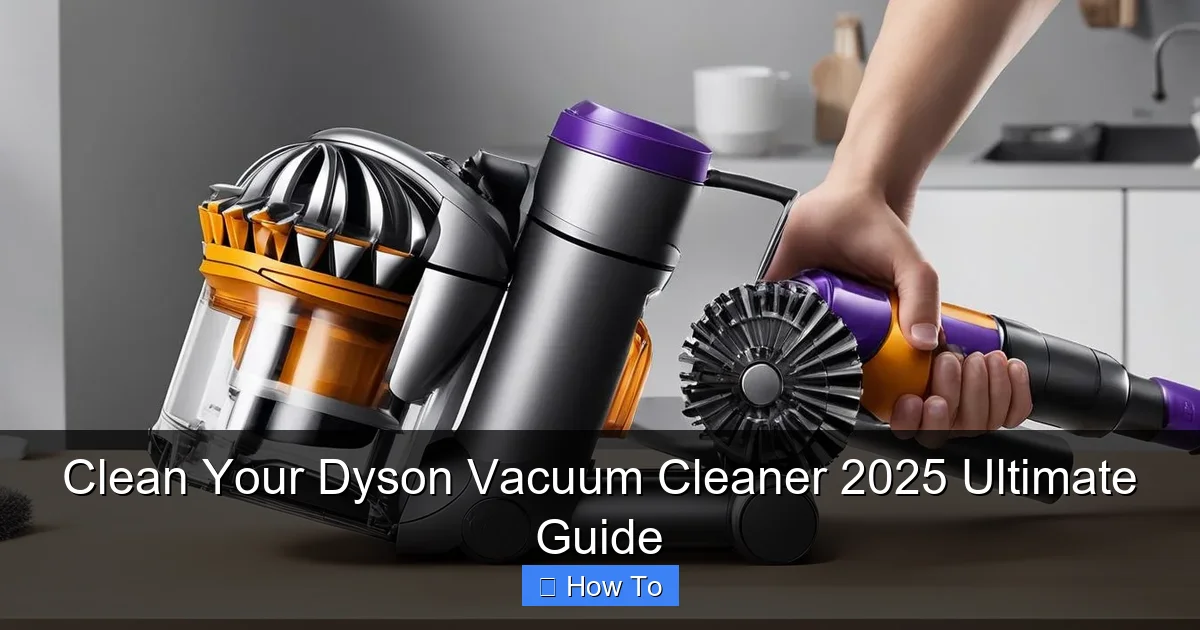
Keeping your Dyson vacuum cleaner spotless is key to its longevity and peak performance. This 2025 ultimate guide provides easy, step-by-step instructions to thoroughly clean every component, from filters and brush bars to the cyclone and attachments. Discover how to maintain powerful suction, prevent blockages, and ensure your Dyson always performs like new, protecting your investment for years to come.
Clean Your Dyson Vacuum Cleaner 2025 Ultimate Guide
Hello there, fellow clean home enthusiast! Is your once-mighty Dyson vacuum cleaner starting to feel a little… sluggish? Perhaps it’s not picking up dirt with the same gusto it used to, or maybe you’re noticing some peculiar odors. Don’t worry, you’re not alone, and the solution is often simpler than you think: it’s time for a thorough cleaning!
Your Dyson is an engineering marvel designed to keep your home pristine. But just like any high-performance machine, it needs a little TLC to keep running at its best. Over time, dust, hair, and debris can build up, clogging filters, tangling brush bars, and reducing suction power. A regular, deep clean isn’t just about hygiene; it’s about maintaining peak performance, extending the life of your investment, and ensuring your home stays truly clean.
In this 2025 ultimate guide, we’re going to walk you through *exactly* how to clean your Dyson vacuum cleaner, step-by-step. We’ll cover everything from emptying the bin and washing filters to detangling brush bars and clearing stubborn blockages. By the end of this guide, you’ll have the knowledge and confidence to make your Dyson perform like new again. Get ready to rediscover that powerful Dyson suction!
Key Takeaways
- Regular Maintenance is Crucial: Consistently cleaning your Dyson vacuum cleaner significantly extends its lifespan, maintains powerful suction, and ensures efficient dirt removal.
- Filter Care is Paramount: Washable Dyson filters require a full 24-48 hours of air drying to prevent mold growth and maintain optimal airflow. Never use a dryer or heat.
- Untangle Brush Bars Regularly: Hair and debris wrapped around the brush bar can reduce cleaning effectiveness and strain the motor. Regular removal is vital for peak performance.
- Clear Blockages Promptly: Reduced suction often indicates a blockage. Learn to inspect and clear common areas like the wand, hose, and cleaner head to restore airflow immediately.
- Dry Cleaning for Electronics: While some parts are washable, always avoid water on the main body, motor housing, and electrical connections to prevent damage.
- Follow Model-Specific Instructions: Although this guide is comprehensive, always refer to your specific Dyson model’s user manual for precise instructions on component removal and cleaning.
- Assemble Correctly After Cleaning: Ensure all components are completely dry and correctly reassembled before using your Dyson again to prevent damage and maintain safety.
Quick Answers to Common Questions
How do I know my Dyson filter is dry?
A completely dry Dyson filter will feel light and crisp, not damp or heavier than usual. It also won’t feel cool to the touch. When in doubt, give it another 12-24 hours to air dry completely to avoid damaging your vacuum’s motor.
Can I use soap to clean my Dyson filter?
Dyson recommends only using cold water to clean its washable filters. Soap can leave residue that clogs the filter over time, reducing its effectiveness and potentially causing foam inside the motor.
My Dyson smells bad after cleaning, why?
A persistent bad smell usually indicates that the filter wasn’t completely dry before reassembly, leading to mildew or mold growth, or that there’s still unseen organic debris (like pet hair or food particles) trapped in the clear bin or cyclone assembly that needs to be thoroughly cleaned.
What if my brush bar isn’t removable?
Some older or specific Dyson models may have fixed brush bars. In this case, use scissors to carefully cut and remove tangled hair, and a stiff brush or vacuum cleaner nozzle (if you have another vacuum) to clean the bristles as best as you can without removing the bar.
How often should I deep clean my Dyson if I have pets?
If you have pets, it’s recommended to deep clean your Dyson vacuum cleaner every 2-3 months. Pet hair and dander can accumulate quickly in the brush bar, filters, and cyclone, requiring more frequent attention to maintain optimal performance.
Tools You’ll Need
Before we dive into the nitty-gritty of how to clean your Dyson vacuum cleaner, let’s gather our arsenal. Having these items ready will make the process smooth and efficient:
- Microfiber Cloths: Several clean, soft cloths for wiping surfaces.
- Scissors or Seam Ripper: Essential for cutting away tangled hair from brush bars.
- Mild Soap/Dish Detergent: A small amount for washing specific parts, if applicable.
- Soft Brush or Old Toothbrush: Great for dislodging stubborn dust and dirt from crevices.
- Lint Roller or Tape: Handy for picking up fine debris from brush bars.
- Compressed Air Can (Optional): For blowing dust out of hard-to-reach areas (use sparingly and carefully).
- Safety Gloves (Optional): To keep your hands clean.
- Access to Water: For washing filters and clear bins.
- Safety Goggles (Optional): If using compressed air to avoid dust in eyes.
General Safety Precautions
Your safety, and the longevity of your Dyson, are paramount. Please keep these in mind:
- Always Unplug First: Before you start any cleaning, always unplug your Dyson vacuum cleaner from the power outlet. This prevents accidental activation and electric shock.
- Let it Cool Down: If you’ve just used your vacuum, let it cool for a few minutes before dismantling any parts.
- Consult Your Manual: While this guide is comprehensive, your specific Dyson model might have unique features or cleaning recommendations. Always refer to your user manual for model-specific instructions.
- No Water on Electrical Components: Never submerge the main body, motor, or any electrical parts in water. Wipe these areas clean with a damp (not wet) cloth.
- Ensure Complete Drying: If you wash any components, make sure they are *completely* dry before reassembling and using the vacuum. Moisture can damage the motor and electrical systems.
1. Emptying the Bin and Pre-Cleaning
This is where every good Dyson clean begins!
How to Empty the Bin
This might seem obvious, but doing it correctly is the first step to a truly clean Dyson vacuum cleaner.
Most Dyson models have a ‘point and shoot’ mechanism. Hold the clear bin over a trash can and push the red lever or button to release the trap door. Give it a few gentle shakes to ensure all dust and debris fall out. Avoid shaking too vigorously, as dust can escape into the air. If there’s stubborn dirt or hair clinging to the inside, you might need to manually pull it out (wearing gloves is recommended here).
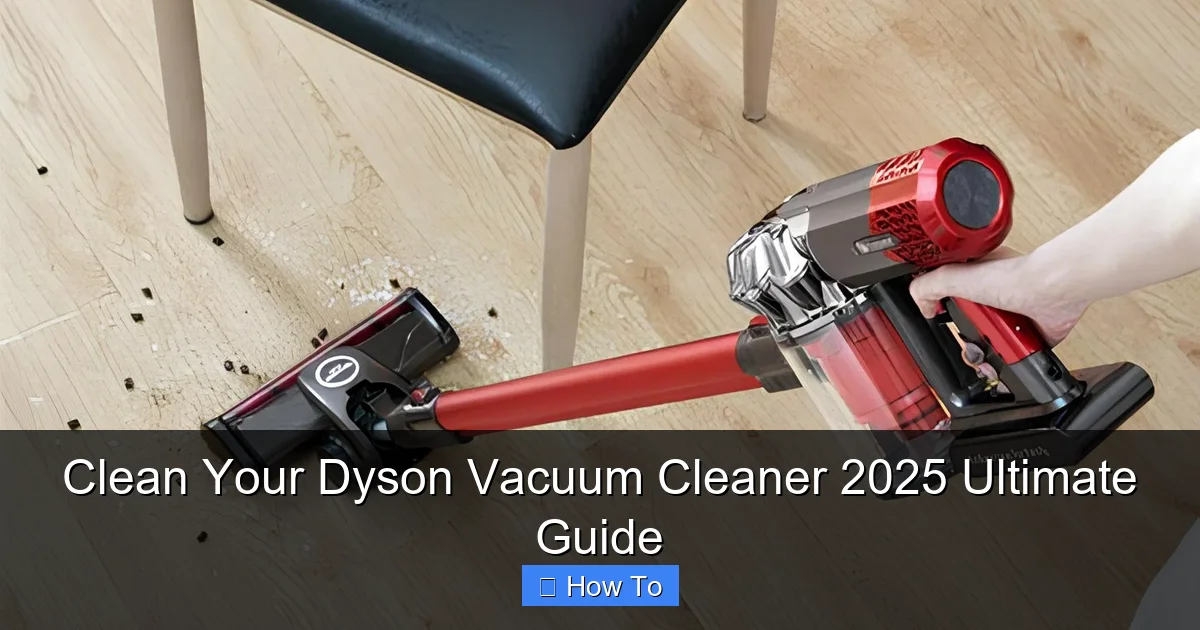
Visual guide about Clean Your Dyson Vacuum Cleaner 2025 Ultimate Guide
Image source: yocada.com.au
Wiping Down the Exterior
Once the bin is empty, take a clean, damp microfiber cloth and wipe down the entire exterior of your Dyson vacuum cleaner. Pay attention to the handle, wand, and any frequently touched surfaces. This removes surface dust and grime, making your Dyson look fresh and clean.
2. Cleaning the Dyson Filter(s)
The filter is the unsung hero of your Dyson, trapping fine dust and allergens. A dirty filter is the most common reason for reduced suction.
Locating Your Filter(s)
Dyson vacuums typically have one or two filters. The main filter is often located either at the top of the cyclone assembly (V-series, some uprights) or at the back of the motor housing (Cylinder models, some older uprights). If your model has a second filter, it might be located near the wheel or on the side. Consult your manual if you’re unsure.
Washing Washable Filters (Most Common for Dyson)
Most modern Dyson filters are designed to be washed. They are often purple, blue, or a combination. The key here is *patience*.
- Remove the Filter: Twist or pull to remove the filter from its housing.
- Tap Out Loose Dust: Over a trash can, gently tap the filter to dislodge any loose dust and debris.
- Rinse with Cold Water: Hold the filter under cold, running water. Squeeze gently to force water through the pleats. Continue rinsing and squeezing until the water runs clear.
- Repeat and Rinse Outside: Turn the filter over and rinse the outside thoroughly. Ensure there’s no visible dirt left.
- Shake Off Excess Water: Vigorously shake the filter to remove as much excess water as possible.
- AIR DRY ONLY: This is critical! Place the filter in a warm area with good airflow, away from direct heat sources (like radiators or sunlight) or dryers. It needs to air dry for a minimum of 24-48 hours, or until completely dry. Using a damp filter can permanently damage your Dyson motor. You can gently squeeze it with a towel to speed up the process, but never wring it.
Practical Tip: It’s a great idea to have a spare Dyson filter on hand. That way, you can pop in a clean, dry filter while your just-washed one is drying, ensuring no downtime for your cleaning routine.
Cleaning Non-Washable Filters (Less Common)
Some older or specific Dyson models may have non-washable filters. These typically just need a good shake or a gentle brush.
- Remove and Tap: Remove the filter and vigorously tap it against the inside of a trash can to dislodge dust.
- Brush Gently: Use a soft brush or old toothbrush to gently brush away any remaining dust from the pleats.
- Do NOT Wash: Never wash these filters, as it can damage them and render them useless.
3. Detangling and Cleaning the Brush Bar/Head
Hair, thread, and pet fur love to wrap around the brush bar, reducing its effectiveness and potentially straining the motor. This step will significantly improve your Dyson’s ability to clean.
Removing the Brush Bar
The method to remove the brush bar varies by Dyson model. Refer to your manual, but generally:
- V-Series Cordless: Often, there’s a small coin-slot or latch on the side of the cleaner head that releases an end cap, allowing the brush bar to slide out.
- Uprights/Cylinders: You might need to flip the cleaner head over and unclip a cover or unlock a latch to access the brush bar.
Cutting Away Hair and Debris
Once the brush bar is out, you’ll likely see a matted mess of hair. Use your scissors or seam ripper to carefully cut through the tangled hair along the length of the brush bar. Be gentle and avoid cutting into the bristles themselves. Once cut, the hair should be much easier to pull away. A lint roller can also be surprisingly effective for picking up the finer remnants.
Cleaning the Brush Bar and Housing
Wipe down the brush bar with a damp cloth to remove any fine dust. For the housing where the brush bar sits, use a soft brush or a dry microfiber cloth to remove any accumulated dust or debris. You can also use a mild, damp cloth to wipe down the plastic parts of the cleaner head, ensuring no water enters the motor or electrical connections.
Reassembling the Brush Bar
Once clean, carefully slide the brush bar back into its housing. Ensure it clicks securely into place and that the end cap (if applicable) is properly fastened. Spin it manually to ensure it rotates freely.
4. Cleaning the Cyclone/Main Body
The clear bin and cyclone assembly are where the magic happens – and where dust loves to cling.
Detaching the Clear Bin from the Main Body
Most Dyson models allow the clear bin (and often the cyclone shroud within it) to detach completely from the main motor body. Look for release buttons or levers, usually near the top of the bin or where it connects to the handle.
Wiping Down the Cyclone Shroud
The cyclone shroud (the cone-shaped part inside the clear bin) can get very dusty. Never use water on this component directly if it’s permanently attached to the main body’s electronics. If your specific model allows for full detachment and washing of *only* the clear bin, you can proceed. Otherwise, use a dry microfiber cloth, a soft brush, or a can of compressed air (from a distance) to carefully dislodge and wipe away dust from the cyclone’s intricate channels. Be very gentle. You are trying to clean your Dyson vacuum cleaner, not damage it.
Cleaning the Clear Bin
If your Dyson’s clear bin can be fully separated from *all* electronic components (including the cyclone assembly on some models), you can wash it. Use lukewarm water and a tiny drop of mild dish soap. Rinse thoroughly and allow it to air dry completely for at least 24 hours before reattaching. If it cannot be fully separated, simply wipe the inside and outside with a damp microfiber cloth, ensuring no moisture gets into any electrical connections.
5. Cleaning Attachments and Tools
Don’t forget your trusty sidekicks! Your Dyson attachments also collect dust and debris.
Wiping and Inspecting
Take each attachment – crevice tool, combination tool, mini motorized tool, etc. – and wipe it down with a damp cloth. Inspect the openings for any blockages (like hair or lint) and remove them.
Removing Blockages
For mini motorized tools, you might be able to remove a small brush bar for cleaning, similar to the main cleaner head. Again, consult your manual for specific instructions.
6. Checking for and Clearing Blockages
If your Dyson still isn’t performing optimally after a good clean, a hidden blockage is often the culprit.
Common Blockage Areas
These are the usual suspects:
- The Wand/Extension Tube: The long tube connecting the cleaner head to the main body.
- The Hose: The flexible hose found on some uprights and cylinder models.
- The Cleaner Head Inlet: The opening where debris first enters the cleaner head.
- The Inlet to the Clear Bin: Where the main tube connects to the dust bin.
How to Clear a Blockage
- Disconnect Components: Disconnect the cleaner head, wand, and hose (if applicable) from the main body.
- Visually Inspect: Look through each component. Use a flashlight if needed.
- Use a Blunt Object: If you see a blockage, use a broom handle (without a sharp end), a thin stick, or the handle of a duster to gently push it through. Never use anything sharp that could pierce the hose or internal components.
- Never Force: If the blockage won’t budge, try pushing it from the other end. If it’s truly stubborn, you might need to take it to a Dyson service center, but most common blockages can be cleared at home.
Troubleshooting Common Issues After Cleaning
Even after a thorough clean, sometimes things don’t go perfectly. Here are a few common issues and their quick fixes:
- Reduced Suction:
- Filter not dry: This is the most frequent culprit. Ensure your washable filter is 100% dry (give it another 24 hours if in doubt).
- Missed blockage: Re-check all common blockage areas.
- Incorrect reassembly: Ensure all parts are securely attached and sealed.
- Vacuum Not Turning On:
- Improper reassembly: Double-check that all components, especially the clear bin and filter, are correctly clicked into place. Some Dyson models have safety switches that prevent operation if parts aren’t fully seated.
- Battery issues (cordless): Ensure the battery is charged and properly seated.
- Strange Noises or Burning Smell:
- Debris in motor path: Stop immediately. Recheck for blockages in the cleaner head or main airways.
- Improper brush bar reassembly: Ensure the brush bar is seated correctly and spinning freely, not rubbing against the housing.
How Often Should You Clean Your Dyson?
The frequency of cleaning depends on usage and environment (e.g., pets, allergies). Here’s a general guideline to clean your Dyson vacuum cleaner:
- Empty the Bin: After every use, or when it reaches the “max” line.
- Wash Filter(s): At least once a month for washable filters, or more frequently if you have pets or use your Dyson heavily. Remember that 24-48 hour drying time!
- Clean Brush Bar: Monthly, or as soon as you notice a significant build-up of hair.
- Deep Clean (Cyclone, Attachments, Blockage Check): Every 3-6 months, or twice a year, depending on usage.
Conclusion
Congratulations! You’ve successfully navigated the ultimate guide to cleaning your Dyson vacuum cleaner in 2025. By following these steps, you’ve not only given your Dyson a new lease on life but also ensured it continues to deliver that legendary suction power you paid for.
Regular maintenance is the secret weapon against dwindling performance and premature wear. A clean Dyson means a cleaner home, purer air, and the satisfaction of knowing you’ve taken excellent care of your powerful cleaning companion. So go forth, enjoy your revitalized Dyson, and revel in a truly spotless living space!
🎥 Related Video: How to clean & maintain your DYSON V15 Vac
📺 The French Glow
I open, clean, dry, and reassemble the Dyson V15 and all of it’s components. It is important to keep your Dyson V15 clean on the …