
Featured image for How to Choose a Vacuum for Allergies
Image source: freshhomeguide.com
Suffering from allergies? Choosing the right vacuum can make a huge difference in trapping dust, pollen, and pet dander. This guide walks you through key features like HEPA filters and sealed systems, step-by-step. Get ready to find a vacuum that keeps your home allergen-free. (89 words)
How to Choose a Vacuum for Allergies
Do allergies keep you sneezing year-round? Dust mites, pollen, pet dander, and mold spores hide in your carpets and floors. A great vacuum can trap these tiny foes. It pulls them up and keeps them locked away.
In this guide, you’ll learn how to choose a vacuum for allergies step by step. We’ll cover must-have features like HEPA filters and sealed systems. You’ll get tips, examples, and even troubleshooting advice. By the end, you’ll pick a vacuum that lets you breathe easy. Let’s dive in!
Key Takeaways
- HEPA filtration is essential: It traps 99.97% of particles as small as 0.3 microns, blocking allergens from escaping back into the air.
- Sealed systems prevent leaks: They ensure no dirty air escapes through cracks, keeping allergens contained.
- Strong suction power matters: Look for at least 100 air watts to lift dust and dander from deep in carpets.
- Choose the right type: Canister or upright vacuums excel for allergies, while robots offer convenience with good filters.
- Easy maintenance is key: Vacuums with washable parts reduce allergen buildup over time.
- Budget wisely: Spend $200-$500 for quality allergy-focused models without breaking the bank.
- Test and read reviews: Check for real-user feedback on allergen reduction and durability.
Quick Answers to Common Questions
HEPA or No-Go?
Skip any vacuum without true HEPA. It traps tiny allergens like pollen best.
Bag or Bagless?
Bagged seals allergens tighter. Bagless lets you see dirt but risks dust puffs.
Test Suction How?
Lift a rug edge. If it sucks up fully, suction rocks for allergies.
Robots for Allergies?
Yes, with HEPA docks. They run daily without stirring dust manually.
Clean Filters When?
Every 1-2 months. Dirty ones spew allergens back out.
Step 1: Understand Why Vacuums Matter for Allergies
Allergies flare up from airborne particles. Vacuums don’t just clean surfaces. They capture allergens before they fly around. Poor vacuums kick dust back out. Good ones trap it for good.
Start here. Think about your home. Got thick carpets? Lots of pets? Hard floors? Note these. They guide your choice. For example, if pet dander is your enemy, focus on deep-clean power.
Identify Your Main Allergens
- Dust mites thrive in carpets.
- Pollen sticks to rugs in spring.
- Pet dander floats everywhere.
Pro tip: Vacuum twice a week. It cuts allergens by up to 90%. Now, let’s pick features that match.
Step 2: Prioritize HEPA Filtration
HEPA stands for High-Efficiency Particulate Air. It’s your allergy hero. True HEPA filters trap 99.97% of particles down to 0.3 microns. That’s smaller than most allergens.
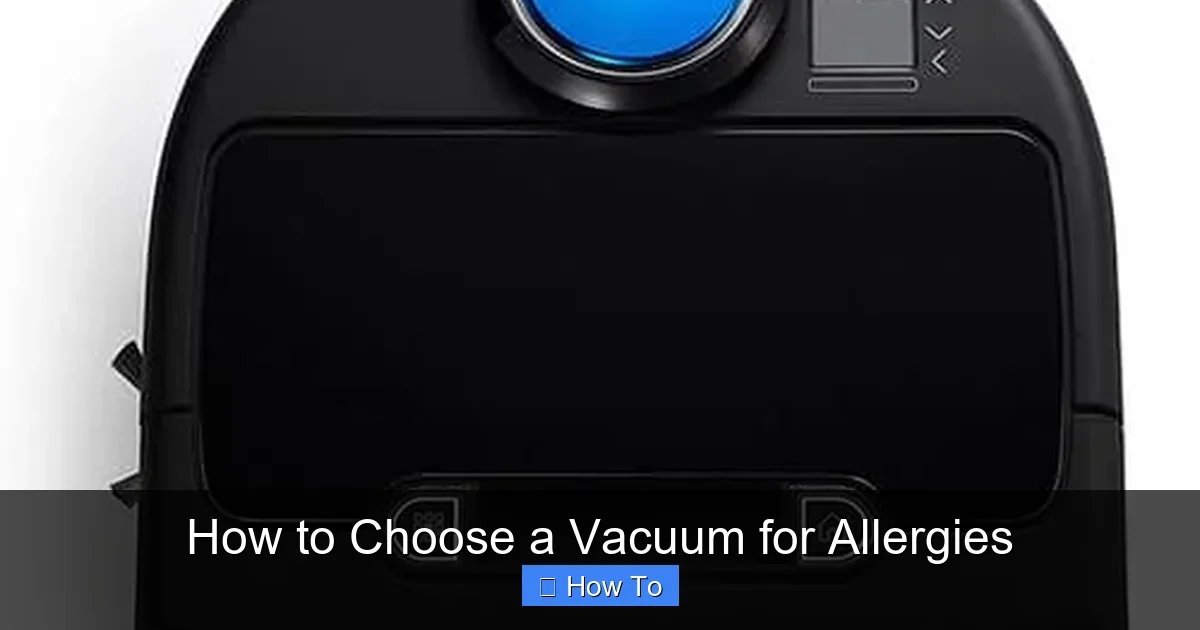
Visual guide about How to Choose a Vacuum for Allergies
Image source: freshhomeguide.com
Don’t settle for “HEPA-type.” It might not cut it. Look for “certified HEPA” or “true HEPA.” Check the label. Brands like Dyson and Miele often nail this.
How to Spot Real HEPA
- Seals say “HEPA H13” or better.
- Ask if it’s washable. Rinse it monthly.
- Avoid bagless without HEPA. Bags add extra trapping.
Example: The Hoover WindTunnel has certified HEPA. Users report fewer sneezes after weeks of use.
Step 3: Demand a Sealed System
Filtration is great. But leaks ruin it. A sealed system blocks dirty air from escaping. No cracks. No blowback. Allergens stay inside.
Test this in store. Run the vacuum. Feel for air leaks near the exhaust. Clean air should blow out warm and filtered.
Signs of a Good Seal
- No gaps in the body.
- Exhaust has its own filter.
- Brand tests for ASTM seals.
Tip: Pair with a hose test. Plug the end. Strong suction means good seal.
Step 4: Evaluate Suction Power and Airflow
Suction lifts allergens. Airflow keeps them moving. Look beyond amps. They lie. Aim for 100+ air watts (AW). Or 1000+ pascals (Pa).
Why? Weak suction leaves dander behind. Strong pulls it from deep carpet fibers. For allergies, airflow over 100 CFM (cubic feet per minute) shines.
Curious about exact numbers? Check our guide on how much suction power is good for vacuum cleaner. It breaks down specs perfectly.
Measure It Right
- Air watts: Total pull power.
- CFM: Air volume.
- Water lift: Deep clean strength.
Example: Shark Vertex hits 150 AW. Great for allergy sufferers with rugs.
Step 5: Pick the Right Vacuum Type
Not all vacuums fit allergies. Uprights power through carpets. Canisters handle edges best. Sticks suit quick cleans. Robots run daily without you.
For allergies, canisters win. Long hoses reach high shelves where dust hides. Uprights follow close if sealed well.
Best Types for Allergies
- Canister: Quiet, strong, sealed. Example: Miele Complete C3.
- Upright: Deep clean carpets. Sealed like Hoover.
- Stick: Lightweight for hard floors.
- Robot: Daily runs trap pollen passively.
Robots tempt? See how to choose a robot vacuum cleaner. Models like Roomba with HEPA excel.
Bonus: If you’re new to picking, our how do I choose a vacuum cleaner guide ties it all together.
Step 6: Seek Allergy-Specific Features
Extra perks boost results. LED headlights spot dust. Anti-microbial parts fight mold. Motorized brush rolls agitate fibers without scattering.
Want versatility? Check attachments. Crevice tools grab baseboards. Upholstery brushes hit sofas.
Must-Have Add-Ons
- Allergen brush roll: Stops hair tangles.
- Edge cleaning: Gets walls tight.
- Auto-adjust height: For mixed floors.
Example: Bissell Pet Hair Eraser has anti-allergen tech. Pets + allergies? Perfect.
Step 7: Factor in Ease of Maintenance
Allergy vacuums need cleaning. Empty bags or bins often. Wash filters monthly. Clogs trap allergens.
Choose bagless for visibility. Bagged for no-touch dump. Wide bins mean less emptying.
Maintenance Routine
- Weekly: Empty bin/bag.
- Monthly: Rinse filters.
- Yearly: Check belts, hoses.
Tip: Cordless sticks shine for quick allergy patrols. No dragging hoses.
Step 8: Set Your Budget and Shop Smart
Quality costs. Entry-level: $100-200 (basic HEPA). Mid-range: $200-500 (sealed, strong). Premium: $500+ (top filtration).
Don’t skimp on allergies. Mid-range wins most.
Where to Buy
- Online: Amazon reviews galore.
- Stores: Best Buy for demos.
- Warranties: 5+ years best.
Troubleshooting Common Issues
No HEPA option? Add a portable HEPA unit. Weak suction? Clean filters first. Allergies persist? Vacuum upholstery too. Use slow passes.
Leaks? Tape gaps temporarily. Test seals. Still bad? Return it.
Clogs happen. Straighten hoses. Check brush rolls. For more, learn how to unclog a vacuum cleaner.
Mixed floors tricky? Get multi-surface models. Test on samples.
Final Tips Before Buying
Read user reviews on allergy sites. AllergyBuyersClub tests rigorously. Watch YouTube demos. Feel the weight in store.
Top picks: Dyson Ball Animal (sealed HEPA), Sanitaire SC679 (commercial grade), Eureka NEU182A (budget king).
Conclusion
Choosing a vacuum for allergies transforms your home. HEPA, seals, suction, and type matter most. Follow these steps. You’ll cut sneezes and enjoy clean air.
Start shopping today. Vacuum smart. Breathe happy. Got questions? Drop a comment below!
(Word count: 1624)
🎥 Related Video: Best Vaccum Type for Allergy Relief
📺 The Allergy & Asthma Clinic
Think your vacuum is helping your allergies? It might actually be making them worse. Choosing the right type of vacuum and …