
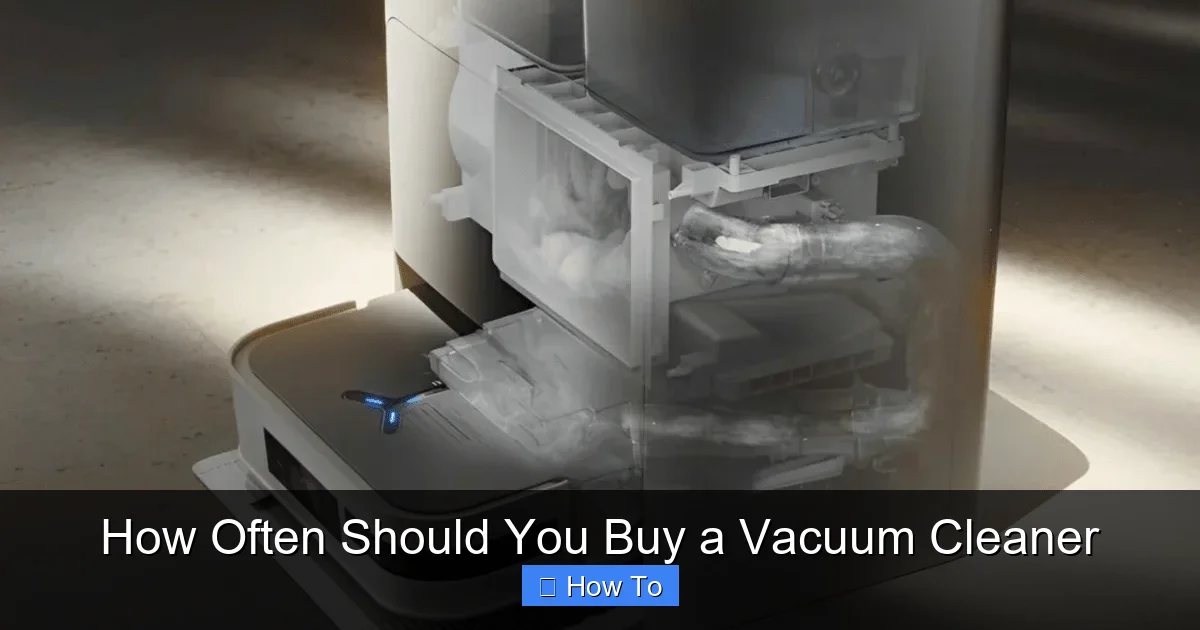
Knowing how often to buy a vacuum cleaner depends on several factors, including its quality, how frequently you use it, and how well you maintain it. While many vacuums last 5-8 years, specific signs like significant loss of suction, frequent breakdowns, or extensive damage often indicate it’s time for a replacement. This guide will help you assess your current vacuum and decide when to invest in a new one to keep your home clean and efficient.
How Often Should You Buy a Vacuum Cleaner
Ah, the trusty vacuum cleaner! It’s one of those essential household items we often take for granted—until it stops working, that is. Then, suddenly, the question pops into your head: “How often should I buy a vacuum cleaner?” It’s not always an easy answer. There isn’t a single, fixed timeline for everyone. The lifespan of a vacuum can vary wildly based on its quality, how often you use it, and how well you take care of it.
This comprehensive guide will help you understand the typical lifespan of a vacuum cleaner, recognize the tell-tale signs that it’s time for a replacement, and give you practical tips to extend its life. We’ll also cover how to weigh the decision between repairing your current vacuum and buying a brand new vacuum cleaner. By the end of this guide, you’ll be fully equipped to make an informed decision and keep your home sparkling clean.
Key Takeaways
- Average Lifespan: Most quality vacuum cleaners last between 5 to 8 years, but this can vary significantly based on usage, maintenance, and initial build quality.
- Listen to Your Vacuum: Pay attention to clear signs like a noticeable loss of suction, unusual noises, persistent odors, or frequent clogging; these often signal a decline in performance.
- Physical Damage Matters: Visible cracks, broken attachments, a fraying power cord, or a perpetually leaky dust bin are strong indicators that your vacuum’s best days are behind it.
- Maintenance is Key: Regular cleaning of filters, emptying the dustbin, checking belts, and clearing clogs can dramatically extend your vacuum cleaner’s effective life.
- Repair vs. Replace Rule: If the cost of repairing your vacuum is more than 50% of the price of a new, comparable model, it’s generally more economical to buy a new vacuum cleaner.
- Consider Your Needs: Even if your vacuum isn’t completely broken, changing lifestyle factors (new pets, allergies) or a desire for upgraded features (cordless, smart tech) can justify buying a new vacuum cleaner.
- Invest Wisely: When it is time to replace, consider investing in a reputable brand with good reviews and a warranty to ensure durability and long-term satisfaction.
Quick Answers to Common Questions
Quick Tips
How can I make my vacuum cleaner last longer?
Regular maintenance is crucial! Empty the dustbin often, clean or replace filters as recommended, remove tangled hair from the brush roll, and check for clogs in the hose and attachments. Store it properly to prevent damage.
Is it worth repairing an old vacuum?
Generally, if the repair cost exceeds 50% of the price of a new, comparable vacuum, it’s usually better to buy a new vacuum cleaner. Also consider the vacuum’s age; if it’s already past its average lifespan, other parts might fail soon.
How do I know if my vacuum has lost suction?
You’ll notice it takes multiple passes to pick up dirt, or leaves behind debris it used to handle easily. Check for full dustbins, clogged filters, or blockages in the hose first, as these are common culprits before motor issues.
What type of vacuum lasts the longest?
Upright and canister vacuums from reputable brands often have the longest lifespans due to their robust motors and durable construction. Stick vacuums and robotic cleaners typically have shorter lifespans due to battery degradation and complex electronics.
When should I upgrade to a new vacuum even if mine still works?
Consider upgrading if your lifestyle changes (e.g., new pets, more carpet), your current vacuum struggles with new demands, or you desire significant technological improvements like cordless convenience, better filtration for allergies, or smart features. In these cases, it might be time to buy a new vacuum cleaner that better suits your evolving needs.
Step 1: Understand the Average Lifespan of a Vacuum Cleaner
So, you’re wondering, “How often should I buy a vacuum cleaner?” Let’s start with a general idea of how long these machines are supposed to last. On average, a good quality vacuum cleaner is designed to last anywhere from 5 to 8 years. However, this is just an average. Some budget models might give out closer to the 3-year mark, while high-end, well-maintained vacuums from reputable brands can easily last 10 years or even more. Think of it like a car – some last longer than others, and how you treat it makes a big difference!
Factors Affecting Lifespan
Several elements play a crucial role in determining how long your vacuum will keep sucking up dirt:
- Usage Frequency and Intensity: Do you vacuum once a week in a small apartment, or daily in a large home with pets and kids? Higher frequency and heavier use will naturally wear down components faster. If you’re constantly cleaning up pet hair, your motor and belts work harder.
- Build Quality: Cheaper models often use less durable plastics and components that are designed for less rigorous use. Higher-end models typically feature stronger motors, better filtration, and more robust construction. You often get what you pay for when you buy a vacuum cleaner.
- Maintenance Habits: This is perhaps the biggest factor you can control! Regularly emptying the dustbin, cleaning or replacing filters, checking the brush roll, and addressing clogs can significantly extend your vacuum’s life. Neglecting these simple tasks puts unnecessary strain on the motor and other parts.
- Type of Vacuum: Different types of vacuums have varying lifespans. Upright and canister vacuums tend to be the most durable due to their robust design and powerful motors. Stick vacuums and handheld models, while convenient, often have shorter lifespans, typically 2-4 years, especially if they’re cordless with rechargeable batteries that degrade over time. Robotic vacuums also tend to have shorter lifespans, often 3-5 years, due to their complex electronics and smaller components.
Step 2: Recognize the Signs It’s Time to Replace Your Vacuum
Your vacuum cleaner usually gives you clues when it’s nearing the end of its life. Learning to spot these signs can save you frustration and help you decide when it’s time to start thinking about buying a new vacuum cleaner.
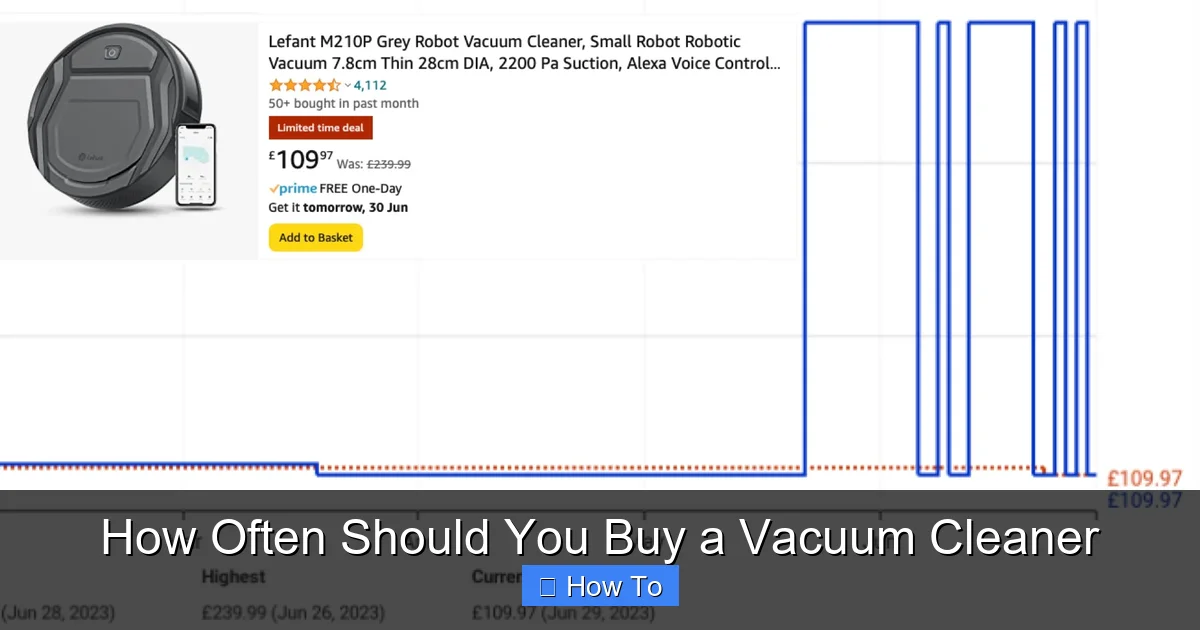
Visual guide about How Often Should You Buy a Vacuum Cleaner
Image source: cdn.mos.cms.futurecdn.net
Significant Loss of Suction Power
This is arguably the most common and frustrating sign. If your vacuum isn’t picking up dirt, dust, and debris as effectively as it used to, even after you’ve emptied the bin and cleaned the filters, it’s a major red flag. You might find yourself going over the same spot multiple times, or noticing that your carpets still look dirty after a thorough cleaning. This can indicate a weakened motor, worn-out seals, or persistent internal clogs that are difficult to reach.
Persistent Strange Noises or Odors
Vacuums aren’t silent, but they shouldn’t sound like a struggling lawnmower or smell like burning rubber. If you hear grinding, squealing, rattling, or unusually loud noises, it could point to a failing motor bearing, a broken fan, or an issue with the brush roll. A persistent burning smell often indicates that the motor is overheating or that a belt is slipping and burning. These are serious issues that could lead to complete failure if not addressed. If your vacuum consistently emits a bad odor, even after cleaning, it might be trapping bacteria or mold that is hard to eliminate.
Visible Damage and Wear
Take a good look at your vacuum. Are there cracks in the plastic housing? Is the hose torn or kinked beyond repair? Is the power cord frayed or exposing wires? Are the attachments broken or no longer fitting properly? Physical damage not only looks bad but can also compromise safety and efficiency. A damaged hose can lead to suction loss, and a frayed cord is a serious electrical hazard. Sometimes, these small damages accumulate to a point where the vacuum is simply not functional or safe anymore, making it clear that it’s time to buy a vacuum cleaner.
Frequent Breakdowns and Costly Repairs
Are you constantly fixing your vacuum? Do you feel like you’re spending more money on replacement belts, filters, and repair parts than the vacuum is worth? If your vacuum breaks down every few months or requires expensive professional repairs, it’s a sign of diminishing returns. At some point, the cumulative cost and hassle of repairs will far exceed the cost of a new, reliable machine. This brings us to a critical decision point: repair or buy a new vacuum cleaner?
Outdated Technology or Inefficiency
Sometimes, your vacuum isn’t broken, but it’s just not cutting it anymore. Maybe you’ve moved to a home with more carpet, or you’ve adopted a shedding pet, and your old machine just can’t handle the new demands. Perhaps you’re tired of lugging a heavy upright vacuum around and yearn for a lightweight cordless model. Or maybe you’re dealing with severe allergies and need a vacuum with advanced HEPA filtration that your current model lacks. In these cases, even a working vacuum might not be the right tool for the job, justifying the decision to buy a new vacuum cleaner that better suits your current needs.
Step 3: Maximize Your Vacuum Cleaner’s Lifespan
Want to avoid having to buy a vacuum cleaner too soon? Proper maintenance is your best friend! A little care goes a long way in keeping your vacuum running efficiently and extending its life.
Regular Cleaning and Maintenance
- Empty the Dustbin/Bag Frequently: Don’t wait until it’s overflowing. A full dustbin or bag restricts airflow and makes the motor work harder, reducing suction and potentially shortening its life. For bagless vacuums, empty the canister after every use or when it reaches the “max fill” line.
- Clean or Replace Filters: Filters are crucial for trapping dust and allergens. Clogged filters severely impede suction and put a strain on the motor. Check your vacuum’s manual for filter type (washable HEPA, disposable, etc.) and recommended cleaning/replacement schedules. Washable filters should be cleaned regularly and allowed to dry completely before reinserting.
- Inspect and Clean the Brush Roll: Hair, strings, and carpet fibers can get tangled around the brush roll, preventing it from spinning effectively. Turn off and unplug your vacuum, then carefully cut away any tangled debris with scissors. A clean brush roll means better dirt agitation and less strain on the motor.
- Check and Replace Belts: Many upright vacuums use a belt to power the brush roll. Over time, these belts can stretch, crack, or break. If your brush roll isn’t spinning, or if you notice a burning smell, check the belt. Replacing a belt is usually a simple and inexpensive fix.
- Clear Clogs: If you notice a sudden drop in suction, a clog is often the culprit. Check the hose, wand, and nozzle for blockages. Use a broom handle or a long, blunt object to dislodge debris, but never use sharp objects that could puncture the hose.
Proper Storage and Handling
How you store and handle your vacuum also impacts its longevity.
- Store in a Dry, Safe Place: Avoid storing your vacuum in damp basements or garages, which can damage electrical components. Keep it in a closet or designated area where it won’t be knocked over or have heavy objects placed on it.
- Handle with Care: Don’t yank the power cord from the outlet (this can damage both the cord and the outlet). Avoid running over the power cord with the vacuum itself. Don’t drop or toss your vacuum around. Treat it gently, and it will serve you longer.
Addressing Small Issues Promptly
Don’t ignore minor problems. A small clog today can lead to motor burnout tomorrow. A slightly frayed cord should be replaced immediately for safety. Being proactive about maintenance and small repairs can prevent bigger, more expensive problems down the line, ultimately delaying the need to buy a vacuum cleaner.
Step 4: Decide: Repair or Replace Your Vacuum?
This is often the trickiest part of owning any appliance. When your vacuum starts acting up, you face the classic dilemma: invest in a repair or cut your losses and buy a new vacuum cleaner?
Weighing Repair Costs Against Replacement Value
A good rule of thumb is the “50% rule.” If the cost of repairing your vacuum is more than 50% of the price of a new, comparable model, it’s almost always more economical to buy a new vacuum cleaner. For example, if your vacuum cost $300 new, and the repair bill is quoted at $180, you’re better off putting that $180 towards a brand new machine. Consider not just the repair cost, but also the potential for future breakdowns. A major repair might fix one issue, but if the machine is old, other components could fail soon after.
Considering the Age of Your Vacuum
The older your vacuum, the less sense it makes to invest heavily in repairs. If your vacuum is already 7-8 years old and facing a significant repair, its other components are also likely showing wear and tear. You might fix one part only to have another break a few months later. At this point, the initial investment in a new vacuum cleaner often provides better long-term value and reliability.
Availability of Parts and Service
Sometimes, repairs aren’t even an option. If your vacuum is an older model or from a less common brand, finding replacement parts can be difficult or impossible. Similarly, if there are no reputable service centers nearby, you might be stuck. Before committing to a repair, always check if parts are readily available and if a qualified technician can perform the work.
Step 5: When to Consider Upgrading Even Without Failure
You don’t always have to wait for your vacuum to die before you buy a new vacuum cleaner. Sometimes, an upgrade makes sense simply because your needs have changed or new technology offers significant advantages.
Changing Lifestyle or Home Needs
Life changes! Perhaps you’ve moved into a bigger house, or one with different flooring types (more hardwood, less carpet, or vice versa). Maybe you’ve added a shedding pet to the family, or you’re experiencing new allergies that require superior filtration. Your old vacuum, while still functional, might no longer be the most efficient or effective tool for your current situation. An upgrade can make your cleaning routine much easier and more effective.
Desire for Newer Features
Vacuum technology has come a long way. Newer models offer incredible features that can make cleaning less of a chore. Think about:
- Cordless Convenience: Freedom from outlets and tripping hazards.
- Advanced Filtration: HEPA filters capture tiny allergens, perfect for allergy sufferers.
- Smart Features: Robotic vacuums with app control, mapping, and scheduled cleaning.
- Lighter Weight and Ergonomics: Easier to maneuver, especially for multi-level homes.
- Specific Attachments: Tools designed for pet hair, delicate surfaces, or hard-to-reach areas.
If these features appeal to you and would significantly improve your cleaning experience, it might be a good time to consider buying a vacuum cleaner that offers them, even if your current one still works.
Conclusion
Deciding how often to buy a vacuum cleaner isn’t about following a strict timeline, but rather about being attentive to your machine’s performance, understanding its needs, and recognizing when its time has come. Most vacuums will serve you well for 5-8 years with proper care. By understanding the signs of wear, committing to regular maintenance, and carefully weighing repair costs against replacement value, you can extend your vacuum’s life and make smart decisions about when to invest in a new vacuum cleaner.
Whether you’re repairing your current trusted companion or excitedly researching a new, technologically advanced model, remember that a well-functioning vacuum cleaner is an investment in a cleaner, healthier home. Pay attention to the clues your vacuum gives you, and you’ll always know the right time to make your next move.
🎥 Related Video: 4 Vacuum Buying Rules Homeowners MUST Know!
📺 Vacuum Nerds
Here are the 4 Rules that everyone breaks when buying a vacuum. This one is just my experience. Canister vacuum …