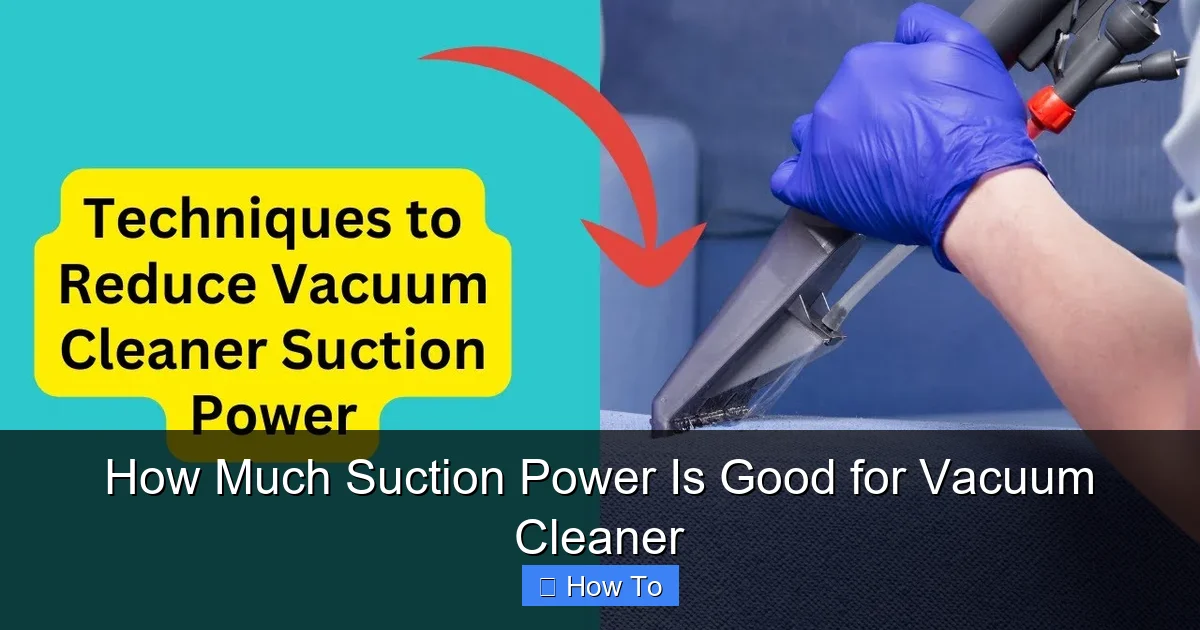
Choosing the right vacuum suction power isn’t a one-size-fits-all answer. It depends heavily on your flooring types, whether you have pets, and the kind of debris you regularly clean. Understanding metrics like Air Watts (AW) will help you make an informed decision, ensuring your vacuum effectively tackles your unique cleaning challenges without being overkill or underpowered. Ultimately, the best suction power for a vacuum cleaner perfectly matches your specific household needs and cleaning routine.
How Much Suction Power Is Good for Vacuum Cleaner
Welcome to the ultimate guide on vacuum cleaner suction power! If you’ve ever felt overwhelmed by technical specifications or wondered what “good” suction truly means for your home, you’re in the right place. Choosing a vacuum cleaner isn’t just about picking the one with the biggest numbers; it’s about finding the perfect match for your unique cleaning challenges.
In this comprehensive guide, we’ll demystify vacuum suction power. You’ll learn what the different metrics mean, how your home’s environment (like flooring, pets, and common debris) influences your needs, and how to pinpoint the ideal suction power for your next vacuum. We’ll also cover common issues that can affect suction and how to troubleshoot them, ensuring your vacuum performs optimally. By the end, you’ll be able to confidently answer the question: “How much suction power is good for *my* vacuum cleaner?”
Key Takeaways
- “Good” Suction Power is Relative: The ideal amount of suction power for a vacuum cleaner depends entirely on your specific cleaning needs, including flooring types, pet ownership, and typical debris.
- Air Watts (AW) is the Key Metric: When comparing vacuum cleaners, prioritize Air Watts (AW) as it measures both airflow and suction strength at the cleaning head, offering the most accurate indicator of real-world cleaning power.
- Flooring Dictates Needs: Hard floors and low-pile carpets require less suction power (100-150 AW) than high-pile carpets or homes with heavy pet hair (200-250+ AW).
- Pets Increase Demand: Homes with pets generally require vacuums with higher suction power and specialized brush rolls to effectively remove embedded pet hair and dander from various surfaces.
- Maintenance Sustains Suction: Regularly emptying dirt bins/bags, cleaning/replacing filters, and checking for clogs are crucial to maintaining consistent and effective suction power over time.
- Beyond Raw Suction: Consider other factors like brush roll design, filtration (HEPA), a sealed system, and specialized attachments, as these significantly contribute to a vacuum’s overall cleaning performance, even with moderate suction.
Quick Answers to Common Questions
What’s the best metric for suction power?
Focus on Air Watts (AW). It combines airflow and suction strength, giving you the most accurate picture of a vacuum’s actual cleaning capability.
Do carpets need more suction power than hard floors?
Yes, generally. Carpets, especially high-pile ones, require stronger suction and a good brush roll to effectively dislodge and pick up embedded dirt and debris.
How does pet ownership affect suction needs?
Homes with pets often need higher suction power (200+ AW) and specialized pet hair tools to effectively remove embedded hair and dander from carpets and upholstery.
Is it bad to have too much suction power?
While generally more suction is better, excessively strong suction can sometimes make it harder to push the vacuum on very thick carpets or potentially damage delicate rugs. However, most quality vacuums have adjustable suction for this reason.
Can a vacuum lose suction over time?
Yes! This is usually due to common issues like a full dirt bin/bag, clogged filters, or blockages in the hose or brush roll. Regular maintenance is key to sustained performance.
Understanding Vacuum Cleaner Suction Power Metrics
When you’re shopping for a vacuum, you’ll often encounter various terms related to suction power. It can be confusing! Let’s break down the most common ones so you know which numbers truly matter.
Air Watts (AW): The Gold Standard
If you remember only one metric, make it Air Watts (AW). This is arguably the most reliable indicator of a vacuum cleaner’s effective cleaning power. Air Watts measure the amount of power consumed by a vacuum to carry a unit of air through an opening. Essentially, it combines two crucial elements:
- Airflow (CFM): How much air the vacuum moves.
- Water Lift (kPa): How much suction strength the vacuum generates.
A higher Air Watt rating generally means better cleaning performance, especially on carpets and for picking up heavier debris. It’s a great way to compare the actual cleaning efficiency of different models.
Pascals (Pa) & Kilopascals (kPa): Static Pressure
Pascals (Pa) and Kilopascals (kPa) measure static pressure or “water lift.” This metric indicates the strength of the vacuum’s suction without considering airflow. Think of it as how strongly the vacuum can pull against a sealed surface. While high kPa sounds impressive, it doesn’t tell the whole story. A vacuum could have high static pressure but low airflow, making it less effective at moving dirt through the hose. It’s an important component of suction, but not the only one.
Cubic Feet per Minute (CFM) & Liters per Second (L/s): Airflow
CFM (Cubic Feet per Minute) or L/s (Liters per Second) measure airflow – how much air the vacuum moves per minute or second. High airflow is fantastic for picking up lighter debris like dust, pet hair, and crumbs from hard floors. However, a vacuum with high airflow but low static pressure might struggle to dislodge embedded dirt from deep carpets or suck up heavier particles.
Motor Watts (W): Not a Direct Suction Indicator
You’ll often see vacuums advertised with their motor wattage (e.g., 1200W, 2000W). This number tells you how much electrical power the motor consumes, not how much suction power it generates at the nozzle. A high motor wattage doesn’t automatically equate to high suction power. A more efficient motor might use fewer watts to produce the same or even better suction than a less efficient, higher-wattage motor. So, while it’s a specification, don’t use motor watts as your primary guide for effective suction.
Factors That Define “Good” Suction Power for You
There’s no universal answer to how much suction power is good for a vacuum cleaner. It’s all about your individual needs. Let’s explore the factors that will help you determine your ideal suction level.
Your Flooring Types
This is perhaps the biggest determinant.
- Hard Floors (Hardwood, Tile, Laminate, Vinyl): These surfaces generally require less raw suction power. A vacuum with moderate airflow is often more important here to effectively pick up dust, crumbs, and light debris without scattering it. A good brush roll or specialized hard floor tool is often more critical than extreme suction. Around 100-150 Air Watts is typically sufficient.
- Low-Pile Carpets and Area Rugs: For these, you’ll need a bit more power to effectively remove dirt trapped in the fibers. Moderate suction combined with an effective brush roll will do the trick. Aim for 150-200 Air Watts.
- Medium to High-Pile Carpets and Shag Rugs: This is where high suction power truly shines. Deep-pile carpets can hide a lot of dirt, and you need significant power to agitate the fibers and extract embedded grime. For these, consider vacuums with 200-250+ Air Watts, along with a powerful motorized brush roll.
The Type of Debris You’re Cleaning
What kind of mess are you typically dealing with?
- Light Dust, Crumbs, Pet Hair (Surface Level): Moderate suction and good airflow are usually enough.
- Embedded Dirt, Sand, Small Stones: You’ll need higher suction strength to lift these heavier, more stubborn particles.
- Fine Powders (e.g., drywall dust, flour): While good suction is important, excellent filtration (like HEPA) and a sealed system become paramount to prevent these fine particles from being released back into the air.
The Presence of Pets
Pets bring a unique set of cleaning challenges, primarily pet hair and dander.
- Pet Hair: It embeds itself deeply into carpets and sticks to upholstery. For homes with pets, especially those that shed a lot, you’ll want a vacuum cleaner with robust suction power (200+ Air Watts) and, critically, an excellent motorized brush roll or specialized pet tools. Good airflow is also key to preventing hair clogs.
- Allergens: Pet dander is a common allergen. A vacuum with a sealed system and HEPA filtration is highly recommended to trap these tiny particles.
Addressing Allergies and Asthma
If anyone in your household suffers from allergies or asthma, suction power is important, but filtration and a sealed system are even more so. A vacuum with strong suction helps capture more allergens and dust from surfaces, but a high-quality HEPA filter and a completely sealed system prevent those captured particles from escaping back into the air. Look for vacuums specifically certified for allergy sufferers, typically with 180+ Air Watts and advanced filtration.
The Type of Vacuum Cleaner
Different vacuum types naturally have different average suction power.
- Upright Vacuums: Often designed for carpets, they tend to have strong suction and powerful brush rolls, especially near the cleaning head. Good for overall home cleaning.
- Canister Vacuums: Versatile with adjustable suction, often excellent for hard floors and delicate rugs, but many models also offer strong suction for carpets.
- Stick Vacuums (Cordless): Generally lighter with moderate suction, ideal for quick clean-ups and smaller homes. Their portability often means a trade-off in raw power compared to full-sized models, though high-end models can be surprisingly powerful (often 100-200 AW).
- Robot Vacuums: Designed for maintenance cleaning, their suction power is usually lower (20-100 AW is common). They excel at daily upkeep but aren’t meant for deep cleaning.
- Handheld Vacuums: For spot cleaning, very portable with limited suction (20-60 AW) and battery life.
Bagged vs. Bagless Systems
This choice can affect sustained suction.
- Bagged Vacuums: Often maintain more consistent suction as the bag fills, as dirt is contained and doesn’t directly obstruct airflow to the motor. Bags act as a filter, and when they are full, suction will drop.
- Bagless Vacuums: Can experience a more noticeable drop in suction as the dirt bin fills and filters become clogged, requiring more frequent emptying and filter cleaning. However, modern bagless designs have improved significantly.
The Role of Attachments and Brush Rolls
Raw motor suction is only part of the equation.
- Brush Rolls: A good motorized brush roll (or beater bar) is crucial for agitating carpet fibers and lifting embedded dirt and pet hair. It works in conjunction with suction, making the vacuum far more effective than suction alone on carpets.
- Attachments: Crevice tools, upholstery brushes, and dusting brushes are designed to concentrate suction or provide gentle cleaning. The effectiveness of these tools relies on the base unit’s suction power.
Determining Your Ideal Suction Power: A Step-by-Step Guide
Now that you understand the variables, let’s walk through how to figure out what’s good for *your* vacuum cleaner.
Step 1: Assess Your Home and Cleaning Needs
Grab a pen and paper, or just think through these questions:
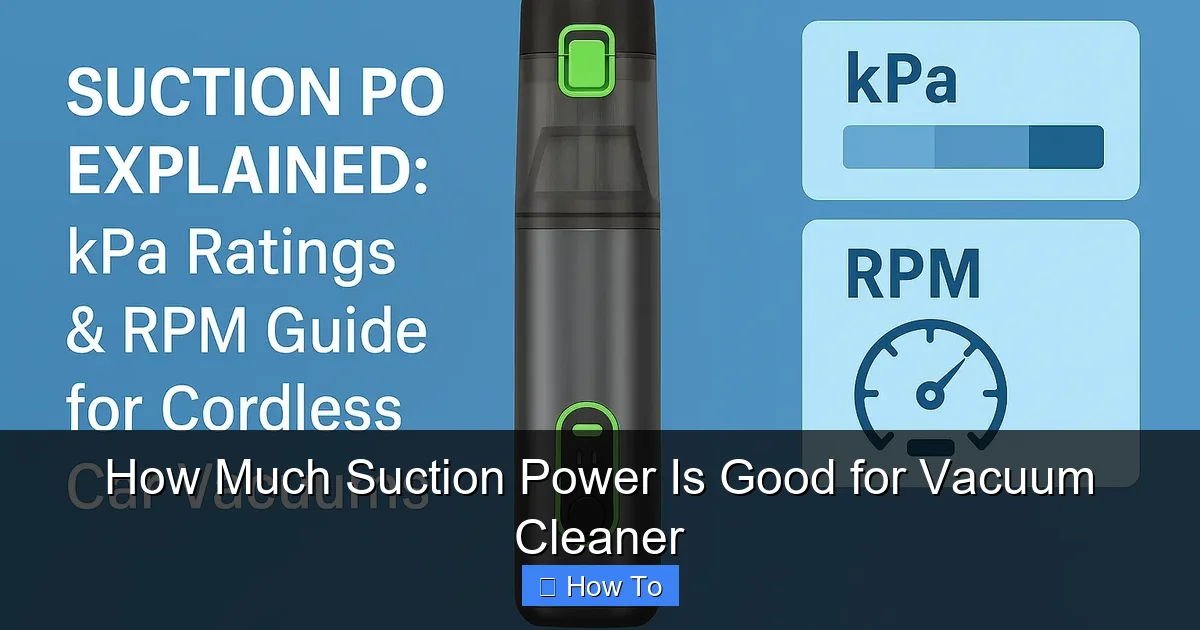
Visual guide about How Much Suction Power Is Good for Vacuum Cleaner
Image source: kinzirairduster.com
- What types of flooring do you have, and in what proportion? (e.g., 70% hardwood, 20% low-pile carpet, 10% high-pile rug).
- Do you have pets? How many? Do they shed a lot?
- What kind of debris do you typically clean? (e.g., everyday dust, pet hair, kids’ crumbs, tracked-in sand, workshop debris).
- Does anyone in your home have allergies or asthma?
- How often do you vacuum? (Daily spot cleaning vs. weekly deep cleaning).
- What type of vacuum form factor do you prefer? (Upright, canister, stick, robot).
Step 2: Understand the Suction Power Metrics That Matter Most
Based on your assessment, remember to focus primarily on Air Watts (AW) when comparing models. It’s the most practical measure of real-world cleaning power.
Step 3: Match Your Needs to Recommended Air Watt Ranges
Here’s a general guideline for how much suction power is good for a vacuum cleaner, based on Air Watts:
- Light Cleaning / Hard Floors / Small Apartments (Minimal Carpet): 100-150 AW. Perfect for quick clean-ups, dust, and light debris on hard surfaces.
- General Home Use / Mixed Flooring (Low-to-Medium Pile Carpet, Some Pets): 150-220 AW. A good all-around range for most households with a mix of hard floors and carpets, and perhaps a moderate amount of pet hair.
- Heavy-Duty Cleaning / High-Pile Carpet / Multiple Pets / Allergy Sufferers: 220+ AW. This range is ideal for deep cleaning, homes with significant pet hair, thick carpets, or for those who need maximum allergen removal. Some premium models can go up to 300+ AW.
Remember, these are guidelines. A vacuum with 180 AW and an excellent brush roll might outperform a 200 AW vacuum with a mediocre one.
Step 4: Factor In Other Performance-Enhancing Features
As discussed earlier, raw suction isn’t everything. When making your final decision, also consider:
- Brush Roll Type: Is it motorized? Does it have adjustable height or bristles for different floor types?
- Filtration: Does it have a HEPA filter? Is the system sealed?
- Attachments: Does it come with the right tools for upholstery, crevices, and pet hair?
- Maneuverability and Weight: A powerful vacuum that’s too heavy or cumbersome might not get used as often.
Troubleshooting Common Suction Problems
Even the best vacuum cleaners can lose suction over time. Before you blame the motor, check these common culprits.
Check for Clogs
The most frequent cause of lost suction is a clog. Inspect the hose, wand, and the opening where the hose connects to the vacuum body. You can often clear these with a broom handle or a long, flexible tool (unplug the vacuum first!). Also, check the brush roll for tangled hair or debris.
Empty the Dirt Bin/Bag
A full dirt bin or bag significantly restricts airflow and reduces suction. Empty your bagless canister frequently (before the “max fill” line) or replace your vacuum bag when it’s about two-thirds full.
Clean or Replace Filters
Clogged filters are another major cause of reduced suction power. Most vacuums have washable pre-motor filters and sometimes post-motor filters. Refer to your manual for cleaning instructions and replacement schedules. Clean filters regularly to maintain optimal airflow.
Inspect the Brush Roll
A brush roll tangled with hair or string can impede its rotation and effectiveness, making it harder for the vacuum to pick up debris, especially from carpets. Regularly remove hair and debris from the brush roll.
Check for Leaks in the System
Any cracks in the hose, loose connections, or improperly sealed filters can cause a loss of suction. Inspect all components for damage or incorrect seating.
Beyond Raw Suction: A Holistic View of Vacuum Performance
While “how much suction power is good for vacuum cleaner” is a vital question, it’s just one piece of the puzzle. A truly effective vacuum cleaner integrates suction power with other smart design choices.
Brush Roll Design and Effectiveness
A powerful motor with a poorly designed brush roll is like a fast car with bad tires. On carpets, the brush roll does most of the work to agitate and lift dirt. Look for brush rolls with strong, well-spaced bristles that are easy to clean.
Advanced Filtration Systems (HEPA)
For allergy sufferers, a HEPA filter is a must. These filters trap 99.97% of particles as small as 0.3 microns, including dust mites, pollen, and pet dander. Combine this with good suction to capture allergens and keep them locked away.
A Truly Sealed System
Even with a HEPA filter, if the vacuum isn’t sealed, tiny particles can escape through gaps in the casing. A fully sealed system ensures that all the air drawn into the vacuum passes through the filter before being expelled, guaranteeing cleaner air.
Specialized Attachments and Tools
The right tools can make a moderate-suction vacuum surprisingly versatile. A pet hair tool, a crevice tool for tight spaces, or a delicate dusting brush can extend your vacuum’s capabilities far beyond just floor cleaning.
Ergonomics and Usability
A vacuum that’s easy to maneuver, lightweight enough for stairs, and comfortable to use will be used more frequently and effectively. Consider cord length, weight, and hose flexibility.
Noise Levels and Durability
A high-performing vacuum doesn’t have to be deafening. Many modern vacuums offer strong suction with surprisingly low noise levels. And, of course, a durable vacuum built with quality materials will last longer and perform better over time.
Conclusion
Determining “how much suction power is good for vacuum cleaner” isn’t about finding the highest number; it’s about finding the *right* number for your unique home. By understanding the different suction metrics (especially Air Watts), assessing your flooring, pet situation, and typical cleaning challenges, and considering other crucial features like brush rolls and filtration, you can make an informed decision.
Remember, a powerful vacuum cleaner is an investment in a cleaner, healthier home. Choose wisely, maintain your machine regularly, and enjoy the satisfaction of a truly spotless space!
🎥 Related Video: Vacuum Cleaner Suction Power Test Part 3 From Cool Lab
📺 Cool Gadget
CoolGadget VS ThisWork. Who is the king of Vacuum Cleaner?