
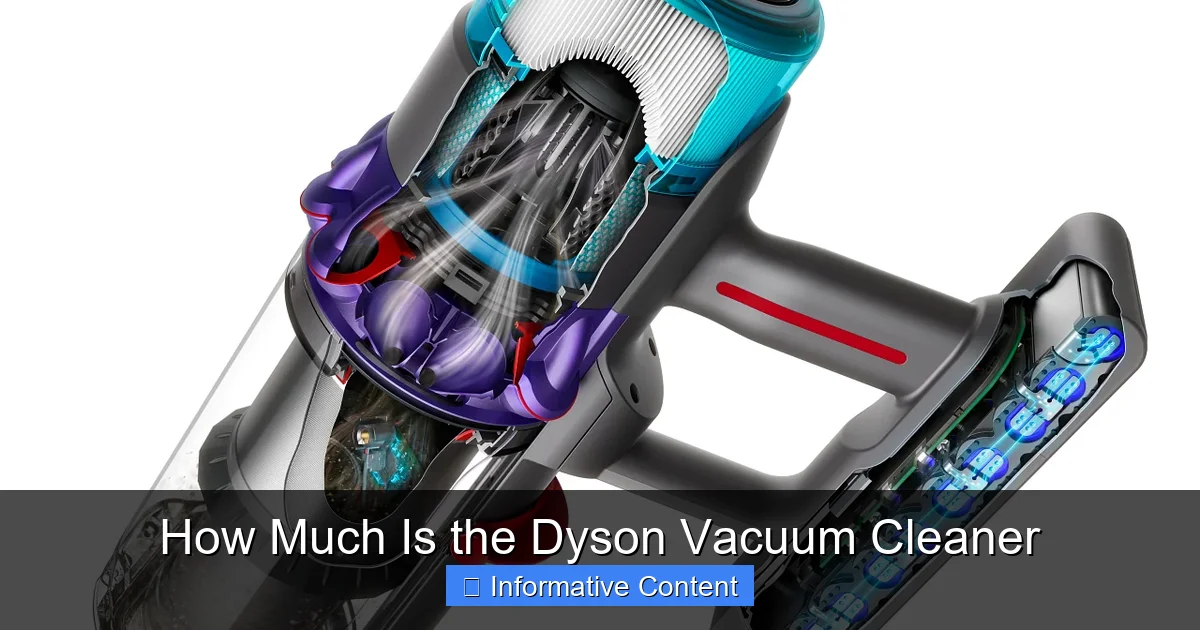
Curious how much is the Dyson vacuum cleaner? Dyson vacuums typically range from $300 to over $1,000, with prices varying significantly based on model, technology, and included features. While a substantial investment, many find their superior performance, innovative design, and durability justify the cost for a cleaner, healthier home.
Ah, the Dyson vacuum cleaner. Just hearing the name conjures images of sleek design, powerful suction, and perhaps, a little bit of sticker shock. If you’re on the hunt for a new vacuum, chances are a Dyson has crossed your mind. But then comes the big question: how much is the Dyson vacuum cleaner, really? And why does it seem to cost more than a small used car?
You’re not alone in pondering this. Dyson has built a reputation not just for innovative engineering, but also for its premium pricing. These aren’t your average household cleaning appliances; they’re often seen as an investment in a cleaner, healthier home. But is that investment always worth it? And what exactly goes into that price tag? Let’s dive deep into the world of Dyson vacuums to understand their cost, their value, and how you can make an informed decision for your cleaning needs.
In this comprehensive guide, we’ll break down the various Dyson models, explore what makes them so expensive, weigh the pros and cons of owning one, and even give you some savvy tips on how to snag one without completely breaking the bank. By the end, you’ll have a clear picture of what to expect when you ask, “how much is the Dyson vacuum cleaner?”
Key Takeaways
- Wide Price Range: Dyson vacuum cleaners generally cost between $300 and $1,200+, with prices fluctuating based on model, features, and technology.
- Innovation Drives Cost: The higher price tag is a direct result of Dyson’s extensive research and development, proprietary motor technology, advanced filtration, and premium materials.
- Model Diversity: Prices vary significantly across Dyson’s product lines, including cordless stick vacuums (most popular), uprights, robot vacuums, and specialized handheld units.
- Key Price Influencers: Factors like motor power, battery life, intelligent sensing features (e.g., laser dust detection, dust count), and the array of included accessories directly impact the final cost.
- Investment Value: Many users consider a Dyson vacuum a worthwhile long-term investment due to its powerful suction, durable build, superior filtration, and innovative design, often backed by a solid warranty.
- Saving Strategies: You can save money by shopping during major sales events, considering certified refurbished models, opting for older generation models, or looking for bundled deals from authorized retailers.
Quick Answers to Common Questions
What is the average price range for a new Dyson vacuum cleaner?
A new Dyson vacuum cleaner typically ranges from $300 to over $1,200, depending on the model, features, and whether it’s an older generation or the latest release.
Why are Dyson vacuum cleaners so expensive?
Dyson vacuums are expensive due to their extensive research and development, proprietary high-performance digital motors, premium materials, advanced filtration systems, and innovative features like laser dust detection.
Are refurbished Dyson vacuums a good option to save money?
Yes, certified refurbished Dyson vacuums can be an excellent way to save money. They are thoroughly inspected, repaired, and tested by Dyson, often come with a warranty, and perform like new for a significantly lower price.
Do Dyson vacuums go on sale often?
Dyson vacuums do go on sale, particularly during major holiday sales events like Black Friday, Cyber Monday, Amazon Prime Day, and other seasonal promotions. Subscribing to newsletters from Dyson and authorized retailers can help you track these discounts.
What is the most expensive Dyson vacuum cleaner?
The most expensive Dyson vacuum cleaners are typically their latest generation cordless stick vacuums, such as the Dyson Gen5detect or Gen5outsize, which can cost $999 to over $1,200, due to their cutting-edge technology and features.
📑 Table of Contents
Understanding the Dyson Price Tag: Why Are They So Expensive?
Before we even get to specific numbers, it’s crucial to understand why Dyson vacuums command such a high price. It’s not just about the name; there’s a lot of engineering and innovation packed into every machine. When you’re asking how much is the Dyson vacuum cleaner, you’re also asking about the cost of cutting-edge technology.
Innovation and Research & Development
Dyson spends an astronomical amount on research and development. They don’t just tweak existing designs; they reimagine how products work from the ground up. This involves hundreds of engineers, scientists, and designers constantly pushing the boundaries of what a vacuum cleaner can do. Think about features like cyclonic separation that prevents loss of suction, digital motors that spin at incredible speeds, or laser detection for microscopic dust – these are all results of significant R&D investments. This continuous innovation isn’t cheap, and a portion of that cost is naturally passed on to the consumer.
Proprietary Motor Technology and Suction Power
At the heart of every Dyson vacuum is a powerful, often proprietary, digital motor – like the Hyperdymium motor. These motors are incredibly small, lightweight, and spin at speeds up to 125,000 rpm (revolutions per minute), generating immense suction power. Developing and manufacturing these high-performance motors requires specialized technology and precision engineering, which contributes significantly to the overall cost. This superior suction is a key reason many people consider the investment worthwhile.
Premium Materials and Build Quality
Dyson vacuums are known for their robust build quality and use of high-grade materials. From durable plastics to carbon fiber components, these machines are designed to withstand years of rigorous use. This commitment to quality materials and manufacturing processes ensures longevity and durability, but it also increases production costs compared to vacuums made with cheaper components. When you ask how much is the Dyson vacuum cleaner, remember you’re often paying for a product built to last.
Brand Value and Reputation
Let’s be honest, brand perception plays a role. Dyson has successfully positioned itself as a premium brand synonymous with innovation, performance, and design. This strong brand identity allows them to price their products at the higher end of the market. Consumers often associate the Dyson name with reliability and cutting-edge features, creating a demand that supports their pricing strategy. This is part of the answer to how much is the Dyson vacuum cleaner in terms of perceived value.
Dyson’s Diverse Range: A Model-by-Model Price Guide
So, exactly how much is the Dyson vacuum cleaner when you look at specific models? The price can vary wildly depending on the type of vacuum and its features. Dyson offers several categories, each with its own price range. Keep in mind that prices are approximate and can change based on retailers, sales, and new model releases.
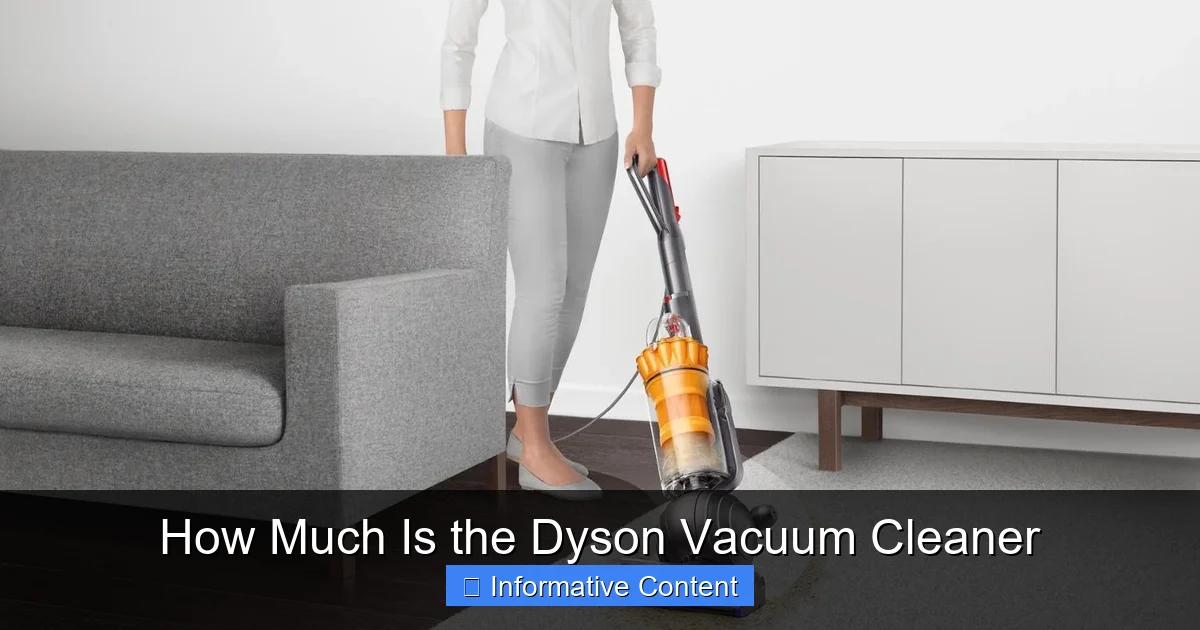
Visual guide about How Much Is the Dyson Vacuum Cleaner
Image source: dyson-h.assetsadobe2.com
Cordless Stick Vacuums (The Most Popular)
This is where Dyson truly shines and offers the broadest range. Their cordless stick vacuums are designed for versatility and convenience.
- Dyson V Series (V8, V10, V11, V12): These models typically range from $300 (for older V8 models, especially during sales) to $700. As the numbers go up, so do the power, battery life, and features. For example, the V12 Detect Slim often comes with laser detection.
- Dyson Outsize Series: These are larger versions of the stick vacuums, designed for bigger homes with larger dustbins and longer runtimes. Expect to pay between $700 and $900 for these models.
- Dyson Gen5detect/Gen5outsize: As Dyson’s latest and most advanced cordless stick vacuums, these sit at the very top of the price range. They feature their most powerful motor, advanced filtration, and intelligent dust sensing. Prices usually start around $999 and can go up to $1,200+.
Upright Vacuums (For Traditionalists)
While stick vacuums dominate the market, Dyson still offers powerful upright models that are excellent for deep cleaning carpets.
- Dyson Ball Animal Series: These are known for their strong suction and ability to tackle pet hair and tough messes. They typically range from $400 to $600. While less frequently updated than the stick vacs, they remain a solid choice for those who prefer an upright.
Robot Vacuums (Smart Cleaning)
Dyson has entered the robot vacuum market with advanced models that combine powerful suction with intelligent navigation.
- Dyson 360 Vis Nav: This is Dyson’s latest and most sophisticated robot vacuum, boasting powerful suction and advanced navigation features. As a premium robot, its price point is usually at the higher end, often around $1,000 to $1,200.
Handheld & Specialty Vacuums
Dyson also offers compact solutions for quick clean-ups.
- Dyson V7 Car+Boat Handheld: Designed for portability and specific tasks, these smaller units are more affordable, typically ranging from $200 to $300.
- Dyson Omni-glide: This unique model is designed for hard floors with omnidirectional movement, often priced around $400 to $500.
Key Factors Influencing a Dyson Vacuum’s Cost
Beyond the model type, several specific features and technologies directly affect how much is the Dyson vacuum cleaner you’re considering. Understanding these can help you decide which features are truly essential for your cleaning habits.
Motor Technology and Suction Power
As mentioned, Dyson’s digital motors are a huge factor. Newer models, like the Gen5detect, boast the most powerful Hyperdymium motors, which means higher suction power and more efficient cleaning. More advanced motors cost more to produce and integrate, pushing up the final price.
Battery Life and Runtime
For cordless models, battery life is crucial. Higher-end models feature more advanced batteries that offer longer runtimes and often have swappable battery packs (like on some Outsize models) for continuous cleaning. A larger, more sophisticated battery system adds to the manufacturing cost.
Advanced Filtration Systems
Dyson prides itself on its whole-machine filtration, often capturing 99.99% of microscopic particles, including allergens and pet dander. The latest models feature even more advanced, fully sealed filtration systems (like HEPA filtration on the Gen5detect) that ensure cleaner air. These multi-stage, sealed systems are complex and costly to implement.
Smart Features and Digital Displays
Modern Dyson vacuums come packed with smart features. The laser detect technology on the V12 Detect Slim and Gen5detect illuminates microscopic dust on hard floors, making it visible. The piezoelectric sensor measures dust particles, displaying a real-time count on an LCD screen, giving you proof of a deep clean. These sensors and integrated digital displays add significant technological value and, consequently, cost.
Included Attachments and Accessories
The number and type of tools that come with your Dyson can also impact the price. Premium models often include specialized cleaning heads (like the Fluffy Optic for hard floors or the Hair Screw tool for pet hair), extra attachments for upholstery, crevices, and stairs, and sometimes even a charging dock. A more comprehensive accessory kit usually means a higher price point.
Is a Dyson Vacuum Worth the Investment? Weighing the Pros and Cons
This is the million-dollar question for many consumers: Is it truly worth spending so much? When evaluating how much is the Dyson vacuum cleaner, you have to consider the value it delivers.
The Upside: Performance, Durability, and Design
- Unmatched Suction Power: Dyson vacuums consistently rank among the most powerful on the market. This translates to deeper cleaning, especially on carpets, and more efficient removal of dirt, dust, and pet hair.
- Innovative Technology: Features like laser detection, dust sensing, and advanced filtration genuinely improve the cleaning experience and air quality in your home.
- Superior Filtration: For allergy sufferers, Dyson’s sealed filtration systems are a major benefit, capturing tiny particles and expelling cleaner air.
- Durable and Long-Lasting: While the upfront cost is high, Dyson vacuums are built to last. Many owners report their machines performing excellently for many years, often outliving cheaper alternatives.
- Sleek Design: Dyson products are often described as works of art. Their ergonomic design and futuristic aesthetic make cleaning a less dreadful chore for some.
- Excellent Warranty: Dyson typically offers generous warranties (2-5 years) and good customer support, giving you peace of mind with your investment.
The Downside: Initial Cost and Specific Needs
- High Upfront Price: This is the most obvious con. The initial investment can be a significant barrier for many budgets.
- Battery Life (for older cordless models): While newer models have improved significantly, older cordless Dyson models sometimes had shorter battery runtimes, requiring frequent recharging, which could be frustrating for larger homes.
- Maintenance: Filters need regular cleaning, and brushes can get tangled with hair, requiring periodic maintenance to maintain optimal performance.
- Weight (for some models): While stick vacuums are generally light, some of the upright models can be quite heavy for certain users.
Long-Term Value and Warranty
Ultimately, the “worth” depends on your priorities. If you value cutting-edge technology, powerful performance, superior filtration, and a durable appliance that stands the test of time, then the answer to “how much is the Dyson vacuum cleaner” might shift from “too much” to “a justifiable investment.” Over its lifespan, a Dyson might even prove more cost-effective than frequently replacing cheaper, less effective vacuums. Plus, the standard warranty gives you peace of mind.
Navigating the Market: How to Find the Best Deals on Dyson
So, you’ve decided a Dyson is for you, but you still want to be smart about the purchase. While the price might seem fixed, there are definitely ways to reduce how much is the Dyson vacuum cleaner you ultimately pay.
Shop During Sales Events
Major holidays and sales periods are prime times to find discounts. Look out for deals during:
- Black Friday/Cyber Monday: Arguably the best time of year for significant discounts.
- Amazon Prime Day: Mid-summer sales event often features Dyson deals.
- Memorial Day, Labor Day, 4th of July Sales: U.S. holidays frequently bring price reductions.
- End-of-Year Sales: Retailers often clear out inventory towards the end of the year.
Subscribing to Dyson’s email list or checking major retailers’ flyers can alert you to upcoming sales.
Consider Certified Refurbished Models
Dyson offers certified refurbished vacuums directly on their website and through authorized retailers like eBay. These are often returns that have been thoroughly inspected, repaired (if necessary), cleaned, and tested to meet original performance standards. They come with a Dyson warranty (often 6 months to a year) and can offer substantial savings, sometimes 20-40% off the new price. This is a fantastic way to get a Dyson for less.
Explore Older Generations
When a new model like the Gen5detect is released, the prices of the preceding models (V11, V12) often drop. While they might not have every single latest feature, older generations still offer incredible performance and many of Dyson’s core technologies at a more accessible price point. Don’t dismiss a V10 or V11 simply because a V15 or Gen5 is out.
Check Authorized Retailers and Dyson Direct
Always buy from authorized retailers like Best Buy, Amazon, Target, Walmart, or directly from Dyson.com. These sources ensure you’re getting a genuine product, a valid warranty, and access to customer support. Sometimes, different retailers will have exclusive bundles or slightly varied pricing, so it pays to compare.
Utilize Trade-in Programs or Bundles
Occasionally, Dyson or its retailers might offer trade-in programs where you can get a discount on a new vacuum by trading in an old one. Also, keep an eye out for bundles that include extra attachments or a stand for a slightly increased price, which can be a better value than buying accessories separately.
In conclusion, when you ask “how much is the Dyson vacuum cleaner?”, the answer is multifaceted. It’s a premium product with a premium price, but that price is justified by years of innovation, powerful performance, and durable construction. By understanding what drives the cost and knowing how to shop strategically, you can bring the power of Dyson cleaning into your home without necessarily emptying your entire wallet.
Conclusion
So, we’ve journeyed through the intricate world of Dyson vacuum cleaners, peeling back the layers of technology, design, and market strategy that dictate their price. From the cutting-edge Hyperdymium motors to the laser-detecting cleaning heads, every feature contributes to the answer of how much is the Dyson vacuum cleaner. You’ve seen that prices can range widely, from around $300 for entry-level or older models to over $1,200 for the latest, most feature-rich machines.
While the initial cost is undeniably a significant investment, many users find that the superior suction, advanced filtration, innovative design, and robust durability of a Dyson vacuum make it a worthwhile long-term purchase. It’s not just about cleaning your floors; it’s about improving your home’s air quality and enjoying a more efficient, even satisfying, cleaning experience. By considering certified refurbished options, shopping during major sales, and exploring previous generations, you can often find a Dyson that fits your budget without compromising on the quality and performance the brand is known for.
Ultimately, the decision of whether a Dyson is “worth it” comes down to your individual needs, budget, and priorities. But now, armed with a deeper understanding of what goes into that famous price tag, you’re much better equipped to answer the question, “how much is the Dyson vacuum cleaner?” for yourself, and make a choice that leaves your home spotless and your wallet feeling as comfortable as possible.
Frequently Asked Questions
How much does the latest Dyson Gen5detect typically cost?
The latest Dyson Gen5detect, known for its powerful motor and advanced filtration, typically costs around $999 to $1,200, depending on the retailer and any ongoing promotions. It represents the pinnacle of Dyson’s cordless vacuum technology.
Is the Dyson V11 still a good value compared to newer models?
Yes, the Dyson V11 remains an excellent value, especially if you can find it on sale. While newer models like the V12 Detect Slim or Gen5detect offer additional features like laser detection, the V11 still provides powerful suction, good battery life, and smart features that make it a highly capable cleaning machine.
What’s the price difference between Dyson’s stick and upright vacuums?
Generally, Dyson’s cordless stick vacuums have a wider and often higher price range, from $300 up to $1,200+ for the newest models. Their upright vacuums, like the Ball Animal series, tend to be in a more consistent mid-range of $400 to $600.
Does the included attachments influence how much is the Dyson vacuum cleaner?
Absolutely. Models that come with a more comprehensive suite of specialized cleaning heads and accessories, such as the Fluffy Optic cleaner head or the Hair Screw tool, will typically have a higher price point than basic configurations.
Are Dyson robot vacuums more expensive than their stick vacuums?
Dyson’s robot vacuums, like the 360 Vis Nav, are often comparable to or even more expensive than their high-end stick vacuums. This is due to the additional robotics, smart navigation technology, and connectivity features they incorporate, typically ranging from $1,000 to $1,200+.
How long does a Dyson vacuum typically last to justify its cost?
With proper care and maintenance, a Dyson vacuum cleaner can typically last 7-10 years or even longer. This extended lifespan, combined with their superior performance and durable build, is a key factor many owners consider when justifying the initial higher cost compared to frequently replacing cheaper alternatives.