
Understanding how much a vacuum cleaner weighs is crucial for choosing the right model for your home and physical capabilities. This comprehensive guide breaks down the factors influencing vacuum weight, from the type of cleaner to its materials and features. You’ll learn the typical weight ranges for uprights, canisters, stick, handheld, and robotic vacuums, along with practical steps on how to find your specific vacuum cleaner’s weight. Ultimately, selecting a vacuum with the appropriate weight can significantly enhance your cleaning experience, making it more comfortable and efficient.
How Much Does a Vacuum Cleaner Weight
When you’re shopping for a new vacuum cleaner, you probably think about suction power, filtration, capacity, and price. But there’s another crucial factor that often gets overlooked: weight. Understanding how much a vacuum cleaner weighs isn’t just a trivial detail; it significantly impacts your cleaning experience, comfort, and efficiency. A vacuum that’s too heavy can make cleaning feel like a strenuous workout, while one that’s too light might lack certain features or power you need.
This comprehensive guide will help you understand everything about vacuum cleaner weight. We’ll explore the various factors that influence how much these essential appliances tip the scales, break down typical weight ranges for different types of vacuums, and provide practical tips on how to find the exact weight of a specific model. By the end, you’ll be well-equipped to choose a vacuum that not only cleans effectively but also feels just right in your hands.
Key Takeaways
- Weight Varies Greatly by Type: The typical weight of a vacuum cleaner ranges significantly, from less than 3 lbs for handheld models to over 20 lbs for heavy-duty uprights or shop vacuums.
- Factors Influence Weight: Key factors determining how much a vacuum weighs include its type (upright, stick, robot), materials used, motor size, battery capacity (for cordless models), and included accessories.
- Weight Impacts Usability: A vacuum’s weight directly affects its portability, maneuverability, ease of storage, and the physical effort required to use it, especially when navigating stairs or multiple rooms.
- Finding the Weight is Easy: You can typically find a vacuum cleaner’s weight listed in the manufacturer’s specifications, on product descriptions online, in the user manual, or by simply using a household scale.
- Choose Weight Based on Needs: Consider your physical strength, home size, layout, and how often you’ll be carrying the vacuum when deciding what weight is ideal for your household.
- Lightweight Doesn’t Mean Less Powerful: While some heavier vacuums are powerful, many modern lightweight models offer excellent cleaning performance, making them suitable for everyday use without strain.
Quick Answers to Common Questions
How does battery size affect a cordless vacuum’s weight?
Larger, higher-capacity batteries provide longer run times but also add significant weight to cordless stick and handheld vacuums, directly impacting their portability and how heavy they feel during use.
Is a heavier vacuum always more powerful?
Not necessarily. While many powerful, heavy-duty vacuums do weigh more due to larger motors and robust construction, modern technology allows many lightweight vacuums to deliver excellent suction and cleaning performance without the added bulk.
What’s the best weight for a vacuum if I have stairs?
For homes with stairs, a lightweight stick vacuum (3-8 lbs) or a canister vacuum (where you only carry the lightweight wand and hose up and down) is generally recommended to minimize physical strain and make cleaning easier.
Does the weight listed by the manufacturer include accessories?
Typically, the manufacturer-listed “product weight” or “unit weight” refers to the main vacuum unit itself, sometimes including the main floor head. It usually does not include the weight of all separate attachments and hoses, which are often stored separately.
Can a vacuum cleaner become heavier over time?
Yes, temporarily. As the dustbin or bag fills with dirt, debris, and pet hair, the vacuum cleaner will naturally become heavier. Regularly emptying the collection bin helps maintain its optimal operating weight and performance.
Why Vacuum Cleaner Weight Matters
Before diving into the numbers, let’s consider why the weight of your vacuum cleaner is so important. It’s more than just a number; it affects several aspects of your cleaning routine.
Portability and Maneuverability
Imagine dragging a cumbersome, heavy vacuum up and down stairs or from room to room. It’s exhausting, right? A lightweight vacuum cleaner, on the other hand, makes moving around a breeze. It’s easier to navigate tight spaces, clean under furniture, and carry between different levels of your home. This is especially true if you live in a multi-story house or have frequent messes in various locations.
Storage
Heavier, bulkier vacuums often take up more space. If you have limited storage in a closet or utility room, a heavy, large vacuum can be a real headache. Lighter, more compact models, like stick vacuums or handhelds, are typically much easier to store away neatly without consuming too much precious space.
Physical Strain
This is perhaps the most critical consideration. Constantly pushing, pulling, lifting, and carrying a heavy vacuum can lead to back pain, shoulder strain, and general fatigue. For elderly individuals, those with physical limitations, or anyone who cleans frequently, a lightweight vacuum cleaner can make a world of difference in preventing discomfort and injury. Your body will thank you for choosing a vacuum that doesn’t put undue stress on it.
Factors Influencing Vacuum Cleaner Weight
So, what makes one vacuum heavier than another? Several design and material choices contribute to how much a vacuum cleaner weighs. Understanding these factors can help you make an informed decision.

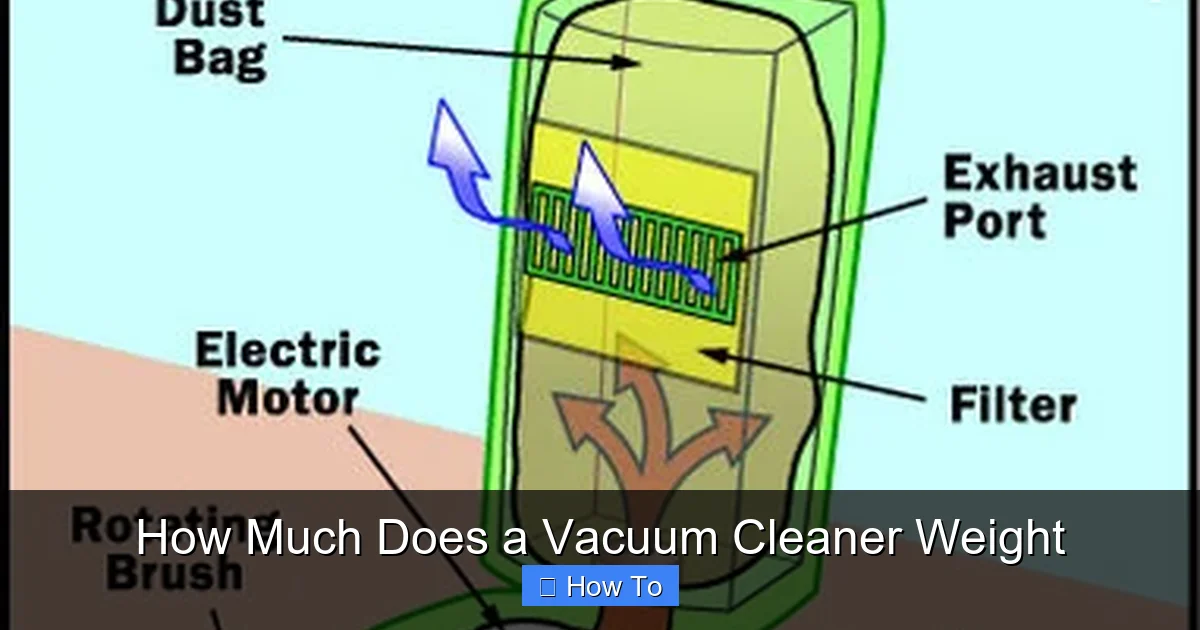
Visual guide about How Much Does a Vacuum Cleaner Weight
Image source: texaselectricityexaminer.com
Type of Vacuum
This is arguably the biggest determinant. Different styles of vacuums are designed for different purposes, leading to significant variations in weight. For example, a robotic vacuum designed to clean autonomously will naturally be much lighter than a heavy-duty upright meant for deep cleaning large carpets.
Materials Used
The construction materials play a significant role. Many modern vacuums use lightweight plastics and composites to keep the weight down, especially in stick and handheld models. However, some heavy-duty uprights or shop vacuums might incorporate more metal components for durability and power, which adds to their overall heft.
Motor Size and Power
Generally, a larger, more powerful motor tends to be heavier. Vacuums designed for intense suction or wet/dry capabilities often have robust motors that add considerable weight. While powerful, this can be a trade-off for portability.
Dustbin Capacity
Vacuums with larger dustbins or bags can hold more dirt, but the larger collection system itself, even when empty, contributes to the overall weight. Canister vacuums and some uprights, which often boast larger capacities, will typically weigh more than a compact stick vacuum.
Included Accessories
While often stored separately, a vacuum cleaner system includes various attachments, hoses, and wands. If you’re considering the “total package” weight for storage or transport, remember to factor in these extras, especially if they’re bulky or numerous. However, the listed weight for a vacuum usually refers to the main unit itself.
Battery Size (for Cordless Models)
Cordless vacuums rely on rechargeable batteries. Larger, higher-capacity batteries provide longer run times but are also heavier. This is a crucial consideration for stick and handheld vacuums, where battery weight directly impacts the feeling in your hand.
Typical Weight Ranges by Vacuum Cleaner Type
Now that we know what influences weight, let’s look at the typical weight ranges you can expect from different types of vacuum cleaners. This will give you a good benchmark for how much a vacuum cleaner weighs in each category.
Upright Vacuums
- Lightweight Uprights: Often between 8-12 lbs. These are designed for easier maneuverability and are great for quick clean-ups or homes with mixed flooring. They typically have smaller motors and simpler designs.
- Standard/Heavy-Duty Uprights: Can range from 13-20+ lbs. These are often powerful, robust machines built for deep cleaning carpets, with larger motors, bigger dustbins, and sometimes more durable (heavier) materials. Brands like Dyson and Shark often have models in this range.
Canister Vacuums
The main canister unit typically weighs between 10-20 lbs. Canister vacuums separate the motor and dirt collection into a wheeled unit, making the wand and hose very lightweight. This design makes them highly maneuverable for cleaning, as you’re only holding the lightweight cleaning head. However, you still have to pull the main unit behind you and lift it for stairs.
Stick Vacuums
- Cordless Stick Vacuums: Generally 3-8 lbs. These are designed for ultimate portability and convenience. Their lightweight nature makes them perfect for quick daily clean-ups, hard floors, and light carpets. The battery contributes a noticeable portion of their weight.
- Corded Stick Vacuums: Can be slightly lighter, often 2-7 lbs, as they don’t carry a battery. However, the cord limits their mobility compared to their cordless counterparts.
Handheld Vacuums
These are the lightest of the bunch, typically weighing 1-5 lbs. Designed for small spills, car interiors, and quick spot cleaning, their extreme portability is their main advantage. Their small size and light weight make them easy to grab and use instantly.
Robotic Vacuums
Robotic vacuums usually weigh between 5-10 lbs. Since you don’t physically lift or push these devices during operation (they do the work themselves), their weight primarily affects how easy they are to pick up for maintenance, emptying, or moving between floors.
Wet/Dry Shop Vacuums
These specialized vacuums are built for heavy-duty tasks, often involving liquids and debris. They typically weigh between 15-30+ lbs, sometimes even more for commercial models. Their powerful motors, large tanks, and rugged construction contribute to their significant weight. They are designed for workshops, garages, and large clean-ups, not for everyday household use.
How to Find Your Vacuum Cleaner’s Weight
Knowing the typical ranges is helpful, but if you want to know the precise weight of a specific vacuum cleaner you own or are considering, here’s how to find it.
Check the Manufacturer’s Specifications
This is the most reliable method. Most vacuum cleaner manufacturers prominently list the weight (often referred to as “product weight” or “unit weight”) in the specifications section of their product pages online. Look for the “Specs” or “Technical Details” tab.
Read Product Descriptions Online
If you’re browsing retailers like Amazon, Best Buy, or Walmart, the product description page will almost always include the vacuum cleaner’s weight. It might be under a “Specifications,” “Details,” or “About this item” section. Pay attention to whether it specifies the “packaged weight” (which includes the box and accessories) or the “product weight” (the vacuum itself).
Consult the User Manual
If you already own the vacuum cleaner, your user manual is an excellent resource. Most manuals include a specifications section at the beginning or end that details the appliance’s weight, dimensions, power consumption, and other key information.
Use a Household Scale (Practical Method)
For a direct measurement, you can simply weigh the vacuum cleaner yourself.
- Step 1: Get a reliable scale. A bathroom scale or a heavy-duty kitchen scale will work.
- Step 2: Ensure the vacuum is empty. Remove any accumulated dirt or debris from the dustbin/bag to get an accurate “dry” weight.
- Step 3: Place the main unit on the scale. If it’s an upright, weigh the entire unit. For a canister vacuum, weigh the main canister. For a stick vacuum, weigh the main body with the floor head attached (as this is how you’d typically use it).
- Step 4: Record the weight. This will give you a precise, real-world measurement of how much your vacuum cleaner weighs.
Choosing the Right Weight for Your Needs
With all this information, how do you decide what weight is best for you? It comes down to balancing performance with personal comfort and practical considerations.
Consider Your Home Size and Layout
If you have a large home with extensive carpeted areas, a heavier, more powerful upright might be necessary for deep cleaning. However, if you have a smaller apartment with mostly hard floors, a lightweight stick or even a robot vacuum could be more than sufficient.
Evaluate Your Physical Strength
Be honest with yourself about how much you can comfortably lift and push. If you have back issues, joint pain, or limited strength, prioritize a lightweight vacuum cleaner. There are many excellent lightweight models that don’t compromise on cleaning power.
Think About Storage Solutions
Do you have ample closet space, or are you looking for something that can tuck away easily? Heavier, bulkier vacuums demand more storage. Lighter models often have more compact designs or even wall-mount options.
Factor in Mobility and Stairs
If your home has multiple floors, you’ll be carrying the vacuum up and down stairs. A heavy vacuum will quickly become a burden. A lightweight stick vacuum or a canister vacuum (where you only carry the lightweight wand up the stairs) can be a game-changer here.
Troubleshooting Common Weight-Related Issues
Sometimes, after buying a vacuum, you might realize its weight isn’t quite right for you. Here’s how to address some common concerns.
If Your Vacuum Feels Too Heavy
- Consider a supplementary lightweight vacuum: You don’t always need one vacuum for everything. Keep your powerful, heavy upright for deep cleaning carpets, but invest in an affordable stick or handheld vacuum for quick daily clean-ups and upstairs tasks.
- Break up cleaning tasks: Instead of doing your whole house at once, clean one floor or a few rooms at a time to reduce physical strain.
- Utilize accessories: For uprights, sometimes using the hose and attachments for stairs or high-reach areas is easier than lifting the entire unit.
- Proper technique: Ensure you’re using proper posture when pushing a heavier vacuum to minimize back strain. Engage your core and keep your back straight.
If Your Vacuum Feels Too Light (and potentially less powerful)
- Check reviews and suction power ratings: Not all lightweight vacuums are created equal. Some excel in power despite their low weight, especially newer models with advanced motor technology. Research before buying.
- Understand its intended use: A very lightweight stick vacuum might not be designed for deep-pile carpets or pet hair on upholstery. Ensure its capabilities match your cleaning needs.
- Maintain it properly: Even lightweight vacuums perform best when filters are clean, brush rolls are free of tangles, and dustbins are emptied regularly. Poor maintenance can make any vacuum feel less powerful.
- Consider a heavier primary vacuum: If you truly need deep cleaning power for extensive carpeted areas, a heavier upright or canister might be a necessary investment, even if you supplement it with a lightweight model for daily tasks.
Conclusion
Understanding how much a vacuum cleaner weighs is a critical step in selecting the perfect cleaning companion for your home. It’s not just about raw power or fancy features; it’s about comfort, ease of use, and preventing physical strain during your cleaning routine. From the feather-light handhelds designed for quick spills to the robust uprights built for deep carpet cleaning, each vacuum type has a typical weight range shaped by its design, materials, and intended purpose.
By considering factors like your home’s layout, your physical strength, and your specific cleaning needs, you can make an informed decision. Remember to check manufacturer specifications, product descriptions, or even use a household scale to determine a precise weight. Investing a little time in this research can lead to a more comfortable, efficient, and ultimately more satisfying cleaning experience. Choose wisely, and your cleaning tasks will feel less like a chore and more like a breeze.