
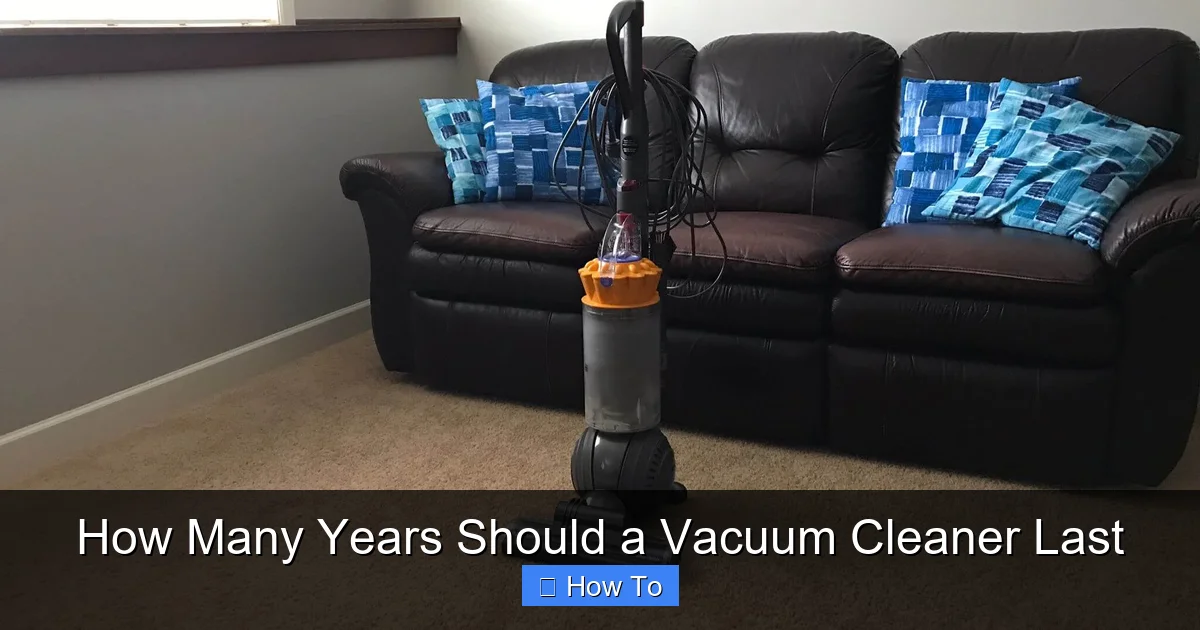
Understanding how many years a vacuum cleaner should last depends on several factors, including its type, brand quality, usage frequency, and most importantly, your maintenance habits. While entry-level models might last 3-5 years, premium vacuums with proper care can easily exceed 8-10 years. Regular cleaning and prompt attention to minor issues are key to extending your vacuum’s lifespan and maximizing your investment.
How Many Years Should a Vacuum Cleaner Last
Ever wondered, “how many years should a vacuum cleaner last?” It’s a common question, and one that doesn’t have a single, simple answer. The truth is, the lifespan of a vacuum cleaner can vary dramatically, ranging from a mere few years to over a decade. It all depends on a blend of factors: the type of vacuum you own, how often you use it, the brand’s quality, and, perhaps most importantly, how diligently you maintain it.
In this comprehensive guide, we’ll dive deep into what truly influences a vacuum cleaner’s longevity. We’ll explore the average expectations for different models, uncover the key factors that can shorten or extend its life, and provide you with actionable, step-by-step instructions on how to keep your vacuum running efficiently for as long as possible. By the end of this article, you’ll not only have a clear understanding of how many years a vacuum cleaner should last but also the knowledge to make yours last even longer.
Key Takeaways
- Lifespan Varies Widely: The average vacuum cleaner can last anywhere from 3 to 10+ years, heavily depending on its quality, how often it’s used, and how well it’s maintained.
- Maintenance is Paramount: Regular cleaning of filters, emptying the dustbin, checking brush rolls, and addressing blockages are the most critical steps to extend your vacuum’s operational life.
- Quality Matters: Investing in a reputable brand with durable construction often translates to a longer-lasting appliance, as higher-quality components are built to withstand more wear and tear.
- Usage Habits Impact Longevity: Frequent, heavy use (e.g., in large homes with pets) will naturally reduce a vacuum’s lifespan compared to lighter use, but proper technique can mitigate some of this wear.
- Know When to Replace: Look for signs like significant loss of suction, frequent and costly repairs, unusual noises, or safety concerns as indicators that it might be time for a new vacuum.
- Promptly Address Issues: Don’t ignore minor performance issues; addressing them early can prevent small problems from escalating into major, irreparable damage.
Quick Answers to Common Questions
Empty the Dustbin After Every Use?
Yes, especially for bagless models! A full bin restricts airflow, making your vacuum work harder, losing suction, and potentially overheating the motor. Keep it clear for optimal performance.
How Often Should I Clean My Filters?
For most washable filters, aim for once a month. Non-washable filters should be replaced every 6-12 months. Regular filter maintenance is critical for strong suction and motor health.
Should I Cut Hair Off the Brush Roll?
Absolutely! Tangled hair and fibers can prevent the brush roll from spinning, reducing cleaning effectiveness and straining the motor. Use scissors to carefully snip away debris regularly.
Can I Vacuum Wet Spills with My Regular Vacuum?
No, unless it’s specifically a wet/dry vacuum. Vacuuming liquids can cause severe damage to the motor and electrical components, posing a safety risk and voiding your warranty.
Where’s the Best Place to Store My Vacuum?
Store your vacuum in a dry, room-temperature environment away from extreme heat or cold. This helps protect the electronic components, plastics, and any flexible parts like hoses from degrading prematurely.
Understanding Vacuum Cleaner Lifespan Expectations
Let’s set some general expectations. While there’s no fixed expiry date stamped on a vacuum cleaner, industry estimates and consumer experiences offer a good range:
- Entry-Level Models: Typically 3-5 years. These are often less expensive, use more plastic components, and may not be designed for heavy, daily use.
- Mid-Range Models: Generally 5-8 years. These vacuums offer a better balance of performance, durability, and features, making them a solid choice for most households.
- Premium or High-End Models: Often 8-10+ years. Brands known for quality and durability, often with stronger motors, better filtration, and more robust construction, can easily last a decade or more with proper care.
These are just averages. A poorly maintained premium vacuum might fail faster than a meticulously cared-for entry-level one. The goal is to maximize the life of whatever model you choose, understanding that the answer to “how many years should a vacuum cleaner last” is largely in your hands.
Factors That Influence Your Vacuum Cleaner’s Lifespan
Several critical elements play a role in determining how many years a vacuum cleaner will last. Understanding these can help you make better purchasing decisions and adopt habits that promote longevity.
Visual guide about How Many Years Should a Vacuum Cleaner Last
Image source: img.thrfun.com
Usage Frequency and Intensity
This is perhaps the most obvious factor. A vacuum cleaner used daily in a large home with multiple pets and children will experience significantly more wear and tear than one used once a week in a small, pet-free apartment. Think of it like a car: a daily commuter will rack up miles faster than one used only on weekends. High-intensity usage puts more strain on the motor, brush roll, belts, and filters, naturally shortening its lifespan if not properly maintained.
Type of Vacuum Cleaner
Different vacuum types are designed for different purposes, impacting their expected life:
- Upright Vacuums: Durable and powerful for carpets, often last 5-8 years.
- Canister Vacuums: Versatile for multiple surfaces, often have powerful motors and robust designs, lasting 7-10+ years.
- Stick Vacuums: Lightweight and convenient, but often less powerful and can wear out faster, typically 3-5 years.
- Robot Vacuums: Complex electronics and smaller components mean they might last 3-6 years, though battery degradation is a common limiting factor.
- Handheld Vacuums: Designed for quick clean-ups, generally 2-4 years due to smaller batteries and less robust construction.
Consider your primary needs when choosing, as the type of vacuum you purchase directly influences how many years your vacuum cleaner should last.
Brand and Build Quality
As with many appliances, brand reputation and build quality are huge indicators of durability. Premium brands often use higher-grade materials, more robust motors, and better engineering, which justifies their higher price point. These vacuums are designed to withstand years of regular use. Cheaply made vacuums, while appealing in price, often have weaker motors, brittle plastic parts, and less durable components that are prone to breaking down sooner. Researching brands and reading reviews about long-term durability is crucial.
Maintenance Habits
This is arguably the most significant factor you control. A well-maintained vacuum cleaner, regardless of its initial price, will almost always outlast one that is neglected. Regular cleaning, timely filter replacements, and prompt attention to minor issues prevent small problems from becoming major breakdowns. Skipping maintenance accelerates wear and tear, reducing how many years your vacuum cleaner should last significantly.
Environment and Debris Type
The kind of debris your vacuum regularly encounters also plays a role. Vacuuming fine construction dust, pet hair, or large, sharp objects regularly can prematurely clog filters, damage brush rolls, and strain the motor. Homes with lots of pet hair, high foot traffic, or frequently dusty areas will demand more from their vacuum, necessitating more frequent maintenance.
Extending Your Vacuum Cleaner’s Life: Practical Steps
Want to ensure your vacuum cleaner lasts as long as possible? Follow these practical steps to extend its operational life and get the most out of your investment.
Regular Cleaning and Maintenance
This is the golden rule for vacuum longevity. Make these tasks part of your routine:
Emptying the Dustbin or Changing the Bag Promptly
- Why it matters: A full dustbin or bag restricts airflow, forcing the motor to work harder and reducing suction power. This can lead to overheating and premature motor failure.
- How often: Empty bagless bins after every use, or when they reach the “max fill” line. Change bags when they are two-thirds full, or sooner if suction decreases.
Cleaning or Replacing Filters Regularly
- Why it matters: Clogged filters severely impede airflow, diminishing suction and overworking the motor. Dirty HEPA filters also lose their ability to trap allergens effectively.
- How often: Washable filters should be rinsed with cold water monthly (and fully air-dried for 24 hours before reinserting). Replace non-washable or HEPA filters every 6-12 months, or as recommended by the manufacturer.
Inspecting and Cleaning the Brush Roll
- Why it matters: Hair, strings, and debris can get tangled around the brush roll, preventing it from spinning effectively. This reduces cleaning performance and can strain the belt and motor.
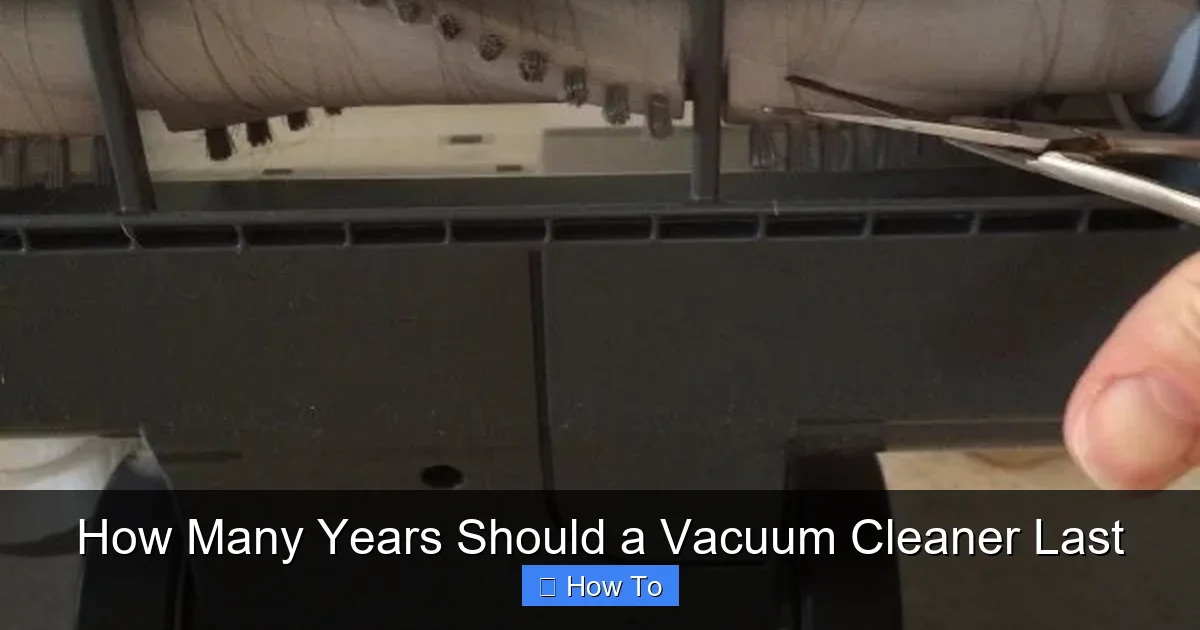
- How often: Check the brush roll before or after every few uses. Use scissors to carefully cut away tangled hair and string. Remove the brush roll if possible for a deeper clean.
Checking for Blockages
- Why it matters: Obstructions in the hose, wand, or attachments drastically reduce suction and can put immense strain on the motor.
- How often: If you notice a sudden loss of suction, immediately check the hose, wand, and nozzle for blockages. Use a broom handle or a long, blunt object to gently push obstructions through.
Cleaning Hoses and Attachments
- Why it matters: Dirt, dust, and pet hair can accumulate inside hoses and attachments, reducing their effectiveness and contributing to blockages.
- How often: Periodically detach hoses and attachments, inspect them for build-up, and clean them out.
Wiping Down the Exterior
- Why it matters: Keeping the exterior clean prevents dust and grime from entering vents and interfering with cooling, especially important for the motor.
- How often: A quick wipe-down with a damp cloth after use helps keep it looking good and performing well.
Proper Usage
Beyond cleaning, how you use your vacuum also impacts how many years your vacuum cleaner should last.
Don’t Overfill
Always empty the dustbin or change the bag before it gets completely full. An overfilled vacuum loses suction and makes the motor work harder, increasing the risk of burnout.
Avoid Wet Messes
Unless you have a specific wet/dry vacuum, never vacuum liquids or damp debris. This can severely damage the motor, electrical components, and internal filters, often beyond repair.
Use Correct Settings
Adjust the height setting for different carpet piles. Using the wrong setting can make cleaning less effective and cause unnecessary wear on the brush roll and motor. For hard floors, turn off the brush roll if your model allows to prevent scattering debris and scratching surfaces.
Store Properly
Store your vacuum in a dry, clean place. Avoid extreme temperatures. Keeping it upright and neatly stored prevents accidental damage from falling or being knocked over.
Addressing Minor Issues Promptly
Don’t ignore warning signs! If you hear an unusual noise, smell something burning, or notice a dip in performance, investigate immediately. Often, a small problem like a tangled brush roll or a minor blockage can be easily fixed if caught early. Ignoring it can lead to bigger, more expensive, or irreparable damage, drastically shortening how many years your vacuum cleaner should last.
Investing in Quality from the Start
While this isn’t a “step” for an existing vacuum, it’s crucial for future purchases. When asking “how many years should a vacuum cleaner last?”, consider that a higher upfront investment in a reputable brand with good reviews for durability often pays off in the long run. These vacuums tend to be built with better motors, stronger materials, and more reliable components, ultimately providing a longer, more trouble-free lifespan.
When to Replace Your Vacuum Cleaner
Even with the best care, all appliances eventually reach the end of their useful life. Here are signs it might be time to stop asking “how many years should a vacuum cleaner last?” and start shopping for a new one:
- Significant Decline in Performance: If your vacuum no longer picks up dirt and debris effectively, even after thorough cleaning and maintenance, its motor or internal components might be failing.
- Frequent Breakdowns: If you’re constantly troubleshooting, clearing clogs, or dealing with parts breaking, the vacuum is becoming a burden.
- Cost of Repairs Exceeds Value: If a major component like the motor or main circuit board fails, the repair cost might be close to or even exceed the price of a new, comparable model. At this point, it’s usually more economical to replace it.
- Unusual Noises or Smells: Grinding noises, burning smells, or excessive heat can indicate serious motor issues or electrical problems, which can be unsafe.
- Safety Concerns: Frayed cords, sparks, or anything that makes you question the vacuum’s electrical safety means it’s time for retirement.
- New Technology Offers Better Solutions: Sometimes, new vacuum technology (e.g., improved filtration for allergies, cordless convenience, smarter robot features) simply makes an old but still functional vacuum obsolete for your needs.
Troubleshooting Common Issues (to extend life)
Before throwing in the towel, try troubleshooting these common problems. Fixing them can add years to your vacuum’s life.
Loss of Suction
This is the most common complaint.
- Check the dustbin/bag: Is it full?
- Inspect filters: Are they clogged? Clean or replace them.
- Look for blockages: Check the hose, wand, and main nozzle for anything stuck.
- Examine seals: Are there any cracks or gaps in the hose or around the bin that could be causing a leak?
Unusual Noises
- Grinding or scraping: Often indicates something caught in the brush roll or a worn-out bearing.
- High-pitched whine: Could be a restricted airflow (check for blockages/clogged filters) or an overworked motor.
- Rattling: Something loose inside the vacuum; check for loose screws or broken plastic parts.
Brush Roll Not Spinning
- Check for tangles: Hair and string are common culprits.
- Inspect the belt: Has it snapped or slipped off? Most belts are replaceable.
- Check for obstruction: Something might be jamming the brush roll mechanism.
- Motor issue: If none of the above, the brush roll motor might be faulty.
Burning Smell
This is a serious warning sign.
- Turn off immediately: Unplug the vacuum.
- Check for a jam: A stalled brush roll or a severe blockage can cause the motor to overheat.
- Inspect the belt: A slipping or broken belt can create friction and a burning rubber smell.
- Motor overheating: If the smell persists after clearing issues, the motor might be failing, requiring professional repair or replacement.
Conclusion
So, how many years should a vacuum cleaner last? The takeaway is clear: while quality and type set the baseline, your diligent maintenance and careful usage are the biggest determinants of its longevity. An average lifespan ranges from 3 to 10+ years, but with regular cleaning of filters, emptying the dustbin, inspecting the brush roll, and addressing issues promptly, you can significantly extend the life of even a modest vacuum.
By treating your vacuum cleaner not just as a cleaning tool, but as an investment that requires ongoing care, you’ll ensure it continues to serve your home effectively for many years to come. Remember, a little effort goes a long way in keeping your cleaning powerhouse humming along.