
A typical vacuum cleaner operates at noise levels between 60 to 80 decibels (dB), which is often compared to a normal conversation or city traffic. This article dives into what these decibel levels mean, explains the factors that make vacuums loud, and offers practical insights into understanding and managing the sound for a more comfortable cleaning experience.
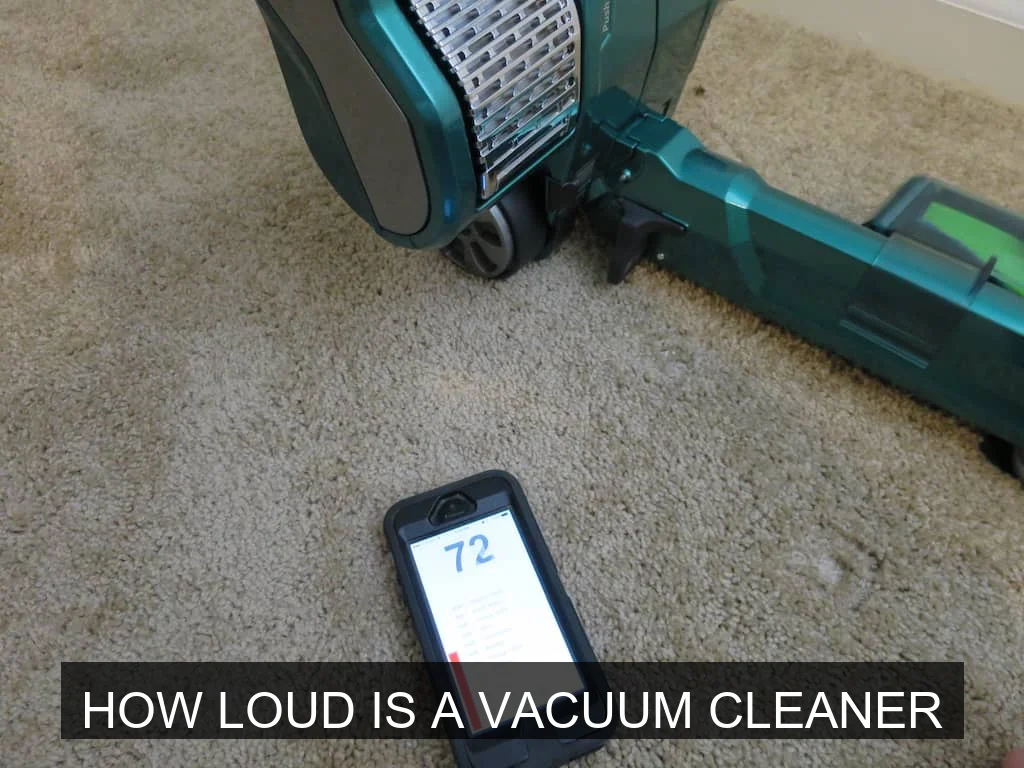
Image source: Themvacuums
📋 Table of Contents
- 🔹 Introduction to Vacuum Cleaner Noise
- 🔹 What is a Vacuum Cleaner’s Loudness? Understanding Decibels
- 🔹 Why Vacuum Cleaner Noise Matters
- 🔹 How Vacuum Cleaners Generate Noise
- 🔹 Understanding Decibel Levels for Vacuums
- 🔹 Factors Influencing Vacuum Loudness
- 🔹 Common Misconceptions About Vacuum Noise
- 🔹 Practical Tips to Manage Vacuum Noise
- 🔹 Real-Life Scenarios: When Noise Matters Most
- 🔹 Frequently Asked Questions (FAQ)
- 🔹 Conclusion: Understanding Vacuum Sound
Introduction to Vacuum Cleaner Noise
You’re probably familiar with the distinct hum and roar of a vacuum cleaner. It’s a sound that signals a good cleaning is underway, but it can also be quite disruptive. Have you ever wondered exactly how loud your vacuum is or why some are so much noisier than others?
A typical household vacuum cleaner produces noise levels ranging from about 60 to 80 decibels (dB), which is comparable to normal conversation or heavy city traffic. Some models can be quieter, around 55 dB, while older or more powerful vacuums might reach 85 dB or even higher, approaching the sound of a blender. Understanding these noise levels is more than just curiosity; it’s about comfort, hearing safety, and picking the right tool for your home environment. In this detailed guide, we’ll explore everything you need to know about how loud a vacuum cleaner is, from the science behind the sound to practical ways to deal with it.
What is a Vacuum Cleaner’s Loudness? Understanding Decibels
When we talk about how loud something is, we’re usually referring to its sound intensity, measured in units called decibels, often shortened to dB. The decibel scale isn’t like a regular ruler; it’s a logarithmic scale. This means that a small increase in decibels represents a much larger increase in actual sound intensity. For example, an increase of just 10 dB means the sound is roughly twice as loud to our ears.
Think of it this way: a sound at 70 dB isn’t just a little bit louder than 60 dB; it’s perceived as twice as loud. This is why even a few decibels can make a big difference in how disruptive a vacuum cleaner feels. Our ears are incredibly sensitive, and they pick up these subtle differences. It’s important to understand this concept because it helps explain why some vacuums might seem only slightly higher in dB but feel much more impactful on your comfort level.
Why Vacuum Cleaner Noise Matters
The noise level of a vacuum cleaner might seem like a minor detail, but it actually has several significant impacts on your cleaning experience and overall well-being. Here’s why understanding and considering vacuum noise is important:
- Comfort and Convenience: A loud vacuum can make cleaning an unpleasant chore. It can interrupt conversations, make it hard to hear your doorbell or phone, and generally create a stressful environment.
- Hearing Health: Prolonged exposure to high noise levels, especially above 85 dB, can contribute to hearing fatigue or even permanent hearing damage over time. While most household vacuums don’t consistently hit these extreme levels, it’s a consideration for those who vacuum frequently or for extended periods.
- Impact on Others: If you live in an apartment, have sleeping babies, pets, or work from home, a noisy vacuum can disturb others. Quiet operation is a big plus in shared living spaces or during certain times of day.
- Pet Sensitivity: Many pets are highly sensitive to loud noises. A roaring vacuum can cause anxiety, stress, or even aggression in dogs and cats, making cleaning a difficult experience for them too.
- Time of Day: Cleaning early in the morning or late at night becomes much more feasible with a quieter vacuum, allowing for more flexibility in your schedule without disturbing housemates or neighbors.
So, it’s not just about a number; it’s about how that number translates into real-world experience for you and those around you.
How Vacuum Cleaners Generate Noise
Vacuum cleaners are complex machines, and their noise comes from several different sources working together. It’s not just one thing that makes them loud. Let’s break down the main culprits:
- The Motor: This is the heart of the vacuum. The motor contains rapidly spinning parts that create a significant amount of mechanical noise. The faster and more powerful the motor, often the louder its operation.
- Airflow and Suction: A vacuum works by creating a strong airflow to suck up dirt. As air rushes through narrow pathways, hoses, and filters at high speeds, it creates a whooshing or whistling sound. This is similar to how wind makes noise when it blows past obstacles.
- Vibrations: The motor’s operation and the powerful airflow can cause the vacuum’s casing and internal components to vibrate. These vibrations then transfer to the surrounding air, creating audible sound.
- Moving Parts: Wheels, brushes, and other moving components, especially when interacting with different surfaces like hard floors or carpets, can contribute to the overall noise profile.
- Obstructions: Blockages in the hose, clogged filters, or a full dustbin can force the motor to work harder and the air to flow more turbulently, leading to increased noise.
Manufacturers try to dampen these sounds through various design choices, but the fundamental mechanics of creating powerful suction inherently produce a certain level of noise.
Understanding Decibel Levels for Vacuums
To help put vacuum cleaner noise into perspective, it’s useful to compare its typical decibel levels to other common sounds you might encounter in everyday life. Remember, the decibel scale isn’t linear, so small differences mean a lot.
| Decibel (dB) Level | Examples of Common Sounds | Vacuum Cleaner Comparison |
|---|---|---|
| 0-20 dB | Rustling leaves, a whisper | Extremely rare for a vacuum; virtually silent. |
| 30-40 dB | Quiet library, refrigerator hum | Ultra-quiet robot vacuums might approach this, but active cleaning noise is higher. |
| 50-60 dB | Normal conversation, quiet office | Considered |
| 60-70 dB | Dishwasher, normal conversation at 3 ft | This is where many |
| 70-80 dB | Washing machine, busy street noise, alarm clock | The |
| 80-85 dB | Food blender, heavy traffic, garbage disposal | This is on the |
| 90 dB+ | Motorcycle, lawnmower, pneumatic drill |
As you can see, most household vacuums fall into the 60-80 dB range. While not immediately harmful with typical intermittent use, understanding where your vacuum stands on this scale can help you assess its impact on your home environment.
Factors Influencing Vacuum Loudness
The total noise output of a vacuum cleaner isn’t random; it’s a result of several design choices, operational conditions, and the basic physics of how the machine works. Let’s look at the key factors that determine how loud a vacuum cleaner will be.
Motor Power and Speed
The motor is the primary source of a vacuum’s suction, and it’s also a major contributor to its noise. Generally, a more powerful motor that spins at higher RPMs (revolutions per minute) tends to produce more noise. This is due to the increased mechanical friction and the faster movement of internal components. Think of a powerful sports car engine versus a smaller, more efficient one – the more power, the more intense the sound often is. However, modern engineering can sometimes mitigate this, designing powerful motors to be relatively quiet.
Design, Construction, and Insulation
How a vacuum is built plays a huge role in its noise level. Manufacturers use various techniques to try and keep the sound in:
- Acoustic Insulation: Materials like foam or specific types of plastic can be used to absorb sound waves and prevent them from escaping the vacuum’s casing.
- Motor Housing: A well-designed motor housing can enclose the motor effectively, trapping much of its mechanical noise.
- Airflow Paths: Engineers design the internal air pathways to be as smooth and unobstructed as possible. Turbulent airflow creates more noise, so clever ducting can help reduce whistling and roaring sounds.
- Seals and Gaskets: Good seals around connections and compartments prevent air leakage, which can otherwise create additional, unwanted noise.
Vacuums with robust construction and careful attention to these details often boast lower decibel ratings.
Type of Vacuum Cleaner
Different types of vacuums have inherently different noise profiles due to their design and intended use:
- Upright Vacuums: Often house a powerful motor directly in the main unit. This can lead to them being quite loud, typically in the 70-80 dB range.
- Canister Vacuums: The motor is usually housed in a separate, often better-insulated canister that you pull behind you. This can make them generally quieter at the user’s ear, frequently in the 60-75 dB range.
- Stick Vacuums: These often have smaller motors and lighter builds. Their noise can vary widely, but many are designed for quick cleanups and might be moderately loud (65-75 dB) or surprisingly quiet.
- Handheld Vacuums: Compact and often less powerful, they can still be quite loud due to their proximity to your ear and basic insulation, often 70-80 dB.
- Robot Vacuums: Designed for autonomous, often background cleaning, these are usually the quietest, often operating in the 55-70 dB range. Some are specifically marketed as “whisper quiet.”
Filter Condition and Obstructions
The internal state of your vacuum greatly influences its sound. When filters become clogged with dust and debris, the motor has to work much harder to pull air through, increasing its operating noise. Similarly, any blockage in the hose, brush roll, or main intake creates turbulence and forces the motor to strain, resulting in a louder, often higher-pitched, and less efficient operation. Keeping your vacuum clean and clear is a simple way to help maintain its original noise level.
Age and Overall Condition
Like any mechanical device, a vacuum cleaner can get louder with age. Bearings in the motor might wear out, seals can degrade, and the casing might develop minor cracks or loose fittings. These issues can increase vibrations and allow more noise to escape. Regular maintenance can help prolong the quiet operation of your vacuum.
Common Misconceptions About Vacuum Noise
There are a few common ideas about vacuum loudness that aren’t always accurate. Let’s clear some of those up.
- “More powerful means louder”: While often true, it’s not a hard-and-fast rule. Advancements in motor design and acoustic engineering mean that some very powerful vacuums are also surprisingly quiet. Manufacturers can achieve strong suction with less noise through efficient airflow paths and better insulation.
- “All quiet vacuums are weak”: This is definitely a myth. Many high-performance vacuums today are specifically designed to be quiet without sacrificing suction power. They achieve this through clever motor placement, advanced sound-dampening materials, and optimized airflow.
- “Decibel numbers are confusing, so I’ll just trust my ears”: While your ears give you a good immediate sense, relying solely on them can be misleading due to the logarithmic nature of the dB scale. A 5 dB difference might not sound like much, but it’s a significant improvement in actual sound intensity. Manufacturers’ stated dB ratings, when available, offer a more objective comparison.
- “Noise is just a part of vacuuming”: While some noise is unavoidable, accepting excessive noise as just “part of it” means you might be missing out on quieter, more comfortable cleaning options. Modern technology has made significant strides in reducing vacuum noise.
Practical Tips to Manage Vacuum Noise
Even if you have a louder vacuum, there are ways to manage and potentially reduce its noise output during use. These tips can help make your cleaning routine a bit more peaceful:
- Regular Maintenance: This is perhaps the most effective step.
- Empty the Dustbin/Bag: A full dust container restricts airflow, making the motor work harder and louder.
- Clean or Replace Filters: Clogged filters are a major cause of increased noise and reduced efficiency. Follow your vacuum’s instructions for filter maintenance.
- Clear Obstructions: Check the brush roll, hose, and attachments for hair, debris, or blockages. Removing these allows for smoother airflow and less strain on the motor.
- Check for Loose Parts: Over time, screws or components might loosen, leading to rattling or buzzing noises. Gently check your vacuum’s casing and connections for anything that seems loose and tighten if possible (refer to your manual first).
- Use the Right Setting: Many vacuums have different power settings for various surfaces. Using a lower power setting for lighter tasks or delicate floors can often reduce noise without compromising cleaning.
- Consider Ear Protection: If your vacuum is particularly loud (consistently above 80 dB) and you use it for long periods, consider wearing earplugs or noise-canceling headphones. This protects your hearing and can make the task less unpleasant.
- Vacuum Strategically: Try to vacuum at times when noise is less disruptive, such as during the day when others are out or awake. For quick clean-ups, a handheld or robot vacuum might be a quieter alternative for immediate messes.
- Isolate the Sound: If possible, close doors to other rooms while vacuuming to contain the noise.
By taking these simple steps, you can often make a noticeable difference in how loud your vacuum cleaner sounds during operation.
Real-Life Scenarios: When Noise Matters Most
The importance of a vacuum’s noise level often comes down to specific situations in your daily life. Let’s look at a few common examples:
- Apartment Living: If you live in an apartment building with thin walls, a very loud vacuum could be a nuisance to your neighbors. A quieter model (below 70 dB) is a considerate choice, especially if you clean early in the morning or late in the evening.
- Parents of Young Children: Many parents find that vacuuming can easily wake a sleeping baby or disrupt nap time. A robot vacuum operating at 55-65 dB might be able to clean without waking anyone, while a traditional upright at 80 dB would be out of the question during naptime.
- Pet Owners: Dogs and cats often react strongly to vacuum noise. A calmer, quieter vacuum can significantly reduce their stress and anxiety during cleaning. Some pets might tolerate a 60 dB vacuum much better than a 75 dB one.
- Working from Home: If you’re frequently on video calls or need to concentrate, a loud vacuum running nearby is a major distraction. A quieter vacuum allows you to clean during work hours without interrupting your focus or your calls.
- Open-Concept Homes: In homes without many walls to block sound, a loud vacuum’s noise can travel throughout the entire living space, making it difficult to enjoy other activities like watching TV or reading.
These examples highlight that “how loud is a vacuum cleaner” isn’t just an abstract number; it’s a practical consideration that influences comfort and lifestyle for many households.
Frequently Asked Questions (FAQ)
What is the typical decibel level of a household vacuum cleaner?
Most household vacuum cleaners typically operate within a range of 60 to 80 decibels (dB). Quieter models can go as low as 55 dB, while older or more powerful ones might reach 85 dB or slightly higher.
Is vacuum cleaner noise harmful to hearing?
For most household vacuums, short-term exposure during typical cleaning sessions (e.g., 30 minutes to an hour) is generally not considered immediately harmful to adult hearing. However, prolonged or frequent exposure to noise levels consistently above 85 dB, over many years, can contribute to hearing fatigue or damage. For children or pets, even lower levels can be highly disruptive or stressful.
Are robot vacuums generally quieter than traditional vacuums?
Yes, robot vacuums are often significantly quieter than traditional upright or canister vacuums. Many robot vacuums operate in the 55 to 70 dB range, making them a popular choice for those seeking a less disruptive cleaning experience, especially for background cleaning.
How can I reduce the noise from my existing vacuum cleaner?
You can often reduce vacuum noise by regularly maintaining your machine. This includes emptying the dustbin or changing the bag, cleaning or replacing filters, and clearing any obstructions in the hose, brush roll, or attachments. Ensuring all parts are securely fitted can also help prevent rattling sounds.
Conclusion: Understanding Vacuum Sound
Understanding how loud a vacuum cleaner is boils down to more than just a number; it’s about how that sound impacts your daily life and comfort. From the mechanics of the motor and airflow to the design choices that either amplify or dampen sound, many factors contribute to a vacuum’s decibel level. We’ve seen that typical household vacuums usually fall between 60 and 80 dB, comparable to everyday sounds like conversation or city traffic.
Knowing these levels helps you appreciate why certain vacuums feel less intrusive and why regular maintenance isn’t just about performance, but also about keeping the noise down. While a certain amount of sound is inherent to the powerful suction a vacuum needs, advancements continue to push towards quieter operation without sacrificing cleaning power. Ultimately, being informed about vacuum loudness empowers you to make choices that lead to a more peaceful and efficient cleaning routine.