
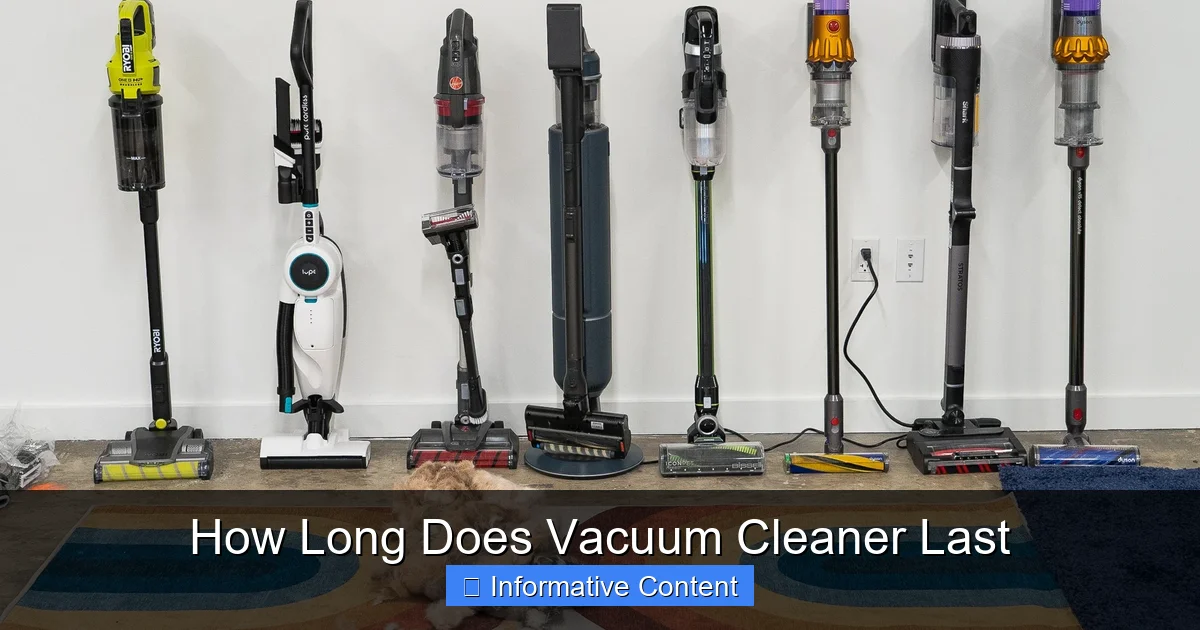
How long does vacuum cleaner last? Typically, a good quality vacuum can last anywhere from 5 to 10 years, with some premium models exceeding this. Its lifespan heavily depends on factors like brand quality, usage frequency, and consistent maintenance. Regular care, such as cleaning filters and clearing blockages, is crucial to extending its life and ensuring optimal performance, ultimately saving you money and hassle in the long run.
How Long Does Vacuum Cleaner Last?
Okay, imagine this: you’ve just finished a satisfying cleaning session. Your floors are spotless, your carpets look refreshed, and that sense of accomplishment is just *chef’s kiss*. But as you put your trusty vacuum cleaner away, a thought might cross your mind: “How long does vacuum cleaner last, really?” It’s a valid question, isn’t it? After all, this isn’t just another kitchen gadget; it’s a hardworking appliance that tackles dirt, dust, and pet hair, day in and day out, to keep your home healthy and clean.
We invest our hard-earned money in these machines, hoping they’ll be reliable companions for years to come. But like any appliance with moving parts, a vacuum cleaner has a finite lifespan. Understanding what influences this lifespan – from its initial build quality to how diligently you maintain it – can not only help you manage expectations but also empower you to make choices that extend its utility and value. It’s about getting the most bang for your buck and ensuring your home remains a clean sanctuary without unexpected breakdowns.
So, let’s dive deep into the world of vacuum cleaners. We’ll explore the typical longevity of different types, uncover the key factors that determine how long does vacuum cleaner last, and arm you with practical tips to extend its life. We’ll also help you recognize the signs it might be time for a new one and weigh the repair-or-replace dilemma. By the end of this guide, you’ll be an expert on vacuum cleaner longevity, ready to keep your cleaning ally in top shape for as long as possible.
Key Takeaways
- Average Lifespan Varies: Expect 5-10 years for uprights/canisters, 2-5 years for stick/handhelds, and 3-5 years for robotic vacuums, depending on quality and usage.
- Quality Matters Most: High-quality brands with durable components naturally last longer and offer better performance over time.
- Maintenance is Key: Regular cleaning of filters, brush rolls, and emptying dustbins significantly extends a vacuum’s lifespan and maintains suction power.
- Usage Frequency Impacts Life: Vacuums used daily or for heavy-duty cleaning will wear out faster than those used occasionally.
- Recognize Warning Signs: Decreased suction, unusual noises, burning smells, or frequent breakdowns indicate it might be time for repair or replacement.
- Repair vs. Replace: Evaluate the cost of repair against the price of a new, more efficient model, considering age and overall condition.
- Proactive Care Pays Off: Simple habits like proper storage and addressing minor issues quickly can prevent major breakdowns and maximize your vacuum’s value.
Quick Answers to Common Questions
How many years should a good vacuum cleaner last?
A good quality upright or canister vacuum cleaner should last between 5 to 10 years, with some premium models lasting even longer with proper care.
What is the most common reason for a vacuum cleaner to stop working?
The most common reasons include clogged filters, blockages in the hose or brush roll, or a worn-out motor. Often, lack of regular maintenance is a primary culprit.
Is it worth repairing an old vacuum cleaner?
It depends on the cost of the repair relative to a new vacuum and its age. If the repair cost is more than 50% of a new comparable model, or if the vacuum is very old, it’s usually better to replace it.
Do cordless stick vacuums last as long as corded ones?
Generally, no. Cordless stick vacuums tend to have a shorter lifespan (2-5 years) primarily due to battery degradation, whereas corded upright/canister models can last much longer (5-10+ years).
Can regular maintenance really extend my vacuum’s life?
Absolutely! Regular maintenance like cleaning filters, emptying dustbins, and clearing brush roll tangles significantly reduces strain on the motor and components, which can dramatically extend how long does vacuum cleaner last.
📑 Table of Contents
- The Average Lifespan of a Vacuum Cleaner: What to Expect
- Factors That Influence How Long Does Vacuum Cleaner Last
- Signs Your Vacuum Cleaner is Nearing Its End
- Extending Your Vacuum Cleaner’s Lifespan: Practical Tips and Tricks
- Repair vs. Replace: Making the Smart Decision
- Conclusion: Maximizing Your Vacuum’s Value
The Average Lifespan of a Vacuum Cleaner: What to Expect
The first thing people often wonder is, “What’s the typical answer to how long does vacuum cleaner last?” Well, it’s not a one-size-fits-all answer, as various types of vacuums are designed for different uses and have varying durability. However, we can certainly give you some general ranges to help set your expectations.
Upright and Canister Vacuums
These are often considered the workhorses of the vacuum world. Traditional upright and canister models, especially those from reputable brands, are built with more robust motors and components. You can generally expect these vacuums to last anywhere from 5 to 10 years. Some premium models, particularly those that are meticulously maintained, can even exceed this, lasting 15 years or more! Their solid construction and usually larger motors contribute to their longevity. When you’re thinking about how long does vacuum cleaner last, these tend to be at the top of the list.
Stick and Handheld Vacuums
Stick vacuums and handheld models are designed for convenience and quick clean-ups. They are typically lighter, more compact, and often battery-powered. Because of their smaller size, lighter components, and the nature of their batteries (which degrade over time), their lifespan is generally shorter. You can usually expect a stick or handheld vacuum to last between 2 to 5 years. Battery life is a significant factor here; a failing battery often signals the end for these convenient cleaners, even if the motor is still good.
Robotic Vacuums
The futuristic cleaning assistants, robotic vacuums, have become incredibly popular. They offer hands-free cleaning, but their complex internal electronics, sensors, and batteries mean their lifespan is often limited. On average, a robotic vacuum cleaner will last around 3 to 5 years. Like stick vacuums, battery degradation is a common reason for their eventual retirement. The numerous moving parts, brushes, and intricate navigation systems can also be points of failure. Understanding how long does vacuum cleaner last in this category is crucial before investing.
Factors That Influence How Long Does Vacuum Cleaner Last
Knowing the average lifespan is a good start, but it’s just that – an average. Many factors can significantly sway whether your vacuum cleaner kicks the bucket early or sticks around for a long, happy life. Let’s dive into what truly impacts how long does vacuum cleaner last.
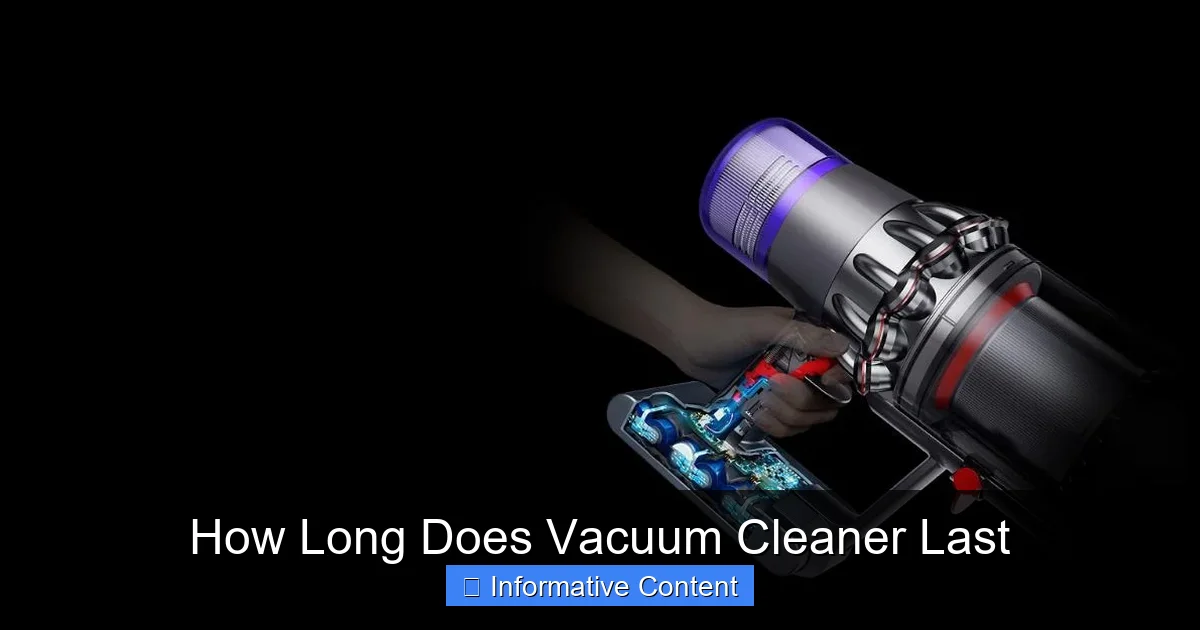
Visual guide about How Long Does Vacuum Cleaner Last
Image source: dyson-h.assetsadobe2.com
Brand and Build Quality
This is arguably the most crucial factor. High-quality brands often use better materials, more durable motors, and superior engineering. They invest in rigorous testing, leading to a more robust product. Think about a vacuum cleaner from a well-known, respected brand versus a generic, super-cheap option. The more expensive, reputable vacuum often justifies its price by lasting significantly longer and performing better throughout its life. It’s a classic case of “you get what you pay for” when considering how long does vacuum cleaner last.
Usage Frequency and Intensity
Logically, a vacuum used daily to clean a large house with multiple pets will wear out faster than one used once a week in a small apartment with no furry friends. Heavy usage means more strain on the motor, brushes, belts, and filters. If you frequently vacuum thick carpets or tackle construction debris, your vacuum works harder, shortening its lifespan. If you’re wondering how long does vacuum cleaner last in a busy household, expect it to be on the lower end of the average range.
Maintenance Habits
This is where you, the owner, play a huge role. Regular maintenance is like giving your vacuum cleaner a health boost. Neglecting tasks like emptying the dustbin, cleaning or replacing filters, clearing brush roll tangles, or checking for blockages puts unnecessary strain on the motor and reduces efficiency. A well-maintained vacuum runs cooler, sucks better, and simply lasts longer. This is probably the biggest actionable tip for extending how long does vacuum cleaner last.
Type of Debris and Surface
What you vacuum and where you vacuum it also matters. Regularly sucking up fine dust, sand, or drywall particles can clog filters faster and wear down internal components. Similarly, constantly vacuuming thick, high-pile carpets requires more motor power than cleaning smooth hardwood floors. Pet hair, while common, can also be particularly challenging, as it tends to tangle around brush rolls and clog airways. The harder your vacuum has to work due to challenging debris or surfaces, the more its lifespan is affected.
Technology and Features
More features and complex electronics (especially in robotic vacuums) can introduce more potential points of failure. While smart features are convenient, they also add to the complexity. A simpler, more basic vacuum might have fewer things to break down than a highly sophisticated one with Wi-Fi, mapping sensors, and voice control. However, advancements in technology also mean better efficiency and potentially more durable components over time.
Signs Your Vacuum Cleaner is Nearing Its End
Even with the best care, all good things must come to an end. Recognizing the warning signs can help you prepare for a replacement or decide if a repair is worthwhile. Don’t wait until your vacuum completely dies in the middle of a cleaning session!
Loss of Suction Power
This is perhaps the most common and frustrating sign. If your vacuum isn’t picking up dirt, pet hair, or crumbs like it used to, even after you’ve emptied the canister, cleaned the filter, and cleared any visible clogs, it’s a major red flag. A significant and persistent loss of suction often points to a motor issue or a seal problem, both of which can be costly to fix. This directly impacts how effectively your vacuum functions and signals its decline.
Unusual Noises or Smells
Does your vacuum sound like a dying animal or a grinding machine? Strange grinding, whirring, or excessively loud noises can indicate issues with the motor, brush roll bearings, or other internal components. A burning smell, especially like burning rubber or electrical wires, is an immediate cause for concern. Unplug it right away! This usually means the motor is overheating or a belt is breaking down, requiring professional attention or indicating it’s time for a new unit. These are clear signs that how long does vacuum cleaner last for you might be drawing to a close.
Physical Damage and Wear
Cracks in the housing, a wobbly handle, broken wheels, or frayed cords are all signs of a vacuum reaching the end of its functional life. While some minor cosmetic damage is okay, structural issues can impact performance and safety. A broken hose that can’t be easily replaced, or attachment ports that no longer hold tools, can significantly hamper your cleaning capabilities.
Frequent Breakdowns or Repairs
If you find yourself constantly troubleshooting, unclogging, or taking your vacuum to the repair shop, it might be time to cut your losses. Just like an old car, if the cost of continuous repairs starts to add up to the price of a new one, it’s probably not worth the investment. Think about the cumulative inconvenience and expense. When you’re frequently asking “how long does vacuum cleaner last if it keeps breaking?”, the answer is usually “not much longer.”
Extending Your Vacuum Cleaner’s Lifespan: Practical Tips and Tricks
Now for the good news! You have a lot of control over how long does vacuum cleaner last. By adopting some simple yet effective habits, you can significantly extend your vacuum’s life and ensure it performs optimally for years.
Regular Cleaning and Maintenance
- Empty the Dustbin/Change Bags Regularly: Don’t wait until it’s overflowing. A full dustbin reduces suction and makes the motor work harder.
- Clean or Replace Filters: Clogged filters are a vacuum cleaner’s worst enemy. Washable filters should be cleaned according to manufacturer instructions (usually monthly). HEPA filters often need replacement annually. Clean filters improve air quality and prevent motor strain.
- Clear Brush Roll Tangling: Hair, strings, and fibers wrap around the brush roll, preventing it from spinning effectively. Use scissors to carefully cut and remove these tangles. A stuck brush roll can burn out the motor or belt.
- Check for Blockages: Periodically check the hose, wand, and attachments for clogs. A broom handle or a long stick can help dislodge stubborn blockages.
Proper Storage
Store your vacuum in a dry, safe place where it won’t be knocked over or exposed to extreme temperatures. Avoid leaving it in a damp garage or direct sunlight. Proper storage prevents accidental damage to the housing, hose, and electrical cord.
Using the Right Attachments
Always use the appropriate attachment for the job. Using a bare floor brush on thick carpet, or trying to deep clean upholstery with the main floor head, can be inefficient and put unnecessary strain on the motor. The right tool ensures efficient cleaning and protects your vacuum.
Avoiding Overuse
While vacuums are designed to work, don’t push them beyond their limits. If you have a massive cleaning task (like after a renovation), consider renting a heavy-duty shop vac instead of using your everyday cleaner. Similarly, don’t try to vacuum up large, sharp, or wet objects – that’s a surefire way to damage the motor or clog the system. Being mindful of how long does vacuum cleaner last means not abusing it with extreme tasks.
Addressing Issues Promptly
Don’t ignore small problems. A minor clog, a rattling sound, or a slight decrease in suction should be investigated immediately. Addressing these issues early can prevent them from escalating into major, costly repairs. Often, a quick fix can save you from a complete breakdown.
When to Consider Professional Servicing
For more complex issues, like motor problems or electrical faults, a professional repair shop might be able to extend your vacuum’s life. However, weigh the cost of repair against the vacuum’s age and the price of a new model. Sometimes, a professional tune-up can breathe new life into an aging machine.
Repair vs. Replace: Making the Smart Decision
Eventually, you’ll face the dilemma: should I repair my current vacuum, or is it time to buy a new one? This decision often boils down to a few key considerations when asking how long does vacuum cleaner last in its current state.
Assessing Repair Costs
Get a quote for the repair. A good rule of thumb is that if the repair cost is more than 50% of the price of a comparable new vacuum, it’s usually better to replace it. For older models, finding replacement parts might also be difficult or expensive. Factor in not just the repair itself, but also the time and hassle of taking it in. If you’re constantly spending money, it impacts how long does vacuum cleaner last in a cost-effective way.
Considering Efficiency and New Features
Vacuum cleaner technology evolves. Newer models might offer better suction, quieter operation, improved filtration (like HEPA filters for allergy sufferers), or cordless convenience that your old model lacks. A new, more energy-efficient model could even save you money on electricity over its lifespan. Sometimes, upgrading brings benefits beyond just having a working vacuum.
Environmental Impact
From an environmental perspective, repairing an appliance is generally better than buying new, as it reduces waste and the demand for new manufacturing. However, if your old vacuum is highly inefficient or requires frequent replacement of non-recyclable parts, a new, more sustainable model might be the better long-term choice for the planet. Think about the overall lifecycle impact.
Ultimately, the decision balances financial sense, practical needs, and your personal values. If your vacuum is relatively new, a high-quality model, and the repair is minor, fixing it makes sense. If it’s an older, lower-end model with significant issues, investing in a new one is often the smarter move for its longevity and performance.
Conclusion: Maximizing Your Vacuum’s Value
So there you have it! Understanding how long does vacuum cleaner last isn’t just about a number; it’s about appreciating the engineering, recognizing the impact of your daily habits, and making informed decisions. Your vacuum cleaner is an indispensable tool in the battle against dirt and dust, and with a little care and attention, it can serve you faithfully for many years.
By choosing a quality model, committing to regular maintenance, and being mindful of its usage, you’re not just extending the life of an appliance. You’re ensuring a consistently clean and healthy home environment, saving money on premature replacements, and perhaps even reducing your environmental footprint. So, go ahead, give your vacuum cleaner a little extra love. It works hard for you, and with the insights you’ve gained today, you’re well-equipped to ensure it keeps performing at its best, proving that a well-cared-for vacuum truly goes the distance.
Frequently Asked Questions
How often should I clean my vacuum’s filter?
For washable filters, cleaning them monthly is a good general guideline, or more frequently if you vacuum often or have pets. HEPA filters often need to be replaced annually, not just cleaned. Always refer to your vacuum’s specific manual for precise instructions.
What type of vacuum cleaner lasts the longest?
Generally, high-quality corded upright or canister vacuum cleaners from reputable brands tend to last the longest. Their robust motors and durable construction are designed for longevity, especially with consistent maintenance.
Does vacuuming pet hair shorten a vacuum’s lifespan?
Vacuuming a lot of pet hair can put extra strain on your vacuum. It can clog filters and tangle around the brush roll more easily, causing the motor to work harder. Regular cleaning of the brush roll and filters is crucial to prevent this from shortening its lifespan.
My vacuum smells like burning rubber. What should I do?
Unplug your vacuum immediately! A burning rubber smell usually indicates a problem with the brush roll or belt. It might be tangled with hair or debris, or the belt itself could be damaged or broken. Continuing to operate it could cause further damage to the motor.
Are expensive vacuum cleaners always more durable?
While not a universal rule, more expensive vacuum cleaners from reputable brands often use higher-quality materials and better engineering, which generally translates to greater durability and a longer lifespan. They are an investment that often pays off over time.
How do I know if my vacuum cleaner’s battery needs replacing?
For cordless vacuums, signs of a dying battery include significantly reduced run time, taking much longer to charge, or not holding a charge at all. If the performance has noticeably degraded even after full charging, a battery replacement is likely needed.