
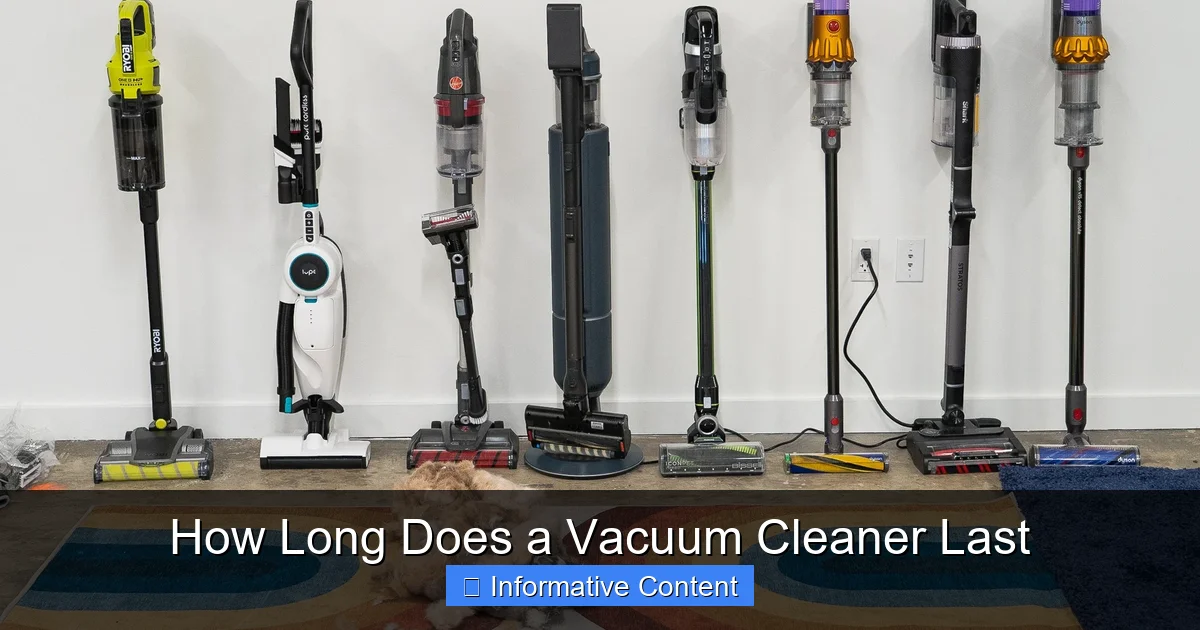
Curious how long does a vacuum cleaner last? The typical lifespan of a vacuum cleaner ranges from 5 to 8 years, though this can vary significantly based on its type, brand quality, and your usage habits. Proper maintenance, gentle use, and timely attention to minor issues are essential strategies that can significantly extend your vacuum’s life, ensuring it remains an effective cleaning companion for many years.
How Long Does a Vacuum Cleaner Last?
Have you ever wondered about the lifespan of your trusty cleaning companion? It’s a question many of us ponder, especially when faced with the decision to repair an old vacuum or invest in a new one. Your vacuum cleaner is a vital tool for keeping your home sparkling, but like all appliances, it doesn’t last forever. Understanding how long does a vacuum cleaner last can help you make informed decisions, optimize its performance, and ultimately save you money in the long run.
The truth is, there isn’t a single, straightforward answer to “how long does a vacuum cleaner last.” The lifespan can vary wildly depending on several factors, from the type of vacuum you own to how often you use it and, most importantly, how well you take care of it. Think of it like a car; a well-maintained vehicle from a reliable brand will undoubtedly outlast one that’s neglected or cheaply made. This article will dive deep into what influences vacuum cleaner longevity, give you average lifespans for different types, and offer practical tips to help your vacuum cleaner last as long as possible.
Key Takeaways
- Average Lifespan Varies: While most vacuum cleaners last 5-8 years, robotic vacuums tend to have shorter lifespans (2-5 years) due to battery degradation, while high-quality canister models can exceed 10 years with proper care.
- Quality Matters: Vacuums from reputable brands with higher build quality often use more durable components, contributing to a longer lifespan compared to budget-friendly models.
- Maintenance is Crucial: Regular cleaning of filters, emptying dustbins, checking brush rolls, and replacing bags or belts are paramount for extending your vacuum’s life and maintaining optimal performance.
- Usage Habits Impact Longevity: Frequent, heavy use on demanding surfaces (like pet hair on thick carpets) shortens a vacuum’s life, whereas lighter, less frequent use allows components to last longer.
- Listen to Your Vacuum: Pay attention to signs like reduced suction, unusual noises, or burning smells, as these often indicate underlying issues that need prompt attention to prevent further damage.
- Repair vs. Replace Decision: Consider the cost of repair relative to a new unit, the vacuum’s age, and the availability of parts when deciding whether to fix a broken vacuum or invest in a new one.
Quick Answers to Common Questions
How often should I clean my vacuum’s filter?
For most vacuums, washable filters should be cleaned every 1-3 months, and non-washable HEPA filters should be replaced every 6-12 months, depending on usage.
Can vacuuming pet hair shorten my vacuum’s life?
Yes, excessive pet hair can clog brush rolls, filters, and hoses, forcing the motor to work harder and potentially leading to premature wear and tear or overheating.
What’s the most common reason for vacuum cleaner failure?
Poor maintenance, such as not emptying the dustbin, not cleaning filters, or failing to clear brush roll tangles, is the most common reason for premature vacuum cleaner failure.
Is it always better to buy a more expensive vacuum for longevity?
Generally, yes. Higher-end vacuums often use more durable components and better engineering, which contributes to a longer lifespan. However, proper maintenance is still crucial regardless of price.
Can storing my vacuum improperly affect its lifespan?
Yes, storing your vacuum in extreme temperatures (very hot or very cold) or damp conditions can damage plastic components, electronics, and batteries, shortening its overall life.
📑 Table of Contents
The Average Lifespan of Different Vacuum Cleaner Types
The design and purpose of a vacuum cleaner play a huge role in its expected lifespan. Let’s break down how long does a vacuum cleaner last for the most common types you’ll find in homes today.
Upright Vacuums
Upright vacuums are a staple in many households, especially those with carpeting. They are generally robust and designed for powerful floor cleaning. On average, an upright vacuum cleaner can last anywhere from 5 to 8 years. High-end models from reputable brands like Dyson, Shark, or Hoover, when properly maintained, can often push past the 10-year mark. However, more budget-friendly uprights might see their performance decline closer to the 5-year mark, sometimes even sooner with heavy use.
Canister Vacuums
Canister vacuums, known for their versatility and often superior suction, tend to be built with more durable components due to their separated motor and collection unit. This often translates to a longer lifespan. You can typically expect a good quality canister vacuum to last 8 to 10 years. Premium brands like Miele or Electrolux are particularly known for their longevity, with some owners reporting their units lasting 15 years or more with diligent care.
Robotic Vacuums
The innovative world of robotic vacuums has brought convenience to our lives, but their intricate electronics and reliance on rechargeable batteries mean a generally shorter lifespan. On average, a robotic vacuum cleaner like a Roomba or Roborock typically lasts between 2 to 5 years. The battery is often the first component to degrade, and while it can sometimes be replaced, other electronic components can also fail. Software updates and continued support from the manufacturer can also influence their perceived “useful” life.
Handheld Vacuums
Handheld vacuums are fantastic for quick clean-ups and small messes, but they’re not built for heavy-duty, long-term use. Their smaller motors and battery-powered nature usually give them a lifespan of about 2 to 4 years. Like robotic vacuums, battery degradation is a primary factor in their eventual decline. While convenient, don’t expect them to have the same staying power as their larger counterparts.
Key Factors Influencing Vacuum Cleaner Lifespan
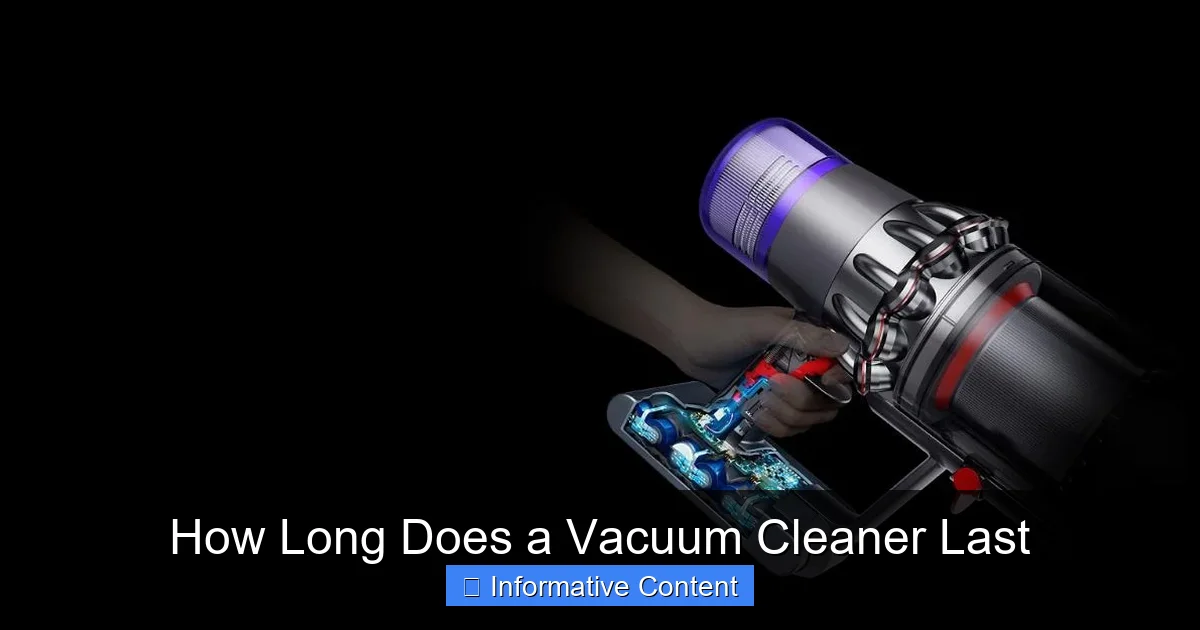
Visual guide about How Long Does a Vacuum Cleaner Last
Image source: dyson-h.assetsadobe2.com
Beyond the type of vacuum, several other critical elements dictate how long does a vacuum cleaner last in your home. Understanding these factors can help you make smarter purchasing decisions and implement better care routines.
Brand and Build Quality
This is perhaps one of the most significant predictors of longevity. Brands like Miele, Dyson, and Sebo are renowned for their engineering, using high-quality materials and robust motors designed to withstand years of use. While they come with a higher upfront cost, their extended lifespan often makes them a more economical choice in the long run. Cheaper vacuums, on the other hand, often use plastic components that are prone to cracking, less powerful motors, and lower-grade electronics, all of which contribute to a shorter lifespan.
Usage Frequency and Intensity
Think about it: a vacuum used daily to clean a large house with multiple pets will endure far more wear and tear than one used once a week for light cleaning in a small apartment. Heavy usage puts more strain on the motor, belts, brush rolls, and other moving parts, accelerating their degradation. If you use your vacuum frequently, consider investing in a more durable model or be extra diligent with maintenance.
Maintenance Habits
This factor cannot be stressed enough. Poor maintenance is arguably the biggest culprit behind premature vacuum failure. Neglecting to empty the dustbin, clean or replace filters, clear brush roll tangles, or change bags can choke the motor, reduce suction, and cause components to overheat and fail. Regular, proactive maintenance is the single most effective way to extend your vacuum cleaner’s life.
Type of Debris
What you vacuum up also affects how long does a vacuum cleaner last. Regularly picking up fine dust, sand, or construction debris can prematurely wear down filters and motors. Sharp objects, small toys, or excessive amounts of liquid (which vacuums aren’t designed for) can cause immediate damage to hoses, impellers, and electrical components. Be mindful of what you’re asking your vacuum to tackle.
Pet Ownership
For pet owners, the constant battle against fur can be tough on a vacuum. Pet hair can quickly clog filters, wrap tightly around brush rolls, and put extra strain on the motor, leading to overheating and reduced efficiency. If you have furry friends, look for vacuums specifically designed for pet hair, and be prepared to perform more frequent maintenance to keep it running smoothly.
Signs Your Vacuum Cleaner is Nearing the End
Sometimes, your vacuum will give you clear signals that its best days are behind it. Knowing these signs can help you decide when it’s time for a major repair or a new purchase.
Loss of Suction
This is one of the most common and frustrating problems. While a temporary loss of suction can often be resolved by emptying the bin, cleaning filters, or clearing a clog, persistent weak suction even after all these steps usually indicates a deeper issue. It could be a failing motor, a cracked hose, or a seal that’s lost its integrity, meaning your vacuum cleaner might be nearing its end.
Unusual Noises or Smells
Is your vacuum making strange grinding, rattling, or whining noises? This could indicate worn-out motor bearings, a damaged fan, or something jammed in the brush roll or impeller. A burning smell, often likened to burning rubber or plastic, is a serious warning sign. It often points to an overheated motor, a slipping belt, or an electrical issue. When you smell smoke or a strong burning odor, turn off the vacuum immediately and unplug it.
Frequent Breakdowns
If you find yourself constantly replacing belts, clearing clogs, or having to take your vacuum in for repairs every few months, the cumulative cost and inconvenience might outweigh its usefulness. Frequent breakdowns signal that various components are failing due to age and wear.
Visible Wear and Tear
While cosmetic scratches are normal, significant physical damage can compromise your vacuum’s performance and safety. Cracked housing, frayed power cords, loose attachments that no longer seal properly, or a brush roll that won’t spin even after cleaning are all indicators that your vacuum is struggling. A severely frayed cord, in particular, is a fire hazard and warrants immediate attention or replacement.
Maximizing Your Vacuum Cleaner’s Lifespan: Tips and Tricks
So, how can you defy the averages and make sure your vacuum cleaner lasts as long as possible? It boils down to consistent, mindful care. Here are some practical tips to extend its life.
Regular Cleaning and Filter Replacement
This is the golden rule.
- Empty the Dustbin/Change Bags: Don’t wait until they’re overflowing. A full dustbin or bag drastically reduces suction and makes the motor work harder. Empty or change them regularly, ideally after every few uses or when two-thirds full.
- Clean or Replace Filters: Filters trap dust and allergens, but they also get clogged. Refer to your manual for how often to clean or replace them. Washable filters should be air-dried completely before reinserting. Non-washable HEPA filters often need replacement every 6-12 months.
Checking Hoses and Attachments
Periodically inspect the hose for cracks or blockages. Suction power can plummet if there’s a hole in the hose. Also, ensure all attachments fit snugly and are free of debris. A loose attachment can cause air leaks and reduce effectiveness.
Clearing the Brush Roll
The brush roll (or beater bar) is essential for agitating carpet fibers and picking up debris. It’s also a magnet for hair, threads, and strings. Regularly turn your vacuum over, remove the brush roll (if possible), and use scissors or a seam ripper to carefully cut away tangled hair and fibers. A clogged brush roll can put immense strain on the belt and motor, causing premature failure.
Proper Storage
Store your vacuum in a dry, temperate place, away from extreme heat or cold. Don’t leave it in a damp garage or an unheated shed. Extreme temperatures can damage plastic components, electronics, and especially batteries in cordless or robotic models. Store it upright, if applicable, to prevent stress on hoses or wheels.
Addressing Minor Issues Promptly
Don’t ignore small problems. A rattling noise might just be a loose screw, but if left unaddressed, it could lead to bigger, more costly damage. A minor clog, if ignored, can cause the motor to overheat. Be proactive.
Don’t Overload Your Vacuum
Avoid vacuuming liquids, large chunks of debris, sharp objects (like glass shards), or excessive amounts of fine powders (like drywall dust). These can severely damage the motor, filters, fan, and internal components. Use appropriate tools for specific messes – a shop vac for wet spills or heavy debris, and a broom for very fine powders.
Repair vs. Replace: Making the Smart Choice
Eventually, even with the best care, your vacuum cleaner might face a significant breakdown. When that happens, you’ll need to decide: is it worth repairing, or is it time for a new one? How long does a vacuum cleaner last becomes a crucial question here.
Cost of Repair vs. New Vacuum
A good rule of thumb is to compare the repair cost to the price of a comparable new vacuum. If the repair cost is more than 50% of a new, similar model, it’s usually better to buy new. For example, if a motor replacement costs $200, and a new entry-level vacuum is $250, replacing it makes more sense. However, if your high-end Miele needs a $150 repair and a new one costs $800, the repair is likely the smarter financial move.
Age and Condition of Your Vacuum
Consider the overall age and condition of your existing vacuum. If it’s a 10-year-old budget model that’s had multiple repairs already, even a small new repair might not be worth it, as other components are likely to fail soon. If it’s a relatively new, high-quality vacuum with only one major issue, a repair is often a good investment.
Availability of Parts and Warranty
Check if replacement parts are readily available and if your vacuum is still under warranty. A reputable repair shop can often source parts for popular brands. A warranty can cover significant repair costs, making it a no-brainer to repair.
Environmental Impact
From an environmental perspective, repairing an appliance is almost always better than replacing it. It reduces waste in landfills and conserves resources used in manufacturing new products. If the repair is reasonable, it’s a greener choice.
Conclusion
So, how long does a vacuum cleaner last? The answer is a mosaic of factors, from the specific model you choose to the diligence of your maintenance routine. While you can expect a general lifespan of 5-8 years for most full-sized vacuums and 2-5 years for robotic and handheld models, remember that these are just averages. Your proactive efforts in cleaning, maintenance, and gentle use can significantly push these boundaries, potentially giving you many extra years of faithful service.
By understanding what influences your vacuum’s longevity, recognizing the signs of wear, and making informed decisions about care and repair, you’re not just buying an appliance; you’re investing in a cleaner, healthier home for years to come. Treat your vacuum well, and it will continue to suck up dirt and dust, making your life a little bit easier, one clean floor at a time.
Frequently Asked Questions
How can I tell if my vacuum motor is failing?
Signs of a failing motor include a significant loss of suction even after thorough cleaning, unusual grinding or high-pitched whining noises, or a burning smell coming from the vacuum. These symptoms usually indicate that the motor is overheating or its bearings are worn out.
Do cordless vacuums last as long as corded ones?
Cordless vacuums generally have a shorter lifespan than corded models, primarily due to their reliance on rechargeable batteries. The battery often degrades over 2-4 years, and while it might be replaceable, the overall electronic components typically don’t last as long as the robust motors in corded uprights or canisters.
What’s the best way to maintain my vacuum’s brush roll?
Regularly flip your vacuum over and visually inspect the brush roll. Use scissors or a seam ripper to carefully cut away tangled hair, threads, and debris. Ensure the brush roll spins freely by hand, and if it’s removable, take it out for a more thorough cleaning.
Should I replace my vacuum belt regularly?
Yes, vacuum belts are wear-and-tear items and should be replaced periodically, typically every 6-12 months or if you notice the brush roll isn’t spinning or is slipping. A worn belt can reduce cleaning performance and put extra strain on the motor.
Can I extend the life of my robotic vacuum’s battery?
To extend a robotic vacuum’s battery life, try to keep it charged when not in use, avoid letting it fully discharge frequently, and if possible, store it in a cool, dry place if you’re not going to use it for an extended period. Some models allow for battery replacement, which can give the unit a second life.
What types of floors are hardest on a vacuum cleaner?
Thick carpets, especially those with high pile, can be very hard on a vacuum cleaner as the motor has to work harder to generate suction and spin the brush roll. Additionally, homes with a lot of pet hair or fine sand/grit can also put significant stress on filters and motors, accelerating wear.