
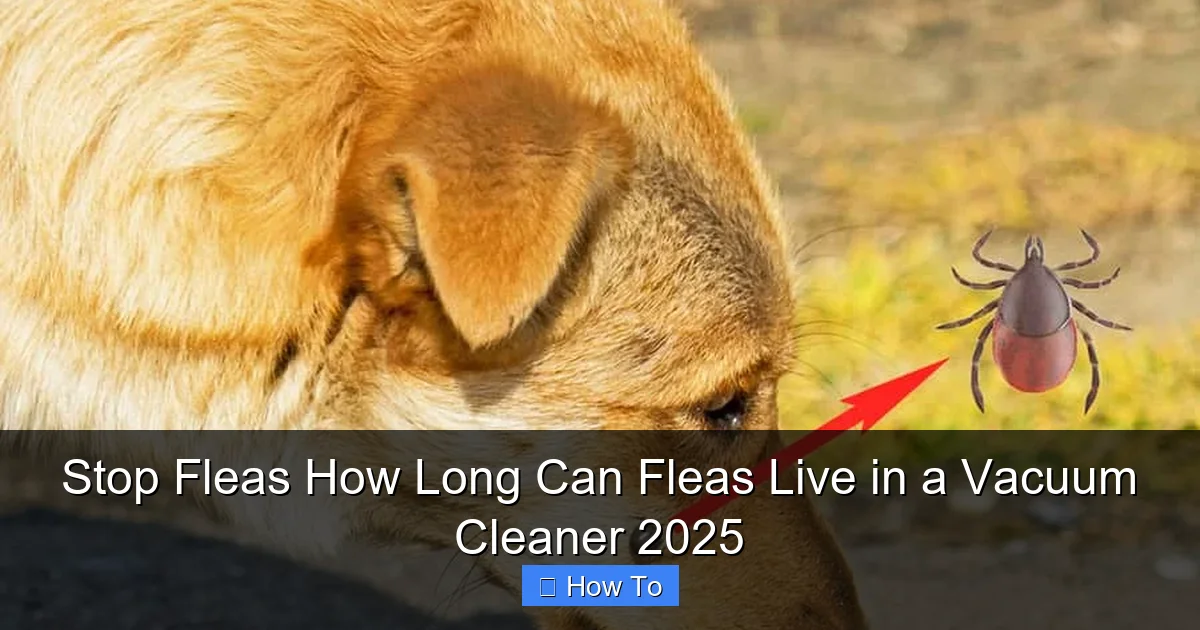
Vacuuming is a critical tool in flea control, but many wonder how long can fleas live in a vacuum cleaner. While adult fleas are often killed by the vacuum’s trauma, eggs, larvae, and pupae can sometimes survive for a short period. The key to effective elimination is immediate and proper disposal of the vacuum bag or canister contents, combined with consistent, thorough cleaning to prevent reinfestation. Don’t let your vacuum become a temporary flea hotel!
Stop Fleas How Long Can Fleas Live in a Vacuum Cleaner 2025
Alright, let’s talk about fleas. Those tiny, jumpy pests can turn a cozy home into an itchy nightmare, especially when you have beloved pets. If you’re like most pet owners, your vacuum cleaner is your first line of defense in the battle against these unwelcome guests. You vacuum diligently, feeling a sense of accomplishment as you suck up visible dirt and, hopefully, countless fleas. But then a nagging question pops into your head: “Just how long can fleas live in a vacuum cleaner anyway?”
It’s a really good question, and one we hear a lot in 2025. You’re not alone in wondering if you’re truly sucking them into oblivion or just giving them a temporary, bumpy ride. Understanding the survival rate of fleas inside your vacuum isn’t just about satisfying curiosity; it’s about making sure your flea control efforts are as effective as possible.
In this comprehensive guide, we’ll dive deep into the fascinating (and slightly unsettling) world of flea survival inside your vacuum cleaner. We’ll explore what happens to fleas once they’re sucked up, how long they *can* potentially live, and most importantly, what you need to do to ensure your vacuum becomes their final resting place, not just a temporary hideout. By the end of this, you’ll be armed with the knowledge and practical tips to confidently tackle those fleas and keep your home pest-free.
Key Takeaways
- Adult Fleas vs. Immature Stages: Adult fleas are often instantly killed or severely injured by the vacuum’s powerful suction and internal trauma. However, eggs, larvae, and pupae have a higher chance of temporary survival inside the vacuum cleaner.
- Survival Time Varies: While some sources suggest fleas can live for days in optimal conditions, within a vacuum cleaner, their survival is drastically reduced due to lack of food, water, and suitable environment. Most active fleas will perish within hours, if not immediately.
- Bagged vs. Bagless Vacuums: Bagged vacuums generally offer better containment as the bag seals the contents. Bagless vacuums require immediate emptying into a sealed outdoor trash can to prevent any potential escape or further development.
- Immediate Disposal is Crucial: The most effective way to prevent fleas from surviving and potentially escaping is to dispose of vacuum contents (bag or canister) immediately after cleaning. Seal the bag tightly or empty the canister directly into an outdoor trash bin.
- Physical Trauma is Key: The abrasive action of dirt and debris, combined with the high-speed air current inside the vacuum, significantly contributes to the demise of fleas, especially adults, even if they aren’t completely crushed.
- Dehydration is a Factor: The dry, enclosed environment of a vacuum cleaner rapidly dehydrates fleas, which depend on a host for blood meals and moisture. This significantly shortens their lifespan inside the machine.
- Beyond the Vacuum: While vacuuming is vital, it’s part of a larger flea control strategy. Combine it with pet treatments, household insecticides, and proper cleaning techniques to effectively eradicate a flea infestation in 2025.
Quick Answers to Common Questions
What’s the best time to vacuum for fleas?
Vacuuming immediately after treating your pet for fleas is effective, as the adult fleas will jump off the pet, and you can capture them. Regular vacuuming (daily to every other day) during an infestation is crucial, regardless of the time.
Should I put flea powder in my vacuum?
No, it’s generally not recommended. Most flea powders are designed to be applied to carpets and then vacuumed up *after* they’ve had time to work. Putting them directly into the vacuum can damage the motor, clog filters, or release harmful dust into the air.
Can fleas escape a vacuum cleaner once sucked up?
The chances of adult fleas escaping a functional vacuum cleaner are very low due to the physical trauma and disorientation. However, if the vacuum bag isn’t sealed or the canister is left open indoors, there’s a minimal risk, especially for flea pupae, if they manage to survive.
How often should I vacuum during a flea infestation?
During an active flea infestation, you should aim to vacuum daily, or at least every other day, for 2-3 weeks. This consistent effort helps remove as many fleas, eggs, and larvae as possible, disrupting their life cycle.
Does vacuuming kill flea eggs?
Vacuuming effectively removes many flea eggs from carpets and upholstery. The powerful suction and abrasive action can also damage or destroy some eggs, preventing them from hatching. However, not all eggs will be killed, emphasizing the need for immediate disposal of contents.
The Flea Life Cycle: Why Vacuuming Matters
Before we talk about how long can fleas live in a vacuum cleaner, let’s quickly recap the flea life cycle. It’s crucial for understanding why vacuuming is so important. Fleas don’t just exist as adults jumping on your pets; their life cycle has four stages:
Eggs
Female fleas lay eggs on your pet, but these eggs aren’t sticky. They quickly fall off into your carpets, pet bedding, furniture, and even cracks in your flooring. These tiny, pearly-white eggs are a significant part of the infestation load in your home.
Larvae
After a few days, the eggs hatch into larvae. These look like tiny, segmented worms and are highly sensitive to light. They burrow deep into carpet fibers, under furniture, and in dark, protected areas. They feed on “flea dirt” – dried blood excreted by adult fleas – and other organic debris.
Pupae
The larvae then spin a silken cocoon and transform into pupae. This is the toughest stage of the flea life cycle. The pupal cocoon is sticky and resilient, making it resistant to many insecticides and physical removal. Fleas can remain in this stage for weeks or even months, waiting for ideal conditions (like vibrations, heat, or CO2 indicating a host is near) to emerge as adult fleas.
Adult Fleas
Once they emerge, adult fleas immediately seek a blood meal. They are the stage you typically see jumping on your pet or yourself. They mate and the cycle begins anew.
Vacuuming plays a vital role because it can physically remove eggs, larvae, pupae, and adult fleas from your environment. But the question remains: what happens to them once they’re inside the vacuum?
What Happens to Fleas Inside a Vacuum Cleaner?
When a flea, its egg, or larva gets sucked into your vacuum, it enters a truly hostile environment. Several factors come into play that affect how long can fleas live in a vacuum cleaner:
Physical Trauma
The sheer force of the suction, the journey through the hose, and being repeatedly tumbled with dirt, dust, and other debris inflict significant physical trauma. Adult fleas, with their delicate exoskeletons, are often crushed, dismembered, or severely injured during this process.
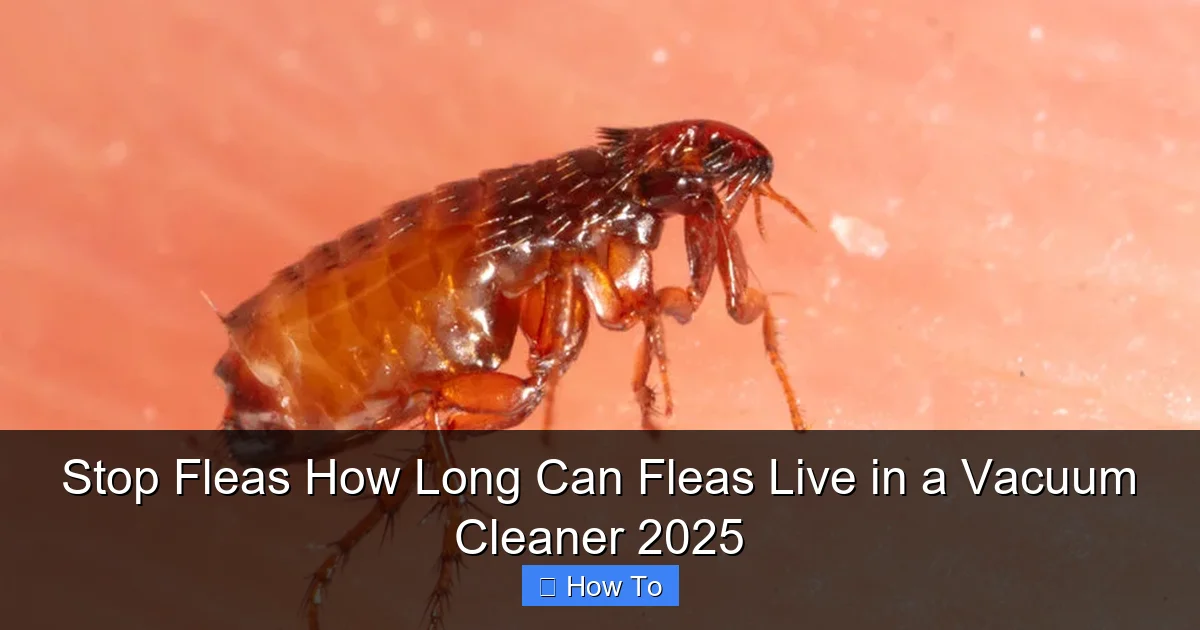
Visual guide about Stop Fleas How Long Can Fleas Live in a Vacuum Cleaner 2025
Image source: beatpests.com
Dehydration
Fleas, especially adults, need a blood meal to survive. Inside the dry, often warm, and food-free environment of a vacuum cleaner, they quickly become dehydrated. Without access to a host for blood and moisture, their survival time is severely limited.
Lack of Food
Adult fleas cannot survive long without blood. Larvae need “flea dirt” and organic matter. While some organic debris might be present in the vacuum, it’s not a sustainable food source, especially for adults.
Confinement and Agitation
Being trapped in a dark, confined space with constant movement (as you continue to vacuum) and being jostled around with other debris is stressful and debilitating for fleas.
So, How Long Can Fleas Live in a Vacuum Cleaner?
This is the million-dollar question! The answer isn’t a simple “X hours” or “Y days,” as it depends on several factors, including the flea’s life stage, the type of vacuum, and what you do immediately after vacuuming.
Adult Fleas
For adult fleas, survival inside a vacuum cleaner is generally very short. Many are killed instantly or within minutes due to the physical trauma of being sucked up and jostled around with dirt and debris. Even those that survive the initial impact will quickly succumb to dehydration and starvation. Realistically, how long can fleas live in a vacuum cleaner for adult fleas is often less than a few hours, possibly up to 24 hours in very rare, ideal (for the flea) circumstances within the vacuum. However, the probability of them escaping and reinfesting is extremely low if proper disposal steps are followed.
Flea Eggs, Larvae, and Pupae
This is where things get a bit trickier.
- Eggs: Flea eggs are quite fragile and are often damaged or destroyed by the vacuuming process. Even if intact, they face dehydration and lack of suitable conditions to hatch.
- Larvae: Larvae are more vulnerable to desiccation and physical trauma. Without flea dirt to feed on and a moist environment, their chances of survival for extended periods are low.
- Pupae: This is the most resilient stage. The pupal cocoon offers significant protection. While they might not emerge inside the vacuum due to lack of a host stimulus, they *could* potentially survive in their cocoons for a longer duration, especially if the vacuum contents aren’t immediately disposed of. However, they’re still subject to the dry conditions.
Bagged vs. Bagless Vacuums: The Key Difference for Flea Survival
The type of vacuum you use significantly impacts the answer to how long can fleas live in a vacuum cleaner.
- Bagged Vacuums: These are generally preferred for flea control. Once the fleas and debris are sucked into the bag, it creates a contained environment. Many modern vacuum bags are designed to seal themselves when removed, trapping the contents inside. The lack of air and physical confinement further reduces flea survival.
- Bagless (Canister) Vacuums: These pose a slightly higher risk if not handled correctly. The canister simply collects the debris. If not emptied immediately and properly, fleas (especially pupae) could potentially survive longer, and there’s a small chance they could escape when you open the canister indoors.
In summary, while the physical act of vacuuming is highly effective at killing or severely injuring fleas, immediate and proper disposal of the contents is the ultimate step to ensure that how long can fleas live in a vacuum cleaner is effectively reduced to “not long at all.”
Step-by-Step Guide: Ensuring Your Vacuum Kills Fleas for Good
To make sure your vacuum cleaner is a flea graveyard and not a temporary shelter, follow these essential steps in 2025:
Step 1: Prepare Your Home for Vacuuming
Before you even turn on the vacuum, do some prep work.
- Declutter: Remove toys, clothes, and anything else from the floor. This allows for thorough vacuuming.
- Wash Pet Bedding: Hot water and high heat drying will kill all flea life stages. Do this regularly, especially during an infestation.
- Move Furniture: If possible, move light furniture to vacuum underneath and behind it. Fleas love to hide in these undisturbed areas.
Step 2: Choose the Right Vacuum Cleaner and Attachments
Not all vacuums are created equal for flea extermination.
- High Suction Power: A powerful motor is crucial for pulling fleas, eggs, and larvae from carpet fibers and upholstery.
- Beater Bar (Rotating Brush): For carpets, a vacuum with a beater bar helps agitate the carpet, dislodging fleas and their eggs that are deeply embedded.
- HEPA Filter: While not directly related to killing fleas, a HEPA filter is excellent for capturing tiny flea allergens and preventing them from recirculating into the air, which can be important for allergy sufferers.
- Attachments: Use crevice tools for corners and edges, and upholstery attachments for furniture.
Step 3: Vacuum Thoroughly and Systematically
Don’t just do a quick pass. Be methodical!
- Go Slow: Move the vacuum slowly over surfaces to give the suction and brush a chance to pick up everything.
- Multiple Directions: Vacuum carpets in multiple directions (e.g., horizontally, then vertically). This helps dislodge more fleas and eggs.
- Focus on High-Traffic Areas: Pay extra attention to areas where your pets spend most of their time – near their beds, favorite napping spots, and areas where they eat.
- Don’t Forget Upholstery: Use appropriate attachments to vacuum sofas, chairs, and even curtains.
- Hard Floors: While not as critical as carpets, vacuum hard floors to pick up any fallen eggs or debris.
- Vacuum Frequently: During an active infestation, vacuum daily, or at least every other day, for 2-3 weeks. This constant disruption and removal are key.
Step 4: Immediate Post-Vacuuming Actions are CRITICAL
This is arguably the most important step for limiting how long can fleas live in a vacuum cleaner.
- For Bagged Vacuums:
- Remove the Bag: As soon as you finish vacuuming, carefully remove the vacuum bag.
- Seal It Tightly: Most modern bags have a self-sealing mechanism. If not, seal it securely with tape or by tying a knot.
- Dispose Outdoors: Immediately place the sealed bag in a trash can *outside your home*. Do not leave it in an indoor trash can, even for a short time.
- For Bagless (Canister) Vacuums:
- Empty Immediately: Take the canister directly outdoors.
- Empty into a Sealed Bag: Empty the contents into a sturdy plastic bag (like a grocery bag), tie it securely, and place it in your outdoor trash can.
- Rinse Canister (Optional but Recommended): If possible, rinse the canister with hot, soapy water and allow it to air dry completely before reattaching. This helps remove any lingering eggs or larvae.
Step 5: Clean and Maintain Your Vacuum
Regular maintenance ensures your vacuum remains an effective flea-fighting tool.
- Check Filters: Clean or replace your vacuum’s filters regularly according to the manufacturer’s instructions. Clogged filters reduce suction power.
- Inspect Brush Roll: Remove any tangled hair or debris from the brush roll to ensure it rotates effectively.
- Clean Attachments: Periodically wash your vacuum attachments with hot, soapy water.
- Store Properly: Keep your vacuum clean and in good working order.
Step 6: Complementary Treatments for Comprehensive Flea Control
Vacuuming is incredibly effective, but it’s usually not enough on its own for a full-blown infestation.
- Treat Your Pets: Use veterinarian-recommended flea treatments (topicals, oral medications) consistently. This breaks the cycle at its source.
- Consider Insect Growth Regulators (IGRs): Sprays containing IGRs prevent flea eggs and larvae from developing into adult fleas. Apply them to carpets and upholstery after vacuuming.
- Use Residual Insecticides: For severe infestations, professional pest control or targeted household sprays can be used. Always follow product instructions carefully.
- Yard Treatment: If fleas are coming from your yard, consider treating outdoor areas where pets spend time.
Troubleshooting: When Fleas Persist
You’ve followed all the steps, but you still see fleas. Don’t despair! Here are some troubleshooting tips:
Check for Vacuum Leaks or Reduced Suction
A compromised vacuum won’t be as effective.
- Inspect Hose and Seals: Look for cracks in the hose or loose seals around the canister/bag compartment. Any leaks will reduce suction.
- Check for Clogs: A clogged hose or filter will also severely reduce suction power.
Increase Vacuuming Frequency
During a heavy infestation, daily vacuuming is often necessary to significantly reduce the flea population. Consistency is key. You need to interrupt the flea life cycle constantly. Remember, the goal isn’t just to kill adult fleas, but to remove those resilient pupae and eggs, too. The more often you vacuum, the less how long can fleas live in a vacuum cleaner becomes a concern for any survivors, as they will be quickly disposed of.
Are You Missing Key Areas?
Fleas are masters of hide-and-seek.
- Under Cushions: Lift and vacuum under all seat and back cushions on furniture.
- Cracks and Crevices: Use a crevice tool to get into every tight spot, including baseboards and floor gaps.
- Pet’s Favorite Spots: Don’t just vacuum the general area; vacuum *exactly* where your pet sleeps, eats, and hangs out.
Consider Professional Help
If you’re dealing with a persistent, severe infestation, it might be time to call in a professional pest control service. They have access to stronger treatments and expertise that can quickly get the situation under control.
Conclusion: The Vacuum as a Powerful Flea Fighter in 2025
So, how long can fleas live in a vacuum cleaner? The good news is, for most adult fleas, not very long at all. The trauma of being sucked up, combined with dehydration and lack of food, quickly spells their end. While some eggs, larvae, and particularly pupae might temporarily survive, their chances of development or escape are drastically minimized with proper post-vacuuming procedures.
Your vacuum cleaner, when used correctly and consistently, is an incredibly powerful weapon in your arsenal against fleas. By understanding the flea life cycle, vacuuming thoroughly, and most importantly, immediately and securely disposing of the vacuum contents outdoors, you transform your vacuum from a temporary holding cell into an effective flea exterminator.
Remember, flea control in 2025 is a multi-faceted approach. Combine your diligent vacuuming efforts with appropriate pet treatments, regular bedding washes, and potentially professional pest control for a truly flea-free home. Stay vigilant, stay clean, and reclaim your home from those pesky jumpers!
🎥 Related Video: HOW TO GET RID OF FLEAS IN 12 hrs! Best way! #fleas #exterminator
📺 Thee Marteen