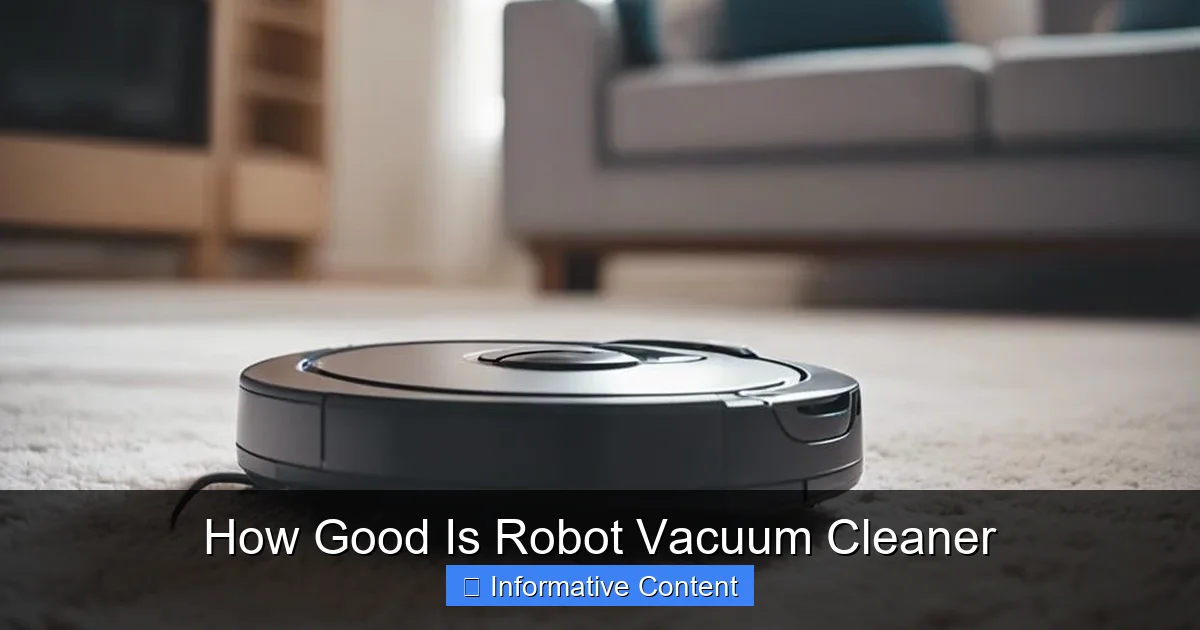
Curious about how good is a robot vacuum cleaner? These smart devices offer unparalleled convenience, automating daily floor cleaning and significantly reducing your manual effort. While they excel at maintaining cleanliness, especially on hard floors and for pet hair, they aren’t a complete replacement for a deep clean, requiring some human assistance for stairs or heavily soiled areas. They are a fantastic tool for consistent upkeep, but their “goodness” ultimately depends on your specific needs and expectations.
How Good Is Robot Vacuum Cleaner?
Imagine walking into a consistently clean home, day after day, without ever having to lift a finger to vacuum. Sounds like a dream, right? This is the promise of the robot vacuum cleaner, a marvel of modern technology designed to take one of the most tedious household chores off your plate. These little disc-shaped wonders have evolved dramatically over the years, moving from quirky gadgets that bumped aimlessly around your living room to sophisticated cleaning companions with advanced mapping, powerful suction, and intelligent features.
But with so many models on the market, ranging from budget-friendly options to high-end smart devices costing hundreds of dollars, a fundamental question remains: how good is a robot vacuum cleaner, really? Can they truly keep your home spotless, or are they just expensive toys? The answer, as with many things in life, isn’t a simple yes or no. It depends heavily on your expectations, your home environment, and the specific model you choose.
In this comprehensive guide, we’ll dive deep into the world of robot vacuum cleaners. We’ll explore their strengths, examine their limitations, and help you understand what to look for so you can decide if adding one to your cleaning arsenal is a smart move for your lifestyle. Get ready to discover the true capabilities and potential of these automated helpers.
Key Takeaways
- Convenience is King: Robot vacuum cleaners excel at providing hands-free, automated daily cleaning, significantly reducing the manual effort required to keep floors tidy.
- Strong on Hard Floors and Pet Hair: Most robot vacuums perform exceptionally well on hard surfaces like wood, tile, and laminate, and many high-end models are incredibly effective at picking up pet hair.
- Mapping and Smart Features Enhance Performance: Advanced navigation systems (like Lidar or VSLAM) allow for efficient cleaning paths, virtual boundaries, and zoned cleaning, greatly improving effectiveness compared to older, random-bumping models.
- Not a Full Replacement: While excellent for maintenance, robot vacuum cleaners cannot replace the deep cleaning power of a traditional upright vacuum for stairs, edges, or heavily soiled areas.
- Requires Some Preparation and Maintenance: To perform optimally, your home needs some tidying (e.g., picking up cords, small items), and the robot itself needs regular emptying and cleaning of brushes and filters.
- Consider Your Lifestyle and Home Type: They are ideal for busy individuals, homes with open floor plans, and pet owners, offering consistent cleanliness without daily manual effort.
- Investment Varies Widely: From basic budget models to premium self-emptying, obstacle-avoiding giants, the cost varies, so consider your essential features vs. your budget.
Quick Answers to Common Questions
Can a robot vacuum cleaner replace a regular vacuum entirely?
No, a robot vacuum cleaner is generally best for daily maintenance and won’t replace the deep cleaning power, versatility, or ability to clean stairs that a traditional vacuum provides.
Are robot vacuums good for pet hair?
Yes, many robot vacuum cleaner models are specifically designed with strong suction and tangle-free brushes that are highly effective at picking up pet hair daily.
Do robot vacuums get stuck often?
Older or basic robot vacuums might get stuck frequently on cords or uneven surfaces. Modern robot vacuum cleaner models with smart mapping and obstacle avoidance are much better but still benefit from a tidy environment.
How long does a robot vacuum battery last?
Battery life varies, typically ranging from 60 to 180 minutes on a single charge, depending on the model and suction setting.
Are robot vacuums noisy?
Robot vacuum cleaners are generally quieter than traditional upright vacuums, but they do produce an audible hum, especially on higher suction settings. Many users schedule them to run when they’re not home.
📑 Table of Contents
The Core Appeal: Convenience and Automation
The primary reason anyone considers buying a robot vacuum cleaner is undoubtedly the convenience it offers. In our busy lives, finding time for daily chores can be a challenge. That’s where these clever machines truly shine.
Hands-Free Cleaning
The biggest draw of any robot vacuum cleaner is its ability to clean your floors without any direct human intervention. Once set up, it can roam around your home, sucking up dust, dirt, and pet hair while you’re at work, running errands, or simply relaxing on the couch. Think about it: instead of carving out time each day or week for vacuuming, your floors can be maintained consistently, almost invisibly. This frees up your time and energy for more enjoyable activities, making your home a more pleasant place to return to. For busy families or individuals, this hands-free operation is a game-changer.
Scheduled Cleaning
Most modern robot vacuum cleaners come with scheduling capabilities, allowing you to program them to clean at specific times on specific days. Want your living room vacuumed every weekday morning before you wake up? No problem. Prefer it to run while you’re out of the house to avoid the noise? Absolutely achievable. This consistent, automated cleaning schedule means that daily dust and crumbs never get a chance to build up, leading to a perpetually tidier living space. This is a huge benefit for maintaining overall home hygiene with minimal effort.
Cleaning Performance: What Can They Really Do?
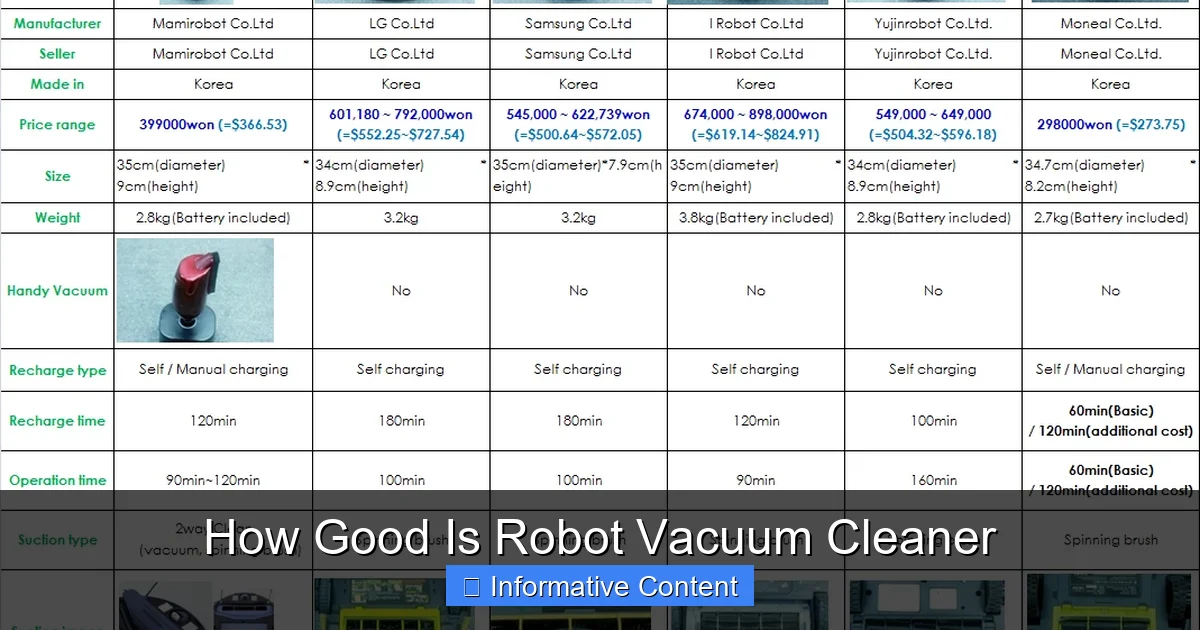
Visual guide about How Good Is Robot Vacuum Cleaner
Image source: 1.bp.blogspot.com
Beyond convenience, the real test for any robot vacuum cleaner is its actual cleaning performance. How well do they pick up dirt, and on what surfaces do they excel?
Hard Floors vs. Carpets
Generally speaking, robot vacuum cleaners perform exceptionally well on hard floor surfaces such as hardwood, laminate, tile, and vinyl. Their brushes effectively sweep up debris, and their suction power is usually more than adequate for collecting dust, crumbs, and fine particles. For homes with predominantly hard floors, a robot vacuum cleaner can keep them sparkling clean with remarkable efficiency.
When it comes to carpets, the performance can be a bit more varied. Most robot vacuums handle low-pile carpets and area rugs quite well, effectively removing surface dirt and pet hair. However, they tend to struggle with medium to high-pile carpets. Their suction power might not be strong enough to reach deep into the carpet fibers, and their brushes can sometimes get tangled or bogged down. If you have thick shag carpets, a robot vacuum cleaner might not be the ideal solution for thorough cleaning.
Pet Hair Prowess
For pet owners, the question “how good is a robot vacuum cleaner at handling pet hair?” is a crucial one. And the good news is, many robot vacuums are absolute lifesavers in this department. Models specifically designed for pet owners often feature tangle-free brush rolls or rubber brushes that are less prone to getting hair wrapped around them. They also typically boast stronger suction to tackle shedding. Running a robot vacuum daily can dramatically reduce the amount of pet hair floating around your home, which is a huge relief for both cleanliness and allergy sufferers.
Edge and Corner Cleaning
This is an area where robot vacuum cleaners sometimes face limitations. Due to their round shape, they can’t always get perfectly into sharp corners or tight edges against walls. Most models use a side brush (or two) to sweep debris from edges into the path of the main brush roll. While this works reasonably well, you might still find some residual dust or dirt left behind in very tight spots. Some D-shaped models attempt to address this by offering a straight edge that can get closer to walls. For truly pristine edges, you might still need to occasionally go over them with a handheld attachment or a traditional vacuum.
Suction Power and Filtration
The suction power of a robot vacuum cleaner has improved significantly over the years. Entry-level models offer decent suction for everyday dust, while high-end models can rival some stick vacuums. Many premium robot vacuums also incorporate advanced filtration systems, including HEPA filters, which are excellent for trapping allergens and fine particles. If you or someone in your household suffers from allergies, choosing a robot vacuum cleaner with strong suction and a HEPA filter can make a noticeable difference in indoor air quality.
Navigation and Smart Features
The intelligence of a robot vacuum cleaner is almost as important as its cleaning power. How it navigates your home determines its efficiency and effectiveness.
Basic Bumping vs. Smart Mapping
Early robot vacuums relied on a simple bump-and-go navigation system, essentially moving until they hit an obstacle, then changing direction. While functional, this method is inefficient and often misses spots. Modern robot vacuum cleaners, especially mid to high-range models, utilize sophisticated mapping technologies like Lidar (laser navigation) or VSLAM (visual simultaneous localization and mapping). These systems allow the robot to create an accurate map of your home, navigate in neat, systematic rows, and know exactly where it has been and where it needs to go.
The benefits of smart mapping are enormous:
- Efficiency: Cleans faster and more thoroughly.
- No-Go Zones/Virtual Walls: You can designate areas the robot should avoid, like pet food bowls, fragile furniture, or messy play areas, all from your smartphone app.
- Zoned Cleaning: Direct the robot to clean specific rooms or high-traffic areas on demand.
- Multi-Floor Mapping: Some advanced models can store maps for multiple levels of your home.
Obstacle Avoidance
While mapping improves navigation, true obstacle avoidance is another level of sophistication. Many robot vacuums can detect larger objects like furniture legs, but some higher-end models use cameras and AI to identify and avoid smaller obstacles like shoes, charging cables, and even pet waste. This prevents the robot from getting stuck or, worse, spreading a mess. However, even the smartest robot vacuum cleaner isn’t infallible, and some level of pre-cleaning (tidying up cables, small items) is always recommended for optimal performance.
App Control and Voice Integration
Most modern robot vacuum cleaners connect to a smartphone app, transforming your phone into a powerful remote control. Through the app, you can:
- Start, stop, or pause cleaning sessions.
- Schedule future cleanings.
- View cleaning maps and track the robot’s progress.
- Set up no-go zones or virtual walls.
- Adjust suction power and cleaning modes.
- Receive maintenance alerts.
Many models also integrate with voice assistants like Amazon Alexa or Google Assistant, allowing you to start or stop cleaning with simple voice commands, adding another layer of convenience.
Self-Emptying Bins
One of the most significant innovations in recent years is the self-emptying robot vacuum cleaner. After each cleaning session, these robots return to their charging dock, which doubles as a powerful dustbin. The dock automatically sucks the debris from the robot’s small onboard bin into a larger bag or container within the dock. This means you only need to empty the larger bin every few weeks or even months, depending on usage, dramatically reducing how often you interact with the dirt. This feature truly enhances the hands-free experience.
Limitations and Downsides
While the convenience and advanced features of a robot vacuum cleaner are compelling, it’s important to have realistic expectations. They do have their limitations.
Not a Full Replacement
Perhaps the most crucial point to understand is that, for most households, a robot vacuum cleaner is a supplement, not a complete replacement, for a traditional upright or stick vacuum. They can’t clean stairs, reach high shelves, get into extremely tight crevices, or provide the deep suction needed for heavily soiled areas or very thick carpets. You’ll still need your manual vacuum for those specific tasks and for occasional deep cleaning sessions. Think of your robot as your daily maintenance crew and your traditional vacuum as your heavy-duty specialist.
Battery Life and Charge Time
Robot vacuum cleaners run on batteries, and like all battery-powered devices, they have limits. Battery life varies significantly by model and suction setting, typically ranging from 60 to 180 minutes. For larger homes, this might mean the robot needs to return to its dock to recharge mid-clean, then resume where it left off (a feature called “recharge and resume”). While convenient, this adds to the overall cleaning time. Charge times can also range from a couple of hours to half a day, depending on the model.
Maintenance Requirements
Even with self-emptying docks, robot vacuums still require some maintenance. Their dustbins need to be emptied regularly (if not self-emptying), and their brushes, filters, and sensors need periodic cleaning to maintain optimal performance. Hair can get tangled in the brush rolls, filters can become clogged, and dirty sensors can impair navigation. Neglecting these tasks will reduce the robot’s effectiveness and longevity. While less frequent than manual vacuuming, it’s still an active responsibility.
Noise Levels
While generally quieter than a full-sized upright vacuum, robot vacuum cleaners still produce noise, especially when operating at higher suction settings. If you’re working from home or trying to have a quiet evening, you might find the constant hum or whirring disruptive. This is why many users prefer to schedule their robot to clean when they’re out of the house.
Initial Investment
A good quality robot vacuum cleaner represents a significant initial investment. While basic models can be found for under $200, models with advanced mapping, stronger suction, and self-emptying features can easily cost $500 to $1000 or more. This price point can be a barrier for some, but it’s important to weigh the cost against the time saved and the convenience gained.
Is a Robot Vacuum Right for You?
So, after considering the pros and cons, how good is a robot vacuum cleaner for *your* specific situation? Here are some factors to help you decide.
Lifestyle and Home Type
- Busy Individuals/Families: If you’re constantly on the go and lack time for daily vacuuming, a robot vacuum cleaner is an excellent solution for maintaining basic cleanliness.
- Pet Owners: For households with shedding pets, a daily robot vacuum can be a godsend, significantly reducing the amount of fur on your floors.
- Homes with Mostly Hard Floors: If your home primarily features hard surfaces, a robot vacuum will be highly effective and deliver excellent results.
- Open Floor Plans: Homes with fewer obstacles and open spaces allow robot vacuums to navigate and clean more efficiently without getting stuck.
- Multi-Level Homes: While a robot can’t climb stairs, smart mapping models can often remember multiple floor plans, meaning you can manually move it to a different floor, and it will still navigate effectively.
Budget
Your budget will largely dictate the features you can expect.
- Entry-Level ($150-$300): Basic bump navigation, decent suction for hard floors, manual bin emptying. Good for small spaces or as a basic dust collector.
- Mid-Range ($300-$600): Smarter navigation (gyro or basic mapping), stronger suction, app control, virtual boundaries. Good balance of features and cost.
- Premium ($600+): Advanced Lidar/VSLAM mapping, powerful suction, excellent obstacle avoidance, self-emptying bins, zoned cleaning, multi-floor mapping, mopping capabilities. Best for demanding users and larger homes.
Specific Needs (Pets, Allergies)
If pet hair and allergens are major concerns, prioritize models with strong suction, specialized tangle-free brushes, and HEPA filtration. The self-emptying feature is also particularly useful for allergy sufferers, as it minimizes direct contact with dust and dander.
Making the Most of Your Robot Vacuum
If you decide that a robot vacuum cleaner is a good fit for your home, here are some tips to ensure it performs at its best.
Prepare Your Home
Even the smartest robot vacuum benefits from a little preparation. Before a cleaning cycle, quickly pick up:
- Loose cables and charging cords (they love to get tangled).
- Small rugs or bath mats that might get bunched up.
- Pet toys, socks, or other small items that could get sucked up or cause the robot to get stuck.
- Clear clutter from the floor to allow the robot vacuum cleaner unrestricted access.
This “robot-proofing” will prevent many common issues and ensure a more thorough clean.
Regular Maintenance
Don’t forget to give your robot vacuum cleaner some love!
- Empty the Bin: Do this after every run if it’s not self-emptying, or check the self-empty bag/canister periodically.
- Clean Brushes: Remove hair and debris tangled around the main brush roll and side brushes. Many come with a small cleaning tool for this.
- Wipe Sensors: Use a dry cloth to gently wipe the cliff sensors (usually on the bottom) and navigation sensors (on top/sides) to prevent errors and ensure accurate mapping.
- Clean Filters: Tap out or rinse (if washable) the filter regularly to maintain suction power and air quality.
Strategic Placement of Charging Dock
Place the charging dock in an open, accessible area with good Wi-Fi coverage. Avoid placing it in direct sunlight or tucked away in a cluttered corner, as this can interfere with the robot’s ability to find its way home.
Conclusion
So, how good is a robot vacuum cleaner? The answer is: *very good* for what it’s designed to do, which is provide consistent, automated daily floor maintenance. They are a triumph of convenience, saving you valuable time and effort, especially if you have hard floors, pets, or a busy lifestyle. They keep the everyday dust, dirt, and hair at bay, leading to a noticeably cleaner home with minimal input from you.
However, it’s crucial to manage your expectations. A robot vacuum cleaner is not a magic bullet that eliminates all other cleaning. It complements your existing cleaning routine, acting as a diligent helper rather than a complete replacement for a deep, manual vacuuming session or tackling stairs.
Ultimately, the “goodness” of a robot vacuum cleaner boils down to your personal needs, your home’s layout, and the specific model you choose. Invest in a model with features that align with your lifestyle, give it a little preparation and maintenance, and you’ll likely find that a robot vacuum cleaner is an incredibly valuable addition to your home, making your life a little easier and your floors a lot cleaner.
Frequently Asked Questions
How often should I run my robot vacuum cleaner?
For best results, it’s recommended to run your robot vacuum cleaner daily or every other day, especially if you have pets or a busy household. This prevents dust and dirt from accumulating, keeping your floors consistently clean with minimal effort.
Do robot vacuums work on dark-colored floors or carpets?
Some robot vacuum cleaner models, particularly older ones, may have difficulty on very dark floors or carpets. Their cliff sensors can sometimes mistake dark surfaces for ledges, causing them to avoid those areas. Newer models have improved sensor technology to mitigate this issue.
Can robot vacuums clean multiple rooms or floors?
Yes, many modern robot vacuum cleaner models with smart mapping technology can clean multiple rooms efficiently. Some even support multi-floor mapping, allowing you to manually move the robot to a different level, and it will recognize its location and clean accordingly.
What maintenance does a robot vacuum cleaner require?
Regular maintenance for a robot vacuum cleaner includes emptying the dustbin (unless it’s self-emptying), cleaning the main brush roll and side brushes to remove tangled hair, wiping down sensors, and cleaning or replacing the filter periodically to ensure optimal performance and longevity.
Are robot vacuums good for people with allergies?
Many robot vacuum cleaner models are beneficial for allergy sufferers, especially those with HEPA filters that trap fine particles and allergens. Running them daily helps reduce airborne dust and dander. Self-emptying models further minimize contact with allergens during disposal.
Can a robot vacuum cleaner handle small obstacles like toys or cords?
While high-end robot vacuum cleaner models feature advanced obstacle avoidance technology to navigate around small items like shoes or even pet waste, it’s generally best to tidy up loose cords, small toys, and other clutter before a cleaning session to prevent the robot from getting stuck or damaging items.