How Does Cyclonic Vacuum Filtration Actually Work
If you own a modern bagless vacuum, you already rely on a clever physics trick every time you clean. Understanding How Does Cyclonic Vacuum Filtration Actually Work helps you keep suction strong and your home dust-free. In fact, this simple spinning-air design changed house cleaning forever.
Instead of trapping dirt in a paper bag, a cyclonic vacuum spins the air fast. Heavy dust and debris fly outward and drop into a bin. Clean air then exits the motor. This guide breaks down every stage in plain, simple language.
By the end, you will know exactly what happens inside your machine. You will also learn how to keep it running at peak power for years. Let’s dive into the science made simple.
- Core Concept: Cyclonic filtration uses spinning air to fling dust out of the airstream, not a paper bag.
- Essential Step: Empty the dust bin before it hits the “max” line to protect airflow.
- Safety Rule: Never run a vacuum without its filters, or fine dust will reach the motor.
- Efficiency Tip: Wash or replace filters on schedule to keep suction strong.
- Money Saver: A clean cyclone means fewer clogged filters and lower repair bills.
Why How Does Cyclonic Vacuum Filtration Actually Work Matters: Key Fundamentals
Cyclonic filtration is a smart way to separate dust from air. It relies on a force called centrifugal force. When air spins in a circle, heavier particles get pushed to the outside. Light, clean air stays in the middle and escapes.
This matters because bags clog fast and choke airflow. A cyclone keeps separating dirt without a bag blocking the path. Therefore, suction stays strong for much longer. It also saves you money on bags over time. For our comprehensive category overview and core buyer criteria, explore our cornerstone guide to Why Does My Vacuum Keep Overheating and Shutting.
James Dyson made this idea famous in the 1990s. Today, almost every bagless vacuum uses some form of it. The core physics, however, has stayed the same for decades.
- Centrifugal Force: Spinning air pushes heavy dirt to the outer wall of the cone.
- Airflow Path: Dirty air enters at an angle, which creates a fast spiral.
- Particle Weight: Heavier debris drops out while lighter dust keeps moving.
- Pressure Drop: Good design keeps pressure loss low so suction stays high.
- Filter Backup: A final filter catches the tiniest dust the cyclone misses.
Think of it like a mini tornado inside a plastic cone. The dirt gets thrown to the sides and falls. Clean air rises up the center. That is the whole magic in one sentence.
The Core Science Behind Spinning Air and Dirt Separation
Let’s slow things down and look at the physics. Air enters the vacuum through the floor head at high speed. It carries dust, hair, and crumbs with it. This stream then gets guided into a cone-shaped chamber.
For the strongest suction, empty your bin when it is about two-thirds full. A packed bin blocks the cyclone’s spin and forces dust into your filters.
Inside the cone, the air is forced to spin. This spin creates a vortex, much like water going down a drain. The vortex throws heavy particles outward against the cone wall. Gravity then pulls them down into the dust bin.
Meanwhile, the cleaner air stays near the center. It rises through a central tube and heads toward the motor. This separation happens in a split second. The result is a constant stream of dirt-free air.
- Vortex Creation: Angled inlet ports force air into a fast spiral motion.
- Outward Push: Centrifugal force sends dense particles to the cone’s edge.
- Gravity Drop: Once at the wall, debris loses speed and falls into the bin.
- Clean Core: Lighter air gathers in the low-pressure center of the vortex.
- Exit Route: The clean core air flows up and out toward the exhaust filter.
This elegant process runs nonstop while the motor spins. There are no moving parts in the cyclone itself. That is why it rarely breaks and lasts for years.
Single-Cyclone vs Multi-Cyclone Systems Explained
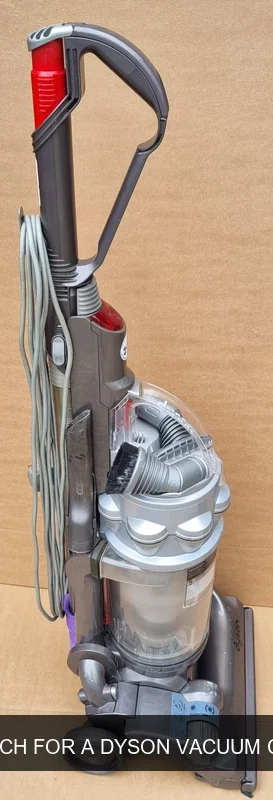
Not all cyclones are built the same. Early models used one big cone. These single-cyclone systems work well but can lose fine dust. Some tiny particles escape because they are too light to be flung out.
To fix this, engineers invented multi-cyclone systems. These use many small cones working together. Each small cone spins air even faster. Faster spin means even finer dust gets captured. As a result, fewer particles reach the main filter.
This design keeps suction strong for longer periods. It also means you clean your filters less often. However, multi-cyclone units can be heavier and pricier. Still, most premium vacuums now use this setup.
- Single Cyclone: One large cone handles all the air and dirt.
- Multi-Cyclone: Many small cones spin air faster for finer capture.
- Fine Dust Capture: Smaller cones grab particles that big cones miss.
- Filter Lifespan: Better separation means filters stay cleaner longer.
- Weight Trade-Off: Extra cones add weight but boost cleaning power.
So which is better for you? It depends on your needs. For light cleaning, a single cyclone is fine. For allergy sufferers, multi-cyclone is the smarter pick.
Step-By-Step: The Journey of Air Inside Your Vacuum
Let’s follow a single puff of air from your floor to the exhaust. This journey has clear stages. Each stage plays a vital role in keeping your home clean.
First, the motor creates suction. This pulls air and dirt through the floor head. Next, the mixture races up the wand and into the cyclone chamber. From there, the spinning begins.
Finally, clean air passes through filters and exits the machine. The dirt stays trapped in the bin. It is a full loop that repeats thousands of times per minute.
- Intake Stage: Suction pulls dirt and air through the floor nozzle.
- Transport Stage: The mixture travels up the hose or wand at high speed.
- Spin Stage: Air enters the cone and starts its fast spiral motion.
- Separation Stage: Heavy debris hits the wall and drops into the bin.
- Filtration Stage: Remaining fine dust is caught by pre and post filters.
- Exhaust Stage: Clean air leaves the motor and returns to your room.
Each stage depends on the one before it. If any stage fails, suction drops. That is why maintenance at every step matters so much.
Why Filter Maintenance Keeps Suction Strong
Even the best cyclone cannot catch everything. Microscopic dust always slips through. That is where filters come in. They act as the final gatekeeper before air exits the motor.
Over time, filters clog with this fine dust. A clogged filter chokes airflow. When airflow drops, suction drops too. Your vacuum then works harder and heats up. Therefore, regular filter care is not optional.
Most makers suggest washing filters every one to three months. Always let them dry fully for at least 24 hours. A damp filter can grow mold and damage the motor. Check your manual for the exact schedule.
- Pre-Motor Filter: Catches medium dust before it reaches the motor.
- Post-Motor Filter: Traps fine particles and helps clean exhaust air.
- HEPA Filter: Captures tiny allergens for cleaner indoor air.
- Wash Cycle: Rinse with cool water only, never soap or hot water.
- Dry Time: Air-dry for a full 24 hours before reinstalling.
- Replacement: Swap worn filters every 6 to 12 months.
A clean filter is the cheapest way to protect your vacuum. It takes minutes but saves big repair costs. Make it a habit and your machine will thank you.
Common Problems and How to Fix Them Fast
Even great vacuums run into trouble. The good news is most issues are easy to solve. Knowing the cause saves you a costly repair trip.
Loss of suction is the most common complaint. It usually means a clog or a full bin. Weak airflow often points to a dirty filter. Strange noises may mean something is stuck in the brush roll.
Always start with the simplest fix first. Check the bin, then the filters, then the hoses. Most problems vanish after a quick clean. If not, then inspect deeper parts.
- Weak Suction: Empty the bin and wash or replace the filters.
- No Suction: Look for a blockage in the hose, wand, or floor head.
- Dust Blowing Out: A filter is likely missing, torn, or loose.
- Loud Noise: Check the brush roll for tangled hair or string.
- Overheating: Clear all clogs and let the motor cool down.
- Bad Smell: Wash the filter and wipe the bin with a damp cloth.
If these steps do not help, the cyclone itself may be cracked. A cracked cone lets dust bypass separation. In that case, contact the maker for parts. Most brands sell replacement cones cheaply.
Best Practices for Peak Cyclonic Performance
You now know the science. Let’s turn that into simple daily habits. Good habits keep your cyclone spinning at full power. They also extend the life of your whole machine.
First, never overfill the dust bin. Dirt needs room to swirl and drop. A packed bin blocks the vortex and pushes dust into filters. Second, keep filters clean and dry. Third, check for clogs after big messes.
Also, store your vacuum in a dry place. Moisture can harm the motor and filters. Finally, replace worn parts on time. Small fixes today prevent big breakdowns tomorrow.
- Do Empty Often: Clear the bin before it reaches the max line.
- Do Wash Filters: Rinse and dry them on a set monthly schedule.
- Do Check Clogs: Inspect the hose and wand after heavy debris.
- Don’t Overfill: A full bin kills cyclone spin and suction.
- Don’t Use Wet Filters: Damp filters grow mold and harm motors.
- Don’t Skip Seals: Replace worn gaskets to keep air pressure tight.
These habits take only minutes each week. Yet they make a huge difference. Your vacuum will run quieter, cleaner, and stronger for years.
How Cyclonic Filtration Compares to Other Systems
Cyclonic vacuums are not the only option out there. Bagged and water-based models each have fans. Knowing the differences helps you pick the right tool. For broader testing and full category recommendations, explore our in-depth guide to How to Fix a Vacuum with Weak Suction Fast Easily.
Never operate your vacuum without its filters installed. Doing so lets fine dust reach the motor, which can cause permanent damage and void your warranty.
- Bagged vacuums trap: dirt in a sealed bag.
- They are great: for allergies because dirt stays contained.
- However, bags cost: money and clog over time.
- Cyclonic models skip: the bag but need filter care.
Water-based vacuums use a water bath to trap dirt. They capture dust well but are heavy and messy. Cyclonic systems sit in the middle. They offer strong suction with less waste and lighter weight.
Summary Table: Vacuum Filtration Systems Compared
| System Type | Dust Capture | Ongoing Cost | Maintenance | Best For |
|---|---|---|---|---|
| Single Cyclone | Good | Low | Empty bin, wash filters | Light daily cleaning |
| Multi-Cyclone | Excellent | Low | Empty bin, wash filters | Allergies, pet hair |
| Bagged | Excellent | High | Replace bags | Allergy sufferers |
| Water-Based | Excellent | Medium | Empty and dry tank | Dust-sensitive homes |
| HEPA Bagged | Superior | High | Replace bags, filters | Severe allergies |
As the table shows, multi-cyclone systems offer a strong balance. They capture fine dust without constant bag costs. For most homes in 2026, that makes them a top choice.
Frequently Asked Questions
How Often Should I Empty a Cyclonic Vacuum Bin?
Empty the bin when it reaches about two-thirds full. Letting it fill completely blocks the cyclone’s spin. This forces dust into your filters and weakens suction fast.
Does How Does Cyclonic Vacuum Filtration Actually Work Without Any Filters?
No, it does not work safely without filters. The cyclone catches most debris, but fine dust always escapes. Filters trap that dust before it reaches the motor and your air.
Can I Wash My Vacuum Filters in the Dishwasher?
Never put filters in a dishwasher. Hot water and harsh soap destroy the filter material. Always rinse by hand with cool water and let them air-dry fully.
Why Does My Cyclone Vacuum Lose Suction so Quickly?
Most suction loss comes from a full bin or a clogged filter. Check both first. Also look for blockages in the hose, wand, or floor head.
How Long Do Cyclonic Vacuum Filters Last?
Washable filters last about 6 to 12 months with regular care. Replace them sooner if they look torn, stiff, or stay dirty after washing.
Is a Multi-Cyclone Vacuum Better for Pet Hair?
Yes, multi-cyclone models handle pet hair very well. The faster spin captures fine hair and dander. This keeps filters cleaner and suction stronger.
Conclusion: Final Summary and Next Steps
You now understand How Does Cyclonic Vacuum Filtration Actually Work from start to finish. Spinning air flings dirt outward while clean air escapes up the center. It is simple physics doing powerful work every time you clean.
The key to great performance is easy care. Empty the bin often, wash your filters, and check for clogs. These small habits protect your motor and keep suction strong. They also save you money on repairs and replacements.
So next time you vacuum, picture that tiny tornado inside the cone. You will appreciate the clever design even more. Now go check your bin and filters. A quick tune-up today means a cleaner home tomorrow.