
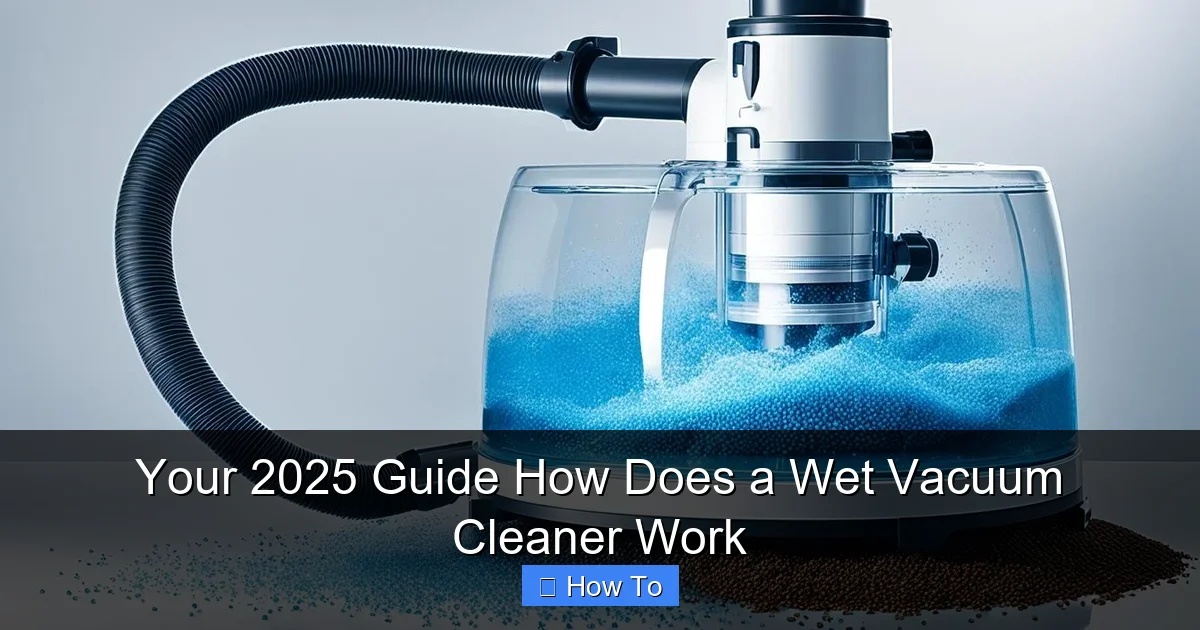
Ever wondered how a wet vacuum cleaner works its magic? These versatile machines are marvels of modern cleaning, designed to tackle liquid spills, extract embedded dirt, and even shampoo carpets. They operate by first applying a cleaning solution or water, then agitating the dirty area, and finally employing powerful suction to lift away the liquid and debris into a separate collection tank. Understanding their mechanism ensures you maximize their efficiency for a spotless clean, making difficult messes disappear with ease.
Your 2025 Guide How Does a Wet Vacuum Cleaner Work
Welcome to your ultimate guide on understanding the fascinating technology behind one of the most versatile cleaning tools you can own: the wet vacuum cleaner. In this 2025 comprehensive overview, we’ll peel back the layers to reveal exactly how these powerful machines transform messy spills and stubborn grime into sparkling clean surfaces. Whether you’re dealing with a flooded basement, a pet accident on the carpet, or just want to understand the mechanics of your new cleaning ally, you’ve come to the right place.
This guide is designed to be simple, straightforward, and incredibly insightful. You’ll learn about the core components, the step-by-step process of wet vacuuming, and practical tips to get the most out of your machine. By the time you finish, you’ll not only understand the science of how a wet vacuum cleaner works but also feel confident using it for any challenge. Let’s dive in!
Key Takeaways
- Multi-functional Cleaning: A wet vacuum cleaner excels at tackling both liquid spills and dry debris, making it a versatile tool for various household and workshop messes.
- Two-Tank System for Wet Cleaning: Most wet vacuums designed for carpet cleaning utilize separate tanks – one for clean water/solution and another for collecting dirty recovery water.
- Powerful Suction Mechanism: The core of how a wet vacuum cleaner works is a robust motor that spins a fan, creating a low-pressure area (vacuum) to powerfully suck up liquids and debris.
- Specialized Filtration: Unlike dry vacuums, wet vacuum cleaners use specific foam filters or no paper filters at all for wet operations to prevent damage to the motor and ensure efficient liquid collection.
- Spray, Scrub, and Suction Process: For deep cleaning, the wet vac sprays solution, often includes agitation from brushes, and then suctions up the dirty liquid, effectively lifting stains and grime.
- Built-in Safety Features: Many wet vacuums include a float mechanism that automatically shuts off suction when the dirty water tank is full, preventing overflow and motor damage.
- Maintenance is Key: Regular emptying, rinsing, and drying of components are crucial for maintaining hygiene, preventing odors, and ensuring the longevity and optimal performance of your wet vacuum cleaner.
Quick Answers to Common Questions
Can I use a wet vacuum cleaner for dry debris?
Absolutely! Most wet vacuum cleaners are designed for both wet and dry messes. Just remember to switch to the appropriate filter (usually a paper cartridge filter) for dry vacuuming and ensure the collection tank is completely dry before picking up dust or fine debris.
How often should I empty the dirty water tank?
It’s best to empty the dirty water tank as soon as it’s full or after each use. Waiting too long can cause the machine to lose suction due to the float mechanism, and old, stagnant water can develop unpleasant odors and bacteria.
What’s the difference between a shop vac and a wet vacuum cleaner?
Often, “shop vac” is a brand name that became synonymous with robust wet/dry vacuum cleaners. Generally, they are the same type of machine – a versatile vacuum designed to handle both liquids and dry debris, typically for heavy-duty tasks in workshops or garages.
Can I use any cleaning solution in my wet vacuum cleaner?
No. You must use low-foaming cleaning solutions specifically designed for wet vacuums or carpet cleaners. Regular household detergents create excessive suds that can clog the machine, damage the motor, and lead to poor cleaning results.
Why is my wet vacuum cleaner losing suction?
Loss of suction usually points to a few culprits: a full dirty water tank (activating the auto shut-off float), a clogged hose or nozzle, an improperly seated lid on the collection tank, or a dirty/incorrectly installed filter.
What is a Wet Vacuum Cleaner?
Before we dissect the mechanics, let’s define our star player. A wet vacuum cleaner, often simply called a “wet vac” or sometimes a “shop vac,” is a specialized type of vacuum designed to handle liquids as well as dry debris. Unlike traditional dry vacuums that can be severely damaged by water, wet vacs are built with water-resistant components and specific collection systems to safely and effectively suck up spills, clean wet surfaces, and even shampoo carpets. They are indispensable tools for workshops, garages, homes with pets or children, and anyone who’s ever faced an unexpected leak or flood. Understanding how a wet vacuum cleaner works begins with appreciating its unique ability to tackle wet messes.
The Science Behind the Suction
Visual guide about Your 2025 Guide How Does a Wet Vacuum Cleaner Work
Image source: 1.bp.blogspot.com
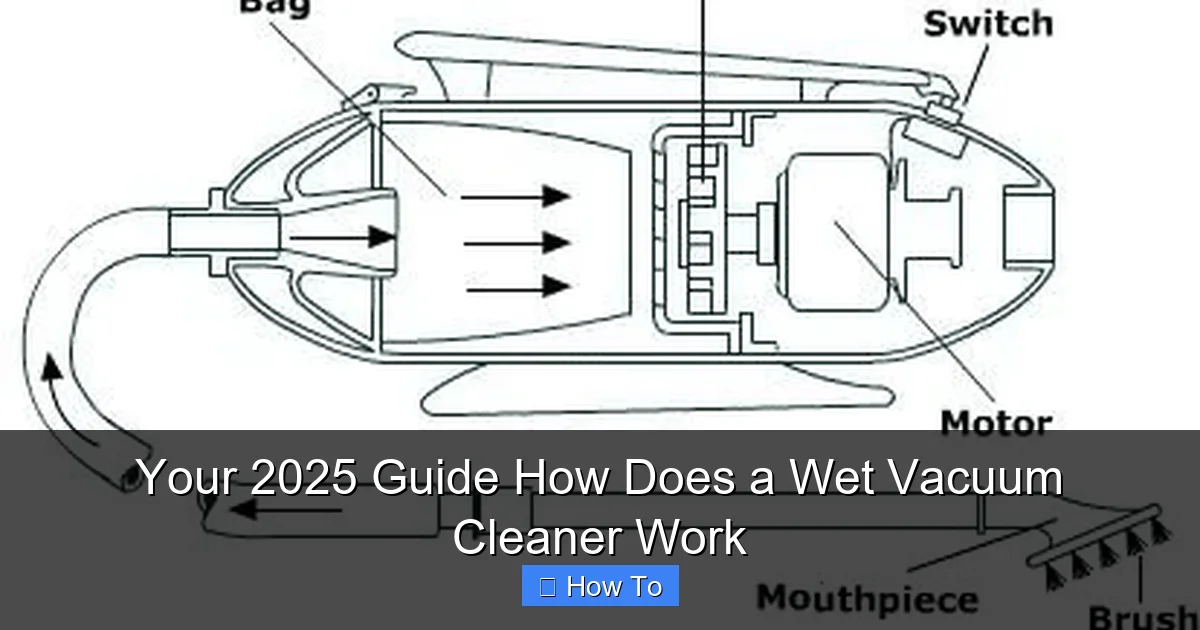
At its heart, a wet vacuum cleaner operates on the same basic principle as a dry vacuum: it creates a powerful vacuum effect. But how does a wet vacuum cleaner work to achieve this? The magic starts with a robust electric motor and an impeller fan. When you turn on the vacuum, the motor spins the impeller fan at incredibly high speeds. This rapid rotation pushes air out through an exhaust port, creating a partial vacuum (a low-pressure area) inside the vacuum’s body and hose.
Nature abhors a vacuum, as they say! The higher atmospheric pressure outside the vacuum then rushes in to fill this low-pressure void, pulling air – and anything caught in its path, be it dirt, debris, or liquids – into the hose and towards the collection tank. The motor’s power dictates the strength of this suction. For wet vacuuming, this suction must be strong enough to lift not just air and lightweight debris but also dense liquids, often against gravity. This fundamental principle is crucial to grasping how a wet vacuum cleaner works so effectively.
Key Components of a Wet Vacuum Cleaner
To fully appreciate how a wet vacuum cleaner works, it’s essential to know its main parts and their roles. Each component plays a vital part in the cleaning process.
Motor and Fan (Impeller)
This is the powerhouse. The electric motor drives the fan, which is responsible for creating the suction. In a wet vac, the motor is typically sealed to protect it from moisture, ensuring longevity and safety when dealing with liquids.
Collection Tank (Wet/Dry Tank)
This is where all the sucked-up material ends up. For wet vacuuming, this tank holds the dirty water and debris. It’s usually made of durable plastic and is designed to be easily emptied and cleaned.
Solution Tank (on carpet cleaners/extractor models)
Many wet vacs, especially those designed for carpet cleaning or extraction, come with a separate tank to hold clean water and cleaning solution. This tank feeds the solution to the spray nozzle.
Hoses and Wands
The hose connects the nozzle to the vacuum body, providing the pathway for air, liquids, and debris. Wands are extension pieces that allow you to reach floors and other areas comfortably without bending over.
Filters
This is where wet vacuums significantly differ from dry ones. For wet use, special foam filters are common, or sometimes no filter is used at all (relying on a large mesh screen to protect the motor). Paper filters, common in dry vacs, would get saturated and become useless (and potentially damage the motor) if used for liquids. Correct filtration is key to understanding how a wet vacuum cleaner works safely.
Nozzles and Attachments
These are the tools that interface with the surface you’re cleaning. They come in various shapes and sizes for different tasks: wide floor nozzles for large spills, crevice tools for tight spaces, and specialized upholstery or carpet cleaning nozzles that often integrate a spray function and scrubbing brushes.
Step-by-Step: How a Wet Vacuum Cleaner Works (The Process)
Let’s walk through the typical operational cycle of a wet vacuum cleaner, especially when it’s used for deep cleaning or tackling a significant liquid mess.
1. Preparing for Action: Powering Up and Setup
Before any cleaning happens, proper setup is crucial.
a. Filling the Solution Tank (if applicable)
If your wet vac is also a carpet cleaner or extractor, your first step will be to fill the dedicated solution tank. You’ll add clean water and the recommended amount of specialized low-foaming cleaning solution, specifically designed for wet vacs. Never use highly sudsing detergents, as they can cause excessive foam and damage your machine.
b. Ensuring Correct Filtration
For wet operation, make sure the correct filter is installed. This usually means a foam filter sleeve over the motor cage, or removing a paper cartridge filter if one is typically used for dry vacuuming. Confirming this is a critical step in understanding how a wet vacuum cleaner works effectively for liquids.
2. Spraying and Agitating: Applying the Cleaning Solution
This step applies to wet vacuums with a spray function, like carpet cleaners.
a. Dispensing the Liquid
With the machine powered on, you’ll typically press a trigger on the wand or nozzle. This activates a small pump that draws the cleaning solution from the solution tank and sprays it onto the surface you’re cleaning (e.g., carpet, upholstery). The goal is to lightly saturate the soiled area without over-wetting it.
b. Working the Area
As the solution is sprayed, the nozzle might also have brushes or textured surfaces. You’ll move the nozzle over the stained area, allowing the solution to penetrate and break down dirt, while the brushes gently agitate the fibers to loosen embedded grime. This combined action prepares the mess for extraction.
3. The Suction Cycle: Lifting Liquid and Debris
This is where the “vacuum” part of the wet vacuum cleaner truly shines.
a. Creating the Vacuum Effect
Once the solution has had a moment to work, you release the spray trigger (if applicable) and move the nozzle back over the now-wet area. The motor, already running, generates that powerful suction we discussed earlier. The air rushing into the nozzle pulls the soiled cleaning solution, along with any suspended dirt, pet hair, or other debris, off the surface.
b. Capturing the Dirty Water
The mixture of dirty water and debris travels up the hose, propelled by the vacuum’s airflow. It’s directed into the machine’s primary collection tank, separate from the clean solution tank. This powerful extraction is the core of how a wet vacuum cleaner works to restore surfaces.
4. Collection and Containment: Where the Mess Goes
The dirty water and debris have to go somewhere safe.
a. The Wet Recovery Tank
As the dirty liquid enters the collection tank, heavier particles may settle, while the liquid accumulates. The design of this tank prevents the collected fluid from re-entering the motor or exhaust system. Some wet vacs include internal baffles to reduce splashing and frothing.
b. Automatic Shut-off Mechanism
A clever safety feature in most wet vacs is a float mechanism. As the dirty water tank fills up, a float rises with the water level. When it reaches a predetermined point (indicating the tank is full), the float blocks the air intake, causing the suction to stop or the motor to change pitch. This is a crucial design element that protects the motor from water damage and prevents messy overflows, demonstrating another intelligent aspect of how a wet vacuum cleaner works safely.
5. Disposal and Cleaning: Post-Job Procedures
Once the job is done, proper cleanup ensures your wet vac stays ready for the next task.
a. Emptying the Dirty Water
You’ll detach the collection tank and typically pour the dirty water down a drain. It’s often surprising to see just how much grime and discoloration has been lifted from what looked like a relatively clean surface!
b. Rinsing and Drying Components
After emptying, rinse the collection tank thoroughly with clean water. It’s also a good idea to rinse the hose and nozzles by sucking up a small amount of clean water. Finally, allow all components – especially the tank and filters – to air dry completely before reassembling and storing the machine. This prevents mold, mildew, and odors.
Differences: Wet Vac vs. Dry Vac vs. Carpet Cleaner
While the term “wet vacuum cleaner” is broad, it’s worth noting the distinctions. A dedicated wet/dry vac (or shop vac) is primarily built for general cleanups, spills, and debris, with robust construction and a simple collection tank. They might not have a spray function.
A carpet cleaner (or carpet extractor) is a specialized type of wet vacuum that *always* includes a clean solution tank, a spray pump, and often integrated brushes, explicitly designed for deep cleaning carpets and upholstery. So, while all carpet cleaners are wet vacuums, not all wet vacuums are carpet cleaners. A dry vac, conversely, strictly handles dry debris and would be damaged by liquids. Understanding these differences helps in selecting the right tool and further clarifies how a wet vacuum cleaner works compared to its relatives.
Practical Tips for Optimal Performance
To get the most out of your wet vacuum cleaner, keep these practical tips in mind:
* Pre-Treat Tough Stains: For very stubborn stains, apply a suitable pre-treatment solution a few minutes before vacuuming to help break down the grime.
* Use the Right Solution: Always use cleaning solutions specifically designed for wet vacuums or carpet cleaners. High-foaming detergents can create excessive suds that will overflow your recovery tank and potentially damage your motor.
* Don’t Over-Saturate: While cleaning, avoid drenching the surface. A light, even application of solution followed by powerful extraction is more effective and promotes faster drying.
* Empty Regularly: Don’t wait until the dirty water tank is completely full. Emptying it frequently prevents the machine from losing suction and prevents overflows if the float mechanism isn’t perfectly clean.
* Clean Filters and Tanks: After every wet use, clean and thoroughly dry all tanks, hoses, and especially the wet-use filter. This prevents mold, mildew, and unpleasant odors, and ensures your vacuum is ready for its next task.
Troubleshooting Common Issues
Even with a clear understanding of how a wet vacuum cleaner works, you might encounter minor hiccups. Here are quick solutions:
* No Suction: Check if the dirty water tank is full (float shut-off activated). Ensure all hose connections are tight and there are no blockages in the hose or nozzle.
* Leaking: Verify that the collection tank lid is securely fastened and that any drain caps are properly sealed. Check for cracks in the hose or tank.
* Poor Cleaning Results: You might be using too much water, the wrong solution, or not letting the solution dwell long enough. Ensure the nozzle has good contact with the surface for effective extraction.
* Motor Overheating: This often indicates a blocked airway, a clogged filter, or continuous prolonged use. Turn off the machine, clear any blockages, clean the filter, and let it cool down before resuming.
Conclusion
You now possess a comprehensive understanding of how a wet vacuum cleaner works, from its powerful motor and intelligent suction system to its specialized filtration and multi-stage cleaning process. This guide for 2025 has equipped you with the knowledge to not only operate your wet vac efficiently but also to troubleshoot common issues and maintain it for years of reliable service.
Wet vacuum cleaners are truly indispensable tools, turning daunting spills and deep-seated dirt into manageable tasks. With this knowledge, you can confidently tackle any liquid mess, knowing exactly how your machine is performing its cleaning magic. Happy cleaning!
🎥 Related Video: Heavy Wet and Dry Vacuum Cleaner to keep your home spotless #vacuumcleaner #vacuum #amazon 4
📺 Best Products
The best Wet and Dry Vacuum Cleaner to keep your home spotless #vacuumcleaner #vacuum #shorts #amazon Looking for the …