
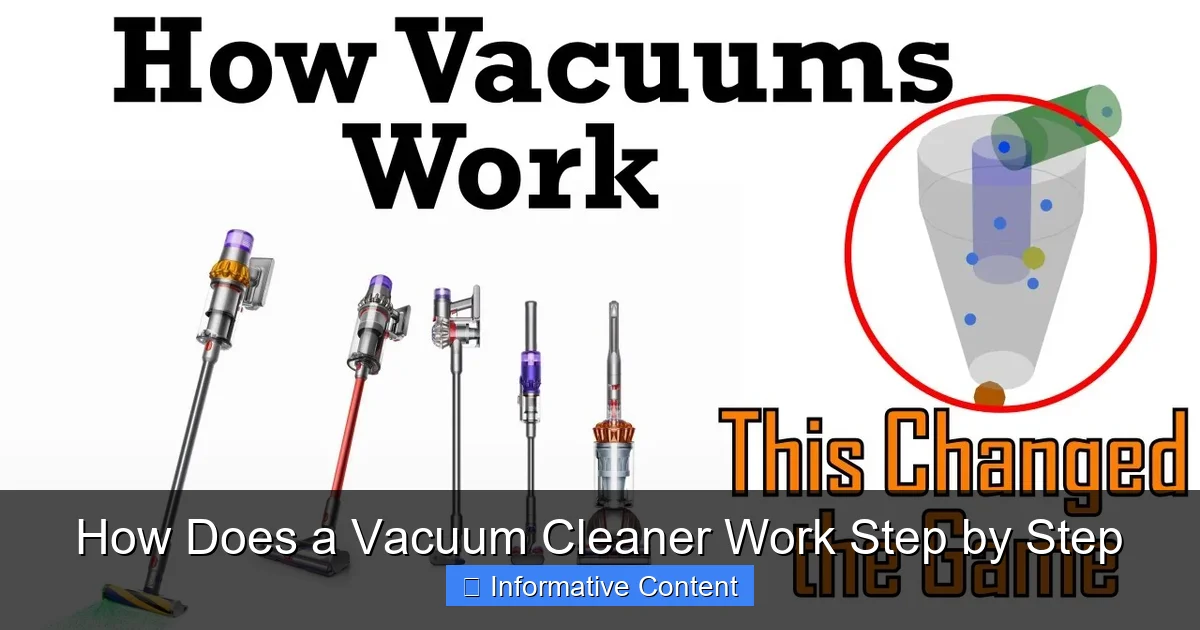
A vacuum cleaner operates by creating a powerful suction force, much like a mini tornado, to lift dirt and debris from surfaces. This process begins with an electric motor spinning a fan at high speed, which pushes air out the exhaust and, in turn, creates a partial vacuum inside the machine. Atmospheric pressure then pushes air, along with dust and particles, into the cleaner’s nozzle, through its various filters, and finally into a collection bin or bag, leaving your home cleaner.
Ah, the trusty vacuum cleaner! It’s one of those household heroes we often take for granted. With a satisfying hum and powerful suction, it banishes dirt and dust from our floors, leaving our homes feeling fresh and clean. But have you ever paused to truly wonder, “how does a vacuum cleaner work step by step?” It’s more than just a noisy box on wheels; it’s a marvel of simple yet effective engineering!
Understanding the inner workings of this everyday appliance isn’t just for curious minds. Knowing how a vacuum cleaner works can help you troubleshoot problems, choose the right model for your needs, and even improve its performance and longevity. So, let’s pull back the curtain and explore the fascinating journey of dust and debris from your floor into the cleaner’s belly, step by careful step.
Key Takeaways
- Suction Principle: Vacuum cleaners create a pressure differential; a fan driven by an electric motor expels air, lowering internal pressure and causing higher atmospheric pressure to push air (and dirt) into the nozzle.
- Motor and Fan are Key: The motor spins a fan rapidly, acting like an air pump. It expels air from one side, creating the low-pressure zone essential for suction.
- Agitation Aids Cleaning: Many vacuum cleaners use rotating brush rolls (beater bars) to physically agitate carpets and dislodge embedded dirt, making it easier for the suction to pick up.
- Multi-Stage Filtration: Dirt-laden air passes through various filters (pre-motor, post-motor, HEPA) to trap dust, allergens, and fine particles, ensuring clean air is expelled back into the room.
- Collection Systems: Dirt and debris are collected in either disposable bags or reusable bagless canisters, both designed to contain the accumulated grime until disposal.
- Airflow Path is Crucial: An unobstructed path from the nozzle through the filters to the collection bin is vital for efficient cleaning; clogs drastically reduce performance.
- Attachments Enhance Versatility: Different nozzles and tools are designed to optimize suction and cleaning for specific surfaces, corners, upholstery, and hard-to-reach areas.
Quick Answers to Common Questions
What is the primary principle behind how a vacuum cleaner works?
The primary principle is creating a pressure differential. An internal fan expels air, creating a low-pressure zone inside the vacuum, which causes higher external atmospheric pressure to push air and dirt into the machine.
How do bagless vacuum cleaners separate dirt from air?
Bagless vacuum cleaners typically use cyclonic technology. Air and dirt are spun at high speeds within the dust canister, causing heavier dirt particles to be flung against the walls and fall to the bottom, while cleaner air continues to the filters.
What is the purpose of a HEPA filter in a vacuum cleaner?
A HEPA (High-Efficiency Particulate Air) filter is designed to capture 99.97% of airborne particles 0.3 microns or larger, including allergens like pollen, pet dander, and dust mites, ensuring cleaner air is exhausted back into the room.
Why is a rotating brush roll important for cleaning carpets?
A rotating brush roll (beater bar) agitates carpet fibers, physically dislodging embedded dirt, dust, and pet hair, making it much easier for the vacuum’s suction to pick up and collect the debris.
Does a full dust bag or canister affect vacuum performance?
Yes, absolutely! A full dust bag or canister significantly restricts airflow within the vacuum, reducing suction power and making the motor work harder, which can lead to decreased cleaning efficiency and potential overheating.
📑 Table of Contents
The Genesis of Suction: Motor and Fan
At the very heart of how a vacuum cleaner works lies the magic of suction. This isn’t some mystical force; it’s pure physics in action. The process begins with two crucial components working in tandem: an electric motor and a fan.
The Electric Motor: The Powerhouse
Think of the electric motor as the muscle of your vacuum cleaner. When you plug in the machine and flip the “on” switch, electricity flows to the motor. This motor then converts that electrical energy into mechanical energy, causing a shaft to spin at incredibly high speeds. This spinning motion is what drives the fan.
The Fan: Creating the Pressure Differential
Attached directly to the motor’s spinning shaft is a fan, often made of plastic or metal, with angled blades. As the motor spins the fan, these blades rapidly push air outwards, similar to how an airplane propeller pushes air backward to move the plane forward. This expelled air exits the vacuum cleaner through an exhaust port. Now, here’s the clever part: when air is rapidly pushed out, it creates a lower air pressure zone inside the vacuum cleaner’s housing, specifically in front of the fan.
Outside the vacuum cleaner, the air pressure (atmospheric pressure) remains normal. This difference in pressure is key to understanding how a vacuum cleaner works. Nature abhors a vacuum, meaning air always wants to move from an area of higher pressure to an area of lower pressure. So, the higher atmospheric pressure outside the vacuum literally pushes air – and any loose dirt or debris along with it – into the cleaner’s nozzle and through its system to equalize the pressure. This continuous flow of air is what we perceive as “suction.” The faster the fan spins and the more air it expels, the stronger the suction force becomes. It’s an elegant dance of physics that powers every clean sweep.
The Agitation Action: Loosening the Grime
While suction is the primary force, many modern vacuum cleaners don’t rely on suction alone, especially when tackling embedded dirt in carpets. This is where mechanical agitation comes into play, a critical step in how a vacuum cleaner works effectively on textured surfaces.
Visual guide about How Does a Vacuum Cleaner Work Step by Step
Image source: genuinehomecleaner.com
Rotating Brush Rolls (Beater Bars)
Most upright and many canister vacuum cleaners designed for carpets feature a rotating brush roll, sometimes called a “beater bar.” This cylindrical brush, located in the vacuum’s cleaning head or power nozzle, is also powered by the electric motor (either directly or via a belt). As the brush roll spins, stiff bristles attached to it rapidly rotate and beat against the carpet fibers. This vigorous action works wonders in several ways:
- Loosening Embedded Dirt: The beating motion physically dislodges dirt, dust, pet hair, and other debris that might be trapped deep within the carpet pile. Think of it like a gentle but firm patting motion that shakes loose stubborn particles.
- Sweeping and Collecting: The bristles also act like tiny brooms, sweeping the loosened dirt and debris up from the carpet surface directly into the path of the vacuum’s suction. This significantly enhances the pick-up rate, especially for hair and lint.
- Opening Up Fibers: For carpets that have become matted down, the brush roll helps to fluff up the fibers, making them stand erect again. This not only makes them appear cleaner but also allows the vacuum to reach dirt that might have been buried deeper.
It’s important to note that while fantastic for carpets, these brush rolls can sometimes be too aggressive for delicate rugs or hard floors. Many models offer a setting to turn off the brush roll, allowing for gentler cleaning when needed. This agitation step is truly what separates a simple dust collector from a powerful cleaning machine, making the process of how a vacuum cleaner works much more efficient for thorough cleaning.
The Journey of Debris: From Nozzle to Canister
Once the dirt is agitated and the suction is generated, the next crucial step in how a vacuum cleaner works is guiding that debris through the machine. This involves a carefully designed airflow path that ensures all the collected grime makes its way to its final destination.
The Nozzle: The Entry Point
The journey begins at the nozzle, the opening of the vacuum cleaner that makes direct contact with the surface being cleaned. Whether it’s a wide floor head, a narrow crevice tool, or an upholstery attachment, the nozzle is designed to optimize suction and direct airflow. It acts as the gateway for dirt and air to enter the system.
The Hose or Air Duct: The Highway for Debris
From the nozzle, the air and debris are pulled through a series of hoses or internal air ducts. These pathways are designed to be smooth and unobstructed to maintain maximum airflow and prevent clogs. The diameter and shape of these ducts are engineered to keep the collected material moving efficiently towards the collection system. As the dirty air travels, it’s still under the influence of the low-pressure zone created by the fan, continuously pulling it forward.
Pre-Motor Filtration: The First Defense
Before the dirt-laden air reaches the delicate motor, it typically passes through a pre-motor filter. This filter is a crucial component in how a vacuum cleaner works to protect its own parts. Its primary job is to capture larger particles of dirt, dust bunnies, hair, and other debris, preventing them from entering and potentially damaging the motor. Imagine sucking up a pebble – without a pre-motor filter, that pebble could hit the fan blades or motor components, causing significant damage. These filters are often washable or replaceable and are vital for the vacuum’s longevity and consistent performance.
Maintaining a clean pre-motor filter is a practical tip for any vacuum owner. A clogged filter will restrict airflow, reducing suction power and making the motor work harder, which can lead to overheating and premature wear. Regular cleaning or replacement, as recommended by the manufacturer, ensures your vacuum continues to perform at its best, efficiently guiding debris through its system.
The Critical Barrier: Filtration Systems
After the dirt has been separated from the motor, the next critical step in how a vacuum cleaner works is to ensure that only clean air is expelled back into your home. This is achieved through sophisticated filtration systems, which are especially important for those concerned about allergies and air quality.
Beyond Pre-Motor: Multi-Stage Filtration
Modern vacuum cleaners often employ a multi-stage filtration process. While the pre-motor filter handles larger particles, finer particles and allergens require more specialized attention. As the air exits the collection chamber (bag or canister), it typically passes through additional filters:
- Main Filtration (for bagged systems): In a bagged vacuum, the bag itself acts as the primary filter, trapping most of the dirt and dust.
- Cyclone Technology (for bagless systems): Bagless vacuums often use cyclonic separation. Inside the dust bin, air is spun at high speeds, creating centrifugal force. This force pushes heavier dirt and dust particles against the outer wall of the chamber, causing them to fall into the collection bin, while cleaner air continues upwards.
Post-Motor Filtration: The Final Cleanse
Even after passing through the main collection system, tiny particles, pollen, pet dander, and microscopic allergens can still be suspended in the air. This is where post-motor filters come in. These filters are located after the motor, just before the air is exhausted back into the room.
- Standard Post-Motor Filters: These are usually made of foam or fibrous material and capture a significant amount of fine dust.
- HEPA Filters: For superior air purification, many vacuum cleaners incorporate High-Efficiency Particulate Air (HEPA) filters. A true HEPA filter is designed to capture 99.97% of airborne particles 0.3 microns in size or larger. To put that into perspective, most dust mites, pet dander, pollen, and even some bacteria and viruses are larger than 0.3 microns. This means a HEPA filter drastically reduces the amount of pollutants released back into your breathing space, making it a vital feature for allergy and asthma sufferers.
The efficiency of the filtration system is a key differentiator in how various vacuum cleaners work. A well-maintained set of filters ensures that the air being exhausted from your vacuum is cleaner than the air it sucked in, contributing to a healthier indoor environment. Regularly checking, cleaning, or replacing these filters as per the manufacturer’s guidelines is crucial for maintaining both the vacuum’s performance and your home’s air quality.
The Final Destination: Dust Collection (Bagged vs. Bagless)
After the filters have done their job, trapping the unwanted particles, the final step in how a vacuum cleaner works is to store that collected dirt until you’re ready to dispose of it. This is where the two main types of collection systems come into play: bagged and bagless.
Bagged Vacuum Cleaners: The Traditional Approach
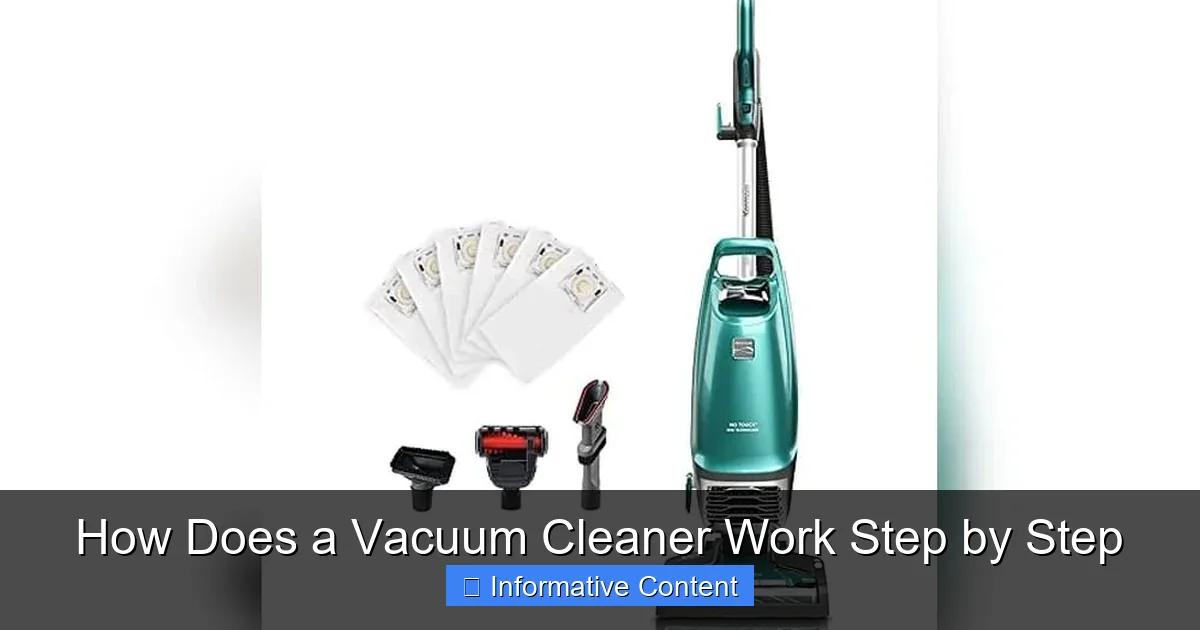
In a bagged vacuum, the pre-filtered air, along with the collected dirt and debris, is directed into a disposable paper or cloth bag. This bag serves a dual purpose:
- Collection: It acts as a reservoir to hold all the dirt, dust, and debris.
- Additional Filtration: The bag itself is made of a porous material that traps even more fine particles, acting as an extra layer of filtration before the air moves on to the post-motor filters.
When the bag is full, you simply remove it and throw it away, taking all the trapped allergens and dust with it. This system is generally considered more hygienic for allergy sufferers, as there’s minimal exposure to dust during disposal. However, it requires a continuous purchase of replacement bags, which can add to the long-term cost and environmental footprint.
Bagless Vacuum Cleaners: Modern Convenience
Bagless vacuum cleaners have gained immense popularity for their convenience and cost-effectiveness. Instead of a disposable bag, they feature a reusable dust canister, often made of clear plastic. As mentioned earlier, many bagless models utilize cyclonic technology to separate dirt from the air. Here’s how it typically works:
- Cyclonic Separation: The dirty air enters the dust canister and is spun rapidly, creating a miniature vortex. Heavier dirt and debris are flung outwards by centrifugal force, hitting the walls of the canister and falling to the bottom, while lighter, cleaner air continues through the center to the filters.
- Easy Emptying: Once the canister is full, you simply unclip it from the vacuum, hold it over a trash can, and press a button to release the bottom flap, allowing the contents to fall out.
The main advantages of bagless systems are no ongoing cost for bags and the ability to see how much dirt you’ve collected. However, emptying the canister can sometimes release a small puff of dust back into the air, which can be a concern for those with severe allergies. Regular cleaning of the canister and its internal components is also necessary to maintain optimal performance.
Both bagged and bagless systems perform the same essential function of containing the dirt. Your choice often comes down to personal preference regarding hygiene, convenience, and cost. Understanding these mechanisms helps clarify how a vacuum cleaner works differently based on its design, allowing you to make an informed choice.
Beyond the Basics: Attachments, Features, and Maintenance
While the core steps of suction, agitation, filtration, and collection explain how a vacuum cleaner works, modern machines offer a variety of enhancements that boost their versatility and performance. Plus, a little maintenance goes a long way!
Versatile Attachments and Tools
A good vacuum cleaner isn’t just about the main floor head; it’s about the arsenal of attachments it provides. These tools are designed to optimize cleaning for different situations:
- Crevice Tool: A long, narrow nozzle perfect for reaching into tight corners, along baseboards, and between couch cushions.
- Dusting Brush: A soft-bristled brush that gently cleans delicate surfaces like blinds, lampshades, and furniture without scratching.
- Upholstery Tool: Often has a flat, wide head with lint strips or brushes, ideal for cleaning sofas, chairs, and car interiors.
- Pet Hair Tool (Turbo/Power Brush): A smaller version of the main brush roll, often air-driven, specifically designed to pick up stubborn pet hair from upholstery and stairs.
Learning when and how to use these attachments properly can dramatically improve your cleaning efficiency and help you tackle specific messes with ease. It truly extends the answer to “how does a vacuum cleaner work?” beyond just floors.
Smart Features and Technology
Beyond the basics, many vacuums incorporate advanced features:
- Variable Suction Control: Allows you to adjust suction power for different surfaces, preventing delicate rugs from being sucked up or reducing noise.
- Headlight: Illuminates dust and debris on the floor, especially useful in dimly lit areas.
- Bag-Full/Filter-Clog Indicator: Alerts you when it’s time to empty the bag or clean a filter, ensuring optimal performance.
- Cord Rewind: A convenient button that automatically retracts the power cord.
- Swivel Steering: Makes the vacuum more maneuverable around furniture.
- Smart/Robotic Integration: Robotic vacuums use sensors and programming to navigate and clean autonomously.
Essential Maintenance Tips
To keep your vacuum cleaner working like new, regular maintenance is key:
- Empty the Dust Bin/Change Bag Regularly: A full bag or canister reduces suction power significantly.
- Clean/Replace Filters: Clogged filters restrict airflow and put strain on the motor. Follow manufacturer guidelines for cleaning or replacing pre-motor and post-motor filters.
- Check and Clean Brush Roll: Hair and threads can get tangled around the brush roll, impeding its rotation and effectiveness. Use scissors to carefully cut and remove any build-up.
- Inspect Hoses for Clogs: If suction drops suddenly, check the hose for blockages.
- Check Drive Belts: For brush rolls, if the belt breaks or stretches, the brush won’t spin.
By performing these simple maintenance tasks, you can ensure your vacuum cleaner continues to operate efficiently, making your cleaning chores much easier. Understanding how a vacuum cleaner works empowers you to take better care of it and get the most out of your investment.
Conclusion
From the moment you hit the power switch, a fascinating chain of events unfolds, all designed to make your floors sparkle. We’ve broken down “how does a vacuum cleaner work step by step,” from the powerful electric motor and fan creating that essential suction, to the agitating brush rolls loosening stubborn dirt, through the intricate filtration systems, and finally into the convenient collection methods.
It’s a testament to clever engineering that such a seemingly simple device performs such a vital function in our homes. By understanding these individual components and their roles, you not only appreciate your vacuum cleaner more but are also better equipped to maintain it, troubleshoot minor issues, and even select the perfect model for your specific cleaning needs. So next time you hear that familiar hum, you’ll know exactly what’s going on beneath the surface, transforming dirt into dust-free delight!
Frequently Asked Questions
How often should I clean or replace my vacuum’s filters?
The frequency depends on your vacuum model and usage. Generally, washable pre-motor filters should be cleaned monthly, while disposable ones and post-motor filters might need replacement every 6-12 months. Always check your vacuum’s manual for specific recommendations.
Can I use a vacuum cleaner designed for carpets on hard floors?
Many modern vacuums are designed for both. If your vacuum has a rotating brush roll, ensure it can be turned off or has a hard floor setting to prevent scattering debris or scratching delicate surfaces. Dedicated hard floor nozzles are also excellent.
What causes a vacuum cleaner to lose suction power?
Loss of suction is commonly caused by a full dust bag/canister, clogged filters, a blockage in the hose or nozzle, or tangled hair/debris wrapped around the brush roll, which restricts airflow and prevents efficient suction.
Are bagless vacuums better for the environment than bagged ones?
While bagless vacuums eliminate disposable bags, they still use filters that need to be cleaned or replaced, and their manufacturing can have an environmental impact. The “better” choice often depends on overall lifespan, energy efficiency, and proper disposal/recycling habits for both types.
How do robotic vacuum cleaners work differently?
Robotic vacuum cleaners work on the same suction principle but integrate advanced sensors, mapping technology, and programming to navigate and clean autonomously. They detect obstacles, edges, and typically return to a charging base when finished or low on power.
Is it true that vacuums expel dust back into the air?
Older or less efficient vacuums can indeed expel some fine dust and allergens back into the air, especially if they lack good filtration. Modern vacuums with multi-stage filtration, particularly those with HEPA filters, are designed to capture these particles and release much cleaner air.