
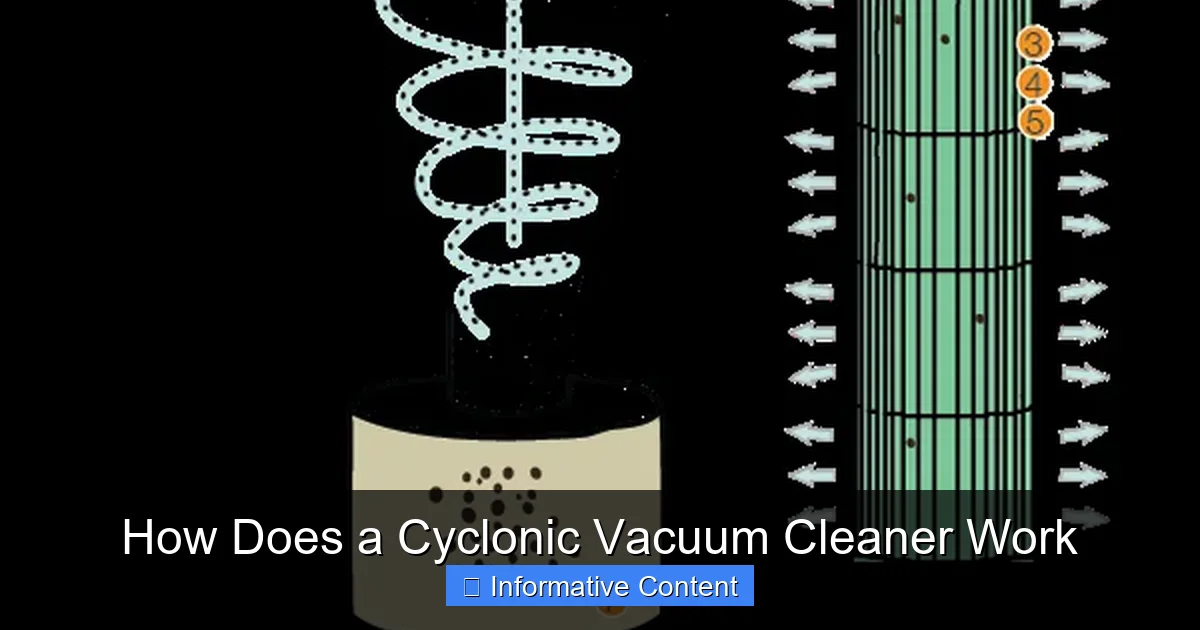
Have you ever seen a cyclonic vacuum cleaner in action and marvelled at its ability to separate dust without a bag? It’s all thanks to a clever application of physics! A cyclonic vacuum cleaner works by using rapidly spinning air, creating a powerful vortex that mimics a tiny tornado inside its dustbin. This centrifugal force efficiently slings dirt and debris out of the airflow and into a collection bin, ensuring consistent suction power without the need for disposable bags.
Have you ever found yourself wrestling with a clogged vacuum bag, only to realize your machine has lost its once-mighty suction power? It’s a frustrating experience many of us know well. For decades, vacuum cleaners relied on bags to trap dirt, but this design often led to diminishing performance as the bag filled up and blocked airflow. Then, a revolution happened in the cleaning world, introducing a new way of thinking about dust and debris: the cyclonic vacuum cleaner.
Imagine a tiny, powerful tornado swirling inside your vacuum, effortlessly separating dirt from the air you breathe. That’s the ingenious principle behind these remarkable machines. They promise consistent suction, bagless convenience, and often, cleaner air for your home. But how does this seemingly magical process actually work? Let’s dive deep into the fascinating science and engineering that explains exactly how a cyclonic vacuum cleaner works.
Key Takeaways
- Bagless Design: Cyclonic vacuums eliminate the need for disposable bags, using a clear dustbin to collect debris. This saves money and is more environmentally friendly.
- Consistent Suction: Unlike traditional bagged vacuums that lose suction as bags fill, cyclonic models maintain strong airflow because dirt is spun out of the airstream before it can significantly obstruct the path.
- Centrifugal Force: The core principle of how a cyclonic vacuum cleaner works involves creating a high-speed vortex (a cyclone) of air. This force pushes heavier dirt particles to the outer walls of the collection chamber, separating them from the air.
- Multi-Stage Separation: Many modern cyclonic vacuums employ multiple cyclones, often with varying sizes, to progressively remove larger debris, then fine dust, and finally microscopic particles, enhancing filtration efficiency.
- Improved Air Quality: By efficiently separating and trapping dust and allergens in a sealed bin, and often incorporating advanced filters, these vacuums can significantly improve indoor air quality.
- Maintenance Matters: To keep a cyclonic vacuum working optimally, regular emptying of the dustbin, cleaning or replacing filters, and checking for blockages are crucial steps.
Quick Answers to Common Questions
What is the main advantage of a cyclonic vacuum?
The main advantage is consistent suction power, as dirt is spun out of the airflow, preventing clogs that reduce suction in traditional bagged vacuums.
Do cyclonic vacuums use bags?
No, cyclonic vacuum cleaners are bagless. They collect dirt and debris in a clear, easy-to-empty dustbin.
What is centrifugal force in a vacuum?
Centrifugal force is the outward force experienced by spinning objects. In a cyclonic vacuum, it pushes heavier dirt particles against the chamber walls, separating them from the air.
Are cyclonic vacuums better for allergies?
Often, yes. Many cyclonic vacuums, especially those with multi-cyclone technology and sealed systems combined with HEPA filters, are excellent at trapping fine dust and allergens, improving indoor air quality.
How often should I empty the dustbin?
It’s best to empty the dustbin after each use or when the debris reaches the “max fill” line to ensure optimal performance.
📑 Table of Contents
The Core Principle: Centrifugal Force at Work
At the heart of every cyclonic vacuum cleaner lies a fundamental scientific principle: centrifugal force. You’ve experienced this force before, even if you didn’t call it by name. Think about when you’re on a merry-go-round and you feel yourself being pushed outwards, or when you spin a bucket of water over your head without spilling a drop. That outward push is centrifugal force. In a cyclonic vacuum, this force is harnessed in a super-efficient way to separate dirt from the air.
Suction vs. Separation: More Than Just a Sucking Machine
Traditional vacuums operate primarily on suction. A powerful motor creates a vacuum, pulling in air, dust, and debris through a nozzle. This mixture then passes into a porous bag, where the solid particles are trapped, and the cleaner air is expelled. The problem is, as the bag fills, its pores get clogged, restricting airflow and reducing suction. It’s like trying to breathe through a thick, dusty cloth – it gets harder and harder.
A cyclonic vacuum cleaner, however, adds a crucial second step to this process: separation. While it still uses suction to lift dirt from your floors, its brilliance lies in what happens *after* the dirt enters the machine. Instead of immediately hitting a bag, the dirty air is directed into a specially designed chamber where it’s forced to spin at incredibly high speeds. This spinning action is where the magic of separation truly begins.
The Cyclone Chamber: Where the Magic Begins
The initial cyclone chamber is often the largest part of the dustbin assembly. When the dirt-laden air enters this chamber, it’s not allowed to flow straight through. Instead, it’s guided along a helical (spiral) path, forcing it to rotate rapidly around the chamber’s cylindrical walls. Imagine a funnel that keeps getting tighter as the air descends.
As the air spins, the heavier dirt particles, dust, pet hair, and debris are subjected to that powerful centrifugal force we talked about. Because they are denser than the air, they are thrown outwards against the walls of the chamber. Gravity then takes over, causing these particles to lose momentum and fall downwards into the collection bin at the bottom, while the lighter, cleaner air continues its journey towards the center of the cyclone. This initial stage removes the bulk of the larger dirt and dust, preventing filters from getting clogged too quickly.
The Journey of Dirt: From Floor to Canister
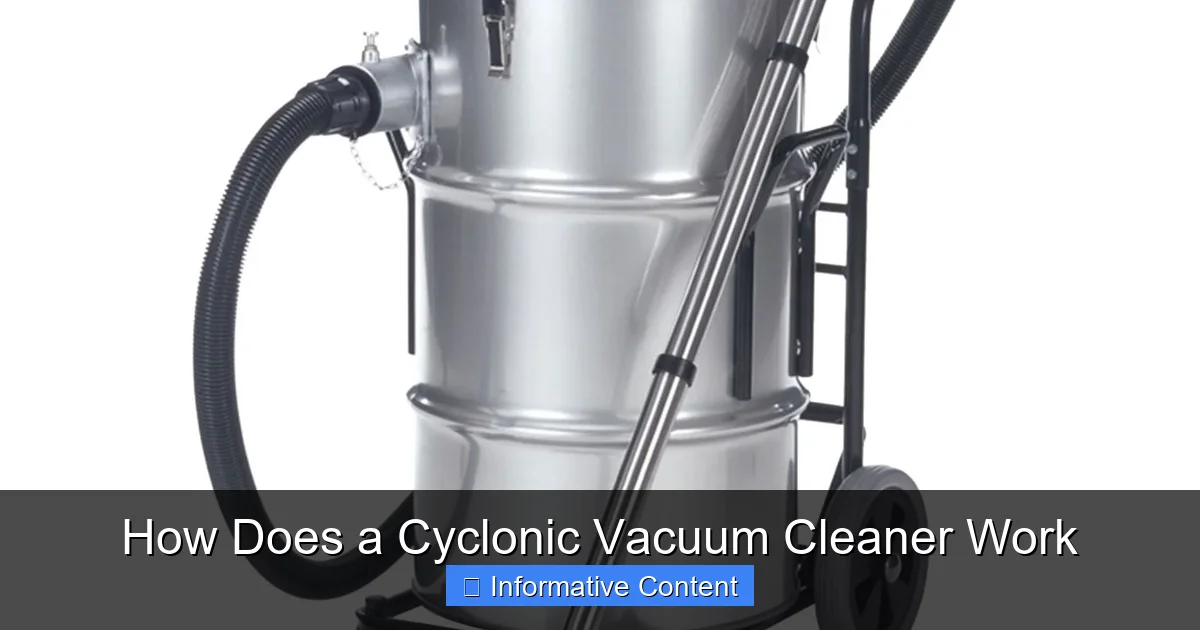
Visual guide about How Does a Cyclonic Vacuum Cleaner Work
Image source: equip4work.co.uk
The path of dirt through a cyclonic vacuum is a well-orchestrated dance, designed to trap everything from large crumbs to microscopic allergens. It’s often a multi-stage process, ensuring thorough cleaning and particle separation.
Stage 1: The Initial Cyclone – Separating the Big Stuff
As we just discussed, the first point of entry for the dirty air is usually a large, primary cyclone. Here, bigger particles like food crumbs, pet fur, and larger dust bunnies are efficiently spun out and deposited into the main collection bin. This crucial first step prevents the finer filtration stages from being overwhelmed by chunky debris, which would quickly reduce efficiency. Think of it as the coarse filter, taking out the major offenders first.
Stage 2: The Inner Cyclone(s) – Fine Particle Filtration
After the larger debris has been separated, the remaining air, still containing finer dust and microscopic particles, is often directed into one or more secondary, smaller cyclones. This is where many modern cyclonic vacuum cleaners truly shine. These smaller cyclones generate even higher centrifugal forces due to their tighter diameters. The air speeds up dramatically within these miniature tornadoes, allowing them to effectively capture even smaller dust particles and allergens that the primary cyclone might have missed.
Some advanced cyclonic systems, like those pioneered by Dyson, use dozens, or even hundreds, of tiny cyclones working in parallel. This multi-cyclone technology significantly increases the surface area for separation, allowing for incredible efficiency in capturing even the most minute particles, down to those measuring just a few microns. This multi-stage approach ensures that very little particulate matter makes it past the cyclonic separation process.
The Role of Filters: The Last Line of Defense
While cyclonic separation is incredibly effective, it’s not always 100% foolproof, especially for the absolute finest particles or gaseous odors. This is where filters come into play as the final line of defense. After the air has gone through all the cyclonic stages, it typically passes through one or more filters before being expelled back into the room.
These filters often include:
- Pre-motor filters: These are usually washable and protect the vacuum’s motor from any remaining fine dust that escaped the cyclones. They are critical for motor longevity.
- Post-motor filters (HEPA filters): High-Efficiency Particulate Air (HEPA) filters are common in higher-end cyclonic vacuums. These filters are designed to capture 99.97% of airborne particles 0.3 micrometers in diameter, including pollen, pet dander, dust mites, and smoke particles. This ensures that the air expelled from the vacuum is cleaner than the air it took in, a significant benefit for allergy and asthma sufferers.
So, when you ask yourself “how does a cyclonic vacuum cleaner work?”, remember it’s not just about the cyclone; it’s a combined effort of powerful spinning air and diligent filtration.
Why Cyclonic? The Advantages Over Traditional Vacuums
The innovative design of cyclonic vacuum cleaners offers several compelling advantages over their bagged predecessors. These benefits are what have made them such a popular choice for homes around the world.
Consistent Suction Power: No More Clogged Bags
This is perhaps the biggest selling point. Because dirt and debris are spun out of the airflow and into a separate collection bin, they don’t impede the vacuum’s ability to pull in more air. The filters are also less prone to getting clogged quickly because the bulk of the particles have already been removed. This means your cyclonic vacuum cleaner will maintain powerful, consistent suction from the moment you turn it on until the dustbin is full, without the gradual decline in performance experienced with bagged models. It’s like having a freshly emptied vacuum bag every time you clean.
Bagless Convenience and Cost Savings
Say goodbye to buying vacuum bags! One of the most obvious benefits is the elimination of disposable bags. This translates directly into cost savings over the lifespan of the vacuum. You simply empty the dustbin when it’s full, click it back into place, and you’re ready to go. This convenience is a huge plus for many users who found bag changes messy and inconvenient. You also get to see how much dirt you’ve collected, which can be surprisingly satisfying (or horrifying!).
Improved Air Quality: Trapping Allergens
For households with allergy sufferers or pets, the air quality benefits of a cyclonic vacuum cleaner can be substantial. By efficiently separating even microscopic particles and often combining this with sealed systems and HEPA filtration, these vacuums release significantly cleaner air back into your home. This means fewer airborne allergens like pollen, pet dander, and dust mite faeces circulating, leading to a healthier living environment. The way a cyclonic vacuum cleaner works directly contributes to this cleaner air output.
Environmental Benefits
Reducing the consumption of disposable vacuum bags is not only good for your wallet but also for the environment. Fewer bags going into landfills means a smaller ecological footprint. Additionally, many cyclonic vacuums are built to last, promoting less frequent replacement of the entire appliance, further contributing to sustainability.
Understanding Different Cyclonic Designs
While the core principle of how a cyclonic vacuum cleaner works remains the same across brands, there are variations in design and technology that can impact performance.
Single Cyclone vs. Multi-Cyclone Technology
Early cyclonic vacuums often featured a single, large cyclone. While effective at separating larger debris, they sometimes struggled with very fine dust. Modern advances, largely spearheaded by innovators like Dyson, introduced multi-cyclone technology.
- Single Cyclone: Uses one large vortex to separate most dirt. Simpler design, but potentially less efficient with very fine particles.
- Multi-Cyclone: Employs numerous smaller cyclones working in parallel or series. These generate higher centrifugal forces, making them much more efficient at capturing fine dust and microscopic allergens. This is the hallmark of premium cyclonic vacuum cleaners.
Radial Root Cyclone Technology (Dyson Example)
Dyson, a pioneer in cyclonic technology, developed what they call “Radial Root Cyclone” technology. This design optimizes the airflow paths to ensure that the air travels through the cyclones with minimal loss of pressure. By making the air inlets and outlets narrower and straight, they reduce turbulence and maintain speed, maximizing the separation of dust and dirt. This focused airflow is key to how their specific cyclonic vacuum cleaner works to maintain strong suction.
Whole-Machine Filtration Systems
Some advanced cyclonic vacuums feature a “whole-machine filtration system.” This means the entire unit is sealed, ensuring that dirty air cannot escape back into your home through any gaps or leaks before it has passed through the cyclones and filters. When combined with HEPA filters, these systems offer the highest level of air purification, making them ideal for allergy sufferers.
Maintaining Your Cyclonic Vacuum for Optimal Performance
Even the most advanced cyclonic vacuum cleaner needs a little love and care to continue working at its best. Regular maintenance ensures you get the most out of its innovative design.
Emptying the Dust Bin: When and How
One of the key advantages of a cyclonic vacuum is the clear dustbin, allowing you to see exactly when it needs emptying. Don’t wait until it’s completely overflowing! A full bin can start to impede airflow, reducing efficiency. Most manufacturers recommend emptying the bin after each use or when it reaches the “max fill” line.
To empty, simply detach the bin (usually with a simple click mechanism), hold it over a trash can, and press the release button to open the bottom flap. It’s often best to do this outdoors to avoid releasing dust back into your home. A gentle tap can help dislodge any stubborn debris.
Cleaning and Replacing Filters: Essential Care
Even with excellent cyclonic separation, filters are still vital and will eventually get dirty. Most cyclonic vacuums have washable pre-motor filters that should be rinsed under cold water periodically (check your manual for specific frequency, often monthly). Ensure they are *completely dry* before putting them back into the vacuum, as moisture can damage the motor.
Post-motor or HEPA filters may not be washable and often need to be replaced every 6-12 months, depending on usage. Check your vacuum’s manual for specific filter cleaning and replacement instructions, as neglecting this can significantly reduce suction power and air filtration effectiveness. This is a critical part of how your cyclonic vacuum cleaner works efficiently over time.
Checking for Blockages: Keeping the Airflow Clear
If you notice a sudden drop in suction, a blockage is a common culprit. Cyclonic vacuums, like any other, can get clogged with larger items, long hair, or tangled strings.
- Check the nozzle and hose: Detach the hose and look for obstructions. A broom handle or a long, blunt object can sometimes dislodge blockages.
- Inspect the brush bar: Long hair and fibers can wrap around the brush bar, preventing it from spinning effectively. Use scissors to cut and remove tangles.
- Examine the cyclonic assembly: Sometimes, debris can get stuck within the cyclone chambers themselves. Consult your manual for safe ways to access and clean these areas.
General Care Tips for Longevity
- Store properly: Keep your vacuum in a dry, safe place where it won’t be knocked over.
- Don’t vacuum liquids: Unless specifically designed for wet pick-up, vacuuming liquids can damage the motor and electrical components.
- Be gentle: Avoid running over sharp objects that could damage the hose or internal components.
- Read the manual: Every cyclonic vacuum cleaner is slightly different. The user manual is your best friend for specific maintenance routines and troubleshooting tips.
In conclusion, understanding how a cyclonic vacuum cleaner works reveals a brilliant blend of physics and engineering designed to make your cleaning routine more efficient, effective, and environmentally friendly. By harnessing the power of centrifugal force, these machines separate dirt from air, maintain consistent suction, and improve indoor air quality, all without the need for bags. With a little regular maintenance, your cyclonic vacuum will continue to be a powerful ally in keeping your home spotless and your air clean for years to come.
Frequently Asked Questions
How do I clean the filters in my cyclonic vacuum?
Most cyclonic vacuums have washable pre-motor filters. You should rinse them under cold water until the water runs clear and allow them to air dry completely for at least 24 hours before reinserting. Post-motor or HEPA filters might need replacement periodically, so always check your specific model’s manual.
What is the difference between single and multi-cyclone technology?
Single cyclone vacuums use one large vortex to separate dirt, which is effective for larger debris. Multi-cyclone technology uses several smaller cyclones, generating higher centrifugal forces to capture even finer dust and microscopic particles more efficiently.
Why has my cyclonic vacuum lost suction?
Loss of suction in a cyclonic vacuum is most commonly due to a full dustbin, clogged or dirty filters, or a blockage in the hose, nozzle, or brush bar. Regular maintenance like emptying the bin, cleaning filters, and checking for obstructions will help prevent this.
Are cyclonic vacuums noisier than traditional ones?
The noise level of a vacuum cleaner depends more on the motor design, insulation, and overall build quality rather than whether it’s cyclonic or bagged. While some cyclonic vacuums can be powerful and thus produce noise, many modern designs are engineered to be relatively quiet.
Can I vacuum wet spills with a cyclonic vacuum cleaner?
Unless your cyclonic vacuum cleaner is specifically designed as a “wet/dry” model, you should never use it to vacuum wet spills. Doing so can seriously damage the motor, electrical components, and internal filters, posing an electrical hazard.
How long do cyclonic vacuum cleaners usually last?
The lifespan of a cyclonic vacuum cleaner varies greatly depending on the brand, model quality, frequency of use, and adherence to maintenance. High-quality models with proper care can last 7-10 years or even longer, while less expensive ones might last 3-5 years.