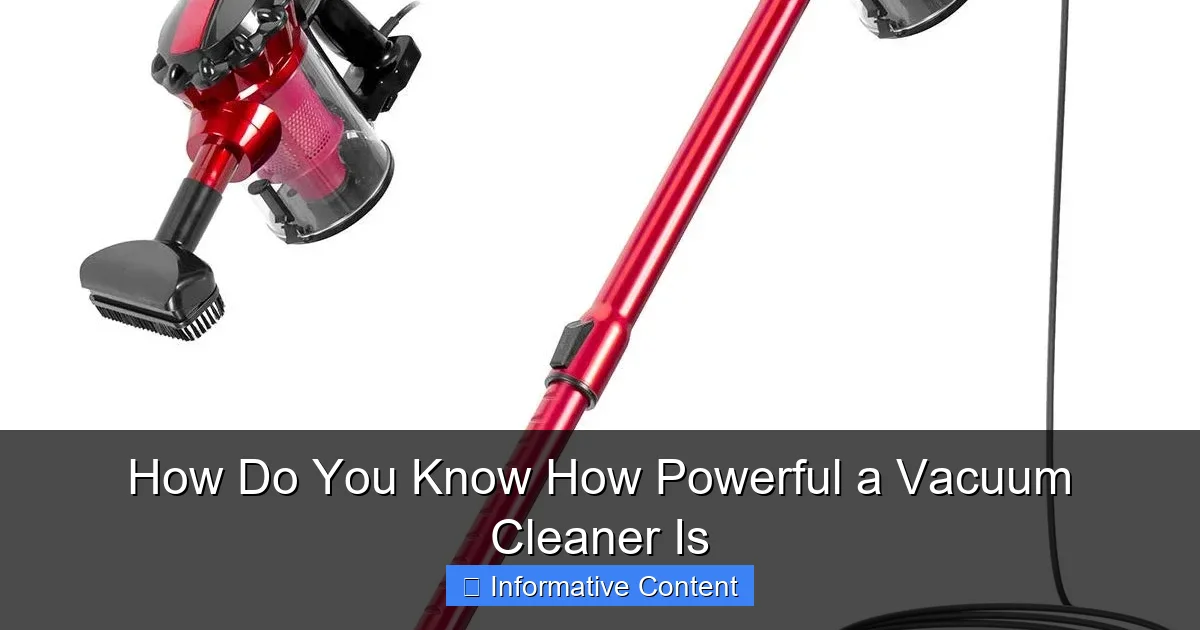
Understanding how powerful a vacuum cleaner is goes far beyond just looking at motor watts. True cleaning efficacy depends on a combination of *suction power* (measured by Air Watts, CFM, and water lift) and the vacuum’s *design features*. Factors like brush roll design, filtration, and sealed systems significantly impact a vacuum’s ability to effectively pick up dirt, debris, and pet hair, making it crucial to consider the whole picture, not just one misleading number.
Ah, the quest for a clean home! We’ve all been there, standing in the vacuum cleaner aisle, staring at a confusing array of numbers and marketing jargon. “1800 Watts!” one box proclaims. “Super Cyclone Suction!” another boasts. But what do these numbers really mean? And more importantly, how do you truly know how powerful a vacuum cleaner is?
It’s a common misconception that more watts automatically equals more suction power. While wattage certainly plays a role, it’s far from the full story. In fact, relying solely on motor watts can lead to disappointment and a vacuum that just doesn’t perform as you expect. Understanding what makes a vacuum truly powerful involves looking at a combination of specific measurements and smart design features. Let’s demystify the world of vacuum cleaner power together so you can make an informed decision and finally conquer that dust bunny army.
In this article, we’re going to dive deep into the metrics that truly matter, beyond the simple watts. We’ll explore how different design elements contribute to overall cleaning effectiveness and help you identify what to look for when you’re trying to figure out how powerful a vacuum cleaner is for your specific needs. Get ready to become a vacuum power expert!
Key Takeaways
- Watts are Misleading: Motor watts primarily indicate energy consumption, not directly how powerful a vacuum cleaner is in terms of suction.
- Air Watts (AW) are Key: This metric combines airflow and suction, providing the most reliable indication of a vacuum cleaner’s effective cleaning performance.
- CFM and Water Lift Matter: CFM (Cubic Feet per Minute) measures airflow, crucial for picking up light, bulky debris; Water Lift (inches of H2O or kPa) indicates deep suction for heavy or embedded dirt.
- Beyond Suction: Essential design features like brush roll agitation, efficient filtration (e.g., HEPA), sealed systems, and appropriate attachments significantly amplify a vacuum’s actual cleaning power.
- Match Power to Your Needs: The “most powerful” vacuum isn’t always the best; consider your specific floor types, presence of pet hair, and cleaning challenges to choose the right balance of features.
- Trust Reviews & Demos: Real-world performance, independent reviews, and in-store demonstrations often reveal more about a vacuum’s true power than manufacturer specifications alone.
Quick Answers to Common Questions
What is the single most important metric for vacuum power?
The single most important metric for vacuum cleaner power is Air Watts (AW), as it combines both airflow and suction strength into one comprehensive measurement of cleaning efficacy.
Do more watts always mean better suction?
No, more motor watts do not always mean better suction. Motor watts indicate energy consumption, while actual suction power depends on the vacuum’s overall design efficiency in converting that energy into airflow and sealed suction.
Is a HEPA filter related to suction power?
A HEPA filter is not directly related to a vacuum’s suction power, but it is crucial for its overall cleaning *effectiveness* by trapping fine particles and allergens, preventing them from being recirculated into the air.
What is CFM good for in a vacuum cleaner?
CFM (Cubic Feet per Minute) measures airflow, which is particularly good for picking up light, bulky debris like pet hair, dust bunnies, and cereal, as it indicates the volume of air the vacuum can move.
What is water lift good for in a vacuum cleaner?
Water lift (inches of H2O or kPa) indicates a vacuum’s deep suction power, making it good for pulling embedded dirt from carpets, lifting heavy debris, and tackling more stubborn cleaning tasks.
📑 Table of Contents
Beyond Watts: The Misleading Metric
Let’s clear up one of the biggest myths right away. If you’re wondering how powerful a vacuum cleaner is, looking only at its motor’s wattage rating is often misleading. It’s a bit like judging a car’s speed solely by the size of its engine block. While related, it doesn’t tell the whole story.
What Watts Actually Tell You (and What They Don’t)
When a vacuum cleaner’s packaging proudly displays a high wattage number (e.g., 1200W, 1800W), it’s primarily referring to the *electrical power consumed by the motor*. This is an input measurement – how much electricity the motor needs to run. It doesn’t directly measure the output, which is the actual suction power or airflow generated at the cleaning head.
- Energy Consumption: Higher watts usually mean the motor is drawing more electricity.
- Motor Capability: It indicates the motor’s potential, but not necessarily how efficiently that potential is converted into suction.
Think of it this way: a powerful car engine can be incredibly inefficient if its design prevents that power from reaching the wheels effectively. Similarly, a high-wattage vacuum motor might be poorly designed, losing a lot of its potential power through air leaks, inefficient fan blades, or restricted airflow pathways.
Why More Watts Doesn’t Always Mean More Suction
The crucial point here is efficiency. A vacuum cleaner with a lower wattage motor but a highly efficient design (better seals, optimized fan, streamlined airflow paths) can often generate *more effective suction* than a higher wattage, less efficient model. Regulations in some regions, like the EU, have even capped vacuum motor wattage to encourage manufacturers to focus on efficiency rather than just raw power consumption.
So, next time you see “2000 Watts!” on a box, don’t automatically assume it’s the answer to how powerful a vacuum cleaner is. It’s just one piece of the puzzle, and often, not the most important one.
The True Measures of Suction Power
If watts are out, what should you look for? Thankfully, there are standardized metrics that give a much clearer picture of how powerful a vacuum cleaner is in terms of its actual suction and airflow capabilities. These are the numbers you want to pay attention to.
Visual guide about How Do You Know How Powerful a Vacuum Cleaner Is
Image source: i5.walmartimages.com
Air Watts (AW): The Gold Standard
If there’s one metric to remember when assessing vacuum power, it’s Air Watts. Air Watts represent the amount of power a vacuum cleaner actually produces at the nozzle, taking into account both airflow and suction. It’s a calculated value that measures the effective work a vacuum can do, combining:
- Airflow (CFM): How much air the vacuum moves.
- Water Lift (inches of H2O or kPa): The strength of the suction.
A higher Air Watt rating directly correlates to better cleaning performance. It’s the most comprehensive and useful specification for comparing the true suction power between different models. Many reputable manufacturers will provide an Air Watt rating. For example, a good upright or canister vacuum might have 200-300 AW, while premium models can exceed 300 AW. Stick vacuums typically range from 50-200 AW, reflecting their lighter duty design.
CFM (Cubic Feet per Minute): Airflow Matters
CFM measures the volume of air that a vacuum cleaner moves per minute. It’s a critical indicator of how well a vacuum can pick up light, bulky debris like pet hair, cereal, dust bunnies, and crumbs. A high CFM means the vacuum can effectively “sweep” a wide area of loose debris into its path.
Think about it: if you want to pick up a pile of leaves, you need a strong gust of wind (high CFM) more than you need intense static suction. For vacuuming large areas with light, fluffy dirt, a good CFM rating is paramount. Typical CFM ratings can range from 50 for smaller handhelds to over 100 for powerful uprights and canisters.
Water Lift (inches of H2O or kPa): Deep Cleaning Power
Also known as “sealed suction” or “static pressure,” water lift measures the maximum height a vacuum can lift a column of water in a sealed tube. This metric tells you how strong the vacuum’s suction is when faced with resistance, such as deeply embedded dirt in carpets or heavy debris. It’s the “grip” of the vacuum.
A high water lift rating means the vacuum can pull dirt from deep within carpet fibers or lift heavier objects. This is crucial for deep cleaning, removing stubborn pet hair that’s tangled in rugs, or picking up denser particles like sand or gravel. Water lift is often measured in inches of water (e.g., 70-100 inches) or kilopascals (kPa). For example, a good canister vacuum might have 90 inches of water lift, while commercial vacuums can reach well over 100.
Design Features That Amplify Cleaning Effectiveness
While Air Watts, CFM, and water lift tell you about the raw power, the overall design of a vacuum cleaner significantly impacts how effectively that power is utilized in the real world. A vacuum can have great suction, but if its design is flawed, it won’t clean well. This is another crucial aspect when considering how powerful a vacuum cleaner is in practice.
The Power of the Brush Roll (Agitation)
Especially for carpets, the brush roll (or beater bar) is as important as suction. This rotating brush agitates carpet fibers, loosening embedded dirt, pet hair, and debris so the vacuum’s suction can then lift it away. Without effective agitation, even a vacuum with strong suction will struggle to deep clean carpets.
- For Carpets: Look for strong, bristled brush rolls with independent motors or belt drives that maintain consistent rotation speed. Adjustable brush roll height is also a plus for different carpet pile lengths.
- For Hard Floors: Softer brush rolls (like those found in many stick vacuums) are designed to gently lift dust and fine debris without scratching delicate surfaces. Some models even have dual brush rolls for both carpet and hard floor performance.
Filtration Systems and Sealed Designs
A powerful vacuum should also trap the dirt it picks up, not just redistribute it into the air. This is where filtration comes in. A good filtration system prevents dust, allergens, and fine particles from escaping back into your home’s air.
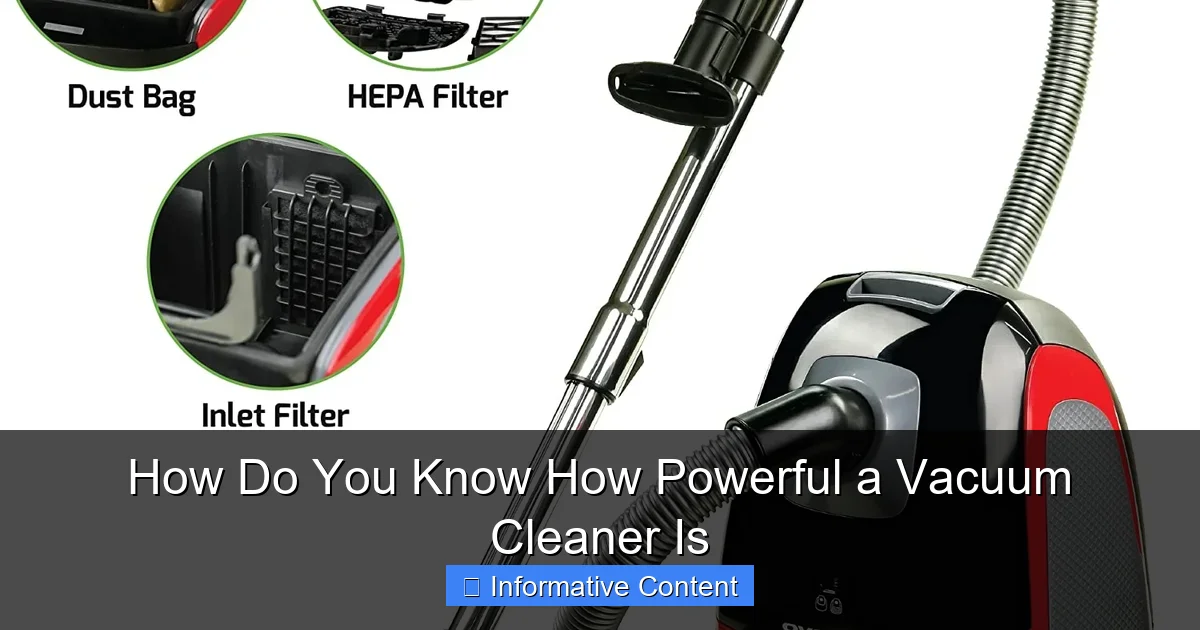
- HEPA Filters: These are the gold standard for allergy sufferers, capturing 99.97% of airborne particles down to 0.3 microns (including pet dander, pollen, and dust mite allergens).
- Sealed System: A HEPA filter is only truly effective if the vacuum has a *sealed system*. This means that all the air entering the vacuum passes through the filter before exiting. If there are leaks in the vacuum’s housing, unfiltered air will escape, making the HEPA filter less effective. A truly sealed system contributes significantly to the overall cleanliness a vacuum provides.
Attachments, Nozzles, and Hose Design
The tools you use can make or break a vacuum’s effectiveness. Different attachments are designed to optimize suction for specific tasks and surfaces.
- Nozzles: A wide cleaning head covers more ground, while narrower nozzles concentrate suction for targeted cleaning.
- Hose Design: A smooth, wide-diameter hose minimizes air resistance, allowing for better airflow and maintaining suction power. Long, flexible hoses offer versatility.
- Specialized Tools: Pet hair tools, crevice tools, dusting brushes, and upholstery nozzles all enhance a vacuum’s ability to clean specific areas and types of debris, making the vacuum *feel* more powerful for those tasks.
Overall Build Quality and Sealing
Don’t underestimate the importance of solid construction. Cheaply made vacuums often have poor seals, allowing air to leak out before it reaches the motor or cleaning head. These air leaks drastically reduce the effective suction power. A well-built vacuum with tight seals throughout its body will retain more of its measured power at the nozzle.
Tailoring Power to Your Home’s Needs
Understanding how powerful a vacuum cleaner is isn’t just about finding the highest numbers; it’s about finding the right balance of power and features for *your* specific cleaning challenges. The “most powerful” vacuum might be overkill (or even damaging) for certain situations.
Floor Types Dictate Requirements
- Deep Pile Carpets: You’ll need high suction (good Air Watts and water lift) combined with a robust, adjustable brush roll for deep cleaning and lifting embedded dirt.
- Low Pile Carpets & Rugs: Good Air Watts and an effective brush roll are still important, but less extreme power might suffice.
- Hardwood & Delicate Floors: High CFM for picking up surface debris is great, but strong water lift can be less critical. Crucially, you’ll want a soft brush roll (or the ability to turn off a bristled one) to prevent scratches.
Conquering Pet Hair and Allergens
If you have furry friends, you know the struggle is real! Pet hair needs a vacuum with:
- Strong Airflow (CFM): To pick up loose fur from hard floors and surfaces.
- Effective Brush Roll: To agitate and lift embedded pet hair from carpets and upholstery.
- High Air Watts: For overall pet hair removal effectiveness.
- Sealed HEPA Filtration: Essential for trapping pet dander and allergens, preventing them from recirculating in your home.
Specific Cleaning Challenges
- Quick Cleanups / Small Spaces: A powerful handheld or stick vacuum (e.g., 50-100 AW) can be incredibly effective and convenient.
- Workshop / Garage: A wet/dry shop vac with high CFM and water lift is ideal for heavy debris, liquids, and rougher materials.
- Car Interiors: Compact, powerful handhelds with specialized attachments are best for tight spaces.
How to Evaluate and Choose Your Powerful Vacuum
Now that you know what metrics matter and how design impacts performance, how do you put it all into practice when shopping for a vacuum cleaner?
Don’t Just Rely on Marketing Specs (But Look for the Right Ones!)
Be wary of vague claims like “powerful suction” or “extra strong motor.” Instead, actively seek out specific numbers for Air Watts, CFM, and water lift. Reputable brands that are confident in their product’s performance will often provide these figures. If a manufacturer only lists motor watts, it might be a red flag that their actual cleaning performance isn’t a strong selling point.
Read Reviews and Watch Demos
The real-world experience of other users is invaluable. Check independent review sites, consumer reports, and watch video demonstrations online. Pay attention to comments about:
- How well it cleans different floor types.
- Its performance with pet hair.
- Ease of use and maneuverability.
- Noise levels.
- Durability and maintenance.
These insights will often give you a clearer picture of how powerful a vacuum cleaner is in practical terms, beyond just the technical specifications.
Test It Out if Possible
If you can, try the vacuum in a store. Feel the suction on your hand, listen to the motor, and try pushing it around. Some stores even have demo areas with different types of flooring and simulated dirt for you to test. This hands-on experience can reveal a lot about a vacuum’s ergonomic power and ease of use.
Consider Maintenance and Filter Costs
A vacuum’s power can diminish over time if it’s not properly maintained. Factor in the cost and availability of replacement filters and bags. Bagless vacuums require regular emptying and cleaning of filters, while bagged models need bag replacements. Neglecting these tasks can reduce airflow and suction, making even the most powerful vacuum less effective.
Conclusion
So, how do you know how powerful a vacuum cleaner is? It’s clear now that it’s not a simple question with a single answer. It’s a nuanced assessment that goes far beyond the headline-grabbing wattage number.
To truly understand a vacuum’s power, you need to consider a holistic view: look for the Air Watt rating as your primary indicator of effective suction power, understand what CFM tells you about airflow for light debris, and appreciate water lift for deep cleaning capability. Crucially, don’t forget the importance of design features like effective brush rolls, robust filtration systems, and airtight construction.
By keeping these insights in mind, you’re now equipped to cut through the marketing fluff and choose a vacuum cleaner that genuinely meets your cleaning needs. No more guessing, no more disappointment – just a powerfully clean home, thanks to your informed choice!
Frequently Asked Questions
How often should I change my vacuum’s filter to maintain power?
To maintain optimal suction power, you should clean or replace your vacuum’s filters regularly, typically every 3-6 months for reusable filters or as recommended by the manufacturer. Clogged filters severely restrict airflow, reducing cleaning effectiveness.
Can a full vacuum bag or bin reduce suction power?
Yes, a full vacuum bag or dirt bin can significantly reduce suction power. As the bag or bin fills, it restricts airflow through the vacuum, making the motor work harder and diminishing its ability to pick up debris effectively.
What’s a good Air Watt rating for a typical home?
For a typical home with a mix of hard floors and low-to-medium pile carpets, an Air Watt rating between 150-250 AW is generally considered good. For homes with deep pile carpets or pets, looking for 250 AW or higher will provide more robust cleaning power.
Are cordless vacuums as powerful as corded ones?
Cordless vacuums have made significant strides in power, with some premium models offering comparable Air Watts to mid-range corded vacuums. However, high-end corded vacuums typically still offer superior sustained suction power for heavy-duty, prolonged cleaning tasks.
Why does my vacuum seem less powerful over time?
A vacuum appearing less powerful over time is often due to clogged filters, a full dirt bin or bag, blockages in the hose or brush roll, or worn-out brush roll bristles. Regular maintenance, including cleaning filters and checking for obstructions, can often restore its original power.
Does the hose length affect suction power?
Yes, the length and diameter of the hose can affect suction power. Longer or narrower hoses can increase air resistance, leading to a slight reduction in effective suction at the cleaning head compared to shorter, wider hoses, though well-designed hoses minimize this effect.