
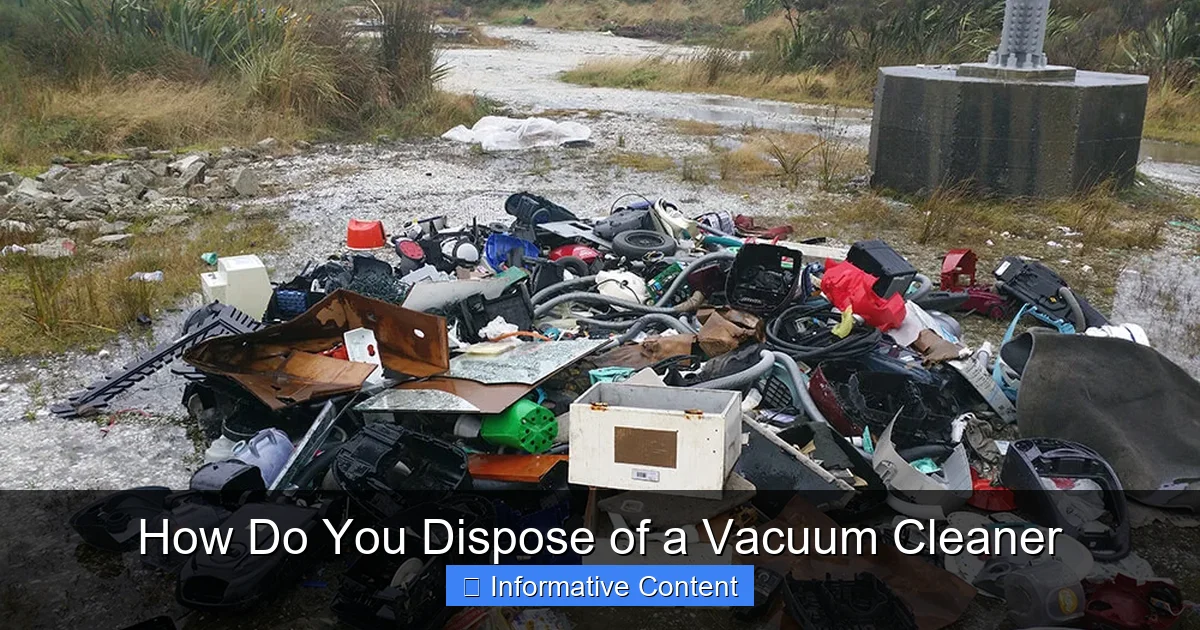
When it’s time to retire your old vacuum cleaner, responsible disposal is crucial. Avoid landfills by seeking out electronic waste (e-waste) recycling centers, retailer take-back programs, or donation options for working units. Always remember to safely remove batteries and clean out dust and debris before you dispose of a vacuum cleaner, ensuring an environmentally sound choice.
Has your trusty vacuum cleaner finally given up the ghost? Perhaps it’s sucking less than it used to, or maybe the motor has developed a concerning wheeze. Whatever the reason, you’re now faced with a common household dilemma: what do you do with the old one? It might seem easy to just toss it in the regular trash, but that’s rarely the best or most responsible way to dispose of a vacuum cleaner.
Vacuum cleaners, while seemingly simple appliances, are complex mixtures of plastics, metals, rubber, and often electronic components, including circuit boards and batteries. Each of these materials has a different end-of-life journey. Tossing them in the landfill contributes to environmental pollution, wastes valuable resources, and can even be illegal in some regions due to electronic waste (e-waste) regulations. But don’t worry, navigating the options for how to dispose of a vacuum cleaner is easier than you might think. This guide will walk you through all the steps to ensure your old cleaning companion gets a second life, or at least a responsible farewell.
Key Takeaways
- Don’t Landfill Your Vacuum: Vacuum cleaners contain plastics, metals, and often electronics and batteries that are harmful to the environment if sent to a landfill.
- Prioritize E-Waste Recycling: The best way to dispose of a vacuum cleaner is typically through an authorized electronic waste (e-waste) recycling facility. These centers ensure proper material recovery and safe disposal of hazardous components.
- Remove Batteries First: For cordless or robotic vacuums, always remove the rechargeable battery pack safely before disposal. These batteries require separate recycling due to fire hazards and toxic materials.
- Clean Before Disposing: Empty all dust bags, canisters, and clean filters before recycling or donating your vacuum cleaner. This makes the unit more hygienic and easier for recyclers to process.
- Consider Donation or Resale: If your vacuum cleaner is still in good working condition, consider donating it to a charity or selling it. This extends its lifespan and reduces waste.
- Check Retailer Take-Back Programs: Many electronics retailers offer take-back services for old appliances, especially when you’re purchasing a new one. Inquire about these convenient options.
- Understand Local Regulations: Disposal rules vary by location. Always check with your local waste management services or municipal website for specific guidelines on how to dispose of a vacuum cleaner in your area.
Quick Answers to Common Questions
Can I throw my old vacuum cleaner in the regular trash?
No, you generally should not throw a vacuum cleaner in regular household trash. Vacuum cleaners contain a mix of plastics, metals, and often electronics and batteries, which should be recycled as e-waste to prevent environmental contamination and conserve resources.
Where can I recycle a vacuum cleaner?
You can recycle a vacuum cleaner at local electronic waste (e-waste) recycling centers, through retailer take-back programs when purchasing a new unit, or during special municipal collection events. Check your local waste management website for specific drop-off locations.
Do I need to remove the battery from a cordless vacuum before recycling?
Yes, absolutely. For cordless or robotic vacuums, it’s crucial to safely remove the rechargeable battery pack if possible, as these contain hazardous materials and pose a fire risk. Batteries should be recycled separately at designated battery collection points.
Can I donate a broken vacuum cleaner?
Generally, charities and thrift stores prefer working appliances. A broken vacuum cleaner is usually not accepted for donation, as it would require repair. Your best bet for a broken unit is e-waste recycling.
What should I do with the dust bag or canister before disposal?
Always empty and clean out your vacuum cleaner before disposal. Remove and discard full dust bags, and empty and ideally wash out dust canisters. This makes the unit more hygienic and easier for recyclers to process.
📑 Table of Contents
Why Proper Vacuum Cleaner Disposal Matters
When we talk about how to dispose of a vacuum cleaner, it’s not just about getting it out of your house. It’s about making a conscious choice for the planet. Understanding the “why” behind responsible disposal can really help motivate those extra few steps.
Environmental Impact: Keeping Landfills Clean
Think about it: a typical vacuum cleaner is bulky. If every household simply threw their old vacuums into the regular trash, landfills would quickly fill up with these non-biodegradable items. Beyond the sheer volume, vacuums contain plastics that take hundreds of years to decompose, and metals that can rust and leach into the soil. Worse still, many modern vacuums, especially cordless and robotic ones, contain rechargeable batteries. These batteries often contain hazardous materials like lead, cadmium, or lithium, which can contaminate groundwater and soil if not disposed of correctly. Making an effort to correctly dispose of a vacuum cleaner significantly reduces these harmful impacts.
Resource Conservation: Giving Materials a Second Life
Your old vacuum cleaner isn’t just “junk”; it’s a treasure trove of raw materials waiting to be reused. The plastics can be recycled into new products, and the metals (like steel and copper) can be melted down and repurposed, reducing the need to mine new virgin materials. Recycling helps save energy, reduces greenhouse gas emissions, and conserves natural resources. When you properly dispose of a vacuum cleaner, you’re contributing to a circular economy, where materials are kept in use for as long as possible.
Legal Compliance: Understanding WEEE and Local Rules
Many regions have specific laws governing the disposal of electronic waste, often referred to as WEEE (Waste Electrical and Electronic Equipment) in Europe, or simply e-waste regulations elsewhere. These laws are designed to prevent hazardous materials from entering landfills and to promote recycling. Improperly disposing of e-waste, including vacuum cleaners, can lead to fines for individuals and businesses. Checking your local municipality’s guidelines on how to dispose of a vacuum cleaner is a crucial first step to ensure you’re compliant.
Before You Dispose: Prepare Your Vacuum Cleaner

Visual guide about How Do You Dispose of a Vacuum Cleaner
Image source: ezcleanup.com
Before you even think about where to take it, there are a few important steps to prepare your vacuum cleaner for its next journey, whether that’s recycling, donation, or professional disposal. These steps ensure safety and efficiency for whatever method you choose to dispose of a vacuum cleaner.
Empty and Clean: Get Rid of the Gunk
Nobody wants a dusty, dirty vacuum cleaner, especially not recyclers or charities! Before you dispose of a vacuum cleaner, make sure it’s thoroughly cleaned out.
- For Bagged Vacuums: Remove and dispose of the full dust bag in your regular household trash.
- For Bagless/Canister Vacuums: Empty the dust canister into the trash. Wash out the canister if possible and let it dry completely.
- Clean or Remove Filters: If your vacuum has washable filters, clean them. If they are disposable, remove them and put them in the trash.
- Wipe it Down: Give the exterior a quick wipe-down. This simple step makes it more appealing for donation or easier for recycling centers to handle.
Remove Attachments and Accessories
Separate any removable attachments like crevice tools, brush heads, or extension wands. If these are still in good condition, you might be able to keep them as spares for a new vacuum (if they’re compatible) or donate them separately if they’re generic. Otherwise, they can often be recycled with the main unit, but separating them first can sometimes help with the recycling process.
Detach Batteries (Crucial for Cordless and Robotic Vacuums)
This is perhaps the most critical step for modern cordless stick vacuums and robotic vacuums. Rechargeable lithium-ion batteries pose a fire risk if damaged during collection or processing, and they contain valuable materials that need specialized recycling.
- Read the Manual: Your vacuum cleaner’s user manual will usually have instructions on how to safely remove the battery pack.
- Safety First: If you’re unsure or uncomfortable, consider taking the entire unit to an e-waste facility that can handle battery removal.
- Separate Recycling: Once removed, these batteries should *never* go into regular trash or even mixed recycling. They need to be taken to specific battery recycling drop-off points, often found at hardware stores, electronics retailers, or designated municipal facilities. Look for programs like Call2Recycle in North America.
Consider Repair or Donate: Extending Lifespan
Before you decide to dispose of a vacuum cleaner, ask yourself if it could still be useful.
- Repair: Sometimes, a simple fix like a new belt, filter, or a cleared clog can bring a vacuum back to life. Check online tutorials or local repair shops.
- Donate: If your vacuum is still in working order, even if it’s not perfect, consider donating it to a local charity shop, thrift store, or a community organization. They can often clean it up and offer it to someone in need at an affordable price. This is a fantastic way to extend its life and keep it out of the waste stream.
- Resale: If it’s a newer model or in excellent condition, you might be able to sell it online through platforms like Craigslist, Facebook Marketplace, or local classifieds. Even for parts, someone might be interested!
Your Main Options to Dispose of a Vacuum Cleaner
Once your vacuum is prepared, it’s time to choose the right path for disposal. You have several responsible options, depending on your location and the condition of your appliance.
Recycling Centers and Electronic Waste (E-Waste) Programs
This is generally the gold standard for how to dispose of a vacuum cleaner. E-waste recycling centers are equipped to safely dismantle electronic appliances, separate materials, and ensure hazardous components are handled correctly.
- Find a Local E-Waste Facility: A quick online search for “e-waste recycling near me” or “electronics recycling [your city]” will usually yield results. Many municipalities have designated drop-off points or organize special collection events.
- Manufacturer Take-Back Schemes: Some vacuum cleaner manufacturers offer their own recycling programs. Check the brand’s website for details; they might have drop-off locations or even mail-back options.
- Specialized Recyclers: For commercial or very large units, there might be specialized electronics recyclers who can handle them.
Retailer Take-Back Programs
Many electronics retailers, especially those selling new vacuum cleaners, have programs where you can bring in your old appliance when you purchase a new one. This is particularly common in regions with strong WEEE regulations.
- Ask Before You Buy: When you’re shopping for a new vacuum, ask the sales associate about their recycling or take-back policy for old units.
- Common Retailers: Large electronics stores, department stores, and even some hardware chains might participate. Policies can vary, so always call ahead or check their website.
Donation or Resale (If Functional)
As mentioned earlier, if your vacuum still works, even if it’s seen better days, giving it a new home is an excellent option.
- Charity Shops: Organizations like Goodwill, Salvation Army, Habitat for Humanity ReStore, or local thrift stores often accept working small appliances. Call ahead to confirm their current donation guidelines.
- Online Marketplaces: Websites like Facebook Marketplace, Craigslist, or Freecycle are great for connecting with people who might need a working vacuum. You might even be able to sell it for a small amount if it’s in decent condition.
This helps reduce waste and provides affordable options for others, making it a truly win-win way to dispose of a vacuum cleaner responsibly.
Curbside Collection (Limited Availability)
In some areas, your local waste management service might offer curbside collection for bulky items or e-waste on specific days.
- Check Local Council Rules: This is highly dependent on your municipality. Visit your local government’s waste management website or call their service line to inquire about special collections for appliances or electronics.
- Booking Required: Often, you’ll need to schedule a pickup in advance, and there might be a small fee. Ensure you follow all instructions regarding placement and preparation.
Remember, simply putting it out with your regular trash is generally not an option for responsible disposal.
Professional Junk Removal Services
If you have multiple bulky items to dispose of, or if convenience is your top priority, a professional junk removal service can be an option.
- Full-Service Pickup: These companies will come to your home, haul away your old vacuum (and other items), and ensure it’s disposed of properly, often by taking it to an appropriate recycling facility.
- Cost Involved: This is usually the most expensive option, but it saves you time and effort. Be sure to choose a reputable company that emphasizes environmentally responsible disposal practices.
Specific Considerations for Different Vacuum Types
While the general principles apply, there are some nuances depending on the type of vacuum cleaner you have.
Corded Vacuums (Upright, Canister)
These are the most straightforward. Once emptied and cleaned, their main components are plastic, metal, and electrical cords. They are ideal candidates for e-waste recycling centers. Just ensure the cord is securely wrapped or cut if required by the recycling facility to prevent tangling.
Cordless/Battery-Powered Vacuums (Stick, Handheld)
As emphasized earlier, the battery is the key here. Always remove the rechargeable battery pack first, if possible. The battery needs separate recycling. The vacuum body itself can then go to an e-waste facility. If the battery is non-removable or you can’t safely remove it, seek out an e-waste center that specifically handles complete battery-powered electronics.
Robotic Vacuums
Robotic vacuums are essentially small computers on wheels. They contain circuit boards, sensors, and, most importantly, rechargeable batteries. Treat them like cordless vacuums: remove the battery if possible for separate recycling, and then take the main unit to an e-waste facility. Many retailers that sell robotic vacuums also have take-back programs.
Wet/Dry Vacuums
Similar to corded vacuums in terms of components, but often larger. Ensure the tank is completely empty and cleaned out before disposal. The same rules for e-waste recycling or bulky item collection apply.
Avoiding Landfills: The Eco-Friendly Choice
The journey to dispose of a vacuum cleaner isn’t just about getting rid of an old appliance; it’s about embracing a more sustainable lifestyle. Every choice we make, no matter how small, contributes to the bigger picture of environmental health.
The “Reduce, Reuse, Recycle” Mantra
This age-old adage holds true for vacuum cleaners too.
- Reduce: Can you make your current vacuum last longer with proper maintenance? Can you buy a more durable, repairable model next time?
- Reuse: If your vacuum works, can someone else use it? Donation is a powerful form of reuse.
- Recycle: When reuse isn’t an option, proper recycling ensures that valuable materials are recovered and hazardous ones are dealt with safely.
By following these principles when you dispose of a vacuum cleaner, you’re actively participating in creating a healthier planet.
Long-Term Benefits for Everyone
By choosing to recycle or donate your old vacuum, you’re not only complying with local regulations and protecting the environment from harmful chemicals, but you’re also helping to conserve finite natural resources. It means less energy spent on manufacturing new materials from scratch, fewer greenhouse gas emissions, and a cleaner, healthier future for everyone. So, when that old vacuum finally kicks the bucket, take pride in knowing you’re making a responsible and positive impact.
In conclusion, knowing how to dispose of a vacuum cleaner properly is a small but significant step toward a more sustainable future. By taking the time to prepare your appliance, understand your local options, and choose an eco-friendly disposal method, you’re doing your part to protect our planet and conserve its precious resources. Don’t let your old vacuum become an environmental burden; give it a responsible send-off!
Frequently Asked Questions
What is e-waste and why does it apply to vacuum cleaners?
E-waste, or electronic waste, refers to discarded electrical or electronic devices. Vacuum cleaners fall into this category because they contain circuit boards, motors, and often batteries, all of which classify them as electronic equipment at the end of their life. Proper e-waste disposal ensures valuable materials are reclaimed and hazardous components are managed safely.
Are there any take-back programs for vacuum cleaners offered by manufacturers?
Yes, some vacuum cleaner manufacturers do offer take-back or recycling programs, especially in regions with strong environmental regulations. It’s always a good idea to check the manufacturer’s official website or contact their customer service to inquire about specific recycling initiatives they might have in place for their products.
What are the risks of improper vacuum cleaner disposal in landfills?
Improper disposal of vacuum cleaners in landfills can lead to several environmental risks. Plastics can take centuries to break down, metals can rust and leach into soil and water, and hazardous materials from batteries (like lead or lithium) can contaminate groundwater, posing a threat to ecosystems and human health.
Can I put my vacuum cleaner out with my regular bulky waste collection?
This depends entirely on your local municipality’s waste collection policies. Some areas offer specific bulky waste or e-waste collection days, which might include vacuum cleaners, often requiring pre-booking. However, it’s rare for a vacuum cleaner to be accepted in regular bulky waste without special arrangements, so always check your local council’s guidelines first.
My vacuum cleaner is old but still works. Should I donate or recycle it?
If your vacuum cleaner is still in good working condition, donation is often the preferred option. Giving it to a charity or thrift store extends its useful life, benefits someone in need, and keeps it out of the waste stream longer. Recycling should be considered if the unit is no longer functional or cannot be repaired.
How can I find out my local e-waste recycling options?
The best way to find local e-waste recycling options is to visit your municipal or county waste management website. They usually provide detailed information on drop-off locations, special collection events, and local regulations. You can also search online for “e-waste recycling near me” or “electronics recycling [your city/town name].”