
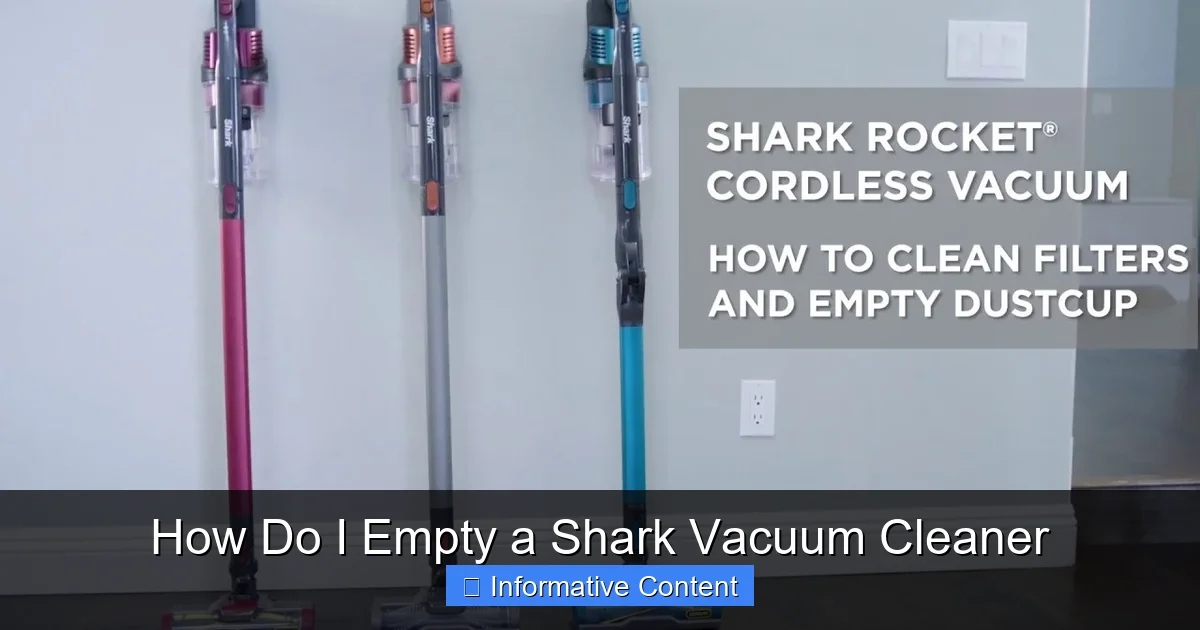
Emptying your Shark vacuum cleaner is a simple yet crucial step for maintaining its suction power and efficiency. This comprehensive guide will walk you through the process for various Shark models, from uprights and Lift-Aways to cordless units. You’ll learn exactly how do I empty a Shark vacuum cleaner, including detaching the dust cup, releasing debris, and cleaning components for a truly fresh clean. Follow these easy steps to keep your home sparkling and your vacuum running perfectly.
Let’s be honest, vacuuming can sometimes feel like a chore, but it’s a vital part of keeping our homes sparkling clean. And when you’ve invested in a powerful machine like a Shark vacuum cleaner, you want it to perform at its best every single time. A major part of ensuring peak performance is knowing precisely when and how to empty its dust cup. If you’ve ever found yourself wondering, “how do I empty a Shark vacuum cleaner?” you’re definitely not alone. It’s a common question, and thankfully, the answer is usually quite straightforward, designed for convenience and ease of use.
Emptying your Shark vacuum isn’t just about making space for more dirt; it’s about maintaining powerful suction, preventing clogs, and ensuring your machine has a long, happy life. An overfilled dust cup can drastically reduce your vacuum’s efficiency, leaving behind dirt and dust, and making your cleaning efforts less effective. Plus, a full dust bin can put unnecessary strain on the motor, potentially leading to long-term issues. So, let’s dive deep into the simple steps that will transform you into a Shark vacuum emptying expert, regardless of your specific model.
Whether you own a versatile upright, a flexible Lift-Away, or a nimble cordless stick vacuum, the core principles of emptying remain similar. Shark engineers their vacuums with user-friendliness in mind, so once you know where to look and what buttons to press, the process becomes second nature. We’ll cover everything from the basic detach-and-dump to dealing with stubborn hair and ensuring your filters are spotless. Get ready to give your Shark the TLC it deserves, ensuring it continues to suck up every speck of dust with formidable force.
Key Takeaways
- Regular Emptying is Key: Empty your Shark vacuum’s dust cup regularly, ideally after each use or when it reaches the “Max Fill” line, to maintain strong suction and prevent overfilling.
- Locate the Release Button: For most Shark models, you’ll find a clearly marked release button, often near the handle or on the dust cup itself, to detach it from the main unit.
- Bottom-Release Mechanism: The primary way to empty the dust cup is by pressing a release latch on the bottom, allowing the collected dirt and debris to fall directly into a trash can.
- Top Latch for Full Cleaning: Many dust cups also have a top latch or button that opens the top part, enabling a more thorough cleaning, especially if hair or debris is stuck.
- Different Models, Similar Principles: While specific button locations may vary between upright, Lift-Away, and cordless Shark vacuums, the core principle of detaching and releasing debris remains consistent.
- Clean Filters Regularly: Beyond emptying, remember to wash your pre-motor and post-motor filters according to Shark’s guidelines to prevent clogs and maintain air quality.
- Troubleshoot Blockages: If suction is low even after emptying, check the hose and other connections for blockages, as this is a common issue that impacts performance.
Quick Answers to Common Questions
How often should I empty my Shark vacuum cleaner?
You should aim to empty your Shark vacuum after every significant use or whenever the debris reaches the “Max Fill” line on the dust cup, whichever comes first. This ensures optimal suction.
Can I wash the dust cup of my Shark vacuum?
Yes, most Shark dust cups can be washed with lukewarm water and mild soap after emptying. However, ensure it is completely air-dried for at least 24 hours before reattaching it to the vacuum to prevent motor damage.
What if hair or debris gets stuck inside the dust cup after emptying?
Many Shark dust cups have a top release latch that allows the entire cup to open. You can then carefully pull out any stubborn hair clumps or debris with your hand or a small brush.
My Shark vacuum has lost suction even after emptying. What should I check next?
If suction is low, check your pre-motor (foam and felt) and post-motor (HEPA) filters to see if they need cleaning or replacement. Also, inspect the hose, wand, nozzle, and brush roll for any blockages.
Is it safe to empty my Shark vacuum over any trash can?
Yes, you can empty it over any standard trash can. It’s best to hold the dust cup low inside the can to minimize dust clouds and ensure all debris falls directly into the bin.
📑 Table of Contents
Understanding Your Shark Vacuum’s Dust Cup Design
Before we jump into the actual emptying process, it’s super helpful to get acquainted with the different types of dust cup designs Shark uses. While the brand is known for its innovation, most of their dust cups share common features, though their placement might vary slightly depending on whether you have an upright, a Lift-Away, or a cordless model. Understanding these nuances will make it much easier when you’re asking yourself, “how do I empty a Shark vacuum cleaner?”
Identifying the Dust Cup and Max Fill Line
Every Shark vacuum has a clear, often transparent, dust cup or canister. This is where all the dirt, dust, pet hair, and crumbs end up. You’ll typically find a “Max Fill” line marked on the side of this cup. This line is your visual cue; when debris reaches or passes this line, it’s time to empty your vacuum. Ignoring this line can lead to reduced suction and potential strain on your vacuum’s motor. It’s a good habit to check this line after every significant cleaning session.
Common Release Mechanisms
Shark vacuums are designed for easy access. You’ll generally find one or two key release points on the dust cup:
- Main Dust Cup Release: This button or lever detaches the entire dust cup from the main vacuum body. It’s usually located near the handle or at the top of the dust cup assembly itself. Pressing this allows you to lift the cup away for emptying.
- Bottom Emptying Latch: Once the dust cup is detached, you’ll find a latch or button, often at the very bottom, that opens a flap. This is the primary way to release the collected debris directly into a trash can.
- Top Opening (for thorough cleaning): Some Shark dust cups also have a secondary latch at the top. This allows the entire dust cup to open completely, which is incredibly useful for dislodging stubborn hair clumps or for a more thorough wash.
Knowing where these mechanisms are located on your specific model is the first step in mastering how do I empty a Shark vacuum cleaner effectively.
Step-by-Step Guide: Emptying an Upright or Lift-Away Shark Vacuum
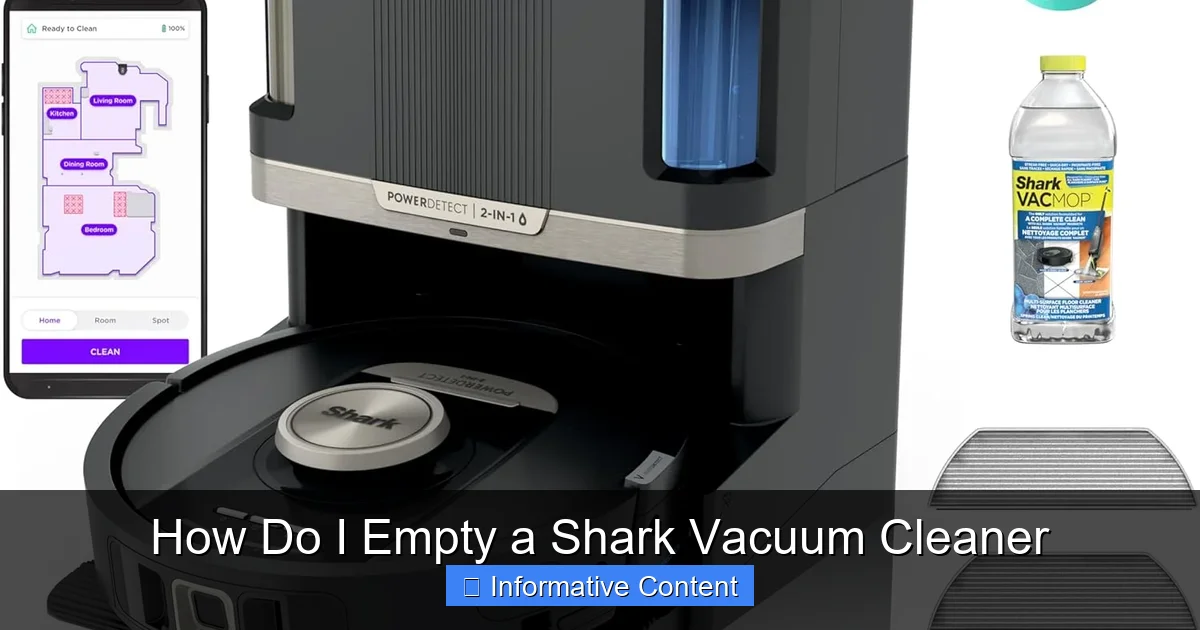
Visual guide about How Do I Empty a Shark Vacuum Cleaner
Image source: m.media-amazon.com
Most Shark upright and Lift-Away models follow a very similar process for emptying their dust cups. These are often the workhorses of the Shark lineup, designed to handle significant amounts of debris.
Detaching the Dust Cup from the Main Unit
The first thing you need to do is remove the dust cup from the main body of your Shark vacuum.
- Turn Off and Unplug: Safety first! Always ensure your vacuum is turned off and unplugged from the wall outlet before you start tinkering with it.
- Locate the Dust Cup Release Button: This button is usually clearly labeled, often with an icon of an open trash can or an arrow pointing down. On many uprights, it’s near the top of the dust cup, just below the handle. For Lift-Away models, it might be on the main canister unit.
- Press and Lift: Firmly press the dust cup release button and, at the same time, gently pull the dust cup upwards and away from the vacuum’s body. It should unlatch easily.
Once detached, carry the dust cup over to a trash can.
Opening the Bottom Flap and Emptying
Now for the satisfying part – getting rid of all that accumulated grime!
- Position Over Trash Can: Hold the dust cup directly over an open trash can. This prevents dust and debris from scattering on your freshly cleaned floor.
- Locate the Bottom Release Latch: On the bottom of the dust cup, you’ll see another latch or button. This is typically red or a contrasting color to make it easy to spot.
- Press to Open: Press this bottom release latch. The bottom flap of the dust cup will swing open, allowing the dirt, dust, and debris to fall out into the trash. You might need to gently shake the cup to dislodge everything.
Dealing with Stubborn Debris and Reattaching
Sometimes, especially with pet hair or fine dust, not everything falls out right away.
- Tap and Shake: Gently tap the sides of the dust cup against the edge of the trash can. This can help loosen any clinging dust or hair.
- Use the Top Latch (if available): If you find a stubborn clump of hair or debris stuck near the screen filter inside the dust cup, look for a second release latch (often at the top of the dust cup). Pressing this will open the entire cup, allowing you to reach in and remove any blockages manually. Be careful not to damage the internal filter screen. This is crucial for a thorough answer to how do I empty a Shark vacuum cleaner.
- Close Both Flaps: Once empty and clean, firmly close both the top (if opened) and bottom flaps. You should hear a distinct click, indicating they are securely latched.
- Reattach to Vacuum: Align the dust cup with the vacuum’s body and push it down until it clicks securely into place. Give it a gentle tug to ensure it’s firmly attached before using the vacuum again.
Step-by-Step Guide: Emptying a Cordless or Handheld Shark Vacuum
Cordless and handheld Shark vacuums, like the Rocket, Vertex Pro, or WandVac, often have slightly different designs due to their compact nature, but the emptying principle remains similar. The question “how do I empty a Shark vacuum cleaner” still applies here, and it’s equally simple!
Locating the Release Mechanism on Cordless Models
Cordless models are designed for quick, convenient emptying.
- Power Off: Always ensure your cordless vacuum is powered off before attempting to empty it.
- Find the Dust Cup: The dust cup on cordless models is usually integrated into the main body or directly attached near the handle. It’s typically smaller than those on uprights.
- Identify the Release Button: Look for a button or lever, often near the nozzle or where the dust cup connects to the motor unit. This button will either detach the entire dust cup or directly open a flap for emptying.
Opening and Emptying the Cordless Dust Cup
- Position Over Trash: Hold the vacuum or just the detached dust cup over a trash can.
- Press the Release: Press the identified release button. On many cordless stick vacuums, this button directly opens the bottom flap of the dust cup. On handheld models, you might pull a lever to slide open the dust bin.
- Shake and Dislodge: Gently shake the dust cup to ensure all debris falls out. Again, be mindful of any hair wraps or fine dust clinging to the internal screen. You might need to manually pull out larger clumps of hair.
- Close Securely: Once empty, close the flap or reattach the dust cup firmly until you hear it click into place.
The key difference here is often the integration of the dust cup; you might not fully detach it in the same way as an upright, but the emptying action is just as quick.
Advanced Tips for a Thorough Clean and Optimal Performance
Emptying the dust cup is just one part of maintaining your Shark vacuum. For truly optimal performance and longevity, a deeper dive into cleaning and troubleshooting is sometimes necessary. These tips go beyond simply asking how do I empty a Shark vacuum cleaner, moving into full maintenance.
Dealing with Stubborn Debris and Hair Wraps
Pet owners, you know the struggle! Hair can get wrapped around the internal filter screen within the dust cup, preventing debris from falling out easily.
- Manual Removal: If hair or large debris is stuck, detach the dust cup, open both the top and bottom flaps (if applicable), and carefully pull out the obstruction. A gloved hand or a pair of long tweezers can be helpful.
- Brush Away: Use a small, soft brush (like an old toothbrush) to gently dislodge dust and debris from the mesh screen inside the dust cup. Avoid using anything sharp that could damage the screen.
Washing the Dust Cup and Filters
Regularly washing certain components can make a huge difference in performance and hygiene.
- Washing the Dust Cup: Periodically, after emptying, you can wash the dust cup itself. Detach it completely, open both ends (if possible), and rinse it with lukewarm water. Use a mild dish soap if necessary, but avoid harsh chemicals. Ensure it is *completely dry* for at least 24 hours before reassembling and using your vacuum. Moisture can damage the motor.
- Cleaning Pre-Motor Filters: Most Shark vacuums have foam and felt filters (pre-motor) located within or just below the dust cup. These should be rinsed under cold water once a month (or more often with heavy use). Squeeze out excess water and let them air dry completely for at least 24 hours before putting them back.
- Cleaning Post-Motor (HEPA) Filter: Some Shark models have a HEPA filter (post-motor) which traps very fine particles. Check your manual; some are washable (rinse and air dry), while others are not and need to be replaced periodically. Do *not* wash non-washable HEPA filters.
These cleaning steps are vital complements to knowing how do I empty a Shark vacuum cleaner regularly.
Checking for Blockages in the Hose and Attachments
If your vacuum still has low suction even after emptying the dust cup and cleaning filters, a blockage is the most likely culprit.
- Inspect the Hose: Disconnect the hose from both ends of the vacuum. Stretch it out and look through it for any obstructions. You can use a broom handle or a long, blunt object to gently push through any blockages.
- Check Nozzle and Connections: Examine the floor nozzle, wand, and any attachments for visible clogs. Pet hair, socks, or small toys can easily get lodged in these areas.
- Brush Roll Inspection: For upright and stick vacuums, check the brush roll at the bottom of the floor nozzle. Hair and strings can wrap around it, impeding its rotation and affecting suction. Use scissors to carefully cut away any tangled hair, taking care not to snip the bristles.
When to Empty and Why It Matters
It’s not just *how* you empty your Shark vacuum, but *when* you do it that truly impacts its performance and longevity. Making regular emptying a habit is one of the easiest ways to ensure your machine always operates at its peak.
Optimal Performance and Suction Power
A vacuum’s suction power is its most critical feature. When the dust cup is full or approaching its “Max Fill” line, airflow through the vacuum is restricted. This restriction means the motor has to work harder, and less debris makes it into the cup. The result? Your vacuum doesn’t pick up dirt effectively, leaving your floors less clean and you frustrated. Regular emptying ensures unrestricted airflow, allowing your Shark to maintain its powerful suction, picking up everything from fine dust to larger crumbs with ease. This is the core reason why learning how do I empty a Shark vacuum cleaner properly is so beneficial.
Preventing Overfilling and Potential Damage
Overfilling a dust cup isn’t just about reduced suction; it can lead to more serious issues.
- Motor Strain: A full dust cup puts a significant strain on the vacuum’s motor. This increased workload can cause the motor to overheat, potentially leading to premature wear and tear, or even damage.
- Filter Clogging: When the dust cup is overfilled, dirt can be pushed into the delicate filters faster, causing them to clog more quickly. Clogged filters further restrict airflow and can be costly to replace if not washable.
- Reduced Efficiency: An overfilled dust cup means you’ll spend more time vacuuming to achieve the same level of cleanliness, effectively wasting your time and energy.
Maintaining Hygiene and Air Quality
Beyond mechanical performance, regular emptying plays a crucial role in maintaining a hygienic home environment.
- Preventing Odors: Stagnant dust, pet dander, and food particles trapped in an old, full dust cup can start to smell over time, especially if moisture is present. Emptying regularly prevents these unpleasant odors from permeating your home.
- Allergen Control: A clean dust cup, combined with clean filters, means fewer allergens and dust particles are recirculated back into the air you breathe. This is particularly important for individuals with allergies or asthma.
- Overall Cleanliness: A vacuum that is clean inside and out simply does a better job. It feels more pleasant to use, and you can trust that it’s doing its part in creating a healthier living space.
So, when asking “how do I empty a Shark vacuum cleaner?” remember it’s not just a task, but an investment in your vacuum’s health and your home’s cleanliness. Aim to empty it after every significant use, or at the very least, when the debris reaches the “Max Fill” line.
Conclusion
Knowing how do I empty a Shark vacuum cleaner is a fundamental skill for any Shark owner, and as you’ve seen, it’s a remarkably simple process designed for your convenience. From the robust uprights to the nimble cordless models, Shark engineers its vacuums with user-friendliness in mind. By following a few straightforward steps – detaching the dust cup, opening the bottom flap, and gently shaking out the debris – you can ensure your vacuum maintains its powerful suction and efficient operation.
But remember, true vacuum maintenance goes beyond just the quick empty. Periodically washing your dust cup, cleaning your filters, and checking for stubborn blockages are all vital steps that contribute to your Shark’s longevity and your home’s hygiene. Making these practices a regular part of your cleaning routine will not only extend the life of your appliance but also guarantee that every pass delivers maximum cleaning power. So, take pride in your clean home and your well-maintained Shark, knowing you’ve mastered the art of keeping it running at its absolute best!
Frequently Asked Questions
How do I know when my Shark vacuum needs emptying?
Your Shark vacuum typically has a “Max Fill” line marked on its transparent dust cup. When the accumulated dirt and debris reach or pass this line, it’s time to empty the vacuum to maintain optimal performance and prevent overfilling.
Can I just dump the dirt without detaching the whole dust cup?
No, you generally need to detach the dust cup from the main vacuum unit first. This allows you to position it correctly over a trash can and access the bottom release latch safely and effectively to empty the contents.
What should I do if the bottom flap won’t open when I press the release button?
First, ensure you’re pressing the correct button firmly. If it’s still stuck, check for any visible debris or hair jamming the mechanism. Avoid forcing it, and gently try wiggling the flap while pressing the button, or consult your model’s manual for specific troubleshooting.
Are the filters emptied along with the dust cup?
No, the filters are separate components and are not emptied with the dust cup. Pre-motor foam and felt filters usually need to be rinsed with water and air-dried periodically, while post-motor HEPA filters might be washable or require replacement, depending on your model.
How can I prevent dust from spreading when I empty my Shark vacuum?
To minimize dust, hold the dust cup as low as possible inside the trash can before pressing the release button. You can also empty it outdoors if windy conditions aren’t an issue, or consider using a larger trash bag to contain any escaping dust.
Is there a different method for emptying different Shark models, like Lift-Away vs. Cordless?
While the exact location of buttons and the way the dust cup detaches might vary slightly between upright, Lift-Away, and cordless models, the core principle is the same: detach the cup (or open its integrated bin), locate the bottom release latch, and empty the debris into a trash can. Always check your specific model’s manual for precise instructions.