It’s 2025, and responsible disposal of electronics, including your old vacuum cleaner, is more important than ever. This guide provides a straightforward, step-by-step approach to help you properly dispose of a vacuum cleaner, covering everything from preparation to finding local recycling centers and donation opportunities. By following these tips, you’ll ensure your old appliance doesn’t harm the environment and potentially gets a new life, making the process both easy and eco-friendly.
Welcome to your 2025 guide on how to dispose of a vacuum cleaner! Is your trusty cleaning companion finally giving up the ghost? Perhaps it’s just not sucking like it used to, or maybe you’ve upgraded to a sleek new robot vacuum. Whatever the reason, you’re now faced with the task of getting rid of your old one. But wait! Don’t just toss it in the regular trash. Vacuum cleaners are complex pieces of equipment, full of plastics, metals, and electronics, which means they need to be disposed of properly.
In 2025, environmental responsibility is at the forefront of our minds more than ever. Simply sending your old vacuum to a landfill contributes to electronic waste (e-waste), which can harm our planet. Many components can be recycled, reused, or even refurbished, saving valuable resources and reducing pollution. This comprehensive guide will walk you through every step, ensuring you know exactly how to dispose of a vacuum cleaner easily and responsibly. Let’s dive in!
Key Takeaways
- Assess Before You Toss: Before you dispose of a vacuum cleaner, check if it can be repaired, donated, or repurposed. Many vacuums still have life left or parts that can be salvaged.
- Proper Preparation is Key: Always clean your vacuum thoroughly, empty dustbins or bags, and remove any detachable parts or batteries before disposing of it. This makes recycling safer and more efficient.
- Prioritize Recycling E-Waste: Vacuum cleaners contain metals, plastics, and electronics, making them e-waste. Look for dedicated electronics recycling centers or municipal waste programs that accept small appliances to dispose of a vacuum cleaner responsibly.
- Explore Donation & Resale Options: If your vacuum is still in working condition, consider donating it to a charity, community center, or selling it locally. This extends its lifespan and reduces waste.
- Check Manufacturer Take-Back Programs: Many vacuum cleaner brands now offer take-back or recycling programs for their old products. In 2025, these programs are becoming more common and accessible.
- Understand Local Regulations: Disposal rules vary widely by city and state. Always check your local waste management website or call them to confirm specific guidelines for how to dispose of a vacuum cleaner in your area.
- Consider Hazardous Components: Some older vacuums might contain small amounts of hazardous materials in their electronics or batteries. Proper e-waste recycling ensures these are handled safely.
Quick Answers to Common Questions
Should I remove the battery from my cordless vacuum before disposal?
Yes, absolutely! If your cordless vacuum has a removable lithium-ion battery, always take it out and recycle it separately at a battery recycling drop-off point. This prevents potential fire hazards and ensures proper hazardous waste management.
Can I put my old vacuum cleaner in my regular curbside recycling bin?
Generally, no. Vacuum cleaners are considered e-waste and typically contain components that shouldn’t go into standard curbside recycling bins. Always check with your local waste management provider for specific rules regarding small appliance or e-waste collection.
What if my vacuum cleaner is still working but I just want a new one?
If your vacuum is still functional, consider donating it to a local charity, community center, or shelter. You could also sell it on an online marketplace or offer it for free on platforms like Freecycle. Giving it a second life is the most eco-friendly option!
Are there any brands that offer take-back programs for old vacuums?
Yes, many major vacuum cleaner manufacturers are starting to offer take-back or recycling programs as part of their sustainability efforts in 2025. Check the official websites of brands like Dyson, Shark, Bissell, or Hoover for information on their specific recycling initiatives.
Is it worth trying to repair a broken vacuum cleaner myself?
For simple issues like clogs, broken belts, or dirty filters, DIY repair can be very straightforward and cost-effective. Look up your vacuum’s manual or find repair videos online. However, for complex electrical problems, it’s safer and often better to consult a professional or opt for recycling.
Step 1: Assess Your Vacuum Cleaner’s Condition (To Dispose of or Not to Dispose of?)
Before you even think about how to dispose of a vacuum cleaner, take a moment to evaluate its current state. Sometimes, what seems like the end of the line is just a minor hiccup.
1.1 Is it Truly Broken Beyond Repair?
Many common vacuum problems are surprisingly easy to fix. Is it a clogged hose? A broken belt? A full filter? Check your owner’s manual or search online for troubleshooting tips specific to your model. Sometimes, a quick DIY repair can extend its life by years, saving you money and reducing waste.
- Check for simple clogs: Remove the hose and look for blockages.
- Inspect the belt: A broken or stretched belt means the brush roll won’t spin. Replacement belts are often cheap and easy to install.
- Clean or replace filters: Clogged filters drastically reduce suction.
- Ensure proper power supply: Check the cord for damage and test the outlet.
1.2 Can it be Repurposed or Upcycled?
If your vacuum isn’t strong enough for floor cleaning but still has some suction, could it be used for lighter tasks? Maybe for cleaning out your car, a workshop, or even as a dedicated pet hair remover. Think creatively before you decide to dispose of a vacuum cleaner completely.
1.3 Consider Professional Repair
If you’re not a DIY enthusiast, a local appliance repair shop might be able to fix it for a reasonable price. Get a quote before deciding. Sometimes, the cost of repair outweighs the cost of a new, more efficient model, but it’s always worth checking.
Step 2: Prepare Your Vacuum Cleaner for Disposal
Once you’ve decided it’s time to part ways, preparing your vacuum cleaner correctly is crucial for safe and efficient disposal. This step applies whether you’re donating, recycling, or taking it to a specialized facility.
2.1 Empty and Clean Thoroughly
No one wants to deal with your old dust and dirt! This is a simple but vital step. Empty the dustbin or remove and properly dispose of the vacuum bag. Give the canister a quick wipe-down. If your vacuum uses a water tank, empty that too. This makes the vacuum much more appealing for donation or easier for recycling facilities to process.

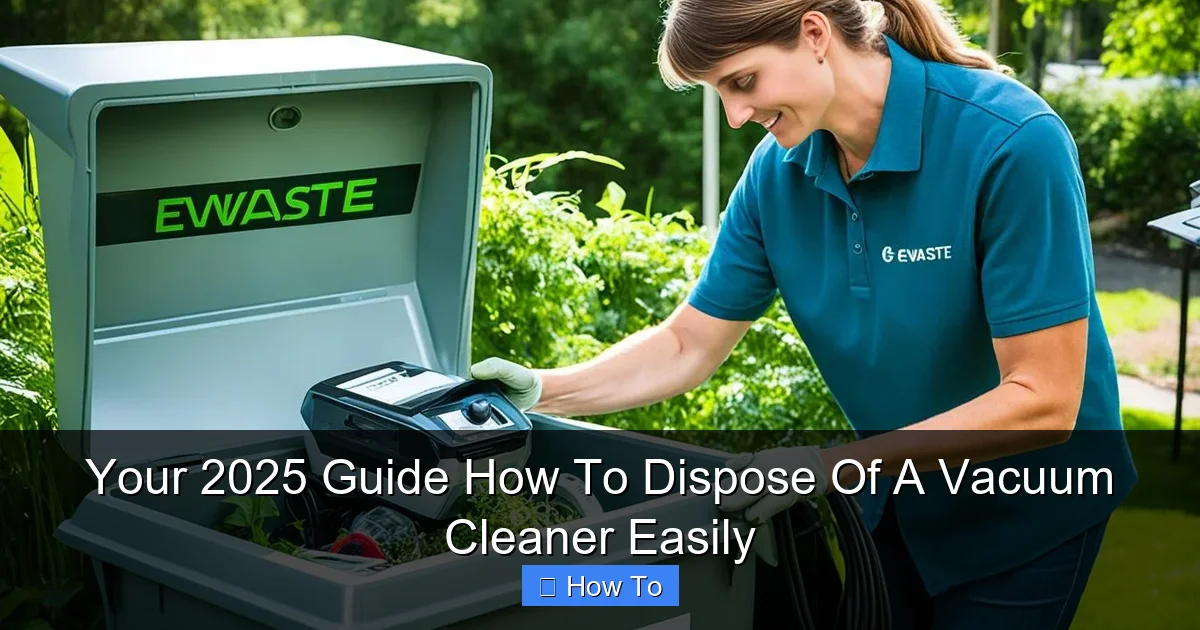
Visual guide about Your 2025 Guide How To Dispose Of A Vacuum Cleaner Easily
Image source: vacmasterguide.com
2.2 Remove Detachable Parts and Accessories
Take off any hoses, wands, attachments, or power cords that can be easily detached. Sometimes these parts are still useful even if the main unit isn’t. You might keep them as spares for a future vacuum of the same brand or even offer them for free online to someone who needs a specific part.
2.3 Remove Batteries (If Applicable)
Cordless vacuum cleaners are very popular in 2025, and these contain rechargeable lithium-ion batteries. These batteries should *always* be removed if possible and recycled separately, as they are considered hazardous waste and can pose a fire risk if not handled correctly. Look for a battery recycling drop-off point, often found at electronics stores or dedicated recycling centers.
Step 3: Explore Eco-Friendly Disposal Options
Now that your vacuum is prepped, let’s look at the best ways to dispose of a vacuum cleaner responsibly. Landfills should be your absolute last resort.
3.1 Donate Working Vacuums
If your vacuum is still in good, working condition (even if it’s not perfect), consider donating it. This is an excellent way to give it a second life and help someone in need.
- Charity Organizations: Many charities, such as Goodwill, Salvation Army, or local thrift stores, accept working small appliances. Check their websites or call ahead to confirm their current donation policies.
- Community Centers & Shelters: Local community centers, women’s shelters, or homeless shelters might be in need of functional vacuum cleaners.
- Online Freebies: Websites and apps like Freecycle, Nextdoor, or local Facebook Marketplace groups are great places to offer items for free. Someone nearby might be thrilled to take your working vacuum off your hands.
3.2 Sell or Give Away for Parts
Even if your vacuum is broken, parts of it might still be valuable. The motor, specific attachments, or housing components could be useful to someone looking to repair their own vacuum of the same model. List it on eBay, Facebook Marketplace, or local classifieds as “for parts or repair.”
3.3 Recycle as E-Waste
This is often the best option for non-working vacuum cleaners. Vacuum cleaners fall under the category of e-waste (electronic waste) because they contain a mix of metals, plastics, and circuit boards. Proper e-waste recycling ensures these materials are recovered and processed safely, preventing them from ending up in landfills.
- Municipal Recycling Centers: Many cities and counties operate their own recycling centers that accept e-waste and small appliances. Some may have specific drop-off days or locations.
- Private E-Waste Recyclers: There are private companies specializing in electronics recycling. A quick online search for “e-waste recycling near me” in 2025 will likely reveal several options.
- Retailer Take-Back Programs: As of 2025, an increasing number of electronics retailers (e.g., Best Buy, Staples) offer in-store recycling programs for small appliances, often for free. Check with major appliance retailers in your area.
- Manufacturer Programs: Some vacuum cleaner brands have their own take-back programs. Visit your vacuum cleaner manufacturer’s website (e.g., Dyson, Shark, Bissell) to see if they offer recycling services for their products.
Step 4: Navigate Local Regulations and Resources
Disposal rules can vary significantly from one municipality to another. It’s essential to check your local guidelines to ensure you dispose of a vacuum cleaner correctly.
4.1 Consult Your Local Waste Management Authority
Your city or county’s waste management website is your go-to resource. Look for sections on “bulky item disposal,” “e-waste recycling,” or “household hazardous waste.” They will provide specific instructions, drop-off locations, collection schedules, and any associated fees for how to dispose of a vacuum cleaner.
- Curbside Pick-up: Some areas offer bulky item pick-up services. You might need to schedule it in advance and there could be a fee.
- Designated Drop-off Events: Many communities host special collection events for e-waste or hard-to-recycle items a few times a year. Keep an eye on your local waste calendar.
4.2 Utilize Online Recycling Locators
Websites like Earth911.com are invaluable tools for finding recycling centers near you for specific items, including vacuum cleaners. Simply enter your zip code and the item you want to dispose of, and it will list local options. Other apps and services are also emerging in 2025 to help connect you with appropriate recycling facilities.
4.3 Ask Your HOA or Apartment Management
If you live in a managed community, your homeowner’s association or apartment complex management might have specific guidelines or resources for disposing of bulky items or e-waste. They might even arrange communal pick-ups.
Step 5: Specific Disposal Methods – Step-by-Step
Let’s break down the actual process for the most common disposal methods.
5.1 Drop-off at a Recycling Center
This is often the most straightforward method for non-working units.
- Locate a Center: Use your local waste authority website or Earth911 to find an e-waste or small appliance recycling center.
- Confirm Acceptance: Call ahead or check their website to confirm they accept vacuum cleaners and if there are any fees or specific preparation requirements.
- Transport Your Vacuum: Safely load your prepped vacuum cleaner into your vehicle.
- Drop-off: Follow the center’s instructions for drop-off, which may involve placing it in a designated bin or handing it to staff.
5.2 Using a Retailer Take-Back Program
Convenient if you’re already going to the store.
- Check Retailers: Confirm which major electronics or appliance retailers in your area (e.g., Best Buy, Staples, Target) have take-back programs that include vacuum cleaners.
- Review Requirements: Some retailers might require you to purchase a new item from them, or they might charge a small fee for recycling.
- Bring to Store: Take your prepped vacuum cleaner to the customer service desk or designated recycling area.
5.3 Scheduling a Bulky Item Pick-up
Ideal if you can’t transport the vacuum yourself.
- Contact Waste Management: Get in touch with your local municipal waste collection service.
- Schedule Pick-up: Inquire about bulky item pick-up services. You’ll likely need to schedule a specific date.
- Understand Fees: Ask about any associated costs. Some areas offer a few free bulky item pick-ups per year, while others charge for each item.
- Prepare for Curbside: On the scheduled day, place your prepped vacuum cleaner at the curb according to their instructions (e.g., specific time, placement).
Troubleshooting Common Disposal Challenges
Sometimes, finding the right way to dispose of a vacuum cleaner isn’t straightforward.
What if I can’t find an e-waste recycler near me?
If dedicated e-waste facilities are scarce, broaden your search. Check if local universities, community colleges, or vocational schools have electronics recycling events or programs. Sometimes, scrap metal yards will accept components, but ensure they are equipped to handle e-waste safely, not just metal.
My vacuum is too large or heavy for my car.
If local drop-off isn’t feasible due to size, your best bet is to inquire about municipal bulky item pick-up services. Alternatively, you could rent a small moving truck or ask a friend with a larger vehicle for help. Some junk removal services will also take old appliances, though this typically comes with a fee.
I live in a remote area with limited options.
For those in rural areas, options can be more challenging. Focus on regional waste transfer stations that might serve multiple counties. Attend any periodic county-wide collection events for hazardous waste or e-waste. As a last resort, if proper recycling isn’t available, check with your landfill if they have a designated area for appliances (sometimes called “white goods”) separate from general trash, even if it’s not full e-waste recycling.
Conclusion: Dispose of a Vacuum Cleaner Responsibly in 2025
Disposing of a vacuum cleaner doesn’t have to be a mystery or a chore. By taking a few extra steps, you can ensure your old cleaning appliance is handled in an environmentally responsible way, protecting our planet and conserving valuable resources.
Remember, the key is to assess its condition first, prepare it properly, and then explore the various eco-friendly options available in 2025—from donation and resale to specialized e-waste recycling and manufacturer take-back programs. Always check your local regulations, as they are your best source of information for precise disposal methods in your area.
Thank you for making the effort to dispose of your vacuum cleaner thoughtfully and responsibly. Every little bit helps create a cleaner, greener future for us all!
🎥 Related Video: How to Safely Dispose of Robotic Vacuum Cleaners – Keep Your Home & Planet Clean
📺 ECER, Inc.
Robotic vacuums make cleaning effortless, but when they stop working or you upgrade, these smart devices can quickly become …