
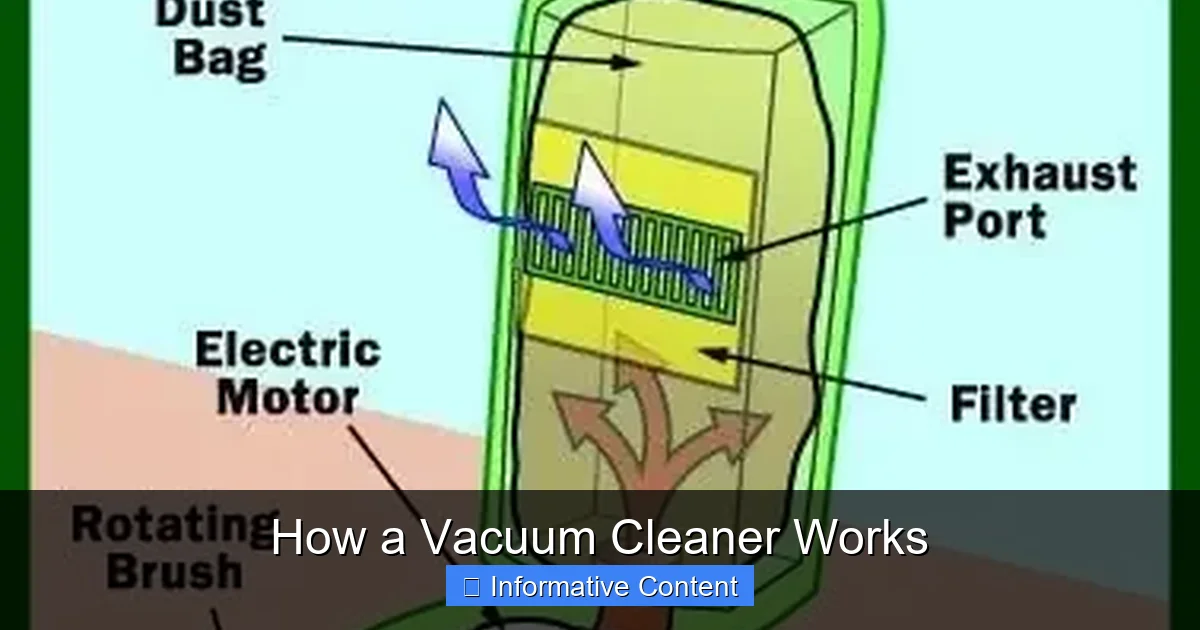
A vacuum cleaner works by creating a powerful suction force, which is essentially a difference in air pressure. Inside, an electric motor spins a fan at high speed, pushing air out and creating a partial vacuum. This lower pressure inside the vacuum causes higher atmospheric pressure outside to push air, along with dirt and debris, into the cleaning head and through the system, trapping particles in a bag or canister while expelling cleaner air. It’s a clever combination of mechanics and physics that keeps our homes tidy!
There’s something wonderfully satisfying about a freshly vacuumed floor, isn’t there? That feeling of clean, the distinct carpet lines, and the knowledge that dust bunnies are no more. But have you ever stopped to think about the magic happening inside that whirring machine? We often take these everyday marvels for granted, yet the science behind how a vacuum cleaner works is a fascinating blend of physics and engineering. It’s not just “sucking things up;” it’s a carefully orchestrated dance of air pressure, motors, and filtration.
Imagine your vacuum cleaner as a miniature tornado creator, but one that tidies up instead of making a mess. It’s designed to scoop up everything from dust and crumbs to pet hair and tiny debris, all while leaving the air around you cleaner. Understanding the inner workings can not only satisfy your curiosity but also help you choose the right vacuum and maintain it properly for years of reliable service. Let’s peel back the layers and explore the ingenious process that transforms a dusty room into a pristine living space.
Key Takeaways
- Suction is Key: A vacuum cleaner works by creating a negative air pressure difference inside its cleaning head, causing higher outside atmospheric pressure to push air and dirt into the machine.
- Motor and Fan are the Heart: An electric motor powers a spinning fan (impeller) that displaces air, creating the necessary low-pressure zone for suction.
- Dirt’s Journey: Debris enters through the nozzle, often agitated by a brush roll, travels through the hose, and is then separated from the airflow into a collection bag or dustbin.
- Filtration is Crucial: Multiple filters (pre-motor, post-motor, HEPA) capture fine dust, allergens, and other particles, ensuring that only clean air is exhausted back into your home.
- Types for Every Need: Vacuum cleaners come in various designs like upright, canister, handheld, and robotic, each optimized for different cleaning tasks and surfaces.
- Regular Maintenance Matters: Proper care, including emptying dustbins, cleaning/replacing filters, and checking for blockages, ensures your vacuum cleaner maintains optimal suction and efficiency.
Quick Answers to Common Questions
How does a vacuum cleaner create suction?
A vacuum cleaner creates suction by using an electric motor to spin a fan (impeller) at high speed. This fan pushes air out through an exhaust port, creating a lower air pressure zone inside the vacuum. The higher atmospheric pressure outside then pushes air, along with dirt, into this low-pressure area.
What is the purpose of the brush roll (agitator)?
The brush roll, or agitator, is a spinning brush with stiff bristles located in the vacuum’s cleaning head. Its purpose is to physically dislodge stubborn dirt, dust, and pet hair from carpets and cracks in hard floors, lifting them into the path of the vacuum’s suction.
Why are filters important in a vacuum cleaner?
Filters are crucial because they trap dust, allergens, and other microscopic particles, preventing them from being expelled back into the air of your home. They ensure that only clean air is exhausted, improving indoor air quality and protecting the vacuum’s motor.
What is cyclonic separation in bagless vacuums?
Cyclonic separation is a technology used in bagless vacuums where dirt-laden air is spun rapidly in a dustbin. Centrifugal force pushes heavier dirt particles to the outer walls of the bin, causing them to fall to the bottom, while lighter air continues towards the filters.
How often should I clean or replace my vacuum’s filters?
The frequency depends on the filter type and usage, but generally, washable pre-motor filters should be cleaned monthly, and post-motor/HEPA filters should be checked or replaced every 6-12 months. Always refer to your vacuum cleaner’s specific user manual for precise recommendations.
📑 Table of Contents
The Core Principle: Suction Power
At the heart of every vacuum cleaner’s operation lies a fundamental concept of physics: air pressure. Many people think a vacuum cleaner “sucks” dirt. While that’s how it feels, it’s more accurate to say that it creates a partial vacuum (a zone of lower pressure) inside itself. It’s the higher atmospheric pressure outside the vacuum that does the pushing.
The Airflow Journey
Think about a straw. When you suck on a straw, you reduce the air pressure inside it. The higher atmospheric pressure on the surface of your drink then pushes the liquid up the straw and into your mouth. A vacuum cleaner operates on a very similar principle, but on a much larger and more powerful scale. Inside the vacuum, a high-speed fan moves air, creating a low-pressure area. This low-pressure area then pulls in the surrounding higher-pressure air from the room, and with it, all the loose dirt and debris from your floors.
Atmospheric Pressure’s Role
Our planet is constantly surrounded by a blanket of air, and this air exerts pressure on everything, including us and your floors. This is called atmospheric pressure. When the vacuum cleaner creates its low-pressure zone, it disrupts this balance. The higher pressure air outside rushes in to equalize the pressure. This rush of air is what we call suction. It’s a powerful force, strong enough to lift dust, crumbs, and even heavier particles off surfaces and into the vacuum’s collection system. So, when you see your vacuum cleaner effortlessly gobbling up dirt, remember it’s atmospheric pressure doing most of the heavy lifting!
The Mighty Motor and Fan: The Heartbeat of Your Vacuum
The magic of creating that crucial pressure difference begins with two key components: the electric motor and the fan (also known as an impeller). These two parts work in tandem to drive the entire cleaning process, making them indispensable to how a vacuum cleaner works.
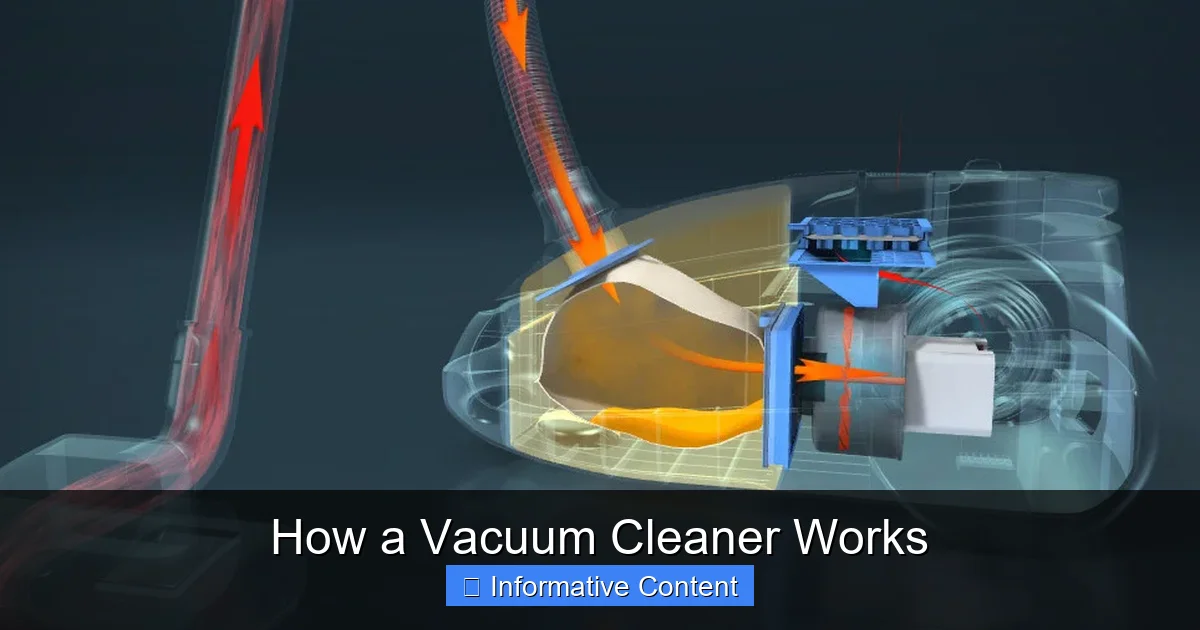
Visual guide about How a Vacuum Cleaner Works
Image source: mozaweb.com
Types of Motors
Most modern vacuum cleaners use a universal motor. These motors are compact, powerful, and can operate on both alternating current (AC) and direct current (DC), making them versatile for household appliances. When you switch on your vacuum, electricity flows to this motor, causing it to spin at incredibly high speeds—often tens of thousands of revolutions per minute! Some industrial or specialized vacuums might use induction motors, known for their durability, but universal motors are the workhorses of residential cleaning.
Impeller Design and Function
Attached directly to the motor’s shaft is the fan, or impeller. This isn’t just any fan; it’s specifically designed with blades that are angled and shaped to efficiently move large volumes of air. As the motor spins the impeller, the blades rotate rapidly, pushing air out through an exhaust port. This expulsion of air creates the low-pressure zone on the opposite side of the fan. It’s this rapid displacement of air that initiates the entire suction process. The more powerful the motor and the more efficiently designed the impeller, the stronger the vacuum’s suction will be. Think of it like a miniature jet engine, but instead of propelling an airplane, it’s propelling dirt into a dustbin!
The Path of Debris: From Nozzle to Canister
Once the suction is created, the next step is to guide the dirt into the vacuum and contain it. This journey involves several crucial stages, each designed to efficiently capture and separate debris from the airflow. Understanding this path helps us grasp the full picture of how a vacuum cleaner works.
The Nozzle and Agitator (Beater Bar)
The first point of contact between your vacuum and the dirt is the cleaning head, specifically the nozzle. This is where the concentrated suction force is applied to the floor. Many vacuum cleaners, especially upright and stick models designed for carpets, feature an agitator or “beater bar” located within the nozzle. This is a rotating brush roll with stiff bristles that spin rapidly. Its purpose is to physically dislodge stubborn dirt, dust, and pet hair from carpet fibers or cracks in hard floors, lifting them into the path of the powerful airflow. Without this agitation, much of the deeply embedded dirt would simply stay put, untouched by suction alone. For hard floors, some vacuums have softer brush rolls or simply rely on suction.
The Hose and Air Pathway
After being lifted by the suction and often agitated by the brush roll, the dirt and air mixture travels through a wide, flexible hose or an internal pathway. This pathway is carefully designed to be as smooth and unobstructed as possible to maintain maximum airflow velocity. Any kinks or blockages in this hose can significantly reduce suction power, which is why checking for obstructions is a common vacuum cleaner troubleshooting step. The debris-laden air moves swiftly through this channel, heading towards the collection system.
Cyclonic Separation and Collection (Bag vs. Bagless)
This is where the dirt is finally separated from the air. There are primarily two methods: bags or bagless cyclonic separation.
- Bagged Systems: In bagged vacuums, the dirt and air enter a disposable bag made of porous material. The air passes through the bag, while the larger dirt particles are trapped inside. The bag acts as a primary filter, keeping the motor and other filters cleaner for longer. When the bag is full, you simply remove and replace it.
- Bagless (Cyclonic) Systems: Modern bagless vacuums utilize cyclonic technology. As the dirt-laden air enters the dustbin, it’s directed into a rapidly spinning vortex, similar to a mini-tornado. The centrifugal force generated by this spinning action throws heavier dirt particles and debris outwards, against the walls of the dustbin. These heavier particles then lose momentum and fall to the bottom of the bin, while the lighter, finer dust and air continue towards the filters. This multi-stage separation is highly efficient at removing dirt without the need for disposable bags, though the dustbin needs to be emptied regularly.
Filtration: Keeping the Air Clean
Capturing the dirt is only half the battle; ensuring that clean air is returned to your home is equally important. This is where the vacuum cleaner’s sophisticated filtration system comes into play. Filters are essential for a complete understanding of how a vacuum cleaner works effectively.
Pre-Motor Filters
These filters are strategically placed before the motor. Their primary job is to protect the motor from larger dust and debris that might have made it past the initial collection stage. Keeping the motor clean prevents damage and prolongs the vacuum’s lifespan. Pre-motor filters can be made of foam, felt, or pleated paper. Many are washable and reusable, saving you money and reducing waste, but they do require regular cleaning to prevent airflow restriction.
Post-Motor Filters (HEPA)
After the air passes through the motor and has been largely stripped of its dirt, it goes through the post-motor filter before being exhausted back into the room. This is the last line of defense. High-Efficiency Particulate Air (HEPA) filters are the gold standard here. HEPA filters are designed to capture at least 99.97% of airborne particles 0.3 micrometers (µm) in diameter. To give you some perspective, a single grain of fine sand is about 90 micrometers, and many allergens like pollen, pet dander, and dust mite debris are much smaller. HEPA filters effectively trap these microscopic irritants, making them a crucial feature for allergy sufferers or anyone concerned about indoor air quality. Non-HEPA post-motor filters still perform a valuable function by trapping remaining fine dust, but not to the same exacting standards.
The Bag vs. Bagless Debate Revisited
The choice between bagged and bagless vacuums often comes down to personal preference, but filtration plays a role. Bagged vacuums often have their bag act as a significant pre-motor filter, meaning less fine dust reaches the internal filters. This can lead to less frequent cleaning or replacement of internal filters. Bagless vacuums, while convenient for not needing bags, rely heavily on their pre-motor and post-motor filters, which therefore require more frequent cleaning or replacement to maintain efficiency and suction. When considering how a vacuum cleaner works, the filtration system is often the unsung hero, silently protecting your home environment.
Beyond the Basics: Different Vacuum Types and Features
While the core principles remain the same, vacuum cleaners come in a dizzying array of shapes and sizes, each optimized for different tasks and user preferences. Exploring these variations helps illustrate the versatility of how a vacuum cleaner works across various designs.
Upright vs. Canister
These are the two most traditional types.
- Upright Vacuums: These are often favored for their powerful brush rolls, making them excellent for deep cleaning carpets. They store the motor, collection system, and cleaning head in a single unit. They are generally easy to store and maneuver on large carpeted areas but can be heavier and less agile for stairs or tight spaces.
- Canister Vacuums: These consist of a separate canister (housing the motor and collection system) connected by a flexible hose to a cleaning wand and various attachments. They are typically lighter to handle, more versatile for cleaning bare floors, upholstery, curtains, and stairs, and can reach into tighter spots. However, they might require a bit more effort to store and maneuver across large carpeted areas compared to an upright.
Robotic and Handheld Convenience
- Robotic Vacuums: These are the ultimate in hands-free cleaning. Equipped with sensors, mapping technology, and often Wi-Fi connectivity, they navigate your home autonomously, picking up daily dust and debris. They use smaller motors and brush rolls but run frequently to maintain cleanliness. While they don’t replace the deep clean of a full-sized vacuum, they are fantastic for maintenance.
- Handheld Vacuums: Compact and cordless, handheld vacuums are perfect for quick clean-ups, spills, car interiors, and upholstery. They operate on the same principle but with smaller motors and collection capacities, offering maximum portability and convenience.
Specialized Attachments for Every Job
Most vacuums come with a range of attachments that extend their versatility.
- Crevice Tool: A long, narrow nozzle designed to reach into tight corners, between sofa cushions, and along baseboards.
- Dusting Brush: A soft-bristled brush used for delicate surfaces like lampshades, blinds, and bookshelves, preventing scratches while dusting.
- Upholstery Tool: Often wider than a crevice tool and sometimes with a lint strip, it’s ideal for cleaning furniture, curtains, and mattresses.
- Pet Hair Tool: Some models feature specialized turbine or motorized tools with rubberized strips or mini brush rolls to effectively lift pet hair from fabric.
These attachments show that a vacuum cleaner works not just on floors, but on almost any surface in your home.
Maintenance Tips for Optimal Performance
Even the most advanced vacuum cleaner needs a little TLC to keep working its best. Regular maintenance is crucial to ensure efficient suction, prolong its lifespan, and keep the air in your home truly clean. Neglecting these simple steps can significantly impact how a vacuum cleaner works over time.
Emptying and Cleaning the Collection System
Whether your vacuum is bagged or bagless, timely emptying is paramount.
- For Bagged Vacuums: Don’t wait until the bag is bursting at the seams. A full bag restricts airflow, dramatically reducing suction power. Change the bag when it’s about two-thirds full, or if you notice a drop in performance.
- For Bagless Vacuums: Empty the dustbin after every few uses, or when the dirt level reaches the “max fill” line. If you’ve picked up a lot of fine dust, emptying it more frequently is a good idea. Wash the dustbin with soap and water periodically if it’s getting grimy, ensuring it’s completely dry before reassembling.
Filter Care
Filters are the lungs of your vacuum, and clean lungs mean better performance and cleaner air.
- Pre-Motor Filters: Check these regularly, typically once a month or more if you vacuum frequently or have pets. If washable, rinse them under cool water until the water runs clear. Allow them to air dry completely (usually 24-48 hours) before putting them back. Never put a damp filter into your vacuum, as this can damage the motor. If non-washable, tap them gently to dislodge dust, or replace them as per the manufacturer’s recommendations.
- Post-Motor/HEPA Filters: These generally require less frequent attention than pre-motor filters. Some are washable, while others are sealed and require replacement. Consult your vacuum’s manual for specific instructions. HEPA filters are vital for air quality, so ensure they are maintained or replaced as recommended, usually every 6-12 months.
Checking for Blockages and Clearing the Brush Roll
A common culprit for reduced suction is a blockage.
- Hose and Nozzle: Periodically detach the hose and check for any lodged debris like socks, toys, or large clumps of hair. A broom handle or a long stick can help dislodge stubborn blockages.
- Brush Roll: Hair, strings, and carpet fibers can get tangled around the brush roll, preventing it from spinning effectively or at all. Turn off and unplug the vacuum, then use scissors to carefully cut and remove any tangled material. A clean brush roll means better agitation and more effective dirt removal.
- Belt Check: If your brush roll isn’t spinning, check the drive belt that connects it to the motor. Belts can wear out, stretch, or break and will need to be replaced.
By keeping these simple maintenance tips in mind, you’ll ensure your vacuum cleaner works efficiently and continues to be a powerful ally in keeping your home spotless.
So, the next time you power up your vacuum, take a moment to appreciate the ingenious engineering at play. From the powerful motor spinning the fan to create that essential suction, to the intricate filtration system that purifies the air, every component works in harmony. Understanding how a vacuum cleaner works not only demystifies an everyday appliance but also empowers you to choose the right model and maintain it effectively, ensuring your home remains a haven of cleanliness. Happy vacuuming!
Frequently Asked Questions
What causes a vacuum cleaner to lose suction?
Loss of suction is commonly caused by a full dustbin or bag, clogged filters, blockages in the hose or nozzle, or tangled debris on the brush roll. A worn-out drive belt (if applicable) can also prevent the brush roll from spinning, reducing cleaning effectiveness.
Are HEPA filters really necessary for everyone?
While not strictly “necessary” for everyone, HEPA filters are highly beneficial, especially for allergy sufferers, asthmatics, or households with pets. They capture a significant percentage of microscopic allergens and irritants, contributing to much cleaner indoor air quality.
Can I wash all vacuum cleaner filters?
No, not all vacuum cleaner filters are washable. Some are designed for rinsing under water, while others are made of paper or sealed material and must be tapped clean or replaced. Always check your vacuum cleaner’s user manual to determine if your specific filters are washable.
What is the difference between an upright and a canister vacuum?
An upright vacuum has its motor and collection system in a single unit, making it great for carpets but potentially heavier. A canister vacuum has a separate canister for the motor/collection and a flexible hose with a cleaning wand, offering more versatility for various surfaces and tight spaces.
How often should I empty my bagless vacuum’s dustbin?
It’s best to empty your bagless vacuum’s dustbin after every few uses or when the dirt reaches the “max fill” line. This maintains optimal suction power and prevents the motor from working harder than necessary.
Why does my vacuum smell bad when I use it?
A bad smell usually indicates that there’s trapped dirt, pet hair, or mold/mildew within the vacuum cleaner itself. This could be in a full bag/dustbin, clogged filters, a dirty brush roll, or even something rotting inside the hose. Regular cleaning of all components can prevent these odors.