
Maximize your Dyson vacuum’s versatility and cleaning power by understanding and effectively using its specialized attachments. This comprehensive guide will walk you through Dyson vacuum cleaner attachments how to use them, transforming your cleaning routine and tackling everything from stubborn pet hair to intricate corners with ease. Discover the right tool for every task to achieve a truly spotless home.
Hey there, fellow clean freak (or aspiring clean freak)! If you’ve invested in a Dyson vacuum cleaner, you’ve already made a fantastic choice for keeping your home spotless. But here’s the secret sauce that truly unlocks its magic: the attachments. Many people use their Dyson for basic floor cleaning and nothing else, completely missing out on the incredible versatility these machines offer. Think of your Dyson as a superhero, and its attachments are its utility belt – each one designed for a specific superpower.
You might be wondering, “Okay, I have this bag of extra bits, but what are they all for? And exactly how do I use Dyson vacuum cleaner attachments effectively?” You’re in the right place! This guide is designed to be your friendly, comprehensive walkthrough, helping you understand each attachment’s purpose and showing you exactly how to use Dyson vacuum cleaner attachments to conquer every nook, cranny, and surface in your home. Get ready to transform your cleaning routine from a chore into a highly efficient, satisfying experience.
From pet hair to cobwebs, delicate surfaces to stubborn grime, understanding your Dyson vacuum cleaner attachments and how to use them will not only make your cleaning more effective but also faster and less frustrating. We’ll dive deep into the world of Dyson tools, exploring everything from the everyday essentials to those specialized problem-solvers you might not even know you need. So, let’s grab your Dyson and get ready to clean smarter, not harder!
Key Takeaways
- Understanding Each Tool’s Purpose: Every Dyson attachment is designed for a specific cleaning task, from floors to upholstery, ensuring optimal performance when used correctly.
- Seamless Attachment Switching: Dyson attachments are designed for easy, click-in/click-out functionality, allowing you to transition between cleaning tasks effortlessly.
- Mastering Common Attachments: Learn the best practices for using popular tools like the Combination Tool, Crevice Tool, Soft Dusting Brush, and Motorbar™ cleaner head for daily and specific cleaning needs.
- Leveraging Specialized Tools: Discover how unique attachments such as the Hair Screw Tool, Up-top Adapter, and Mattress Tool can revolutionize pet hair removal, high-reach cleaning, and deep mattress hygiene.
- Optimizing Cleaning Efficiency: Using the right attachment not only cleans more effectively but also saves time and effort, preventing potential damage to surfaces.
- Maintenance for Longevity: Regularly cleaning and properly storing your Dyson vacuum cleaner attachments ensures they remain in top condition and perform optimally for years to come.
Quick Answers to Common Questions
How do I attach and remove Dyson vacuum cleaner attachments?
Simply press the red release button located on the attachment or the end of the wand. Pull to detach. To attach a new tool, align it with the opening and push firmly until you hear a click, indicating it’s securely locked.
Can I wash all Dyson attachments?
No, only non-electrical attachments like the crevice tool or combination tool can be washed in warm, soapy water. Motorized or electrical attachments (like the Hair Screw Tool or cleaner heads) should only be wiped clean with a damp cloth, never submerged in water.
Which attachment is best for pet hair on upholstery?
The Hair Screw Tool (formerly Mini Motorized Tool) is specifically designed with a conical, motorized brush bar to effectively pick up pet hair and long hair from upholstery and stairs without tangling.
Why isn’t my Dyson attachment picking up dirt?
Check for blockages within the attachment or the wand. Ensure the attachment is securely clicked into place and that your vacuum’s bin isn’t full and its filter is clean. Sometimes, the suction mode might be too low for the task.
Is there an attachment for dusting delicate surfaces like electronics?
Yes, the Soft Dusting Brush is ideal for this. Its fine, soft bristles gently agitate dust while the vacuum sucks it away, preventing scratches on delicate items and electronics.
📑 Table of Contents
- Unlocking Your Dyson’s Full Potential: Why Attachments Matter
- Essential Dyson Vacuum Cleaner Attachments and How to Use Them
- Specialized Attachments for Specific Cleaning Challenges
- Mastering Attachment Usage: Tips for Optimal Cleaning
- Maximizing Your Dyson’s Power: Beyond Just Cleaning
- Troubleshooting and Maintenance: Keeping Your Attachments in Top Shape
Unlocking Your Dyson’s Full Potential: Why Attachments Matter
Your Dyson vacuum cleaner is a powerful piece of engineering, but its true genius lies in its adaptability. Without the right attachment, you’re essentially trying to cut a steak with a spoon – it might work eventually, but it’s far from ideal. Dyson attachments aren’t just add-ons; they are extensions of the vacuum’s core power, precision-engineered to deliver optimal suction and cleaning performance for specific materials and spaces.
The Science Behind Dyson Attachments
Dyson doesn’t just make a brush; they design a specific tool. Each attachment considers airflow dynamics, surface contact, and debris type. For instance, a soft dusting brush is engineered to gently pick up dust without scratching delicate surfaces, while a direct-drive cleaner head is built to agitate carpets and dig out embedded dirt. Knowing this helps you appreciate the design and understand why using the correct attachment is crucial for both cleaning effectiveness and protecting your belongings.
Beyond the Floor: The Versatility Factor
Most people associate vacuum cleaners primarily with floors. While Dyson excels there, its true superpower is its ability to clean virtually every surface in your home. Curtains, upholstery, mattresses, car interiors, high shelves, tight corners – all become accessible and cleanable with the right Dyson vacuum cleaner attachments. Learning how to use Dyson vacuum cleaner attachments opens up a world of cleaning possibilities, turning your single vacuum into a multi-functional cleaning system.
Essential Dyson Vacuum Cleaner Attachments and How to Use Them
Let’s start with the workhorses – the attachments you’ll likely use most often. These often come standard with your Dyson and are indispensable for daily cleaning tasks. Understanding how to use Dyson vacuum cleaner attachments that are most common will set you up for success.
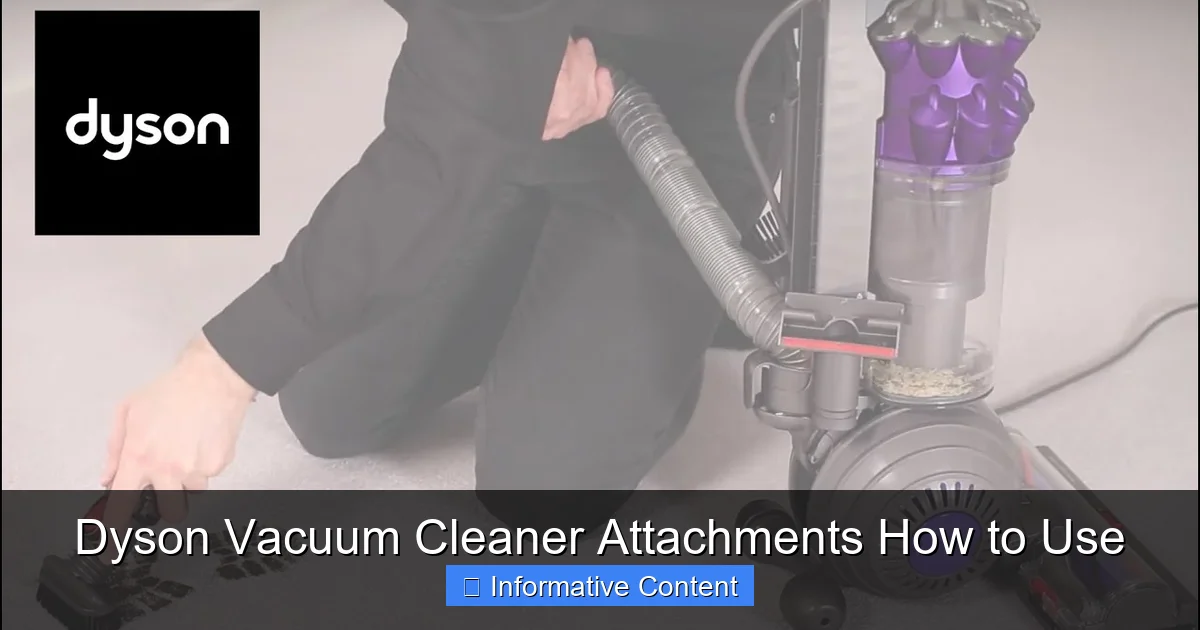
Visual guide about Dyson Vacuum Cleaner Attachments How to Use
Image source: i.ytimg.com
The Combination Tool (Brush + Wide Nozzle)
- What it is: This is usually a two-in-one tool. It has a wide nozzle for general vacuuming and a brush that slides down to reveal softer bristles.
- How to use:
- As a wide nozzle: Perfect for larger debris, dusting shelves, cleaning computer keyboards, or quick touch-ups on hard surfaces. Its wider mouth efficiently picks up crumbs and dust.
- With the brush extended: Ideal for more delicate tasks like dusting blinds, lamp shades, picture frames, or even your car’s dashboard. The soft bristles agitate dust for easier removal without scratching.
- Pro Tip: Don’t forget to push the brush back up when you need the stronger suction of the wide nozzle for larger debris. It’s truly one of the most versatile Dyson vacuum cleaner attachments.
The Crevice Tool
- What it is: A long, thin nozzle designed to reach into narrow gaps and tight spaces.
- How to use:
- Deep corners: Excellent for cleaning along baseboards, between sofa cushions, in car crevices, or the edges of stairs.
- Tight spots: Perfect for getting into those awkward areas where dust and crumbs love to hide, like behind radiators or under appliances.
- Pro Tip: For extra reach, some Dyson models allow you to attach the crevice tool directly to the wand, extending its reach even further for high-up cobwebs or behind heavy furniture. When considering Dyson vacuum cleaner attachments how to use them for precision, this is key.
The Upholstery Tool (or Stair Tool)
- What it is: A flat, wide nozzle, sometimes with velour strips or a bristled edge, designed to pick up hair and debris from fabric surfaces.
- How to use:
- Furniture: Glide it over sofas, armchairs, and dining chairs to remove crumbs, dust, and pet hair.
- Stairs: Its flat profile makes it great for cleaning carpeted stairs, getting into the corners and edges efficiently.
- Mattresses: While there’s a dedicated mattress tool, this can be a good substitute for general mattress vacuuming.
- Pro Tip: For stubborn pet hair, use short, overlapping strokes, applying gentle pressure. For optimal results on fabric, learn how to use Dyson vacuum cleaner attachments specifically designed for pet hair, too.
The Soft Dusting Brush
- What it is: A round brush with fine, soft bristles, specifically designed for delicate surfaces.
- How to use:
- Delicate items: Dust bookshelves, delicate ornaments, electronics, lampshades, and even plants without scratching or damaging them.
- Ceiling fans: Gently brush dust off fan blades while the vacuum sucks it away.
- Pro Tip: Use a light touch. The suction does the work, not brute force. This is one of the Dyson vacuum cleaner attachments that truly protects your belongings.
The Hard Floor Tool (or Fluffy Optic™/Soft Roller Cleaner Head)
- What it is: A wider cleaner head with a soft, often fluffy roller bar, designed to gently pick up fine dust and large debris from hard floors without scratching. Many newer models have the Fluffy Optic™ head with illumination.
- How to use:
- Hardwood, tile, laminate: Glide it across your hard floors. The soft roller captures everything from fine dust to larger crumbs.
- Illumination (Fluffy Optic™): The green light reveals invisible dust, making sure you don’t miss a spot.
- Pro Tip: Unlike motorized brush bars for carpet, this tool is gentle and won’t scatter larger debris. When thinking about Dyson vacuum cleaner attachments how to use them on hard floors, this is your go-to.
The Motorbar™ Cleaner Head (or Direct Drive/High Torque Cleaner Head)
- What it is: The main cleaner head for carpets, featuring a powerful motorized brush bar that agitates carpet fibers to dislodge deep-seated dirt and hair. Newer versions like the Motorbar™ are designed to de-tangle hair automatically.
- How to use:
- Carpets and rugs: Push and pull slowly over carpeted areas to allow the brush bar to work effectively.
- Automatic detangling (Motorbar™): The polycarbonate vanes automatically clear hair from the brush bar, reducing maintenance.
- Pro Tip: For very dirty areas or deep pile carpets, go over the same spot multiple times from different directions. Adjust suction power if available on your model for different carpet types. This is one of the crucial Dyson vacuum cleaner attachments for carpeted homes.
Specialized Attachments for Specific Cleaning Challenges
Dyson offers a range of more specialized tools to tackle unique cleaning dilemmas. These are often game-changers once you understand their purpose and how to use Dyson vacuum cleaner attachments that are a bit more niche.
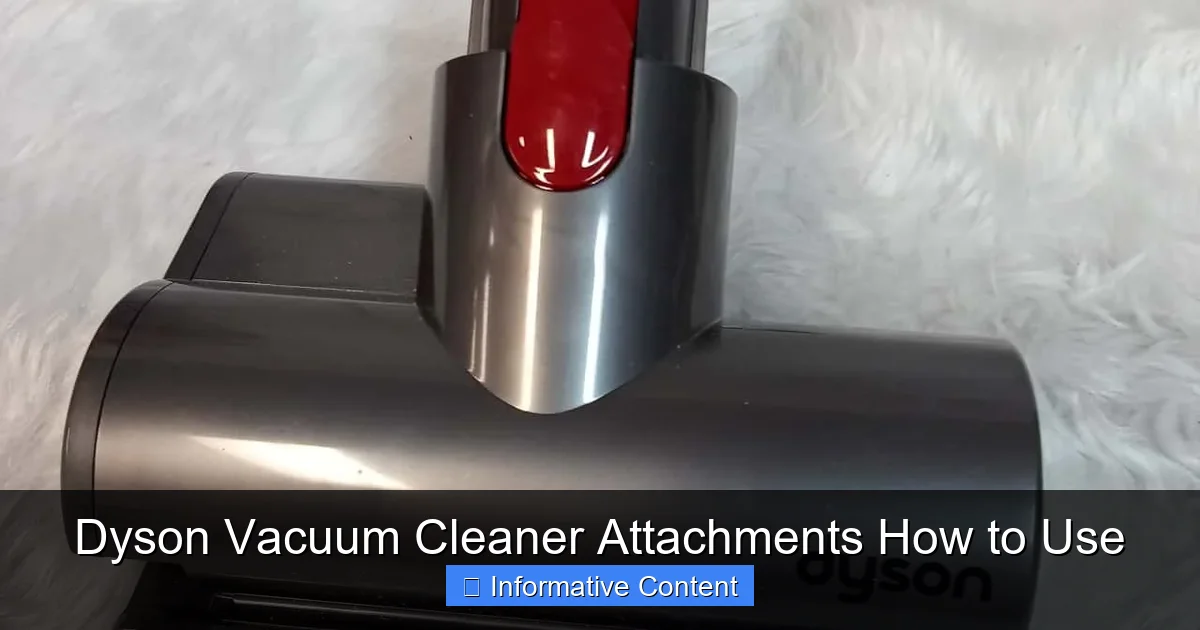
The Hair Screw Tool (formerly Mini Motorized Tool)
- What it is: A compact, conical, motorized brush bar (often helix-shaped) specifically designed to pick up long hair and pet hair from upholstery and tight spaces without tangling.
- How to use:
- Pet beds and furniture: Absolutely brilliant for removing stubborn pet hair from fabric. The conical brush prevents hair from wrapping around it.
- Car interiors: Excellent for cleaning car seats and floor mats where hair and dirt accumulate.
- Stairs: Works wonders on carpeted stairs, especially if you have pets.
- Pro Tip: Use short, firm strokes on fabric. The motor does the hard work, pulling hair and debris directly into the bin. This is arguably one of the most beloved Dyson vacuum cleaner attachments for pet owners.
The Flexi Crevice Tool
- What it is: An extra-long, flexible crevice tool that can bend and twist to reach truly awkward spots.
- How to use:
- Behind appliances: Reach under and behind refrigerators, washing machines, and dryers to remove dust bunnies and lint.
- Car interior gaps: Perfect for navigating around car seats and consoles to suck up hidden crumbs and dirt.
- Ventilation grilles: Can bend to clean intricate vent designs.
- Pro Tip: Don’t force it into extremely tight spaces. Let the flexibility do the work, and guide it gently.
The Up-top Adapter (or Bendy Tool)
- What it is: A hinged adapter that allows your chosen tool (like the combination tool or soft dusting brush) to pivot and lock at different angles, making it easier to clean high-up or awkward surfaces.
- How to use:
- Top of cabinets/bookcases: Attach a brush tool and angle it to reach and clean the tops of high furniture without needing a step stool.
- Ceiling fan blades: Angle it to clean the tops of fan blades more effectively.
- Pro Tip: Experiment with different angles. The ability to adjust the angle means less stretching and straining for you.
The Mattress Tool
- What it is: A wide, flat tool specifically designed to remove dust mites, allergens, and skin cells from mattresses and upholstery.
- How to use:
- Mattresses: Glide it slowly and deliberately over the entire surface of your mattress, turning it periodically.
- Pillows/duvets: Can also be used on large pillows and duvets to remove allergens.
- Pro Tip: Regularly vacuuming your mattress with this tool can significantly improve indoor air quality and reduce allergens. For a truly clean sleep environment, knowing how to use Dyson vacuum cleaner attachments like this is a game-changer.
The Pet Grooming Tool (for some older canister/upright models)
- What it is: A tool with bristles designed to groom your pet, capturing loose hair directly into the vacuum.
- How to use:
- Grooming pets: Gently brush your pet’s coat. The vacuum sucks up the loose hair as you brush, preventing it from shedding around the house.
- Pro Tip: Introduce this tool to your pet slowly and gently, allowing them to get used to the sound and sensation. Not all Dyson models are compatible with this tool, so check your specific model’s accessories.
Mastering Attachment Usage: Tips for Optimal Cleaning
Knowing what each tool does is half the battle; the other half is knowing how to use Dyson vacuum cleaner attachments efficiently and effectively. Here are some general tips.
Seamless Switching
Dyson attachments are designed for a quick-release system. Simply press the red button on the attachment or wand, pull to detach, and then push the new attachment onto the wand or directly onto the vacuum’s main body until it clicks securely into place. It should feel firm and stable.
Match the Tool to the Task
This is the golden rule! Don’t use a crevice tool to clean a whole carpet or a direct drive head on delicate curtains. The right tool not only cleans better but also prevents damage to your surfaces and makes the job easier. Always consider the surface type and the type of debris you’re trying to remove when deciding which of your Dyson vacuum cleaner attachments to use.
Work from Top to Bottom
When cleaning a room, always start from the highest points (ceiling corners, light fixtures, tops of cabinets) and work your way down. This ensures that any dust or debris you dislodge falls onto surfaces you haven’t cleaned yet, allowing you to pick it up later.
Consider Suction Power
Many Dyson models offer different suction modes (Eco, Auto, Boost/Max). Use lower suction for delicate items with the soft dusting brush and higher suction for stubborn dirt or deep carpet cleaning. Learning how to adjust your vacuum’s power settings in conjunction with your Dyson vacuum cleaner attachments can significantly improve results.
Clean Your Attachments
Just like your vacuum, attachments can get dirty. Hair, dust, and debris can build up, especially on brush tools. Periodically inspect and clean your attachments. Most can be wiped down with a damp cloth or, if they have removable brush bars, those can be cleaned more thoroughly. This ensures they remain hygienic and perform optimally.
Maximizing Your Dyson’s Power: Beyond Just Cleaning
Once you’ve mastered how to use Dyson vacuum cleaner attachments, you’ll realize your Dyson is more than just a vacuum. It’s an environmental improver. Regular, thorough cleaning with the right tools can significantly reduce allergens, dust, and pet dander in your home, leading to better air quality and a healthier living space.
Allergen Reduction
Using the Mattress Tool and Soft Dusting Brush regularly helps remove dust mites, pollen, and other allergens that settle on surfaces and fabrics. This is particularly beneficial for allergy and asthma sufferers.
Pet Hair Management
The Hair Screw Tool, Upholstery Tool, and Motorbar™ cleaner head are invaluable for homes with pets. Regular use minimizes shedding and keeps your furniture and floors free from pet hair, reducing the effort needed for constant clean-ups.
Extending the Life of Your Belongings
By using the correct Dyson vacuum cleaner attachments, you protect your delicate items from harsh cleaning methods and prevent premature wear and tear on carpets and upholstery. Gentle cleaning with the right tool ensures longevity.
Troubleshooting and Maintenance: Keeping Your Attachments in Top Shape
Even the best Dyson vacuum cleaner attachments need a little love. Here are some quick tips.
Blockages
If an attachment isn’t sucking properly, check for blockages. The narrow openings of the crevice tool or the brush bar of the Hair Screw Tool can sometimes get clogged with larger debris or tangled hair. Remove the attachment and inspect it visually, clearing any obstructions.
Cleaning Brush Bars
For tools with brush bars (like the Hair Screw Tool or Motorbar™), hair can sometimes accumulate despite detangling features. Turn off and unplug your vacuum. Use scissors or a seam ripper to carefully cut away tangled hair from the brush bar. Many Dyson brush bars are removable for easier cleaning.
Washing Attachments
Most non-electrical attachments (like the crevice tool or combination tool) can be washed in warm, soapy water. Ensure they are completely dry before reattaching them to your Dyson. Never wash motorized or electrical attachments.
Proper Storage
Dyson often provides wall mounts or accessory bags for storage. Keeping your Dyson vacuum cleaner attachments neatly organized not only makes them easy to find but also protects them from damage. Avoid just tossing them into a box where they can get scuffed or broken.
There you have it! A deep dive into the world of Dyson vacuum cleaner attachments and how to use them. By taking the time to understand each tool’s purpose and following these tips, you’re not just vacuuming; you’re elevating your entire home cleaning strategy. So go forth, confidently armed with your Dyson and its amazing arsenal of tools, and enjoy a cleaner, healthier, and more organized living space. Happy cleaning!
Frequently Asked Questions
How do I know which attachments came with my specific Dyson model?
The attachments included can vary significantly by model (e.g., V8, V10, V11, V15, Gen5detect) and region. The best way to check is to consult your Dyson owner’s manual or visit the official Dyson website, where you can usually find a list of included tools for your specific vacuum’s serial number.
Are Dyson attachments interchangeable between different models?
Generally, most modern Dyson V-series (cordless stick) attachments are interchangeable among themselves. However, older canister or upright Dyson models often have different attachment connections and may not be compatible with newer stick vacuum attachments. Always check the connection type before purchasing or trying to interchange tools.
What’s the best way to clean tangled hair from a motorized brush bar?
First, ensure your Dyson is turned off and unplugged. Many motorized cleaner heads (like the Motorbar™) have a removable brush bar. Follow your manual’s instructions to remove it, then use scissors or a seam ripper to carefully cut and pull away any tangled hair. For non-removable ones, carefully snip and pull hair while it’s still attached.
My Dyson attachment seems to be losing suction, what should I do?
A loss of suction in a specific attachment usually points to a blockage. Detach the tool and carefully inspect its opening and internal pathways for any lodged debris. Also, check the wand and the main body of the vacuum for blockages, and ensure the filter is clean and the bin is empty.
Can I buy additional Dyson vacuum cleaner attachments if I need more specialized tools?
Absolutely! Dyson sells a wide range of official additional attachments on their website and through authorized retailers. This allows you to customize your cleaning arsenal to precisely match your specific needs, whether it’s for pet hair, reaching high places, or cleaning delicate items.
How often should I clean my Dyson attachments?
The frequency depends on usage. For heavily used attachments, especially those that pick up hair or fine dust, a quick visual inspection and wipe-down after every few uses is a good idea. Brush bars should be checked for tangles regularly, perhaps weekly for pet owners, and washed non-motorized tools quarterly or as needed.