Discover How Your Vacuum Cleaner Works 2025 Inside Look
Discover the ingenious mechanics behind your vacuum cleaner. Suction, filtration, and dirt collection work in harmony to keep your home clean. Understand these core principles to maximize your cleaner’s efficiency and lifespan in 2025, ensuring a spotless home.
Discover How Your Vacuum Cleaner Works 2025 Inside Look
Your vacuum cleaner is a household hero. It tackles dust, crumbs, and pet hair. It keeps your living space fresh. But have you ever stopped to think about how this essential appliance actually works? What magic happens inside that allows it to gobble up all the dirt?
In 2025, vacuum cleaner technology continues to advance. However, the fundamental principles remain the same. Understanding these basics helps you use your machine better. It helps you keep it running efficiently. This guide will take you on an inside tour. You will learn exactly how your vacuum cleaner works. We will break down its components. We will explain the science behind the suction. You will gain a new appreciation for your cleaning companion.
Key Takeaways
- The Core Principle: Vacuum cleaners create a powerful vacuum, or low-pressure area, inside the unit using a motor-driven fan, which pulls in air and debris.
- Motor and Fan are Key: The electric motor spins a fan at very high speeds. This action is what generates the strong airflow and suction.
- Effective Filtration is Crucial: Filters, including HEPA and multi-stage systems, trap dust, allergens, and microscopic particles. They ensure only clean air is exhausted back into your home.
- Dirt Collection Methods: Whether bagged or bagless, all vacuum cleaners collect dirt in a contained system. Bagless models use cyclonic separation before filtration.
- Specialized Cleaning Heads: Different brush rolls and attachments are designed to agitate and lift dirt from various surfaces, from carpets to hard floors.
- Modern Innovations Enhance Performance: Today’s vacuum cleaners feature smart sensors, improved battery life, advanced filtration, and robotic autonomy for superior cleaning.
- Regular Maintenance is Essential: To maintain optimal suction and prolong your vacuum cleaner’s life, regularly empty dirt bins, clean or replace filters, and check for clogs.
Quick Answers to Common Questions
Why is my vacuum cleaner losing suction?
Loss of suction is often due to a full dirt bin, clogged filters, or an obstruction in the hose or cleaning head. Regularly empty the bin and clean your filters to maintain optimal airflow and power.
How often should I clean my vacuum cleaner’s filters?
It depends on your model and usage. Generally, pre-motor filters should be cleaned monthly, and post-motor (HEPA) filters every 6-12 months. Always check your vacuum cleaner’s manual for specific recommendations.
Can I wash all vacuum cleaner filters?
No, not all filters are washable. Some are designed for replacement only. Always refer to your vacuum cleaner’s user manual to determine if your specific filters are washable and how to properly clean them.
What’s the best way to clear a clog in my vacuum cleaner?
First, unplug the vacuum. Disassemble parts like the hose and cleaning head where clogs commonly occur. Use a broom handle or a long, blunt object to gently push out the obstruction. Never use sharp objects.
How can I make my vacuum cleaner last longer?
Regular maintenance is key. Empty the dirt bin frequently, clean or replace filters as needed, cut hair from the brush roll, and check for clogs. Proper care ensures your vacuum cleaner works efficiently for years.
The Core Principle: Creating Suction
The heart of how any vacuum cleaner works lies in one simple concept: suction. Suction is just a fancy word for creating a low-pressure area. Think of it like drinking through a straw. When you suck, you remove air from the straw. This creates a vacuum inside the straw. The higher air pressure outside pushes the liquid up the straw. Your vacuum cleaner does something very similar, but on a much larger scale.
The machine pulls air rapidly into its system. This movement of air creates a pressure difference. The air pressure outside the vacuum cleaner is higher. This higher pressure pushes dust and debris into the lower-pressure area inside the vacuum cleaner. That is the fundamental principle of how your vacuum cleaner works.
How the Motor and Fan Generate Suction
The motor and fan assembly is the engine of your vacuum cleaner. An electric motor powers the fan. This fan looks a lot like an airplane propeller. It has several blades. When the motor turns on, the fan spins incredibly fast. It can spin thousands of times per minute. The fan blades are angled. They push air towards the exhaust port of the vacuum cleaner. This rapid expulsion of air creates the low-pressure zone. This zone is right at the opening of the nozzle. The outside air, carrying dust and dirt, rushes in to fill this low-pressure void. This constant airflow is what allows the vacuum cleaner to pick up debris.
Key Components: What’s Inside Your Vacuum Cleaner?
For your vacuum cleaner to work its magic, several components must work together. Each part has a crucial role. They ensure dirt gets picked up and clean air is released.
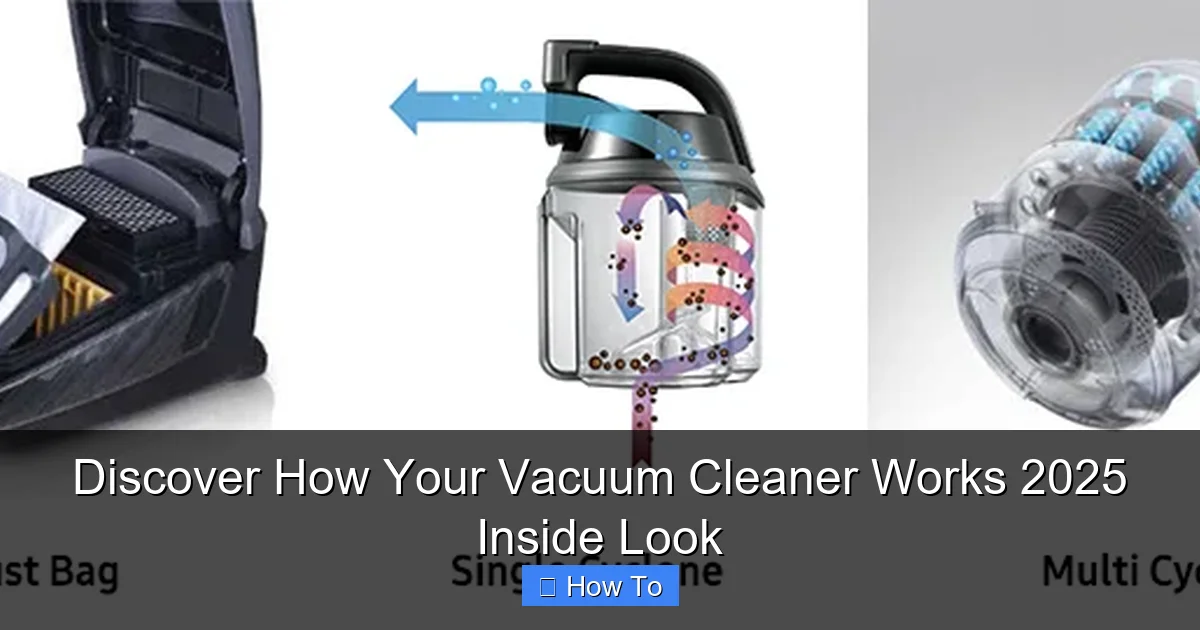
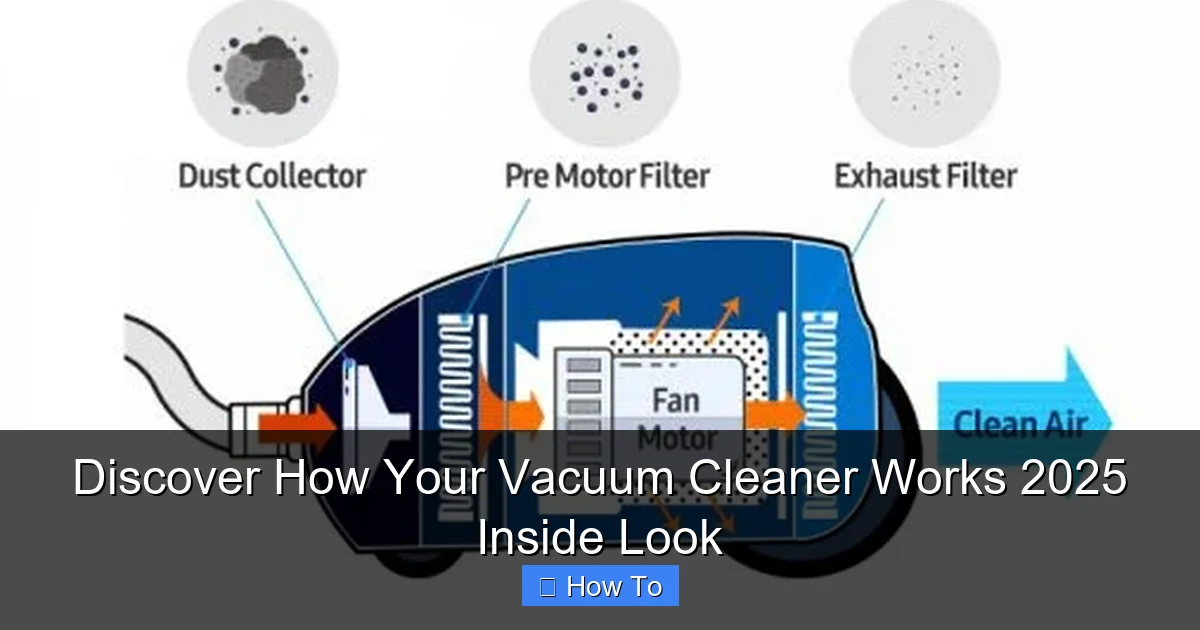
Visual guide about Discover How Your Vacuum Cleaner Works 2025 Inside Look
Image source: img.global.news.samsung.com
The Cleaning Head and Attachments
This is the part that touches the floor. It is where the action begins. Most cleaning heads have a rotating brush roll. This brush roll has stiff bristles. It spins rapidly. It agitates carpet fibers. This helps to loosen embedded dirt and debris. For hard floors, some models have softer brushes or a simple suction path. Different attachments also exist. They help you clean crevices, upholstery, and high-up spots. These attachments funnel air and dirt efficiently to the main suction pathway. This is a vital first step in how your vacuum cleaner works.
The Airflow Pathway
Once dirt and air enter the cleaning head, they travel through a hose or duct. This pathway must be clear. Any blockage can reduce suction. The pathway leads directly to the core of the vacuum cleaner. It is a critical tunnel for all debris. Understanding this path helps you see how your vacuum cleaner works from start to finish.
The Filtration System
Filters are essential. They separate the dirt from the air. Without filters, all the dust you picked up would just be blown back into the room. Vacuum cleaner filters come in many forms. They trap dust, pollen, pet dander, and other allergens. Some modern vacuum cleaner models in 2025 feature advanced multi-stage filtration. This ensures very clean air exits the machine.
- Pre-Motor Filters: These are usually foam or felt. They catch larger particles. This protects the motor from damage. They are often washable.
- Post-Motor Filters (Exhaust Filters): These clean the air before it leaves the vacuum. HEPA filters are common here. HEPA stands for High-Efficiency Particulate Air. They can capture 99.97% of airborne particles 0.3 microns in size. This includes tiny allergens.
The Dirt Collection System: Bagged vs. Bagless
After filtration, the dirt needs a place to go. Vacuum cleaners use one of two main collection systems.
Bagged Vacuum Cleaners
These models collect dirt in a disposable bag. The bag itself acts as an additional filter layer. Air passes through the bag, leaving dirt inside. When the bag is full, you simply remove and discard it. This is a very hygienic option. It minimizes contact with dust.
Bagless (Cyclonic) Vacuum Cleaners
These are very popular in 2025. They use a clear dust bin instead of a bag. The magic here is cyclonic separation. As air and dirt enter the bin, they are spun around in a high-speed vortex. Centrifugal force pushes the heavier dirt particles to the sides of the bin. They fall down into the collection chamber. Lighter dust particles continue towards the filters. This system is convenient. You just empty the bin directly into the trash. There are no bags to buy. This is a key part of how modern vacuum cleaner works.
The Step-by-Step Process: How Your Vacuum Cleaner Works
Let’s put it all together. Here’s a typical cleaning cycle, step by step.
Step 1: Powering Up and Motor Activation
You plug in your vacuum cleaner or ensure its battery is charged. You press the power button. Electricity flows to the motor. The motor immediately starts to spin the fan at high speed. This is the very beginning of how your vacuum cleaner works.
Step 2: Suction Creation and Air Inflow
As the fan spins, it rapidly expels air out of the vacuum cleaner’s exhaust. This creates a powerful low-pressure area inside the machine. The higher atmospheric pressure outside pushes air and any loose dirt, dust, and debris into the cleaning head. They move up through the hose or duct.
Step 3: Agitation and Debris Collection
The cleaning head, with its spinning brush roll, actively agitates carpet fibers. It sweeps dirt from hard floors. This action loosens embedded grime. It helps to lift the debris into the airflow. The powerful suction then carries these particles along with the incoming air.
Step 4: Separation (Bagless Systems) or Initial Filtration (Bagged Systems)
If you have a bagless vacuum cleaner, the air and debris enter the cyclonic chamber. Here, the air spins rapidly. This separates heavier dirt particles. They are flung to the outer walls. They then fall into the dust bin. Lighter particles remain airborne. If you have a bagged system, the air and debris enter the bag. The bag’s porous material acts as the first filter. It traps most of the dirt.
Step 5: Fine Filtration
After the initial separation or bag filtration, the remaining air, still carrying very fine dust, moves through the next stages of filtration. This usually involves a pre-motor filter. Then it goes through a post-motor filter, often a HEPA filter. These filters capture microscopic particles. They ensure the air is clean before it leaves the machine. This step is vital for air quality. It is key to how your vacuum cleaner works effectively.
Step 6: Exhaust of Clean Air
Finally, the now-clean air is expelled back into your room through the vacuum cleaner’s exhaust vent. All the dirt and dust remain safely trapped inside the bag or dust bin. This completes the cycle of how your vacuum cleaner works.
Modern Innovations in 2025 Vacuum Cleaners
The core principles of how a vacuum cleaner works stay the same. However, technology continuously evolves. In 2025, you can find many advanced features:
- Smart Sensors: Some vacuums can detect dirt levels. They automatically adjust suction power.
- Enhanced Filtration: Multi-layered HEPA filtration systems are more common. They offer superior allergen capture.
- Robotic and Cordless Freedom: Robotic vacuum cleaners autonomously map and clean. Cordless models offer incredible flexibility with improved battery life and powerful motors.
- Self-Emptying Bins: Robotic and even some upright models can automatically empty their dustbins into larger collection stations. This reduces your direct contact with dirt.
- Digital Displays: LCD screens provide real-time information. They show battery life, filter status, and cleaning modes.
These innovations make cleaning easier and more efficient. They enhance the user experience. But at their heart, they still rely on the fundamental “vacuum cleaner how it works” mechanics.
Practical Tips for Optimal Performance
Now that you understand how your vacuum cleaner works, here are tips to keep it performing its best.
Maintain Filters Regularly
Dirty filters restrict airflow. This reduces suction power. Check your vacuum cleaner manual. It will tell you how often to clean or replace filters. Washable filters should be fully dry before reinserting. This is a simple but crucial part of how your vacuum cleaner works.
Empty Dirt Bin or Change Bag Promptly
A full dirt bin or bag means less space for air and debris. It significantly lowers suction. Empty your bagless bin after every use. Change bagged systems when they are about two-thirds full.
Check for Clogs
Loss of suction is often due to a clog. Check the hose, cleaning head, and intake ports. Remove any hair, string, or debris. A blocked pathway prevents your vacuum cleaner from working effectively.
Inspect Brush Roll
Hair and fibers can wrap around the brush roll. This makes it less effective at agitating carpets. Regularly cut away tangled hair. Ensure the brush roll spins freely. This maximizes the efficiency of how your vacuum cleaner works.
Troubleshooting Common Issues
Knowing how your vacuum cleaner works helps you diagnose problems. Here are a few common issues and their fixes.
Loss of Suction
This is the most common complaint. First, check if the dirt bin is full or the bag needs changing. Next, inspect all filters. Are they clogged? Clean or replace them. Finally, check for clogs in the hose, wand, and cleaning head. Clear any obstructions. This often restores full power.
Vacuum Cleaner Making Strange Noises
A high-pitched whine can mean something is stuck in the fan or motor. Turn off and unplug the vacuum immediately. Check the fan area for foreign objects. A rattling noise might indicate a loose part or debris in the brush roll housing. Investigate and remove any issues.
Burning Smell
This is serious. Turn off the vacuum cleaner at once. A burning smell often indicates motor strain or an electrical issue. It could be due to a severely clogged filter, a jammed brush roll, or an overfilled bag/bin causing the motor to overheat. Let the unit cool down. Address any blockages. If the smell persists, seek professional service. Do not operate it.
Conclusion
Your vacuum cleaner is a marvel of simple engineering. It uses basic physics to deliver powerful cleaning. From the spinning fan creating suction to the multi-stage filtration trapping tiny particles, every part plays a vital role. By understanding how your vacuum cleaner works, you can maintain it better. You can troubleshoot common issues. You can ensure it keeps your home spotless for years to come. So, the next time you power up your machine, you’ll know exactly what amazing process is happening inside!
🎥 Related Video: The Amazing Engineering behind the Cleaning Robots!
📺 Sabin Civil Engineering
Cleaning robots are becoming one of the most popular new home appliances, a trusted little cleaning partner in many households …