Vacuum Cleaner How It Works
Ever wondered about the hidden magic behind your clean floors? A vacuum cleaner works by cleverly harnessing air pressure and airflow. It creates a powerful suction to lift dirt and debris, guiding it through filters and into a collection system, ultimately leaving surfaces spotless. This article breaks down the science, components, and practical steps of how these everyday marvels operate.
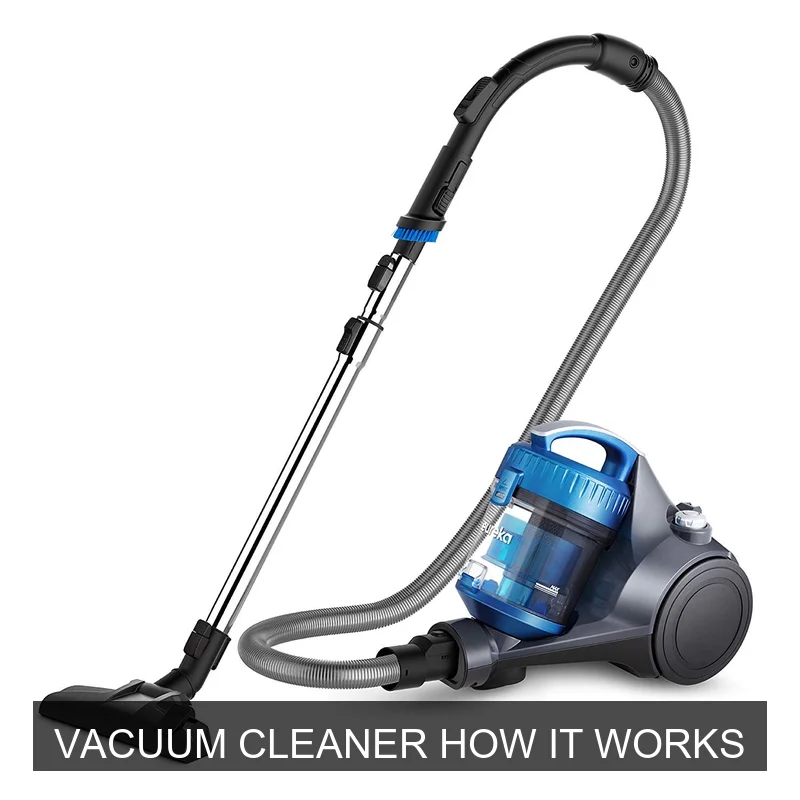
Image source: Adiyprojects
📋 Table of Contents
- 🔹 How a Vacuum Cleaner Works: The Core Principle
- 🔹 What is a Vacuum Cleaner and its Core Purpose?
- 🔹 The Basic Principle: Airflow and Pressure
- 🔹 Key Components of a Vacuum Cleaner
- 🔹 The Step-by-Step Process: How a Vacuum Cleaner Works
- 🔹 Why Understanding Your Vacuum Matters
- 🔹 Variations on the Theme: Different Types of Vacuum Cleaners
- 🔹 Common Misconceptions About Vacuuming
- 🔹 Practical Tips for Getting the Most Out of Your Vacuum
- 🔹 Real-World Examples of Vacuum Cleaner Principles
- 🔹 Frequently Asked Questions (FAQ)
- 🔹 Conclusion
How a Vacuum Cleaner Works: The Core Principle
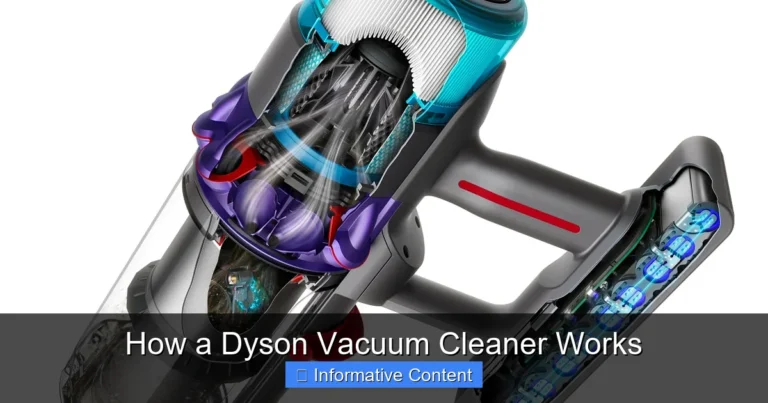
A vacuum cleaner works by creating a powerful suction force. It uses an electric motor to spin a fan, which pushes air out of the vacuum’s body, creating a lower air pressure inside. This pressure difference then pulls air, dust, and debris from the floor into the vacuum, through filters, and into a collection bin.
If you’ve ever stopped to consider how that trusty machine manages to suck up all the crumbs and dirt from your carpets, you’re in the right place! We’re going to dive deep into the fascinating world of vacuum cleaners. This article will explain exactly how a vacuum cleaner works, breaking down the mechanics and physics into easy-to-understand concepts. By the end, you’ll have a clear picture of the ingenuity behind this common household appliance, understanding not just “what” it does, but “how” it achieves its cleaning magic.
What is a Vacuum Cleaner and its Core Purpose?
A vacuum cleaner, often shortened to just “vacuum,” is an electrical appliance designed to remove dust, dirt, and debris from various surfaces. Its core purpose is to clean floors, upholstery, and other objects by creating suction, pulling in unwanted particles that are then trapped inside the machine. Essentially, it’s a dirt-eating machine that makes our living spaces much tidier.
The concept behind a vacuum cleaner how it works is surprisingly simple yet incredibly effective. Instead of sweeping or beating dirt out, which often just redistributes it, a vacuum cleaner actively removes it from the environment. This makes it an essential tool for maintaining hygiene and cleanliness in homes and businesses worldwide.
The Basic Principle: Airflow and Pressure
At the heart of how a vacuum cleaner works is a fundamental scientific principle: air pressure. You see, air naturally wants to move from an area of higher pressure to an area of lower pressure. Think of it like a balloon: when you release the air, it rushes out because the pressure inside is higher than the pressure outside.
A vacuum cleaner ingeniously manipulates this principle. Here’s the simple breakdown:
- The machine creates an area of low pressure inside itself.
- The air outside the vacuum, which is at normal atmospheric pressure (higher pressure), rushes into this low-pressure area.
- As this air rushes in, it carries along any loose dirt, dust, and debris with it.
This rushing inward of air is what we perceive as “suction.” It’s not truly a “pull” in the sense of a physical tug, but rather a “push” from the higher-pressure air outside trying to equalize the pressure difference. Understanding this concept is key to grasping the full explanation of vacuum cleaner how it works.
Key Components of a Vacuum Cleaner
While the basic principle of “suck and collect” is straightforward, several components work together seamlessly to make it happen. Let’s explore the main parts that contribute to how a vacuum cleaner works:
The Motor
This is the powerhouse of the vacuum. Typically an electric motor, it provides the energy to drive the fan. Without the motor, nothing else would move, and there’d be no suction.
The Fan (Impeller)
Connected directly to the motor, the fan is usually a set of angled blades, also known as an impeller. When the motor spins, it rotates the fan at very high speeds. This spinning fan is what actively moves the air. It pushes air towards an exhaust port, effectively creating that crucial area of low pressure inside the vacuum.
The Air Inlet / Nozzle
This is the part of the vacuum that touches the floor or surface you’re cleaning. It’s designed to funnel the incoming air (and dirt) efficiently into the machine. Different nozzles are shaped for various tasks, like wide floor nozzles or narrow crevice tools.
The Filter System
Once the air and dirt are sucked into the vacuum, they can’t just be blown back out. That would defeat the whole purpose! The filter system is incredibly important because it traps the dust and particles, preventing them from recirculating into the room. Filters come in various forms, from simple mesh screens to advanced HEPA filters, designed to capture even microscopic allergens.
The Dust Collection System (Bag or Canister)
After passing through the filter, the trapped dirt needs somewhere to go. This is where the collection system comes in. Most vacuums use either:
- A disposable bag: Dirt is collected inside a paper or synthetic bag that you replace once full.
- A bagless canister: Dirt is collected in a clear, often cyclonic, container that you empty directly into a trash can.
Both systems serve the same function: safely containing the dirt until it can be disposed of.
The Step-by-Step Process: How a Vacuum Cleaner Works
Let’s put it all together and walk through the typical sequence of events when a vacuum cleaner is turned on and cleaning:
- Power On: You plug in the vacuum cleaner and press the power button. Electricity flows to the motor.
- Motor Activates Fan: The electric motor begins to spin rapidly. This rotation directly drives the fan (impeller).
- Air is Expelled: The spinning fan blades push air quickly towards an exhaust vent, out of the vacuum cleaner’s main body.
- Low-Pressure Area Forms: As air is pushed out, the air pressure inside the vacuum’s sealed chamber drops significantly, creating a partial vacuum.
- Atmospheric Pressure Pushes Air In: The higher atmospheric pressure outside the vacuum, now significantly greater than the pressure inside, pushes air into the vacuum’s nozzle or inlet.
- Dirt is Carried In: This rushing incoming air carries with it loose dirt, dust, pet hair, and small debris from the surface being cleaned.
- Dirt-Laden Air Enters Collection Area: The air stream, now containing all the unwanted particles, travels into the vacuum’s collection chamber (either a bag or a canister).
- Filtration Occurs: As the air passes through the collection area, it then moves through one or more filters. These filters trap the solid particles, ensuring only clean air can exit.
- Clean Air Exhausts: The now-cleaned air exits the vacuum cleaner through an exhaust port, returning to the room.
- Dirt Remains Trapped: The collected dirt stays securely in the bag or canister, ready for disposal.
This continuous cycle, happening many times a second, is the true meaning of vacuum cleaner how it works. It’s a constant creation of pressure differences and airflow to systematically remove unwanted particles.
Why Understanding Your Vacuum Matters
Is knowing “vacuum cleaner how it works” truly necessary? Absolutely! Understanding the mechanics can really help you get the most out of your cleaning routine and even troubleshoot minor issues. Here’s why it’s important:
- Better Cleaning Performance: Knowing how suction works helps you understand why a full bag or clogged filter reduces cleaning power. You’ll know when it’s time for maintenance.
- Troubleshooting: If your vacuum suddenly stops sucking effectively, you can logically deduce whether the problem might be a blockage, a full dirt bin, or a dirty filter.
- Maintenance & Longevity: Regular cleaning of filters and emptying the dustbin are crucial for the vacuum’s health. Understanding their role explains why these tasks are so important for extending the life of your appliance.
- Efficiency: You can use your vacuum more efficiently, knowing that a good seal at the nozzle and unobstructed airflow are key to optimal performance.
In short, it’s not just about turning it on and pushing it around. A little knowledge about vacuum cleaner how it works can turn you into a more effective cleaner and a savvier appliance owner.
Variations on the Theme: Different Types of Vacuum Cleaners
While the core principle of vacuum cleaner how it works remains the same across all models, the physical design and features vary greatly. These variations are usually about adapting the basic mechanism for different tasks or user preferences. Here are a few common types:
- Upright Vacuums: These stand tall and combine the motor, collection system, and cleaning head into one unit. They are often good for large carpeted areas and may feature a rotating brush bar for deeper cleaning.
- Canister Vacuums: Featuring a separate canister unit that houses the motor and dustbin, connected by a flexible hose to a cleaning head. These are typically more versatile for hard floors, stairs, and above-floor cleaning.
- Handheld Vacuums: Smaller, often cordless, and designed for quick clean-ups of spills and crumbs. They use the same suction principle but in a compact, portable form.
- Robotic Vacuums: These intelligent devices navigate rooms independently, using sensors to detect dirt and obstacles. They follow the same airflow principles but automate the entire cleaning process.
Regardless of their shape or size, the underlying physics of creating a pressure differential to generate suction is universal to how a vacuum cleaner works.
Common Misconceptions About Vacuuming
It’s easy to make assumptions about how vacuums work or how best to use them. Let’s clear up a few common misconceptions:
- “Suction Power is Everything”: While important, suction isn’t the only factor. The design of the nozzle, the effectiveness of the brush roll (for carpets), and efficient airflow management also significantly impact cleaning performance.
- “More Passes = Cleaner Floor”: Sometimes, yes, but often it’s about the right technique. Slow, deliberate passes allow the vacuum more time to dislodge and collect dirt. Rushing can leave dirt behind.
- “Vacuum Bags are Bad for Allergies”: Modern vacuum bags, especially those with multiple layers or HEPA filtration, are designed to seal in dust and allergens very effectively. Bagless systems need careful emptying to avoid releasing dust back into the air.
- “You Can Vacuum Anything”: Not quite. Wet spills can damage the motor unless it’s specifically a “wet/dry” vacuum. Large, sharp objects can clog or damage internal components.
Understanding these points helps demystify how a vacuum cleaner works in practice and prevents common mistakes.
Practical Tips for Getting the Most Out of Your Vacuum
Knowing how your vacuum works empowers you to use it more effectively and keep it running smoothly. Here are some practical tips:
- Empty Regularly: Whether it’s a bag or a canister, don’t wait until it’s completely full. A full dustbin restricts airflow and reduces suction power.
- Clean Filters: Check your vacuum’s manual for recommended filter cleaning or replacement schedules. Clogged filters are a major cause of reduced suction.
- Check for Blockages: If suction drops, turn off and unplug the vacuum, then check the hose, nozzle, and internal pathways for clogs. Pet hair and large debris are common culprits.
- Use the Right Attachments: Different surfaces and tasks benefit from specific tools. The crevice tool for tight spaces, a brush attachment for upholstery, and a wide floor head for open areas.
- Adjust Height Settings: Many upright vacuums have height adjustments for different carpet pile lengths. This ensures optimal contact and airflow for effective cleaning.
- Regular Brush Roll Maintenance: For vacuums with a rotating brush, regularly cut away tangled hair and threads. A free-spinning brush is crucial for agitating carpet fibers and loosening dirt.
By following these simple practices, you’re directly supporting the core principles of how a vacuum cleaner works, ensuring efficient airflow and maximum cleaning power.
Real-World Examples of Vacuum Cleaner Principles
The principle of vacuum cleaner how it works isn’t just confined to cleaning machines. You can see similar ideas in action all around you:
- Drinking with a Straw: When you suck on a straw, you’re actually reducing the air pressure inside the straw. The higher atmospheric pressure on the surface of the drink then pushes the liquid up the straw into your mouth.
- Syringes: Pulling back the plunger on a syringe creates a low-pressure area, allowing external pressure to push liquid into the barrel.
- Dust Devils: In nature, rapidly spinning columns of air create a low-pressure vortex that can lift dust and light debris off the ground, much like a giant, natural vacuum.
These examples highlight that the physics behind vacuum cleaners is a fundamental aspect of how air and pressure interact in our world.
Frequently Asked Questions (FAQ)
What makes a vacuum cleaner powerful?
A vacuum cleaner’s power comes from a combination of its motor strength, fan design, and the overall efficiency of its airflow system. A stronger motor generally spins the fan faster, creating a greater pressure differential, which results in more suction. However, effective nozzle design and clear air pathways are equally important for translating that raw power into actual cleaning performance.
Can a vacuum cleaner work without a filter?
Technically, a vacuum cleaner could create suction without a filter, but it wouldn’t be effective for cleaning and would be very detrimental to air quality. The filter is crucial for trapping the dirt and dust, preventing it from being blown back into the room. Without a filter, the vacuum would simply pick up dirt and immediately redistribute it, and potentially damage the motor by allowing debris inside.
What’s the difference between a bagged and bagless vacuum?
The main difference lies in how dirt is collected. Bagged vacuums collect dirt in a disposable bag that you replace when full. These are often preferred by allergy sufferers as the bag seals in dust. Bagless vacuums collect dirt in a reusable canister, often using cyclonic technology to separate debris. You simply empty the canister into the trash, which can be more convenient but requires careful emptying to avoid releasing dust.
How often should I clean my vacuum’s filter?
The frequency depends on the type of filter, how often you vacuum, and the amount of dirt you pick up. Generally, most washable filters should be rinsed with water (and fully dried) every 1-3 months. Disposable filters need to be replaced periodically, typically every 6-12 months. Always check your vacuum’s user manual for specific recommendations.
Is vacuum cleaner how it works necessary to know?
While you don’t need a physics degree to use a vacuum, understanding the basics of how it works is incredibly helpful. It allows you to troubleshoot minor issues, perform essential maintenance correctly, ensure optimal cleaning performance, and ultimately extend the lifespan of your appliance. It helps you be a more informed and efficient user.
Conclusion
The next time you hear that familiar hum and watch dirt disappear, you’ll have a much deeper appreciation for the simple yet sophisticated science at play. A vacuum cleaner how it works is a brilliant demonstration of applied physics, harnessing the power of air pressure and flow to make our environments cleaner and healthier. From the spinning fan to the intricate filter system, each component plays a vital role in this everyday magic.
By understanding these principles, you’re not just operating a machine; you’re engaging with a piece of engineering that constantly works to create a low-pressure zone, pulling in the unwanted and trapping it away. It’s a testament to human ingenuity, turning a basic scientific concept into an indispensable tool for cleanliness. So go forth and vacuum, now with newfound insight!