Best Ways How to Dispose Old Vacuum Cleaner 2025
It is important to dispose old vacuum cleaner responsibly to protect the environment and comply with local regulations in 2025. This guide outlines various eco-friendly methods, including donation, recycling, and understanding manufacturer take-back programs. By following these steps, you can ensure your old appliance doesn’t end up in a landfill unnecessarily.
Best Ways How to Dispose Old Vacuum Cleaner 2025
Got an old vacuum cleaner gathering dust? Maybe it is broken beyond repair, or you just upgraded to the latest model. Whatever the reason, you are now faced with a common dilemma: how to get rid of it responsibly. Simply tossing it in the regular trash often isn’t the best option. In 2025, environmental regulations and community expectations increasingly lean towards more sustainable disposal methods for electronics and appliances.
This comprehensive guide will walk you through the best ways to dispose old vacuum cleaner, ensuring you make an eco-friendly choice. We will cover everything from preparing your old vacuum for its next journey to finding the right recycling or donation center. You will learn about various options available in 2025, helping you comply with local rules and contribute to a healthier planet. Let’s dive in and make sure your old vacuum cleaner says goodbye responsibly!
Key Takeaways
- Preparation is Key: Always empty, clean, and remove personal items from your old vacuum cleaner before disposal.
- Prioritize Reuse and Recycling: Look for opportunities to donate, sell, or recycle your working or non-working vacuum to extend its life or reclaim valuable materials.
- Check Local Regulations: Disposal methods vary by municipality. Always verify local e-waste rules, bulky item collection services, and recycling centers in 2025.
- Consider Manufacturer Programs: Many vacuum cleaner brands offer take-back or recycling initiatives, especially for their own products.
- Battery Safety First: If you have a cordless vacuum, ensure its battery is removed and recycled separately as per hazardous waste guidelines.
- Landfill is a Last Resort: Avoid sending electronics to landfills whenever possible to reduce environmental impact and conserve resources.
Quick Answers to Common Questions
Can I just throw my old vacuum cleaner in the trash?
It’s generally not recommended. Many regions prohibit electronics, including vacuum cleaners, from regular landfill waste due to potential environmental harm from materials like heavy metals and plastics. Always check local e-waste regulations first.
What if my vacuum cleaner still works but I don’t want it?
If it’s in working condition, consider donating it to a local charity, giving it to friends or family, or selling it online. Reusing items is the most eco-friendly option as it extends the product’s lifespan.
How do I find a local e-waste recycling center for my vacuum?
The easiest way is to search online for “e-waste recycling near me” or “electronics recycling [your city/ZIP code]”. Websites like Earth911.com also offer searchable databases to help you find local drop-off points.
Do I need to remove the battery from a cordless vacuum before disposal?
Yes, absolutely! Batteries, especially lithium-ion ones, must be removed and recycled separately. They can be a fire hazard if not handled correctly and contain materials that should not go into regular trash or landfills.
Are there any programs that take back old vacuums when I buy a new one?
Some retailers and manufacturers offer take-back or recycling programs for old appliances, especially when you purchase a new model from them. It’s always worth asking at the point of sale or checking the manufacturer’s website.
Step 1: Assess Your Vacuum Cleaner’s Condition
Before you decide how to dispose old vacuum cleaner, take a good look at its current state. This initial assessment will help you choose the most appropriate and sustainable disposal path.
Is it Still Working?
If your vacuum cleaner still operates, even with a few minor quirks, it opens up many more possibilities for reuse. A working vacuum can find a new home or be given a second life. Don’t underestimate its value to someone else!
Is it Repairable?
Perhaps your vacuum has a small issue, like a clogged hose or a worn-out belt. Sometimes, a quick fix or a simple replacement part can bring it back to life. Consider checking online tutorials or local repair shops. This is often the most eco-friendly option, as it extends the product’s lifespan.
Is it Beyond Repair or Completely Obsolete?
If your vacuum is truly broken, unsafe to use, or simply too old and inefficient compared to modern models, then recycling or proper disposal is the way to go. Focus on options that dismantle it for parts or reclaim its materials.
Step 2: Prepare Your Old Vacuum Cleaner for Disposal
Regardless of how you plan to dispose old vacuum cleaner, a few preparatory steps are essential. These steps ensure cleanliness, safety, and readiness for its next destination.
Empty and Clean It Thoroughly
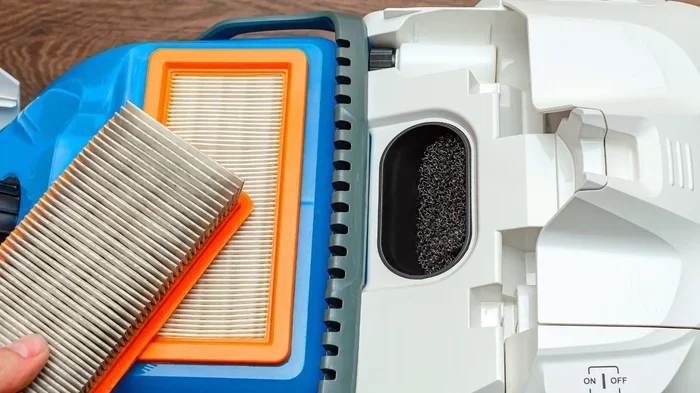
This might seem obvious, but it is crucial. No one wants your dusty, dirty old vacuum cleaner. Empty all dustbins, bags, and filters. If possible, wipe down the exterior surfaces. This makes it more appealing for donation or recycling.
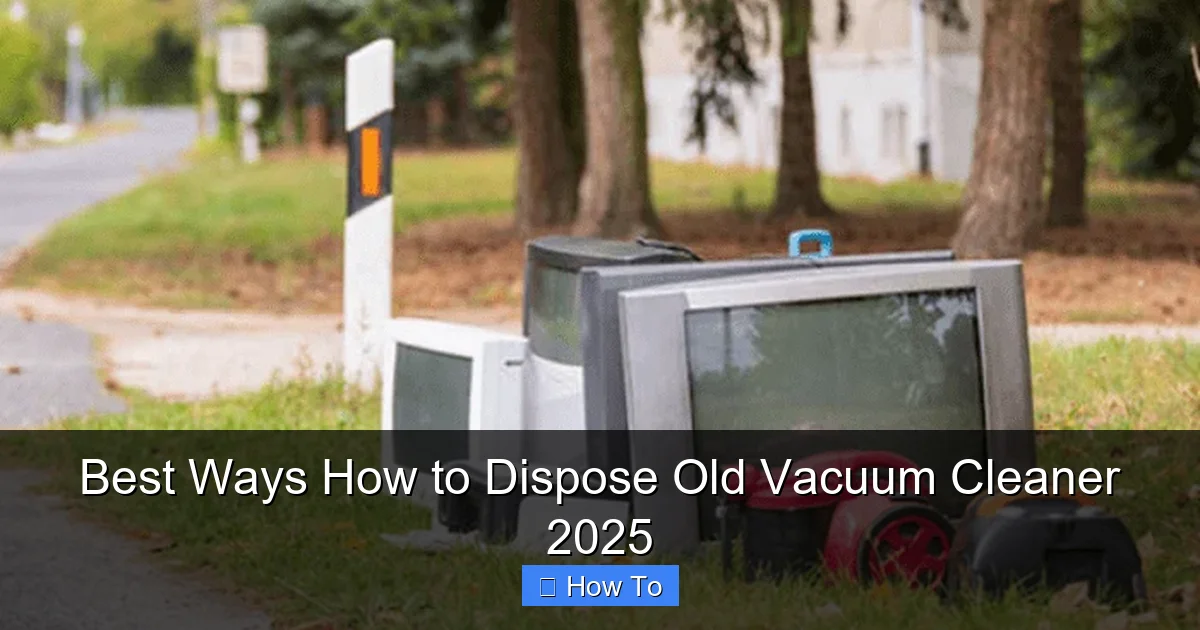
Visual guide about Best Ways How to Dispose Old Vacuum Cleaner 2025
Image source: disposeitwell.com
- Empty the Dust Bin/Bag: Remove all accumulated dirt, dust, and debris. Dispose of this waste in your regular household trash.
- Clean or Replace Filters: If your vacuum has washable filters, clean them. If they are disposable, remove them and throw them away.
- Wipe Down Surfaces: Give the outside a quick clean. Remove any pet hair, sticky residue, or visible grime. A little effort here goes a long way.
Remove Personal Belongings
People often accidentally vacuum up small items like coins, jewelry, or small toys. Double-check all compartments, hoses, and attachments for any forgotten personal items before you dispose old vacuum cleaner. It is easy to miss something!
Detach Cords and Hoses (If Applicable)
For some recycling programs, it might be helpful to separate certain components, especially if they are made of different materials. For instance, sometimes the power cord can be cut off and recycled with other wires, separate from the main plastic body. Check with your local recycling facility for their specific guidelines.
Remove Batteries from Cordless Vacuums
This is a critical step for cordless or robot vacuums. Batteries, especially lithium-ion ones, are considered hazardous waste and must be recycled separately. Never throw them in the regular trash. Check the vacuum’s manual for instructions on how to safely remove the battery. Look for designated battery recycling drop-off points, often found at electronics stores or specialized recycling centers.
Step 3: Explore Responsible Disposal Options (2025 Guidelines)
Now that your vacuum cleaner is prepped, let’s look at the various ways to dispose old vacuum cleaner responsibly in 2025.
Option 1: Donate or Resell (If Working or Repairable)
If your vacuum cleaner is still in good working condition or could be easily repaired, giving it a second life is the most environmentally friendly option.
Donate to Charity Organizations
Many charitable organizations accept working appliances. This includes thrift stores like Goodwill, Salvation Army, and local community centers. They can clean it up and sell it at a low cost to someone in need or provide it directly to families. Always call ahead to confirm they accept vacuum cleaners and what their condition requirements are.
Give it Away to Friends or Family
Someone you know might be in need of a working vacuum cleaner. Ask around your social circle. This is a simple, quick way to dispose old vacuum cleaner and help someone out.
Sell it Online or at a Garage Sale
If you want to recoup some of your investment, consider selling it. Platforms like Facebook Marketplace, Craigslist, eBay, or local buy-and-sell groups are great options. A garage sale can also be a good way to find it a new owner. Be honest about its condition and any minor flaws.
Freecycle or “Buy Nothing” Groups
These community-based groups are excellent for giving away items for free. Members can pick up your vacuum cleaner, ensuring it gets reused rather than wasted. Search for local Freecycle networks or “Buy Nothing” groups on social media.
Option 2: Recycle Your Old Vacuum Cleaner
For vacuums that are broken, obsolete, or beyond repair, recycling is the next best step. Vacuum cleaners contain valuable metals, plastics, and electronic components that can be repurposed, reducing the need for new raw materials.
E-Waste Recycling Centers
Most municipalities in 2025 have designated e-waste (electronic waste) recycling centers or events. These facilities are equipped to properly dismantle and sort electronic appliances, recovering materials like steel, aluminum, copper, and various plastics. Search online for “e-waste recycling near me” or “electronics disposal + [your city]” to find local options. Always confirm they accept vacuum cleaners.
Retailer Take-Back Programs
Some electronics retailers, especially those selling new vacuums, offer take-back or recycling programs for old appliances. Stores like Best Buy, for example, often have electronics recycling bins or services. Check with major retailers in your area to see if they participate. This can be a convenient way to dispose old vacuum cleaner when buying a new one.
Manufacturer Recycling Programs
Many vacuum cleaner manufacturers are becoming more environmentally conscious. Brands like Dyson, Shark, Bissell, and others may offer their own recycling or take-back programs for their products. Visit the manufacturer’s official website or contact their customer service to inquire about specific recycling initiatives for your model.
Scrap Metal Dealers
If you’re able to break down your vacuum cleaner into its primary components (mostly metal and plastic), some scrap metal dealers might accept the metal parts. This is a more involved option but can be effective for resource recovery. However, it’s generally easier to use an e-waste center.
Option 3: Curbside Pickup or Bulky Item Collection
Depending on your local waste management services, you might be able to schedule a special pickup for your old vacuum cleaner.
Bulky Item Collection Services
Many cities and towns offer special collection services for large or bulky items that don’t fit in standard trash bins. These services often require you to schedule a pickup in advance, sometimes for a small fee. Your old vacuum cleaner would likely qualify as a bulky item. Check your municipal waste management website or contact them directly for details on scheduling and accepted items.
Hazardous Waste Events (for batteries)
While the vacuum cleaner itself isn’t typically hazardous, remember to separately dispose of any batteries (from cordless models) at designated household hazardous waste collection events or permanent facilities. These events are crucial for preventing harmful chemicals from entering landfills.
Option 4: Landfill (As a Last Resort)
Sending an old vacuum cleaner to a landfill should ideally be your last resort. Electronic waste contributes to environmental pollution, and valuable materials are lost. However, if no other options are available in your area for a non-working unit, and your local waste management explicitly permits it for household waste, then it might be the only option. Always remove batteries first.
Before considering this, double-check all other recycling and donation possibilities. The goal is to responsibly dispose old vacuum cleaner in a way that minimizes environmental impact.
Step 4: Special Considerations for 2025
As environmental consciousness grows, so do the regulations and best practices for disposing of old electronics.
Understanding Local E-Waste Laws
E-waste regulations vary significantly by state, county, and city. In 2025, more regions are implementing stricter rules regarding electronic device disposal. Some areas prohibit electronics from being thrown in regular trash due to their potential to leak toxins (like lead, mercury, and cadmium) into the soil and water. Always visit your local government’s waste management website or call them directly to understand specific requirements for how to dispose old vacuum cleaner in your jurisdiction.
The Importance of Battery Recycling
We cannot stress this enough: if your vacuum cleaner is cordless or a robot model, its battery must be handled separately. Lithium-ion batteries, common in modern devices, are a fire hazard if damaged or improperly disposed of. They also contain valuable materials and harmful chemicals. Look for battery recycling drop-off points at electronics stores (e.g., Best Buy), hardware stores (e.g., Home Depot, Lowe’s), or specialized municipal collection sites.
Leveraging Digital Resources
The internet is your best friend when it comes to finding local disposal options. Websites like Earth911.com or Call2Recycle.org offer searchable databases for recycling centers by ZIP code. These resources can quickly point you to facilities that accept e-waste and batteries, helping you easily locate places to dispose old vacuum cleaner components.
Conclusion
Deciding how to dispose old vacuum cleaner doesn’t have to be a chore. By following these steps in 2025, you can make an informed and responsible choice. Whether your vacuum is destined for a new home through donation, a new life through recycling, or a final journey via proper disposal services, your actions contribute to a cleaner, more sustainable environment.
Remember to prioritize reuse, then recycling, and always check with your local authorities for the most up-to-date and specific guidelines in your area. Thank you for choosing to dispose old vacuum cleaner thoughtfully and responsibly!
🎥 Related Video: Philips Vacuum Cleaner ✅ Best Quality 👌🏻💥 Highly Recommended 👍 #philips #vacuumcleaner
📺 Unikk Nazz
Philips Vacuum Cleaner ✓ Best Quality Highly Recommended #philips #vacuumcleaner.