Understanding How a Wet Dry Vacuum Cleaner Works: A Comprehensive Guide
A wet dry vacuum cleaner works by employing a powerful motor to create strong suction, drawing air, dry debris, and liquids into a specialized collection tank. Its ingenious design includes a unique filtration system and a crucial float mechanism that prevents liquids from reaching and damaging the motor, making it a truly versatile cleaning tool for both solid and liquid messes.
📋 Table of Contents
- 🔹 The Core Principle: How a Wet Dry Vacuum Operates
- 🔹 Why Understanding Your Wet Dry Vacuum Matters
- 🔹 Step-by-Step: Breaking Down the Wet Dry Vacuum’s Operation
- 🔹 Benefits of This Dual-Function Design
- 🔹 Common Misconceptions About Wet Dry Vacuums
- 🔹 Practical Tips for Understanding and Using Your Wet Dry Vac
- 🔹 Real-Life Scenarios: When a Wet Dry Vac Shines
- 🔹 Frequently Asked Questions About Wet Dry Vacuums
- 🔹 Conclusion: The Smart Design Behind a Powerful Tool
If you’ve ever faced a significant spill or a mix of wet and dry debris, you’ve likely considered a wet dry vacuum cleaner. These powerful machines seem almost magical in their ability to handle what a regular vacuum can’t. But how does a wet dry vacuum cleaner work, exactly?
At its heart, a wet dry vacuum cleaner operates using a strong motor to generate suction, pulling both air and whatever is in its path – be it dust, dirt, or liquid – into a large collection tank. What sets it apart is its clever design, which includes specialized filtration and a critical float mechanism. This mechanism acts as a safety switch, automatically shutting off suction when the tank is full of liquid, preventing water from ever reaching and damaging the motor. This unique combination allows it to safely and effectively clean up a wide range of messes that would ruin a standard household vacuum.
The Core Principle: How a Wet Dry Vacuum Operates
A wet dry vacuum cleaner is built on a simple yet robust principle: powerful suction combined with intelligent separation. It’s designed to be much more rugged than a typical household vacuum, which is generally only meant for dry debris. The key difference lies in how it manages the collected material and, most importantly, how it protects its internal components, especially the motor, from liquids.
What is a Wet Dry Vacuum Cleaner?
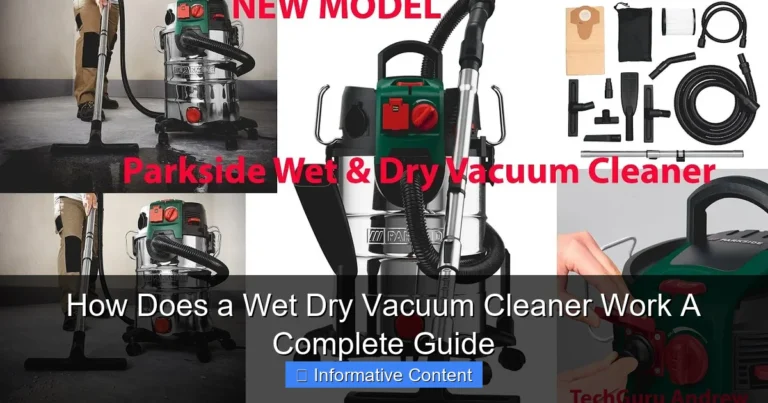
A wet dry vacuum cleaner, often called a “shop vac” or “utility vacuum,” is a versatile cleaning appliance capable of sucking up both dry particulate matter and liquids. Imagine a bucket with a powerful motor on top, connected to a hose. This basic image captures the essence. Unlike a regular vacuum, which has bags and filters easily compromised by moisture, a wet dry vacuum uses a large, durable tank and a specialized filtration system to handle everything from sawdust to spilled paint or water.
The “wet dry” capability means it performs two distinct functions: it acts like a traditional vacuum for dry dirt and debris, and it transforms into a liquid extractor for spills. This dual functionality is precisely why it’s such a valuable tool in workshops, garages, and for emergency household cleanups.
Why Understanding Your Wet Dry Vacuum Matters
Knowing how your wet dry vacuum cleaner works isn’t just about satisfying curiosity; it’s about making the most of its capabilities and ensuring its longevity. When you understand the mechanics, you can use it more effectively, maintain it properly, and troubleshoot minor issues with confidence.
The Versatility Advantage
Understanding the “how” behind its wet and dry functions helps you appreciate its immense versatility. You learn that it’s not just for construction sites; it’s perfect for cleaning up after a plumbing leak, clearing clogged sinks, or even vacuuming a car interior where spills are common. This knowledge empowers you to see it as a solution for many cleaning challenges.
Safety First: Protecting the Motor
Perhaps the most critical aspect of understanding how a wet dry vacuum works is recognizing the role of its safety features, particularly the float mechanism. The motor is the heart of any vacuum, and water is its enemy. Knowing that this built-in safeguard exists, and how it functions, prevents accidental damage to the machine. It also highlights the importance of proper filter changes and maintenance for different cleaning tasks.
Step-by-Step: Breaking Down the Wet Dry Vacuum’s Operation
Let’s take a closer look at the components and processes involved when a wet dry vacuum cleaner does its job.
The Suction Powerhouse: Motor and Fan
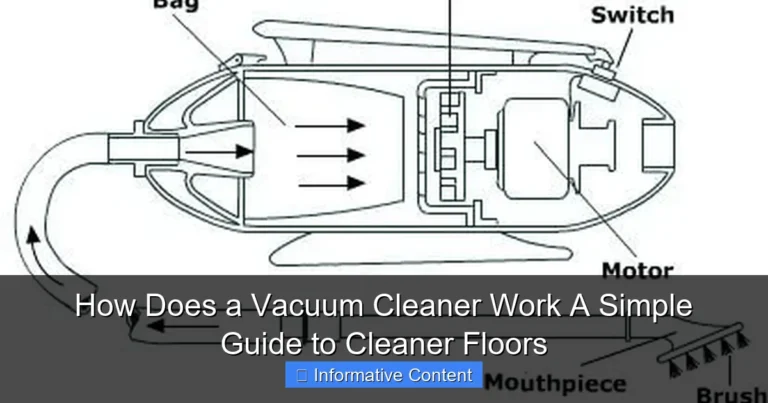
Every wet dry vacuum starts with a powerful electric motor, typically located in the head unit. This motor drives a fan, or impeller, which spins at very high speeds. As the fan spins, it creates a vacuum—a low-pressure area—inside the collection tank. The higher atmospheric pressure outside the tank then pushes air, along with any debris or liquid, through the hose and into this low-pressure area. This is the fundamental principle of suction.
Hose, Wands, and Attachments: The Entry Points
The suction force travels through a wide, flexible hose. Wet dry vacuums often feature larger diameter hoses compared to standard household vacuums. This larger opening allows for bigger pieces of debris and higher volumes of liquid to pass through without clogging. Various attachments—like crevice tools, brush nozzles, and wide floor nozzles—are designed to connect to the end of the hose or extension wands, tailoring the suction to different cleaning tasks and surfaces.
The Collection Tank: Where Everything Gathers
After passing through the hose, the air, dry debris, or liquid enters the main collection tank. This tank is usually made of durable plastic or stainless steel and is designed to hold a significant volume. Unlike bagged vacuums, wet dry vacs typically collect dry debris directly into the tank, sometimes with an optional bag for easier disposal and better filtration, especially for fine dust.
The Filtration System: Separating Wet from Dry
This is where the distinction between wet and dry cleaning becomes crucial. For dry vacuuming, a filter—often a cartridge filter or a foam filter wrapped around a cage—is installed over the intake port inside the tank, just below the motor. This filter traps dust and debris, allowing only clean air to pass up to the motor and out the exhaust.
When switching to wet vacuuming, the dry filter is usually removed. Many wet dry vacuums use a different type of filter for liquids, such as a foam sleeve. This foam acts as a preliminary barrier, preventing larger particles from entering the motor while allowing water to pass through and collect in the tank.
The Float Mechanism: A Crucial Safety Feature
This is perhaps the most ingenious part of how a wet dry vacuum cleaner works. Inside the collection tank, positioned near the motor’s intake, there’s a floating ball or mechanism. As the tank fills with liquid during wet pickup, this float rises. When the liquid level reaches a certain point, the float seals off the motor’s intake port.
When the intake is sealed, the motor’s suction pathway is blocked. You’ll hear a distinct change in the motor’s sound—it often becomes higher-pitched or the suction simply stops. This is the float mechanism doing its job. It’s a critical safety feature that prevents water from reaching the motor, which would cause an electrical short and irreparable damage. Once the tank is emptied, the float drops, and normal operation can resume.
Exhaust Port: Releasing Filtered Air
Finally, after the air has passed through the collection tank and the filtration system, it exits the vacuum through an exhaust port. The air that is expelled is significantly cleaner than the air that entered, especially during dry vacuuming. Some wet dry vacuums also have a “blower” function, where the hose can be connected to the exhaust port, allowing the machine to be used for blowing leaves or clearing debris from surfaces.
Benefits of This Dual-Function Design
Understanding the internal mechanisms of a wet dry vacuum cleaner highlights why it’s such a valuable asset for many situations. Its unique design offers several key advantages.
Handling Diverse Messes
The primary benefit is its ability to tackle almost any type of mess. Whether you’re dealing with fine drywall dust, wood shavings, spilled milk, or a basement flood, a wet dry vacuum can handle it. This versatility makes it an indispensable tool for homeowners, DIY enthusiasts, and professionals alike.
Durability and Longevity
These machines are built tough. The robust motor, large collection tank, and specialized filtration system are designed to withstand demanding environments and heavy use. Unlike a delicate household vacuum, a wet dry vac is engineered to endure harsh particles and liquids without breaking down, contributing to a longer operational life.
Problem Solving Beyond Standard Vacuums
A regular vacuum would be destroyed by liquids, and it often struggles with large debris or very fine dust that can clog its smaller hoses and filters. Wet dry vacuums solve these problems effortlessly. They can clear clogged drains, extract standing water, and suck up construction debris that would be a nightmare for other cleaning tools.
Common Misconceptions About Wet Dry Vacuums
Even with a clear understanding of how they work, some misunderstandings about wet dry vacuums persist.
“It’s Just a Regular Vacuum That Can Get Wet”
This is a common oversimplification. While it performs dry vacuuming, its internal design, particularly the robust motor, the float mechanism, and the different filtration requirements for wet versus dry, make it fundamentally different from a regular household vacuum. A regular vacuum relies on air passing through a disposable bag and fine filters, which would instantly fail and damage the motor if exposed to water.
“All Wet Dry Vacs Are the Same”
While the core principle of how a wet dry vacuum cleaner works is consistent, there’s significant variation in power (measured in horsepower or CFM – cubic feet per minute), tank capacity, and features. Smaller units are great for quick spills, while larger, more powerful models are designed for heavy-duty workshop use or significant water extraction. Understanding your needs helps you appreciate these differences.
Practical Tips for Understanding and Using Your Wet Dry Vac
Knowing how the machine functions helps you use it correctly and keep it running smoothly.
Always Check the Filter
For dry cleanup, you need a dry filter (like a cartridge filter). For wet cleanup, this filter must be removed to prevent it from getting saturated and damaged, and often a foam sleeve is used instead. Failing to switch filters between wet and dry tasks is a common mistake that can significantly reduce performance or damage the filter.
The table below summarizes typical filter usage:
| Cleaning Type | Recommended Filter | Purpose |
|---|---|---|
| Dry Debris (e.g., sawdust, dirt) | Cartridge filter, filter bag | Traps fine particles, protects motor |
| Liquid Spills (e.g., water, mud) | Foam sleeve (dry filter removed) | Prevents large debris from reaching motor, allows water into tank |
Empty the Tank Promptly
Whether you’ve picked up dry debris or liquids, emptying the tank after use prevents odors, mildew growth, and ensures maximum suction for the next job. Leaving wet materials in the tank can also lead to corrosion of internal metal components over time.
Understand the Float Shut-Off
When vacuuming liquids, pay attention to the sound of the motor. If it suddenly changes pitch or the suction stops, it usually means the float mechanism has engaged, signaling that the tank is full. Don’t force it; simply turn off the machine, empty the tank, and then you can continue cleaning.
Real-Life Scenarios: When a Wet Dry Vac Shines
Let’s consider a few practical examples where knowing how a wet dry vacuum cleaner works really pays off.
Garage and Workshop Cleanup
Imagine you’re working on a woodworking project. There’s sawdust everywhere, but also a small spill from a paint can. A regular vacuum would be overwhelmed by the sawdust, and destroyed by the paint. Your wet dry vac, however, can handle both. You’d use it with the dry filter for the sawdust, then switch to wet mode (removing the dry filter, adding a foam sleeve if required) to suck up the paint spill. Understanding the filter system is key here.
Basement Flood Assistance
A burst pipe leads to a few inches of water in your basement. This is a job perfectly suited for a wet dry vacuum. Its powerful suction and large tank allow you to quickly extract significant volumes of standing water. The float mechanism is crucial here, as it will automatically stop suction when the tank is full, preventing water from reaching the motor, even if you’re distracted by the emergency.
Outdoor and Car Cleaning
Cleaning out your car often involves crumbs, dirt, and perhaps a spilled drink. A wet dry vac can tackle the dry debris, then effortlessly suck up the liquid spill without batting an eye. Its robustness also makes it great for cleaning outdoor patios, porches, or even wet leaves from a garage floor.
Frequently Asked Questions About Wet Dry Vacuums
How does a wet dry vacuum cleaner work when picking up liquids?
When picking up liquids, the wet dry vacuum’s powerful motor creates suction to draw water into its collection tank. Crucially, a specialized float mechanism inside the tank rises with the liquid level. When the tank is full, this float plugs the motor’s air intake, automatically stopping suction and preventing water from reaching and damaging the motor. For wet use, any paper cartridge filters should be removed and often replaced with a foam sleeve.
Can a wet dry vacuum be used without a filter?
For wet pickup, you typically remove the standard cartridge filter used for dry debris and might use a foam sleeve instead. However, for dry cleanup, a proper filter is essential. Using a wet dry vacuum for dry debris without any filter allows dust and fine particles to pass directly into the motor, which can cause overheating, premature wear, and eventual motor failure. Always follow the manufacturer’s guidelines for filter usage.
What’s the difference between a wet dry vac and a carpet cleaner?
While both handle liquids, their functions differ. A wet dry vacuum is primarily an extractor, designed to suck up standing liquids and dry debris. A carpet cleaner, on the other hand, is designed to spray a cleaning solution onto carpet fibers, agitate them with brushes, and then extract the dirty solution. A wet dry vac extracts dirty water, but it doesn’t clean carpets with detergent or scrubbing action like a dedicated carpet cleaner does.
Is it safe to pick up all types of liquids?
Wet dry vacuums are generally safe for water and common household spills. However, you should avoid picking up flammable liquids (like gasoline, paint thinners), corrosive chemicals (strong acids or bases), or very hot liquids, as these can pose a fire hazard, damage the vacuum components, or release dangerous fumes. Always consult your vacuum’s manual for specific warnings and limitations.
How do I maintain my wet dry vacuum cleaner?
Maintenance is straightforward. Regularly empty the collection tank after each use, especially after wet pickup, to prevent odors and mold. Clean or replace filters as needed; cartridge filters can often be cleaned with water (after removing them from the vacuum) and allowed to dry completely before reuse. Inspect the hose and attachments for blockages, and check the power cord for any damage. Keeping it clean ensures optimal performance and extends its lifespan.
Conclusion: The Smart Design Behind a Powerful Tool
Understanding how a wet dry vacuum cleaner works reveals a cleverly engineered system designed for maximum utility and durability. It’s not just a beefed-up household vacuum; it’s a distinct piece of equipment built to withstand harsh conditions and varied messes.
From the powerful motor creating suction, to the robust collection tank, and especially to the vital float mechanism that safeguards the motor from liquids, every component plays a crucial role. This knowledge helps you not only appreciate its capabilities but also use it effectively, safely, and ensure its long-term reliability. A wet dry vacuum cleaner is truly a versatile workhorse, ready for almost any cleaning challenge you throw its way.