2025 Vacuum Cleaner How Does It Work Ultimate Guide
This ultimate guide demystifies the intricate workings of modern vacuum cleaners, explaining everything from the fundamental principles of suction to cutting-edge 2025 technologies. You’ll learn how a vacuum cleaner works by creating a pressure differential, drawing in dirt, and filtering air. We break down components like motors, fans, brush rolls, and advanced filtration, providing a comprehensive understanding of these essential home appliances and their remarkable evolution.
2025 Vacuum Cleaner How Does It Work Ultimate Guide
Hello there, clean home enthusiast! Have you ever wondered what exactly goes on inside that noisy, dirt-gobbling machine we call a vacuum cleaner? In 2025, these devices are more sophisticated than ever, evolving from simple suction devices to high-tech cleaning companions. This guide will pull back the curtain and show you precisely how a vacuum cleaner works, from the fundamental physics of suction to the advanced filtration and smart features found in today’s models.
By the end of this comprehensive guide, you’ll not only understand the science behind your cleaning powerhouse but also appreciate the engineering marvel it represents. We’ll explore every critical component and process, making sure you grasp exactly how a vacuum cleaner works to keep your living space spotless. Let’s dive in!
Key Takeaways
- Fundamental Principle: A vacuum cleaner operates by creating a pressure differential. Its motor spins a fan, pushing air out and creating a partial vacuum (low-pressure area) inside, which then sucks in air and dirt from the higher-pressure environment outside.
- Key Components: Essential parts include the inlet nozzle (often with a brush roll), a powerful motor and fan (impeller), a dirt separation system (bagged or bagless/cyclonic), and advanced filtration, particularly HEPA filters for cleaner exhaust.
- Dirt Path: Dirt is agitated by the brush roll, drawn into the low-pressure zone, travels through the hose/duct, enters a collection system (bag or dustbin), and then the air is filtered before being expelled.
- Modern Innovations (2025): Contemporary vacuum cleaners feature cordless designs, sophisticated robotic navigation and AI, multi-stage filtration, advanced battery technology, and smart home connectivity, enhancing their efficiency and user experience.
- Filtration is Crucial: Modern vacuums prioritize air quality. HEPA filters are vital for trapping microscopic particles, allergens, and pet dander, ensuring the air exhausted back into your home is significantly cleaner than the air drawn in.
- Maintenance Matters: Regular cleaning of filters, emptying dustbins/replacing bags, and checking for clogs are essential steps to maintain optimal suction power and extend the lifespan of your vacuum cleaner.
- Performance Metrics: Understanding terms like Air Watts, CFM (Cubic Feet per Minute), and filtration efficiency helps in evaluating a vacuum cleaner’s true cleaning capability beyond just motor wattage.
Quick Answers to Common Questions
What is the most important part of how a vacuum cleaner works?
The motor and fan (impeller) are the most critical components. They create the pressure differential that generates suction, which is the fundamental mechanism by which a vacuum cleaner works.
How often should I clean my vacuum’s filter?
It depends on usage and filter type. Generally, washable filters should be rinsed monthly or every few uses, while disposable HEPA filters might need replacement every 6-12 months. Always check your vacuum cleaner’s manual for specific recommendations.
Can a vacuum cleaner improve indoor air quality?
Absolutely! Modern vacuum cleaners, especially those with sealed systems and HEPA filters, are designed to trap microscopic particles, allergens, and pet dander, expelling significantly cleaner air back into your home, thus improving indoor air quality.
Why does my cordless vacuum have less suction than my corded one?
Cordless vacuums are limited by battery power, so their motors are often less powerful than corded counterparts, which have a continuous power supply. However, advances in battery and motor technology are constantly narrowing this gap, making how a vacuum cleaner works without a cord much more efficient.
Is “Air Watts” a better measure of suction than “motor watts”?
Yes, Air Watts is generally a more accurate indicator of a vacuum cleaner’s actual cleaning power. Motor watts indicate the power consumed, while Air Watts measures the efficiency of the motor and fan in moving air and creating suction—the true measure of how a vacuum cleaner works to pick up dirt.
The Fundamental Principle: How Suction Works
At its heart, understanding how a vacuum cleaner works boils down to one word: suction. But what exactly is suction? It’s not a pulling force in itself; rather, it’s the result of air pressure differences.
Creating a Pressure Differential
Imagine a balloon. If you release the air, it rushes out because the air pressure inside is higher than outside. A vacuum cleaner uses this same principle but in reverse. It creates a low-pressure zone internally. The air pressure outside the vacuum cleaner (which is normal atmospheric pressure) is higher than the pressure inside. Nature abhors a vacuum, so it tries to equalize this pressure by rushing air from the high-pressure area (your dirty floor) into the low-pressure area (inside the vacuum). This rushing air carries dirt, dust, and debris with it. That’s the core of how a vacuum cleaner works.
The Role of the Motor and Fan
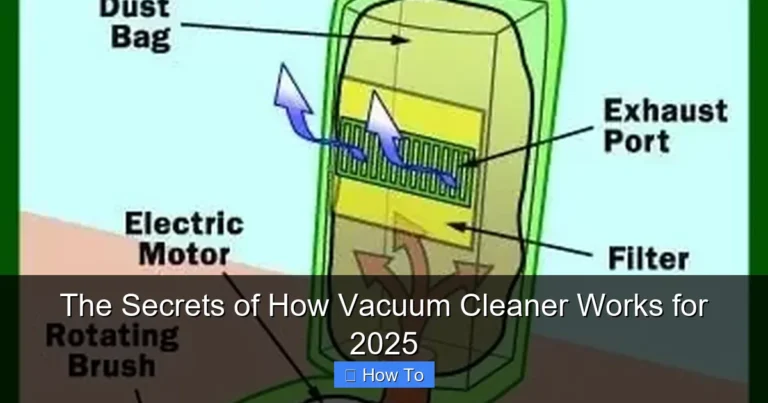
The magic behind this pressure differential is the motor and fan (also called an impeller). When you switch on your vacuum, the electric motor rapidly spins a fan. This fan has blades that are designed to push air out of the vacuum cleaner’s exhaust port. As air is pushed out, a partial vacuum, or low-pressure area, is created inside the main body of the cleaner. This is the engine of suction, and it’s key to understanding how a vacuum cleaner works so effectively.
Step-by-Step: The Journey of Dirt Through a Vacuum Cleaner
Visual guide about 2025 Vacuum Cleaner How Does It Work Ultimate Guide
Image source: as-assets.marknetalliance.com
Let’s follow a piece of dirt from your floor, through the vacuum, and into its final resting place. This step-by-step journey reveals the intricate process of how a vacuum cleaner works.
Step 1: The Inlet Nozzle and Brush Roll – Gathering the Grime
The first point of contact for dirt is the vacuum cleaner’s inlet nozzle. This is where the magic begins.
Different Nozzle Types
Modern vacuums come with various nozzles tailored for different surfaces. You might have a wide floor nozzle for carpets, a crevice tool for tight spaces, or a brush tool for upholstery. Each is designed to maximize airflow and dirt collection for specific tasks.
The Mechanics of the Brush Roll
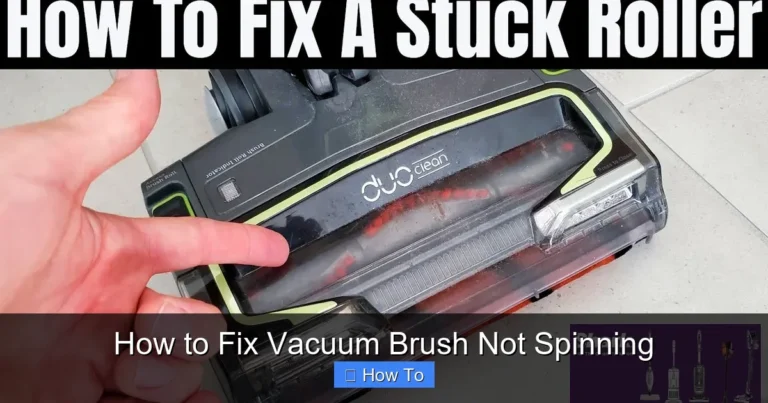
On many upright and stick vacuum cleaners, especially those designed for carpets, the nozzle contains a spinning brush roll. This rotating brush, often powered by a separate belt from the motor, serves a crucial purpose. It agitates the carpet fibers, loosening embedded dirt, pet hair, and debris that suction alone might miss. Think of it as gently sweeping the dirt up so the air current can easily carry it away. This combination of agitation and suction is a powerful demonstration of how a vacuum cleaner works on various surfaces.
Step 2: The Airflow Path and Motor – Creating the Sucking Force
Once dirt enters the nozzle, it’s drawn into the main body of the vacuum cleaner.
The Powerful Motor
The electric motor is the heart of the vacuum cleaner. Its power is often measured in watts, but it’s the efficient conversion of electrical energy into mechanical energy for spinning the fan that truly matters for suction. In 2025, motors are more energy-efficient and often brushless, leading to longer lifespans and quieter operation.
The Impeller Fan
Attached to the motor shaft is the impeller fan. As discussed, this fan spins at extremely high speeds, creating the low-pressure zone that pulls air (and dirt) into the vacuum. The design of the fan blades is crucial for maximizing airflow and suction power, which is a core element of how a vacuum cleaner works.
Step 3: Dirt Separation and Collection – Bagged vs. Bagless
After traveling through the hose or internal ducts, the dirt-laden air reaches the collection system. This is where modern vacuum cleaners diverge into two main types: bagged and bagless.
Bagged Systems
In a bagged vacuum cleaner, the dirt and debris are simply collected into a disposable paper or synthetic bag. The air passes through the bag material, which acts as a filter, trapping particles while allowing clean air to pass through. When the bag is full, you simply remove and discard it, minimizing contact with dust.
Bagless Systems and Cyclonic Action
Bagless vacuum cleaners, which are incredibly popular in 2025, utilize a clever design called cyclonic separation. Inside the dustbin, the incoming air is spun rapidly in a vortex, similar to a mini-tornado. Centrifugal force pushes heavier dirt particles against the outer walls of the dustbin, where they lose momentum and fall into the bottom of the bin. The lighter, cleaner air continues upwards, eventually passing through additional filters. This ingenious method allows for constant suction power even as the dustbin fills and eliminates the need for disposable bags. It’s a prime example of how a vacuum cleaner works using physics to separate dirt efficiently.
Step 4: Advanced Filtration Systems – Cleaning the Air
Before the air is expelled back into your home, it undergoes rigorous filtration. This step is vital for ensuring the vacuum cleaner doesn’t just redistribute dust but truly cleans your environment.
HEPA Filters and Their Importance
High-Efficiency Particulate Air (HEPA) filters are a hallmark of quality vacuum cleaners in 2025. These specialized filters are designed to capture 99.97% of airborne particles as small as 0.3 microns. To give you context, that includes pollen, pet dander, dust mites, and even some bacteria and viruses. Many modern vacuums are “sealed HEPA” systems, meaning all the air passes through the filter before exiting, preventing unfiltered air from leaking out.
Multi-Stage Filtration
Many vacuums employ multi-stage filtration. This means the air passes through several filters of varying densities. Often, there’s a pre-filter (sometimes washable) to trap larger particles, protecting the more delicate HEPA filter and extending its life. This layered approach ensures thoroughly clean exhaust air. Understanding the filtration system is crucial to understanding how a vacuum cleaner works to improve indoor air quality.
Step 5: Exhaust and Clean Air Release
Finally, the thoroughly filtered air is expelled back into your room, often noticeably cleaner than the air that was drawn in. The exhaust port is typically positioned to direct this airflow away from the immediate cleaning area.
Beyond the Basics: 2025 Vacuum Cleaner Innovations
The fundamental principles of how a vacuum cleaner works remain, but the technology has advanced significantly.
Cordless and Robotic Vacuums: Unique Mechanics
These two categories represent some of the biggest innovations in how a vacuum cleaner works.
Battery Technology and Power Management
Cordless stick vacuums rely on powerful lithium-ion batteries. Manufacturers have made significant strides in battery life and charging times. Advanced power management systems optimize suction power based on the floor type detected, extending runtime.
Smart Navigation and AI (for Robot Vacuums)
Robotic vacuums are marvels of automation. They use an array of sensors (infrared, optical, cliff sensors, bump sensors) to map your home, avoid obstacles, and navigate efficiently. Advanced models in 2025 integrate AI to learn floor plans, recognize dirtier areas for targeted cleaning, and even communicate with other smart home devices. Their internal suction mechanisms are scaled-down versions of traditional vacuums, often featuring smaller brush rolls and cyclonic separation for compact efficiency.
Wet/Dry Vacuums: How They Differ
While most residential vacuums are for dry debris, wet/dry vacuums (often called shop vacs) are designed to handle liquids as well. Their internal design is modified with specific features like a bypass motor (where the motor air doesn’t mix with the dirty intake air) and a float mechanism that shuts off suction when the tank is full, preventing damage. They typically lack a brush roll for agitation as it’s not needed for liquids.
Water Filtration Vacuums
These specialized vacuums use a basin of water to trap dust and debris. Instead of a bag or cyclonic chamber, the dirty air is bubbled through water, where particles are submerged and trapped. This can be very effective for allergens, but it requires diligent cleaning of the water basin after each use.
Troubleshooting Common Vacuum Cleaner Issues
Even with the best technology, sometimes your vacuum cleaner might not perform as expected. Knowing how a vacuum cleaner works helps you troubleshoot!
Why Your Vacuum Might Lose Suction
A common and frustrating problem is a sudden drop in suction power. Here are the usual culprits:
Clogs
This is the most frequent cause. Hair, large debris, socks, or even small toys can get lodged in the nozzle, brush roll, hose, or internal ducts, blocking airflow. Always check these areas first.
Full Bag/Bin
If your bag is overflowing or your dustbin is packed, the vacuum struggles to maintain that crucial pressure differential. Emptying or replacing the bag/bin is a quick fix.
Filter Issues
Clogged or dirty filters severely restrict airflow. If your filters are washable, clean them according to the manufacturer’s instructions and ensure they are completely dry before reinserting. If they’re disposable, replace them regularly. A dirty filter significantly impairs how a vacuum cleaner works.
Belt Problems
On vacuums with brush rolls, a broken or worn-out belt means the brush won’t spin. While the vacuum will still technically have suction, its ability to agitate and lift embedded dirt will be severely compromised. Belts are usually replaceable.
Maintenance Tips for Optimal Performance
To ensure your vacuum cleaner continues to work efficiently for years to come, regular maintenance is key.
Regular Cleaning of Components
Periodically check and clean the brush roll. Remove tangled hair, strings, and debris that can wrap around it and reduce its effectiveness. Also, inspect the nozzle and hose for any obstructions.
Filter Care
Follow the manufacturer’s guidelines for filter cleaning and replacement. For washable filters, use only water and ensure they are bone dry before putting them back. For disposable filters, keep track of when they need to be replaced. This is paramount to how a vacuum cleaner works effectively and maintains air quality.
Bag/Bin Management
Don’t wait until your dust bag is bursting or your dustbin is overflowing. For bagless models, empty the bin after every few uses or when it reaches the “max fill” line. For bagged models, change the bag before it’s completely full to maintain optimal suction.
Conclusion
From the simple physics of air pressure to the complex algorithms of robotic navigation, the “2025 Vacuum Cleaner How Does It Work Ultimate Guide” has revealed the ingenious design behind these everyday marvels. We’ve explored how a vacuum cleaner works by creating suction, agitating dirt, separating debris, and meticulously filtering the air, leaving your home cleaner and healthier.
The next time you power up your vacuum, you’ll have a deeper appreciation for the motor humming, the brush roll spinning, and the invisible forces at play. Keeping your vacuum well-maintained will ensure it continues to be a powerful ally in your quest for a spotless and fresh home. Happy cleaning!