How Does a Vacuum Cleaner Work 2025 Your Ultimate Guide
Ever wondered about the magic behind your clean floors? This guide demystifies how a vacuum cleaner works, from its fundamental principles of air pressure and suction to its intricate filtration systems. We’ll explore the core components, modern innovations in 2025 like smart tech and advanced filtration, and provide essential tips for maintenance, ensuring you get the best performance from your vacuum cleaner. Understand the engineering that keeps your home spotless and enjoy a cleaner, healthier living space.
How Does a Vacuum Cleaner Work 2025 Your Ultimate Guide
Ah, the vacuum cleaner. It’s one of those household appliances we often take for granted, humming along, gobbling up dust bunnies and crumbs, leaving our floors sparkling clean. But have you ever stopped to wonder, “How does a vacuum cleaner actually work?” It seems like magic, right? A simple flick of a switch, and suddenly, dirt disappears!
In this ultimate guide for 2025, we’re going to pull back the curtain and demystify the incredible engineering behind this everyday marvel. We’ll delve into the science of suction, explore the vital components, understand how modern innovations have transformed the vacuum cleaner, and arm you with practical tips to keep your machine running at peak performance. Whether you have a traditional upright, a sleek canister, or a futuristic robot, the fundamental principles remain surprisingly similar, even with all the 2025 tech upgrades. Let’s get started on understanding the unsung hero of cleanliness!
Key Takeaways
- The Core Principle is Air Pressure: A vacuum cleaner creates a low-pressure zone inside its body using a motor and fan, causing higher external air pressure to push dust and debris into the machine.
- Key Components Work in Synergy: The motor, fan, suction nozzle, collection chamber (bag/bin), and filtration system are all essential for a vacuum cleaner’s effective operation.
- Filtration is Crucial for Clean Air: Whether through cyclonic separation, bags, or HEPA filters, the vacuum cleaner’s filtration system traps particles and allergens, releasing cleaner air back into your home.
- Modern Vacuum Cleaners are Smart: By 2025, many vacuum cleaners incorporate AI, smart mapping, app control, advanced sensors, and powerful, long-lasting battery technology for enhanced user experience and efficiency.
- Regular Maintenance is a Must: To ensure optimal performance and longevity, consistently clean or replace filters, empty the dust bin/bag, and check for blockages.
- Troubleshooting is Simple: Most common vacuum cleaner issues, like reduced suction, can be resolved by checking for clogs, inspecting filters, or emptying the collection chamber.
- Sustainability is a Growing Focus: Manufacturers are increasingly designing vacuum cleaners with durable, recyclable materials and energy-efficient motors to reduce environmental impact.
Quick Answers to Common Questions
What’s the best way to maintain my vacuum cleaner’s suction?
Regularly cleaning or replacing your filters and emptying the dust bin/bag promptly are the two most crucial steps to ensure your vacuum cleaner maintains strong suction. Clogged filters and full bins severely restrict airflow.
How often should I clean or replace my vacuum cleaner’s filters?
For washable filters, clean them monthly or as needed. For disposable filters, check your vacuum cleaner’s manual, but generally, replacing them every 6-12 months is recommended, especially for HEPA filters.
Can a vacuum cleaner improve indoor air quality?
Absolutely! Modern vacuum cleaners, particularly those with sealed systems and HEPA filters, can trap microscopic allergens like pollen, pet dander, and dust mites, releasing significantly cleaner air back into your home.
What’s the difference between cyclonic and bagged vacuum cleaners?
Cyclonic (bagless) vacuum cleaners spin air at high speeds to separate dirt into a clear bin. Bagged vacuum cleaners collect dirt in a disposable bag that also acts as a filter. Both are effective, but bagged models tend to contain allergens better during disposal.
Is a robotic vacuum cleaner as powerful as a traditional one?
While robotic vacuum cleaners have made huge strides in suction power by 2025, traditional uprights and canisters often still offer superior raw power for deep cleaning carpets. Robots excel in convenience and maintaining cleanliness between deeper cleans.
The Magic of Air Pressure: How Suction is Born
At its heart, a vacuum cleaner doesn’t “suck” in the way you might imagine. Instead, it creates a powerful pressure difference that literally pushes dirt into its collection chamber. Think of it like a tiny, controlled tornado in a box.
Understanding Air Pressure
Our world is surrounded by air, and that air has pressure. We don’t usually feel it because it’s balanced all around us. However, if you create an area where the air pressure is lower than the surrounding environment, the higher-pressure air will naturally rush in to fill that void. This fundamental principle is what makes a vacuum cleaner so effective.
The Fan and Motor: The Heartbeat of Suction
The core of every vacuum cleaner is its electric motor and an attached fan (often called an impeller). When you turn on your vacuum cleaner, the motor spins this fan at incredibly high speeds. The fan blades are designed to push air out of an exhaust port, creating a partial vacuum—a zone of significantly lower air pressure—inside the vacuum cleaner’s housing. This is where the magic truly begins.
Step-by-Step Breakdown of Operation
Let’s follow the journey of a dust particle from your floor into the vacuum cleaner, step by step.

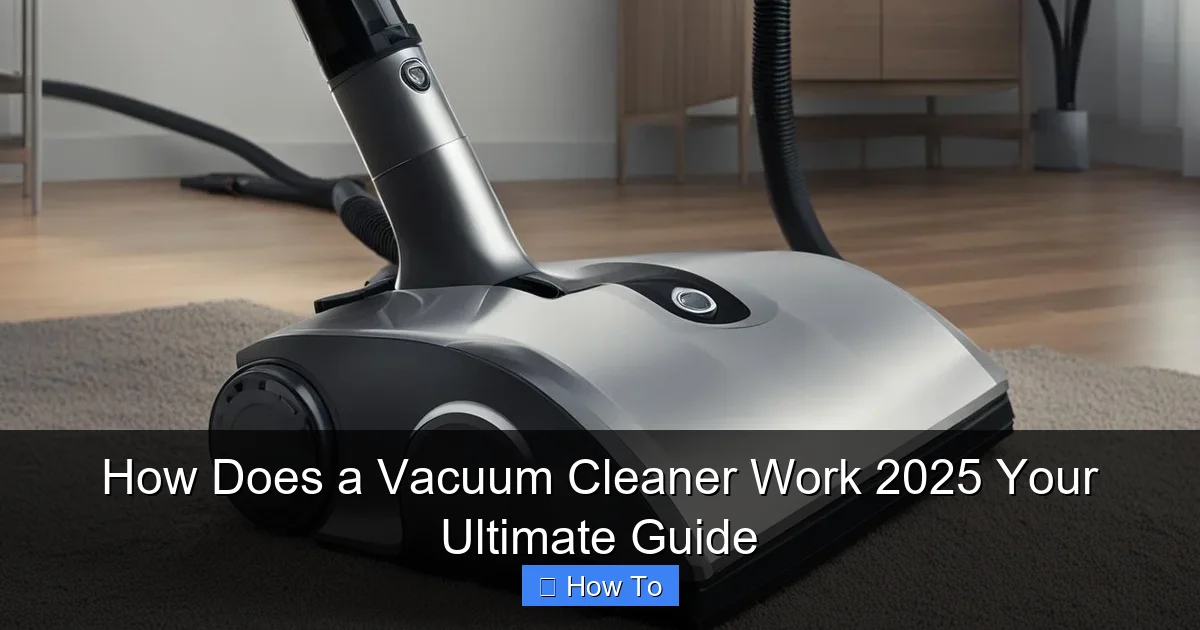
Visual guide about How Does a Vacuum Cleaner Work 2025 Your Ultimate Guide
Image source: img.global.news.samsung.com
Step 1: Powering Up and Motor Activation
The first step is simple: you plug in your corded vacuum cleaner or ensure your cordless model has a charged battery, and then you hit the power button. This sends an electrical current to the motor.
The Electrical Current
For corded models, electricity flows directly from your wall outlet. For cordless vacuum cleaners, a powerful, often lithium-ion battery (much improved by 2025 for longer runtimes and faster charging) provides the necessary juice.
Fan Rotation Begins
As the motor receives power, it springs to life, spinning the fan at a dizzying rate. This rapid rotation is the starting pistol for the entire cleaning process.
Step 2: Airflow and Pressure Differential
Once the fan is spinning, it begins to manipulate the air, setting up the critical pressure difference.
Low Pressure Inside, High Pressure Outside
The fan actively expels air from the internal chamber of the vacuum cleaner through an exhaust port. This action reduces the air pressure inside the machine. Simultaneously, the air outside the vacuum cleaner, surrounding the nozzle, remains at normal atmospheric pressure—which is now comparatively much higher.
The “Pull” Effect
Because nature abhors a vacuum (or a low-pressure zone), the higher-pressure air from outside rushes into the lower-pressure area inside the vacuum cleaner. And what does this rushing air carry with it? All the dirt, dust, pet hair, and crumbs unfortunate enough to be in its path! This is the fundamental “suction” action.
Step 3: Dirt and Debris Ingestion
The high-speed airflow isn’t just for moving clean air; it’s the express train for grime.
Suction Nozzle and Attachments
The air and debris enter through the vacuum cleaner’s nozzle, which is designed to concentrate the airflow for maximum effectiveness. Various attachments—like crevice tools, brush tools, or upholstery tools—further optimize this intake for different surfaces and hard-to-reach spots.
Brushes and Agitation (for uprights/canisters)
Many upright and canister vacuum cleaners feature a rotating brush roll (sometimes called a beater bar) located in the floor nozzle. This brush, often powered by a separate motor or the main airflow, agitates carpet fibers. This agitation dislodges embedded dirt and debris, making it easier for the suction to lift them into the airflow. For hard floors, the brush roll might be softer or designed for gentle sweeping.
Step 4: Filtration – Trapping the Grime
Once the dirt-laden air is inside, the vacuum cleaner has another crucial job: separating the dirt from the air and trapping it, so only clean air is expelled.
Cyclonic Separation (Bagless Vacuum Cleaners)
Many modern bagless vacuum cleaners use cyclonic technology. Inside the dust bin, the incoming air is spun rapidly, creating a miniature vortex, much like a tornado. The centrifugal force generated by this spinning action throws heavier dirt particles and debris outwards against the walls of the bin. These particles then lose momentum and fall into the collection chamber, while the lighter, cleaner air continues its journey towards further filters.
Bagged Filtration
In bagged vacuum cleaners, the incoming air and dirt are directed straight into a disposable bag. The bag itself acts as the primary filter, trapping larger particles while allowing air to pass through its porous material. As the air exits the bag, it often passes through additional pre-motor and post-motor filters for finer particle removal.
HEPA Filters and Allergen Capture
Many 2025 vacuum cleaners, especially those marketed for allergy sufferers, feature High-Efficiency Particulate Air (HEPA) filters. These advanced filters are designed to capture at least 99.97% of airborne particles 0.3 micrometers in diameter, including pollen, pet dander, dust mites, and mold spores. This significantly improves indoor air quality, making your home not just visually clean, but genuinely healthier.
Step 5: Exhaust and Clean Air Release
After passing through the various filtration stages, the now-clean air is ready to be released back into your room.
Air Returns to the Room
The fan, which initially expelled air to create the low-pressure zone, also serves to push this filtered air out through the exhaust port of the vacuum cleaner. This completes the cycle, returning purified air to your environment.
The Importance of Clean Filters
If filters become clogged with dirt and fine particles, the airflow through the vacuum cleaner is restricted. This reduces suction power, makes the motor work harder (potentially overheating it), and can lead to dirt being blown back into the room. Regular maintenance of these filters is paramount for efficient operation.
Beyond the Basics: Modern Innovations (2025 Context)
While the core principles of the vacuum cleaner have remained consistent, the technology has certainly evolved, especially looking at models in 2025. Today’s vacuum cleaners offer features that were once considered futuristic.
Smart Technology & Connectivity
The rise of the smart home has profoundly impacted the vacuum cleaner. Robotic vacuum cleaners, in particular, are at the forefront of this trend.
Robotic Vacuums with AI Mapping
Many advanced robot vacuum cleaners in 2025 use sophisticated AI-powered mapping technology (LIDAR, vSLAM) to precisely navigate and map your home. They can identify different room types, obstacles, and even potential “no-go” zones. Some learn optimal cleaning paths over time, adapting to furniture changes.
App Control and Voice Assistants
Control your smart vacuum cleaner from anywhere via a smartphone app. You can schedule cleaning times, select specific rooms, view cleaning maps, and even integrate them with voice assistants like Amazon Alexa or Google Assistant for hands-free operation. “Hey Google, tell the vacuum cleaner to clean the living room!” is a common command.
Advanced Filtration Systems
Beyond HEPA, some 2025 vacuum cleaners feature multi-stage filtration with washable components, anti-allergen seals, and even activated charcoal filters to combat odors, making them ideal for pet owners and those with sensitivities.
Battery Tech & Cordless Freedom
Cordless stick vacuum cleaners have seen massive improvements. In 2025, powerful, lightweight lithium-ion batteries offer significantly longer runtimes (often 60+ minutes on a single charge) and faster charging cycles. This means less downtime and more convenience, allowing you to clean your entire home without being tethered to an outlet.
Eco-Friendly Design & Sustainability
Manufacturers are increasingly focusing on sustainability. This includes using recycled plastics in vacuum cleaner components, designing for easier repairability, and developing more energy-efficient motors to reduce power consumption. Expect to see more modular designs that allow for easy part replacement rather than full unit disposal.
Practical Tips for Optimal Performance
Understanding how your vacuum cleaner works is the first step; maintaining it properly ensures it always performs its best. Here are some essential tips for any vacuum cleaner.
Maximizing Your Vacuum Cleaner’s Efficiency
A little regular care goes a long way in keeping your vacuum cleaner working like new.
Regular Filter Cleaning/Replacement
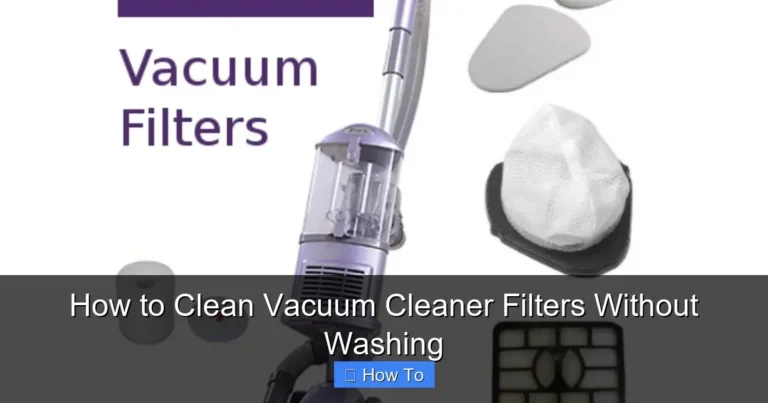
This is perhaps the most critical maintenance task. For washable filters, rinse them under cool water until clean, then let them air dry completely (usually 24-48 hours) before putting them back. For disposable filters (like some HEPA types), replace them according to the manufacturer’s recommendations, typically every 6-12 months. Clean filters ensure maximum suction and clean exhaust air.
Emptying the Dust Bin/Bag Promptly
Don’t wait until it’s overflowing! A full dust bin or bag significantly reduces suction power. Empty bagless bins after every use or when the “max fill” line is reached. Change bags when they are about two-thirds full to maintain optimal airflow.
Clearing Blockages
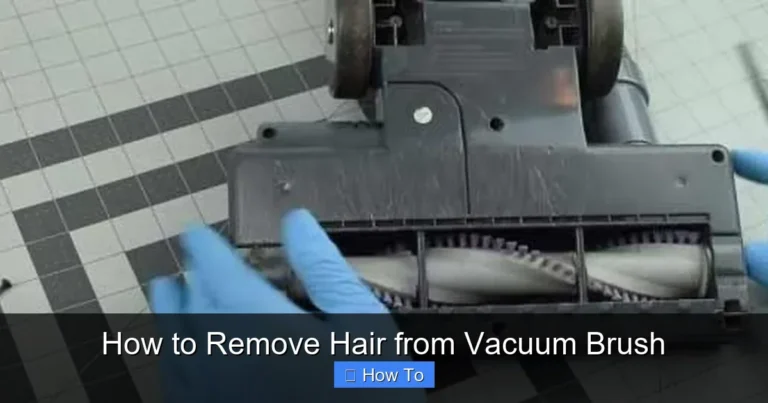
Hoses, brush rolls, and nozzles can become clogged with large debris, tangled hair, or even small toys. Periodically inspect these areas. Most vacuum cleaners are designed for easy access to clear these obstructions. Unplug the vacuum cleaner before checking for blockages!
Choosing the Right Attachments
Using the correct attachment for the job makes a huge difference. The crevice tool for tight corners, the upholstery tool for furniture, and the brush tool for dusting delicate surfaces all enhance your vacuum cleaner’s versatility and effectiveness.
Common Issues & Simple Troubleshooting
Even with proper maintenance, you might encounter issues. Here are quick fixes for common vacuum cleaner problems.
My Vacuum Cleaner Isn’t Suctioning Properly!
This is the most frequent complaint. Here’s what to check first for your vacuum cleaner:
Check for Clogs
This is the prime suspect. Disconnect the hose and visually inspect it for blockages. Also, check the floor nozzle where the hose connects and the area around the brush roll. Sometimes a broom handle or a long stick can help dislodge stubborn clogs. Remember to unplug the vacuum cleaner first!
Inspect Filters
Are they dirty or clogged? If so, clean or replace them. A heavily soiled filter can drastically reduce airflow and suction.
Verify Bag/Dust Bin Fullness
As mentioned, a full bag or bin chokes off airflow. Empty it and try again.
Look for Hose Damage
Sometimes, a crack or hole in the hose can cause a loss of suction. If you find damage, you might need to replace the hose.
Conclusion
From the hum of its motor to the satisfying gulp of grime, the vacuum cleaner is a testament to clever engineering. It’s not just a machine that “sucks” dirt; it’s a sophisticated system that manipulates air pressure, separates particles, and purifies the air we breathe. By understanding how a vacuum cleaner works, you gain a deeper appreciation for this indispensable tool and are better equipped to maintain it for years of efficient cleaning.
As we move further into 2025, vacuum cleaner technology will undoubtedly continue to evolve, offering even smarter, more efficient, and sustainable ways to keep our homes clean. But at its core, the principle of harnessing air pressure will remain the silent hero, ensuring our living spaces are always a breath of fresh air. Happy cleaning!
🎥 Related Video: The best Wet and Dry Vacuum Cleaner to keep your home spotless #vacuumcleaner #vacuum #amazon 53
📺 Best Products
The best Wet and Dry Vacuum Cleaner to keep your home spotless #vacuumcleaner #vacuum #shorts #amazon Looking for the …