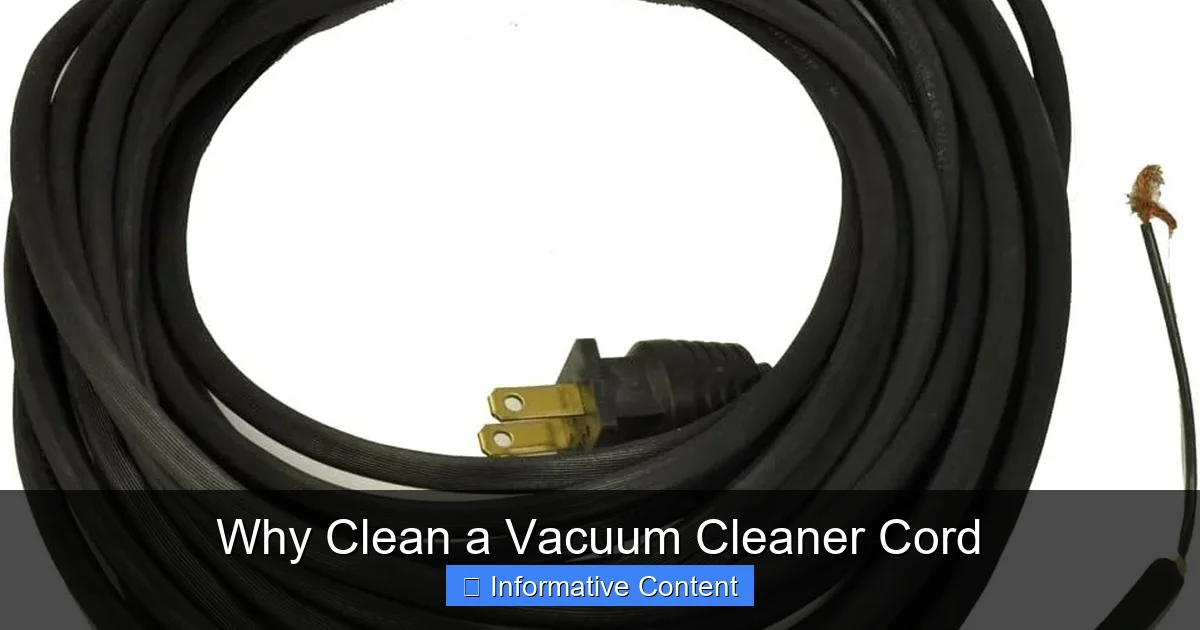
Why Clean a Vacuum Cleaner Cord
It might seem like a small detail, but cleaning your vacuum cleaner cord is surprisingly important. It’s not just about aesthetics; a clean cord prevents serious electrical hazards and fire risks from dust buildup and damage. Regularly cleaning your cord also significantly extends the lifespan of your appliance and helps maintain a more hygienic home environment, stopping the spread of dirt and germs from floor to hand.
You’ve just finished vacuuming your home. The carpets look plush, the hard floors gleam, and there’s that satisfying hum of a job well done. You coil up the cord, put the vacuum away, and move on with your day. But wait—did you ever stop to think about the long, often grimy, power cord you just wrapped up? Probably not. It’s one of those overlooked household items, silently doing its job, often collecting more than just a little dust.
Most of us focus our cleaning efforts on the vacuum cleaner itself: emptying the canister, washing the filter, even cleaning the brush roll. These are all excellent practices for maintaining your appliance and ensuring effective cleaning. However, the humble power cord often gets forgotten. Yet, ignoring this simple component can have surprisingly significant consequences, impacting everything from your home’s safety to the lifespan of your beloved vacuum. Let’s delve into why cleaning a vacuum cleaner cord is far more important than you might imagine.
So, why clean a vacuum cleaner cord? It’s not just about making it look nice. It’s about protecting your home, your family, and your investment. From electrical hazards to hygiene concerns, the reasons are compelling. Get ready to uncover the hidden truths about this often-neglected household task and discover why a little attention to your cord can go a long way.
Key Takeaways
- Mitigate Electrical Hazards: Dust and grime on your cord can insulate heat, potentially leading to overheating, short circuits, and a heightened risk of fire, making it crucial to clean a vacuum cleaner cord regularly.
- Prevent Fire Risks: A dirty cord, especially one with accumulated lint or pet hair, can become a significant fire hazard, particularly if the cord is damaged or coiled tightly during use.
- Extend Appliance Lifespan: Regular cleaning and inspection of the cord helps identify wear and tear early, preventing costly damage to the vacuum cleaner’s electrical system and prolonging its overall life.
- Improve Home Hygiene: Vacuum cleaner cords drag across various dirty surfaces and can harbor allergens, bacteria, and germs, which can then be transferred to hands and other areas of your home if not cleaned.
- Enhance Safety and Peace of Mind: A clean and well-maintained cord reduces the risk of electrical shocks and fires, offering peace of mind that your home and family are safer during cleaning tasks.
- Maintain Optimal Performance: While not directly affecting suction, a well-maintained cord ensures a consistent power supply, preventing intermittent power issues that can stem from poor connections or damaged wiring.
Quick Answers to Common Questions
Is cleaning my vacuum cleaner cord really necessary?
Yes, absolutely! It’s necessary for safety, preventing electrical hazards, extending your vacuum’s life, and maintaining a hygienic home environment.
How often should I clean my vacuum cleaner cord?
It’s a good idea to wipe down your cord every few uses or at least once a month, especially if you vacuum frequently or have pets.
What if I see frayed wires or cracks on my cord?
If you notice any significant damage like frayed wires, exposed inner insulation, or cracks, stop using the vacuum immediately. Do not attempt to repair it yourself; seek professional repair or replace the vacuum to avoid serious electrical hazards.
Can I use harsh chemicals or abrasive cleaners on the cord?
No, avoid harsh chemicals, bleach, or abrasive cleaners. These can damage the cord’s insulation. Stick to a soft cloth dampened with mild soap and water.
Does a dirty cord affect my vacuum cleaner’s suction power?
No, a dirty cord itself typically does not directly affect the vacuum cleaner’s suction power. However, a damaged cord can lead to intermittent power supply, which can make the vacuum perform poorly.
📑 Table of Contents
The Hidden Dangers Lurking on Your Cord
The very nature of a vacuum cleaner cord means it’s constantly dragged across floors, around furniture legs, and sometimes even stepped on. This constant contact with various surfaces and potential stressors makes it a magnet for dirt and grime, but more importantly, a potential hotspot for hazards you might not even consider.
Electrical Hazards and Fire Risk
One of the most critical reasons why clean a vacuum cleaner cord is to mitigate electrical hazards. As your vacuum cleaner cord travels across floors, it picks up dust, pet hair, lint, and all sorts of debris. This accumulation isn’t just unsightly; it can be dangerous. Dust and dirt can get into tiny cracks or abrasions on the cord’s insulation. Over time, this buildup can act as an insulating layer, trapping heat that the cord naturally generates when electricity flows through it. This overheating can weaken the cord’s protective outer layer, leading to fraying or cracking of the insulation.
Once the insulation is compromised, the inner wires are exposed. This creates a serious risk of short circuits, electrical shocks, or even fires. Imagine the scenario: a frayed cord, hidden under a layer of dust, generating excessive heat near flammable materials like carpet or curtains. It’s a recipe for disaster. This is why cleaning a vacuum cleaner cord and inspecting it for damage is an essential safety check.
Spreading Germs and Allergens
Think about where your vacuum cleaner cord has been. It’s been on the kitchen floor where food might have dropped, across the bathroom tile, perhaps even through pet messes. It’s a literal highway for germs, bacteria, and allergens. As you pull the cord around your home, it acts like a giant, dirty sponge, picking up everything from dust mites to mold spores and bacteria.
When you coil the cord up after use, you’re handling all that accumulated grime. You then transfer these invisible contaminants to your hands, which can then transfer them to door handles, light switches, or even your face. This defeats the purpose of cleaning your home in the first place! Regularly cleaning your vacuum cleaner cord helps to break this chain of contamination, contributing to a genuinely cleaner and healthier living environment for everyone.
Extending the Life of Your Vacuum Cleaner
Your vacuum cleaner is an investment. You want it to last as long as possible, performing efficiently with every use. A clean cord plays a surprisingly significant role in achieving this longevity and ensuring consistent performance.
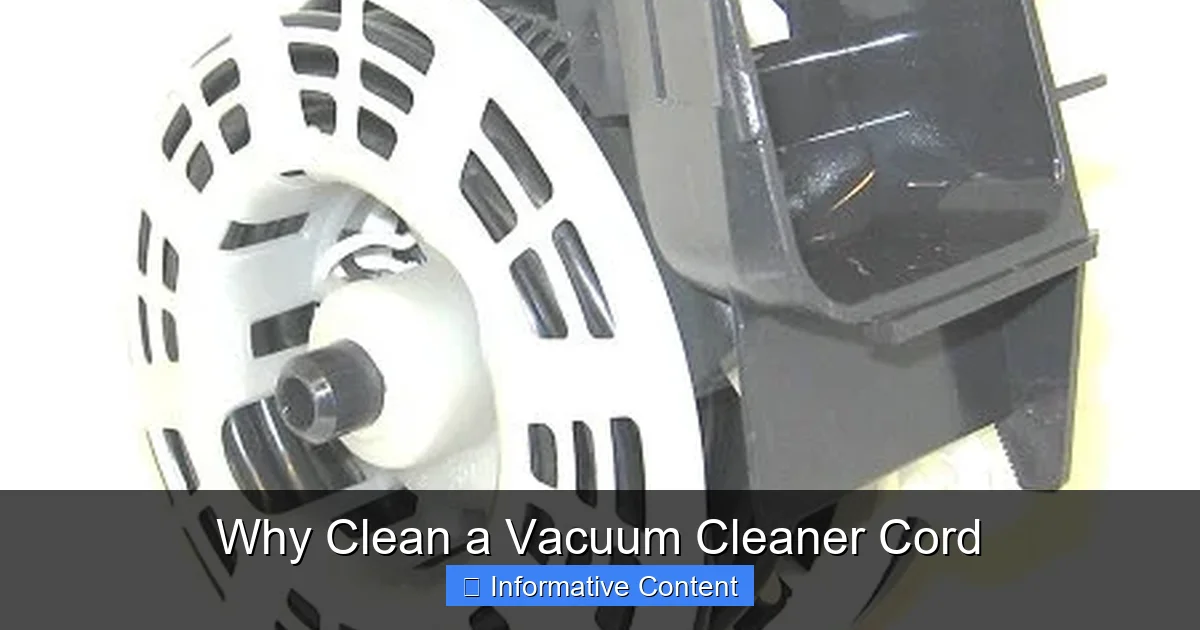
Visual guide about Why Clean a Vacuum Cleaner Cord
Image source: static.wixstatic.com
Preventing Wear and Tear
The constant dragging and coiling of a vacuum cleaner cord naturally causes wear and tear. However, dirt and grit act as abrasives, accelerating this process. Fine particles can work their way into the cord’s outer jacket, causing tiny nicks and scratches that weaken the material over time. These small imperfections can then turn into larger cracks or fraying, especially in areas where the cord bends frequently, such as near the plug or where it attaches to the vacuum.
By keeping the cord clean, you reduce the abrasive action of dirt and prolong the integrity of its outer insulation. This preventative measure is a key reason why clean a vacuum cleaner cord: it’s about protecting the physical structure of the cord itself, which in turn protects the internal wiring.
Maintaining Electrical Integrity
A damaged or compromised cord can lead to intermittent power supply to your vacuum cleaner. This inconsistent flow of electricity can put undue strain on the vacuum’s motor and other internal electrical components. Surges and drops in power can cause parts to wear out faster, potentially leading to expensive repairs or even the premature demise of your appliance.
A clean, undamaged cord ensures a steady and reliable power connection, allowing your vacuum to operate at its optimal performance level without unnecessary stress on its internal mechanisms. This simple act of maintenance, knowing why clean a vacuum cleaner cord, is crucial for the long-term health of your machine.
Enhancing Your Home’s Cleanliness and Hygiene
The whole point of vacuuming is to make your home cleaner. It seems counterintuitive then that a part of your vacuum could be actively making it dirtier. But that’s precisely what a neglected cord can do.
Stopping the Spread of Germs
We’ve touched on this before, but it bears repeating: the vacuum cord is a conduit for germs. Imagine all the surfaces it touches – floors, baseboards, under furniture, in pet zones. Each of these areas can harbor bacteria, viruses, and other microorganisms. When you finish vacuuming and wrap the cord, all those contaminants are transferred to your hands. From your hands, they can spread to surfaces you touch, like kitchen counters, doorknobs, remote controls, and even your face. This can be particularly concerning in homes with young children, pets, or individuals with compromised immune systems.
Regularly cleaning your vacuum cleaner cord acts as a preventative measure, breaking this cycle of cross-contamination and helping to maintain a truly sanitary home environment. It’s a small step that makes a big difference in overall hygiene.
Reducing Allergen Transfer
For allergy sufferers, dust is the enemy. Your vacuum cleaner is designed to remove dust, pollen, pet dander, and other allergens from your home. However, if the cord itself is caked with these same allergens, you’re simply dragging them from one room to another, or worse, releasing them back into the air as you coil and uncoil the cord.
A clean cord ensures that you’re not inadvertently reintroducing allergens into your living spaces. When you clean a vacuum cleaner cord, you’re not just removing visible dirt; you’re also eliminating invisible particles that can trigger allergic reactions and impact indoor air quality. This makes your vacuuming efforts more effective at creating an allergen-free zone.
The Simple Steps to a Cleaner Cord
Now that you understand the compelling reasons why clean a vacuum cleaner cord, you might be wondering how to actually do it. Good news: it’s incredibly simple and requires minimal effort and supplies.
Safety First: Unplugging is Key
Before you do anything else, the absolute most important step is to **unplug your vacuum cleaner from the wall outlet.** This might seem obvious, but it’s easy to overlook when you’re rushing. Never attempt to clean any part of an electrical appliance while it is plugged in. This eliminates any risk of electrical shock during the cleaning process.
Choosing the Right Cleaning Supplies
You don’t need fancy cleaners for this task. All you really need are:
- A soft, damp cloth (microfiber works great)
- A small amount of mild dish soap or an all-purpose cleaner diluted in water
- A dry cloth for wiping
Avoid harsh chemical cleaners, abrasive scrubbers, or excessive amounts of water, as these can damage the cord’s insulation or get into the vacuum’s electrical components.
Techniques for Effective Cleaning and Inspection
- Prepare your cloth: Dampen your soft cloth with the diluted soap solution. Wring it out thoroughly so it’s moist, not dripping wet.
- Wipe down the cord: Starting from the vacuum cleaner end, firmly grip a section of the cord with the damp cloth and wipe along its length. Apply enough pressure to remove dirt and grime. As you work your way down the cord, you’ll likely be surprised by how much dirt comes off.
- Inspect as you clean: While wiping, take the opportunity to visually inspect the entire length of the cord. Look for any signs of damage:
- Fraying or exposed wires
- Cracks or splits in the insulation
- Kinks, twists, or severe bends
- Discoloration or burn marks
- Loose connections at the plug or where it enters the vacuum
If you spot any significant damage, it’s best to have the cord repaired by a professional or consider replacing the vacuum, as a damaged cord is a serious safety hazard.
- Dry thoroughly: After cleaning, use a separate dry cloth to wipe down the entire cord, ensuring it is completely dry before coiling it up or plugging it back in. Moisture and electricity do not mix!
Storage Best Practices
Once clean, coil your cord loosely and neatly. Avoid wrapping it too tightly, as this can put stress on the wires and insulation, leading to premature wear. Use the designated cord hooks on your vacuum if it has them. Proper storage helps prevent kinks and extends the life of the cord between cleanings.
More Than Just Aesthetics: The Practical Benefits
Beyond the immediate safety and hygiene aspects, the simple act of cleaning your vacuum cleaner cord brings several practical benefits that contribute to a better-maintained home and a healthier lifestyle.
Peace of Mind
Knowing that you’ve taken steps to address potential electrical hazards and maintain a clean environment provides invaluable peace of mind. You can use your vacuum cleaner confidently, without worrying about unseen dangers or contributing to the spread of germs. This feeling of security is a powerful argument for why clean a vacuum cleaner cord regularly.
Financial Savings
Preventative maintenance, like cleaning your cord, can save you money in the long run. By extending the life of your vacuum cleaner and preventing electrical issues, you reduce the likelihood of costly repairs or the need for premature replacement. A simple cleaning task now can prevent a much larger expense down the line.
A Healthier Home Environment
Ultimately, a clean vacuum cleaner cord contributes to a genuinely healthier home. By preventing the spread of germs and allergens and ensuring your vacuum operates safely and efficiently, you’re creating a more sanitary and secure living space for yourself and your loved ones. It’s a small effort with a significant positive impact on your daily life.
So, the next time you finish vacuuming, don’t just coil and store. Take a moment to grab a damp cloth and give that cord a quick wipe down. It’s a simple habit that offers a wealth of benefits, from enhanced safety to a longer-lasting appliance and a cleaner, healthier home. Understanding why clean a vacuum cleaner cord empowers you to take better care of your tools and your living space.
🎥 Related Video: A Vacuum Cord Wrapping Tip You Need To Know #wow #cleaning #vacuum #cleaninghacks #needtoknow
📺 Clean That Up
A janitor’s pro tip when wrapping your vacuum cord. You’d be surprised how vacuums I’ve seen damaged being wrapped …
Frequently Asked Questions
What kind of dirt builds up on a vacuum cord?
Vacuum cleaner cords accumulate a variety of debris including dust, lint, pet hair, dirt from floors, and even invisible germs and bacteria. As the cord is dragged across different surfaces, it acts like a magnet for these particles.
Can a dirty cord void my warranty?
While a dirty cord itself may not void a warranty, damage to the cord resulting from neglect (like extreme fraying from not cleaning or inspecting it) that leads to internal electrical issues could potentially be grounds for a warranty claim denial, as it falls under user negligence.
Is cleaning the cord only about safety?
No, it’s not just about safety. While safety is paramount, cleaning your vacuum cleaner cord also significantly contributes to the longevity of your appliance, maintains a higher level of hygiene in your home, and offers peace of mind.
How do I store my cord properly after cleaning?
After cleaning and ensuring the cord is dry, coil it loosely and neatly. Avoid wrapping it too tightly around itself or the vacuum’s designated hooks, as excessive tension can put stress on the wires and insulation, leading to premature wear and kinks.
What are the signs my vacuum cord needs cleaning?
Obvious signs include visible dirt, dust, or pet hair clinging to the cord. If the cord feels gritty to the touch or if you notice any discoloration, it’s definitely time for a clean. Regular wiping, even when it looks “clean,” is a good preventative measure.
Is this task often overlooked?
Yes, cleaning the vacuum cleaner cord is one of the most commonly overlooked maintenance tasks for household appliances. Many people focus solely on the vacuum’s dirt container and filters, neglecting this crucial component that travels across all the dirty surfaces.