Why Are Vacuum Cleaner So Powerless
Many homeowners often ask, “why are vacuum cleaners so powerless?” The truth is, it’s rarely about a lack of actual power. Perceived weakness often stems from a complex interplay of design choices, filtration systems, inadequate maintenance, and incorrect usage. Understanding the difference between suction and airflow, and knowing how to properly care for your machine, can significantly transform your cleaning experience from frustrating to incredibly effective.
There’s a common complaint that echoes through homes everywhere: “My vacuum cleaner just isn’t powerful enough!” We’ve all been there, pushing the machine back and forth, watching debris stubbornly remain, and wondering, why are vacuum cleaners so powerless? It’s a frustrating experience, especially when you expect your trusty cleaning companion to effortlessly whisk away dirt, dust, and pet hair.
You might look at the wattage on the box, assume higher numbers mean more power, and still be left scratching your head when your brand-new machine struggles. The perception that vacuum cleaners are inherently powerless is widespread, but the reality is far more nuanced than a simple lack of raw motor strength. Instead, it’s a fascinating blend of engineering compromises, essential design features, maintenance needs, and even how we use these machines that truly dictate their performance.
Key Takeaways
- Suction vs. Airflow: The perceived power of a vacuum isn’t just about how much “suck” it has (suction); it’s crucially about the volume of air it can move (airflow). Both are vital for effective cleaning.
- Maintenance is Paramount: Clogged filters, full dust bags/canisters, tangled brush rolls, and blocked hoses are the primary culprits behind a vacuum feeling powerless, drastically reducing its efficiency.
- Design and Purpose: Different vacuum types (upright, canister, stick, robot) are designed with specific cleaning tasks and environments in mind. A machine ideal for hard floors might struggle on deep pile carpet.
- Filtration Systems: While essential for air quality, advanced filtration like HEPA filters can slightly reduce airflow if not cleaned or replaced regularly, contributing to a “powerless” feeling.
- User Technique Matters: How you vacuum—speed, attachment choice, and understanding your machine’s limitations—plays a significant role in its perceived and actual cleaning performance.
- Wattage Isn’t Everything: A higher wattage doesn’t automatically mean a more powerful or effective vacuum. Energy consumption differs from cleaning performance, which is a combination of motor, design, and airflow.
Quick Answers to Common Questions
How often should I clean my vacuum filter?
For most residential vacuums, washable filters should be rinsed every 1-3 months depending on usage, and completely air-dried before reinserting. HEPA filters often need replacement every 6-12 months.
Does higher wattage always mean better vacuum power?
No, not necessarily. While wattage indicates electrical consumption, effective cleaning power is more about the combination of motor design, suction (static pressure), and especially airflow (CFM), rather than just raw watts.
Can a full dust bag really make a vacuum feel powerless?
Absolutely! A full dust bag acts like an additional, highly restrictive filter, significantly impeding airflow and causing a dramatic drop in suction power, making your vacuum feel incredibly weak.
What’s the best way to clear a clogged vacuum hose?
First, turn off and unplug the vacuum. Then, carefully remove the hose and try to visually locate the blockage. You can often dislodge it with a broom handle or a long, blunt object, pushing it from both ends if possible.
Why does my vacuum scatter dirt on hard floors?
This often happens if your vacuum has an aggressive, high-speed brush roll designed for carpets that’s not disengaged or switched to a hard floor setting. The spinning bristles can flick loose debris rather than containing and sucking it up.
📑 Table of Contents
The Misconception of “Power”: Suction vs. Airflow
When you ask, “why are vacuum cleaners so powerless,” you’re likely thinking about its ability to lift dirt. This brings us to a crucial distinction: the difference between suction and airflow. These two forces work hand-in-hand, but they’re not the same, and understanding them is key to unlocking your vacuum’s true potential.
Understanding Watts and Amps
Many people equate a vacuum’s “power” directly with its wattage or amperage. While these figures indicate how much electricity the motor consumes, they don’t directly translate to cleaning effectiveness. A high-wattage motor might be inefficient, or its power might be used in ways that don’t directly contribute to lifting dirt. For instance, some of that energy goes into creating noise, heat, or powering a brush roll.
A vacuum motor’s job is to spin a fan, creating a pressure difference. This pressure difference is what we perceive as “suction.” However, how effectively that “suction” is delivered to the floor and translates into actual dirt removal is where the real science lies.
The Crucial Role of Airflow (CFM)
Imagine trying to move a pile of sand with a straw. You might have excellent “suction” at the end of the straw, but the tiny opening means you’re moving very little sand at a time. This is where airflow comes in. Airflow, often measured in Cubic Feet per Minute (CFM), is the volume of air your vacuum can move. It’s the “carrying capacity” of your vacuum. You need sufficient airflow to transport the lifted dirt from the floor, through the hose, and into the dust bag or canister. Without adequate airflow, even if your vacuum can lift a heavy object (great suction), it won’t be able to carry it away.
If you’re wondering why are vacuum cleaners so powerless when it comes to picking up larger debris or a lot of fine dust, it’s often an airflow issue. Blockages in the hose, a full dust bag, or restrictive filters significantly impede airflow, making the vacuum feel weak.
Suction Power (Static Pressure)
Suction power, also known as static pressure, is the vacuum’s ability to create a strong pull at the nozzle, often measured in inches of water lift. This is what helps lift embedded dirt from carpets or heavier debris. A vacuum with high suction can pull dirt out of tight spaces or lift heavier items. However, high suction without corresponding airflow means the dirt might be lifted but then immediately drops back down because there’s not enough air moving to carry it away. It’s a delicate balance; you need both to work effectively.
Design Compromises and Intended Use
The perception of “why are vacuum cleaners so powerless” often overlooks the careful design considerations and compromises manufacturers make to cater to various cleaning needs and budgets. No single vacuum is perfect for every situation.
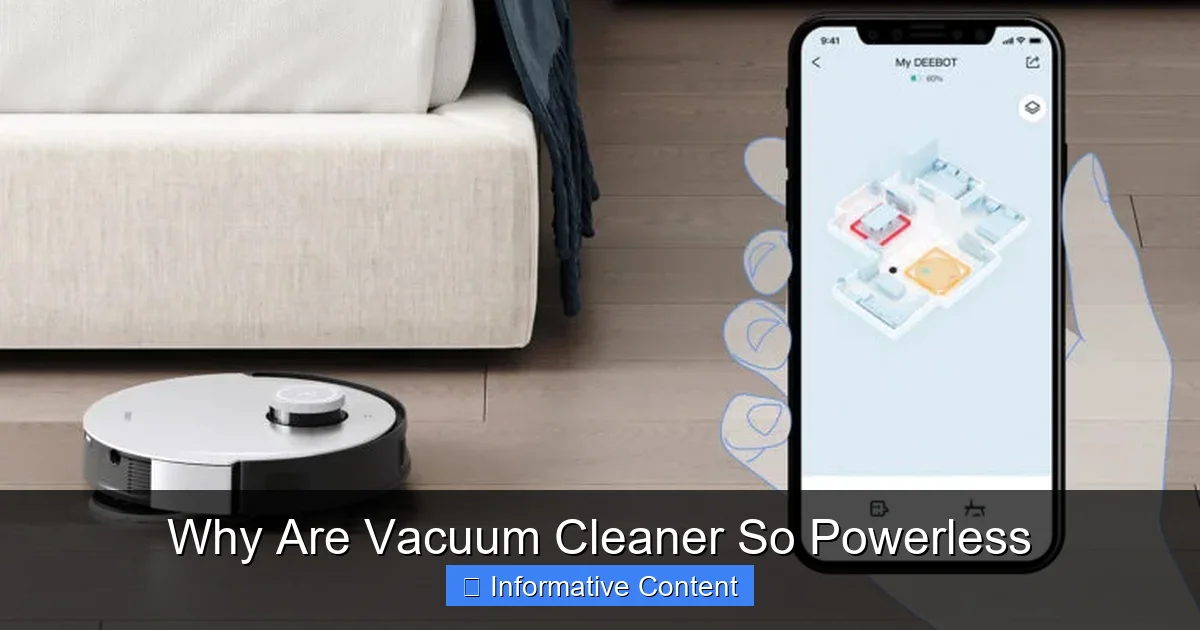
Visual guide about Why Are Vacuum Cleaner So Powerless
Image source: learnwithtp.com
Different Vacuums for Different Jobs
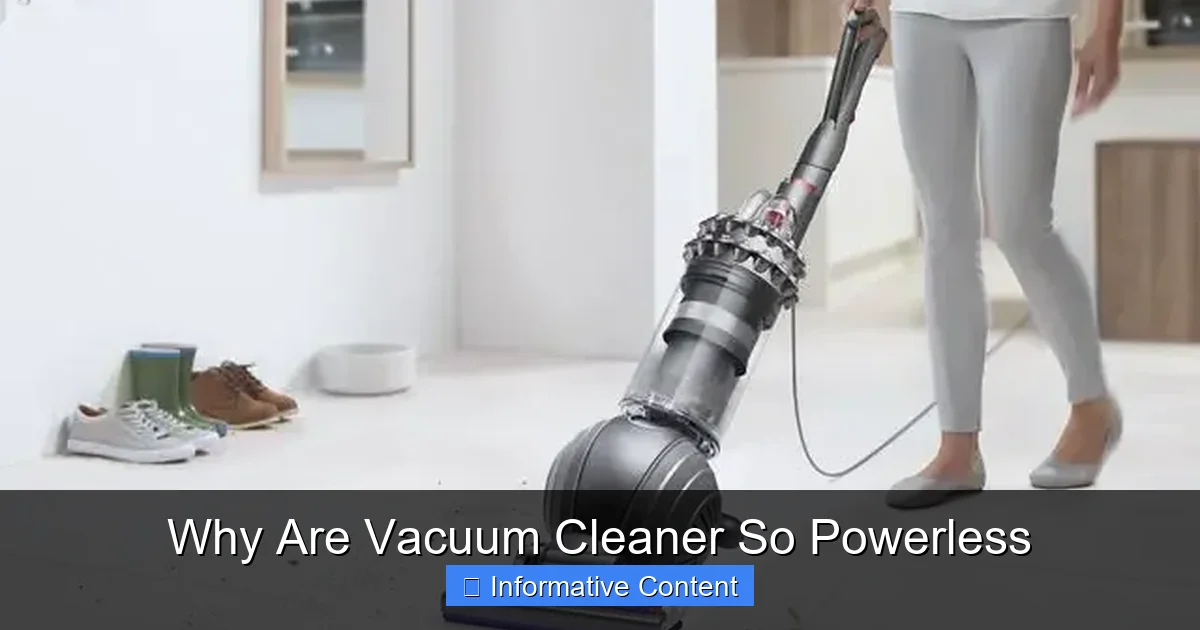
Think about the vast array of vacuum cleaners available today: uprights, canisters, stick vacuums, robot vacuums, handhelds. Each is designed with a specific purpose in mind. An upright vacuum, for example, is typically excellent for deep cleaning large carpeted areas, often featuring powerful brush rolls to agitate fibers. But put that same upright on a hard floor, and it might just scatter debris around or even scratch the surface.
Conversely, a lightweight stick vacuum is fantastic for quick clean-ups on hard floors or low-pile carpets, offering unparalleled maneuverability. However, its smaller motor, battery operation, and compact design mean it simply isn’t built for the heavy-duty, deep-pile carpet cleaning an upright can handle. If you’re using a stick vacuum and asking, “why are vacuum cleaners so powerless at deep carpet cleaning?”, you might be asking it to do a job it wasn’t designed for.
Balancing Power, Portability, and Noise
Manufacturers constantly juggle various factors to create a marketable product. A vacuum with an incredibly powerful motor and vast airflow might be prohibitively heavy, noisy, or expensive. Consider a commercial-grade shop vac; it offers immense power but isn’t something you’d want to push around your living room every day due to its size, weight, and ear-splitting noise. For residential use, there’s a delicate balance to strike between cleaning performance, portability, noise levels, and cost.
Cordless vacuums, while offering incredible freedom, often face battery life limitations and might not sustain peak power for extended periods compared to their corded counterparts. These are intentional design choices that impact the user’s perception of power.
The Impact of Attachments and Nozzles
The design of the vacuum’s head and its various attachments also plays a critical role. A wide cleaning path on an upright might be great for open areas but terrible for corners. Crevice tools concentrate suction for tight spots, while upholstery tools are designed to glide over fabrics without getting stuck. Using the wrong attachment for the job can significantly diminish the vacuum’s effectiveness, making it seem less powerful. A worn-out brush roll, a cracked hose, or a loose attachment can all leak air, reducing effective suction and airflow at the cleaning head.
The Silent Killers of Suction: Clogs, Filters, and Bags
Perhaps the most common reason homeowners exclaim, “why are vacuum cleaners so powerless!” is simply a lack of routine maintenance. Vacuums, like any machine, need a little TLC to perform at their best. Ignoring these simple tasks can drastically reduce performance.
Clogged Hoses and Brush Rolls
This is a classic culprit. Over time, hair, strings, pet fur, and even small toys can get lodged in the hose or wrapped around the brush roll. A partially or fully blocked hose chokes the airflow to the cleaning head, immediately making the vacuum feel weak. Similarly, a brush roll tangled with hair can’t spin effectively, preventing it from agitating carpet fibers and lifting embedded dirt. It just pushes debris around instead of sweeping it up.
Regularly inspecting and clearing your vacuum’s hose and brush roll can make a world of difference. It’s often a surprisingly quick fix that restores your vacuum to its former glory.
The Vital Role of Filters
Every vacuum cleaner has filters designed to capture dust and allergens, preventing them from being expelled back into the air. While these filters are crucial for indoor air quality, they are also a choke point for airflow. As filters become caked with dust and dirt, they become increasingly restrictive. Imagine trying to breathe through a cloth heavily coated in flour – it’s tough! The same applies to your vacuum.
Whether your vacuum has washable filters, replaceable HEPA filters, or simple foam filters, they need regular cleaning or replacement. A clogged filter is a primary reason why are vacuum cleaners so powerless, as it severely restricts airflow, making even the most robust motor seem inadequate.
Full or Dirty Dust Bags/Canisters
This might seem obvious, but a full dust bag or an overflowing bagless canister can dramatically reduce a vacuum’s suction and airflow. As the bag fills, the dirt acts as an additional filter, impeding the passage of air. In bagless models, an overfilled canister can lead to dirt blocking the cyclonic action or even spilling back out. Many modern bagless vacuums use cyclonic technology to separate dirt from the air, but this system relies on unobstructed airflow to function correctly. If the canister is too full, this efficiency drops, and the vacuum begins to feel powerless.
Make it a habit to check and empty your vacuum’s dust receptacle frequently, especially if you’re tackling a particularly dirty job or have pets.
Surface Matters: Why Your Vacuum Struggles on Certain Floors
The type of flooring you’re cleaning has a huge impact on your vacuum’s perceived performance. A vacuum that excels on one surface might seem woefully inadequate on another, leading you to ask, “why are vacuum cleaners so powerless on my carpet/hardwood?”
Carpet vs. Hardwood
Carpets, especially deep-pile ones, present a significant challenge for any vacuum. Dirt, dust, and allergens become trapped deep within the fibers, requiring strong suction, powerful brush agitation, and excellent airflow to dislodge and remove them. Vacuums designed for carpet often have aggressive brush rolls that spin at high speeds to beat the dirt out.
Hardwood and other hard surfaces, on the other hand, require a different approach. Here, powerful brush rolls can be detrimental, potentially scattering debris or scratching delicate floors. Vacuums designed for hard floors often feature softer brush rolls, specialized nozzles, or even just straight suction to pick up surface dirt without damaging the floor. Using a vacuum with a harsh carpet brush on hardwood can make it seem ineffective at picking up small particles, even though it might be “powerful” for carpet.
Pile Height and Fiber Type
The height and density of your carpet’s pile also influence vacuum performance. A vacuum designed for low-pile carpet might struggle to glide across a deep shag rug, causing it to lose suction as the vacuum head burrows into the fibers. Some vacuum heads have adjustable heights to account for different carpet types, which is a feature worth utilizing. Thicker, denser carpet fibers can also trap dirt more effectively, requiring more passes and a more robust cleaning action.
The Challenge of Pet Hair
Pet hair is a formidable adversary for any vacuum cleaner. It can weave itself into carpet fibers, clump together, and easily clog hoses and brush rolls. While many modern vacuums boast “pet hair technology,” tackling a house full of shedding animals is a demanding task. Specialized pet hair attachments, often with smaller, more powerful spinning brushes, are designed to concentrate suction and agitation to effectively remove stubborn fur. Without these, your vacuum might seem disappointingly powerless against the furry onslaught.
User Error and Technique
Even with a perfectly maintained, well-designed vacuum, user technique can significantly impact cleaning effectiveness. Sometimes, the answer to “why are vacuum cleaners so powerless” lies not with the machine, but with how we’re operating it.
Speed and Repetition
Many of us are guilty of rushing through vacuuming, pushing the machine quickly across the floor. However, vacuuming is not a race. Your vacuum needs time to effectively dislodge dirt, create suction, and draw debris into the collection bin. Slow, deliberate passes, especially on carpets, allow the brush roll to agitate thoroughly and the airflow to pick up everything it can. Making several overlapping passes over the same area ensures comprehensive cleaning, rather than leaving patches of dirt behind.
Overloading the Vacuum
While powerful, vacuums aren’t meant to be shop vacs. Trying to pick up large debris like shards of glass, excessive amounts of liquid (unless it’s a wet/dry vac), or construction dust can damage the motor, clog the machine, or compromise its filtration system. Understanding your vacuum’s limitations and using it for its intended purpose will prevent unnecessary wear and tear and maintain its optimal performance.
Choosing the Right Attachment
As mentioned before, attachments are your vacuum’s specialized tools. Using a wide floor nozzle to clean stairs, or trying to pick up cobwebs with a bare hose, is inefficient. Take a moment to select the correct attachment for the task at hand. The crevice tool for tight corners, the dusting brush for delicate surfaces, and a turbo brush for pet hair on upholstery – these tools are designed to make your vacuum more effective, not less.
Conclusion
So, why are vacuum cleaners so powerless? As we’ve explored, the answer is rarely that they truly lack power. Instead, it’s a symphony of factors that influence their perceived and actual cleaning ability. It’s about understanding the intricate dance between suction and airflow, recognizing the intentional design compromises made for specific cleaning tasks, and, crucially, committing to regular maintenance.
From clogged hoses and dirty filters to inappropriate usage techniques and unsuitable attachments, numerous culprits can diminish your vacuum’s effectiveness. By addressing these common issues, choosing the right machine for your home, and dedicating a little time to its upkeep, you can transform your “powerless” vacuum into a highly efficient dirt-fighting machine. The next time you feel frustrated, take a moment to diagnose the problem; chances are, a simple fix is all that’s needed to restore your vacuum’s oomph and make your cleaning chores far less taxing.
🎥 Related Video: How Dyson Revolutionized Vacuums
📺 Michael Girdley
Frequently Asked Questions
How can I tell if my vacuum’s suction is truly weak or just perceived as such?
A quick test is to hold your hand over the end of the hose (without attachments). If you feel a strong, consistent pull, the motor and main airflow path are likely fine. If the suction feels weak here, there might be a significant blockage or motor issue. If the hose feels strong but the cleaning head is weak, the problem is likely at the head, brush roll, or a filter further down the line.
Are bagless vacuums truly more powerful than bagged ones?
Neither bagged nor bagless designs are inherently more powerful than the other. Both can offer excellent performance depending on their engineering. Bagless models offer convenience and avoid ongoing bag costs, but require more frequent canister emptying and filter cleaning to maintain peak performance, as dirty filters quickly reduce efficiency.
What are some common items that can clog a vacuum?
Common culprits include long hair, pet fur, strings, small socks or pieces of clothing, paper clips, coins, small toys, and excessive amounts of fine dust or sand. Regularly inspecting and clearing the brush roll, hose, and filters is crucial for preventing these blockages.
Does the type of filter affect vacuum power?
Yes, the type and condition of the filter significantly impact airflow. While HEPA filters are excellent for trapping allergens, their fine mesh can be more restrictive to airflow compared to coarser filters. If any filter, regardless of type, becomes caked with dust, it will drastically reduce your vacuum’s ability to move air and thus, its effective cleaning power.
Is it worth buying a vacuum with very high CFM?
For most household cleaning, a good balance of CFM (airflow) and static pressure (suction) is more important than exceptionally high CFM alone. While higher CFM can be beneficial for picking up larger debris or for shop vacs, for general carpet and hard floor cleaning, ensure the vacuum also has sufficient suction and an effective brush roll system for optimal performance.
Why do new vacuum cleaners sometimes seem more powerful than old ones?
New vacuums benefit from clean filters, clear hoses, and brushes that aren’t worn down. Their motors are also at peak efficiency. Over time, wear and tear, accumulated dirt, weakened seals, and neglected maintenance will naturally reduce an older vacuum’s performance, making a new one feel significantly more powerful by comparison.