Oreck Vacuum Cleaner Model Xl9100c Often Is Broken Belt Why
If your Oreck Vacuum Cleaner Model XL9100C often experiences broken belts, you’re not alone, and there are clear reasons why this common issue occurs. This article explores key factors like debris entanglement, worn brush rolls, and improper usage, offering practical solutions and preventative maintenance tips to significantly extend your vacuum’s belt life and ensure consistent cleaning performance. By understanding these issues and following simple guidelines, you can minimize frustrating belt breakages and prolong the life of your Oreck XL9100C.
There’s nothing quite like the satisfaction of a freshly vacuumed floor – the crisp lines on the carpet, the gleaming hard surfaces, and the general feeling of cleanliness. That is, until your trusty vacuum cleaner suddenly stops picking up, emitting a burning smell, or making a strange flapping noise. For many proud owners of the Oreck Vacuum Cleaner Model XL9100C, this frustrating scenario often points to one common culprit: a broken drive belt.
You’re not alone if you’ve found yourself asking, “Why does my Oreck Vacuum Cleaner Model XL9100C often have a broken belt?” This particular model, beloved for its lightweight design and powerful suction, can sometimes be prone to belt issues. While it might seem like a design flaw at first glance, the truth is often a combination of factors, many of which are entirely within your control. Understanding these reasons is the first step toward preventing future breakages and keeping your Oreck XL9100C running smoothly for years to come.
In this comprehensive guide, we’ll dive deep into the mechanics of your Oreck XL9100C, uncover the most common reasons why belts break, and arm you with practical tips and preventative measures. Our goal is to demystify this common problem, empowering you to troubleshoot, maintain, and even fix your vacuum with confidence. Let’s get to the bottom of those pesky broken belts!
Key Takeaways
- Common Problem: The Oreck Vacuum Cleaner Model XL9100C, while popular for its lightweight design, can frequently suffer from broken belts due to various preventable factors.
- Debris is a Major Culprit: Hair, carpet fibers, and especially hard objects like coins or paperclips getting tangled in the brush roll are primary causes of belt breakage.
- Worn Components Matter: An old or stretched belt, or a brush roll with worn bearings, can significantly increase strain and friction, leading to premature belt failure.
- User Habits Impact Lifespan: Overusing the vacuum, cleaning very thick carpets too often, or failing to regularly inspect and clean the brush roll can drastically shorten the belt’s life.
- Proper Maintenance is Key: Regular brush roll cleaning, pre-sweeping for large debris, and replacing the belt with genuine Oreck parts on a schedule are vital preventative measures.
- Correct Installation is Crucial: When replacing a belt, ensuring it’s properly seated and has the right tension prevents immediate or rapid re-breakage.
- Early Intervention Saves Trouble: Addressing unusual noises, decreased brush roll performance, or visible wear on the belt promptly can prevent complete belt failure and potential damage to other parts.
Quick Answers to Common Questions
Question 1?
Why does my Oreck XL9100C keep breaking its belt?
Answer 1?
Common reasons include hair and debris entanglement in the brush roll, accidental vacuuming of hard objects, worn brush roll bearings, general age and degradation of the belt material, and sometimes improper user habits like overuse or cleaning very thick carpets.
Question 2?
How often should I replace the belt on my Oreck XL9100C?
Answer 2?
It’s generally recommended to replace the belt every 6 to 12 months, or more frequently if you use your vacuum often or have pets. This proactive replacement helps prevent sudden breakages due to material fatigue.
Question 3?
Can I use any belt for my Oreck XL9100C, or do I need a specific one?
Answer 3?
It’s highly recommended to use a genuine Oreck replacement belt designed specifically for your XL9100C model. Aftermarket belts may not have the correct dimensions or material quality, leading to poor performance or quicker breakage.
Question 4?
What should I do if hair and fibers keep getting tangled in the brush roll?
Answer 4?
Regularly inspect and clean the brush roll. Unplug the vacuum, flip it over, remove the bottom plate, and carefully cut away any tangled hair, string, or fibers with scissors. Doing this monthly can significantly extend belt life.
Question 5?
How can I tell if my Oreck XL9100C’s brush roll bearings are worn?
Answer 5?
Signs of worn brush roll bearings include a louder, grinding noise during operation, or if the brush roll feels stiff and doesn’t spin freely when you try to turn it by hand (with the vacuum unplugged and brush roll exposed).
📑 Table of Contents
- Understanding Your Oreck XL9100C and Its Belt System
- Common Culprits: Why Oreck XL9100C Belts Break
- The Impact of User Habits and Maintenance on Belt Lifespan
- Choosing the Right Replacement Belt and Installation Tips
- Preventative Measures to Extend Your Oreck XL9100C Belt Life
- When to Seek Professional Help
Understanding Your Oreck XL9100C and Its Belt System
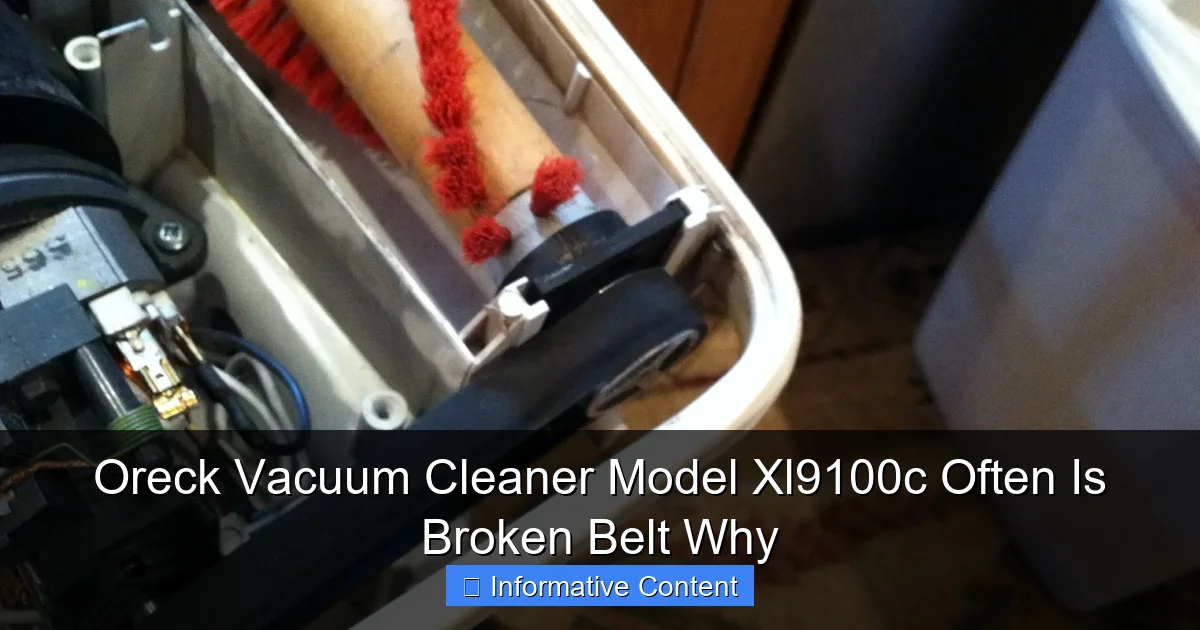
The Oreck XL9100C is designed for efficiency and ease of use, making it a popular choice for everyday cleaning. At the heart of its cleaning power, especially on carpets, is the spinning brush roll. This brush roll is responsible for agitating carpet fibers and sweeping debris into the vacuum’s suction path. But what makes that brush roll spin? That’s where the drive belt comes in.
The Role of the Drive Belt
Think of the drive belt as the crucial link between the vacuum’s motor and its brush roll. When you turn on your Oreck XL9100C, the motor spins, and through a carefully engineered pulley system, the belt transfers that rotational energy to the brush roll. It’s a simple yet essential component that experiences significant stress during operation. If the belt breaks, the motor might still run, but the brush roll won’t spin, meaning your vacuum won’t pick up dirt from carpets effectively.
Design Philosophy of Oreck Vacuums
Oreck vacuums, including the XL9100C, are renowned for being lightweight and powerful. This design philosophy often means that while components are robust, they are also optimized for minimal weight. The belt system is typically designed to be effective for general household use. However, like any mechanical part under constant tension and friction, the belt has a lifespan. When subjected to unusual strain, it can wear out or break prematurely. Recognizing this inherent characteristic helps us understand why certain operational habits can be detrimental to the belt’s longevity.
Common Culprits: Why Oreck XL9100C Belts Break
The belt on your Oreck XL9100C isn’t just breaking for no reason; there are usually clear factors at play. Identifying these causes is crucial for preventing future incidents.
Visual guide about Oreck Vacuum Cleaner Model Xl9100c Often Is Broken Belt Why
Image source: i.ytimg.com
Hair and Fiber Entanglement
This is arguably the most frequent cause of belt failure. Long hair, pet fur, and carpet fibers can easily wrap around the brush roll. As these materials accumulate, they create significant resistance, making it harder for the brush roll to spin. The belt then has to work harder to overcome this resistance, leading to excessive stretching, friction, and eventually, snapping. Imagine trying to pull a heavy wagon with a thin rope – the rope will eventually break under the strain.
Hard Objects and Debris
Accidentally vacuuming up hard objects is a swift way to break a belt. Small toys, coins, paperclips, bobby pins, or even loose nuts and bolts can get caught in the brush roll. When a hard object jams the brush roll, it effectively stops it from spinning. However, the motor continues to try and drive the brush roll via the belt. This sudden, immense strain on the belt causes it to snap almost instantly. Always do a quick visual check of your floor before vacuuming, especially in high-traffic areas or around children’s play zones.
Worn Brush Roll Bearings
Over time, the bearings that allow your brush roll to spin freely can wear out. When these bearings become stiff, rusty, or packed with debris, the brush roll no longer rotates smoothly. This increased friction and resistance put immense pressure on the drive belt. Even without obvious entanglement, a struggling brush roll will rapidly wear down and eventually break the belt. A tell-tale sign of worn bearings might be a louder, grinding noise coming from the brush roll area, or the brush roll feeling stiff when you try to spin it by hand (with the vacuum unplugged, of course).
Age and Material Degradation
Belts are consumables, meaning they are designed to wear out and be replaced. Over time, the rubber material of the belt naturally degrades. It can become brittle, stretched, or lose its elasticity due to heat, friction, and general use. Even if your vacuum isn’t seeing heavy use, an old belt can simply snap due to material fatigue. Most manufacturers recommend replacing the belt every 6-12 months, or sooner if you vacuum frequently or have pets.
Manufacturing Defects (Less Common)
While less common, it is possible for a belt to have a manufacturing defect that leads to premature failure. This is usually apparent very early in the belt’s life. If a brand-new belt breaks almost immediately after installation, and you’re certain no debris or installation errors were involved, a defective belt might be the cause. It’s always best to purchase genuine Oreck replacement belts from reputable sources to minimize this risk.
The Impact of User Habits and Maintenance on Belt Lifespan
Beyond external factors, how you use and care for your Oreck XL9100C plays a huge role in how long its belt lasts. Good habits can significantly extend the life of your belt, while poor ones can drastically shorten it.
Overuse and Extended Cleaning Sessions
While your Oreck is built for durability, continuous, prolonged use can generate excessive heat within the motor and surrounding components, including the belt. This heat can accelerate the material degradation of the rubber belt, making it more prone to stretching and snapping. If you’re tackling a very large cleaning job, consider giving your vacuum, and thus its belt, short breaks to cool down.
Cleaning Thick Pile Carpets Too Often
Thick, plush carpets require more effort from the vacuum’s brush roll to agitate and clean effectively. This increased resistance translates directly to greater strain on the drive belt. While your Oreck XL9100C can handle various carpet types, constantly vacuuming very thick pile carpets can put more stress on the belt than general use, potentially leading to faster wear and tear. If you have extensive thick carpeting, consider alternating cleaning methods or ensuring your belt is regularly inspected.
Lack of Regular Brush Roll Inspection and Cleaning
As mentioned, hair and debris entanglement is a major belt killer. If you don’t regularly inspect and clean the brush roll, these build-ups become chronic. It’s like driving a car with the brakes slightly on all the time – it adds unnecessary strain. Make it a habit to check your brush roll at least once a month, or more often if you have pets. Simply turn the vacuum over (unplugged!), remove any hair or string wrapped around the brush, and ensure it spins freely.
Incorrect Belt Installation
When you replace a broken belt, getting the installation right is critical. A belt that is too loose won’t effectively drive the brush roll and can slip, creating friction and heat. A belt that is too tight puts excessive strain on both the motor and the brush roll bearings, leading to premature failure of the belt itself, and potentially other components. Always refer to your Oreck XL9100C’s user manual for precise installation instructions and ensure the belt is correctly seated in its grooves.
Choosing the Right Replacement Belt and Installation Tips
When your belt inevitably breaks, knowing how to replace it and what kind to buy is key to a lasting repair.
Genuine Oreck vs. Aftermarket Belts
It might be tempting to save a few dollars on a generic aftermarket belt, but this can often be a false economy. Genuine Oreck replacement belts are manufactured to specific tolerances and material specifications for your XL9100C. Aftermarket belts, while sometimes cheaper, might not offer the same elasticity, durability, or precise fit, which can lead to rapid re-breakage or even damage to your vacuum. For peace of mind and optimal performance, always opt for a genuine Oreck part.
Step-by-Step Replacement Guide (Overview)
Replacing the belt on your Oreck XL9100C is a relatively straightforward DIY task. Here’s a general overview, but always consult your specific model’s instruction manual for detailed steps and safety warnings:
- Unplug the Vacuum: This is the most crucial safety step. Never work on an plugged-in appliance.
- Flip Over the Vacuum: Lay it on its front so the bottom plate and brush roll are accessible.
- Remove the Bottom Plate: You’ll usually need a screwdriver to remove a few screws holding the bottom plate in place.
- Access the Brush Roll and Belt: Carefully lift out the brush roll. The old, broken belt will likely be visible or already detached.
- Install the New Belt: Loop the new belt around the motor pulley (the small post near the center) first, then stretch it over one end of the brush roll.
- Reinstall the Brush Roll: Carefully lower the brush roll back into its housing, making sure the belt is properly seated in the groove on the brush roll and the motor pulley. Ensure the ends of the brush roll snap correctly into their holders.
- Check for Smooth Operation: Manually spin the brush roll to ensure it rotates freely and the belt moves without snagging or slipping.
- Reattach the Bottom Plate: Screw the bottom plate back into place securely.
Ensuring Correct Tension
The new belt should feel snug but not overly tight. If it’s too loose, it will slip. If it’s too tight, it will put undue stress on the motor and brush roll bearings, leading to early failure. A correctly installed belt will allow the brush roll to spin freely with a consistent tension. If you feel any excessive resistance or hear grinding noises after reassembly, re-check your installation.
Preventative Measures to Extend Your Oreck XL9100C Belt Life
Prevention is always better than cure. By implementing a few simple habits, you can dramatically reduce the frequency of Oreck XL9100C broken belts.
Regular Brush Roll Cleaning
Make it a routine to inspect and clean your brush roll. At least once a month, flip your vacuum over (unplugged!), unclip or unscrew the bottom plate if necessary, and use scissors or a seam ripper to carefully cut and remove any tangled hair, string, or fibers. This simple step alleviates significant strain on the belt.
Pre-Cleaning Floors
Before you even turn on your Oreck XL9100C, do a quick scan of the area you’re about to vacuum. Pick up any visible hard objects like coins, paperclips, small toys, or anything else that could potentially jam the brush roll. A quick sweep with a broom in notoriously messy areas can also save your belt from accidental encounters.
Avoiding Obstacles
Be mindful of where you’re vacuuming. Avoid running the brush roll over electrical cords, rug fringes, shoelaces, or anything else that could get snagged. These items can instantly jam the brush roll and snap the belt. Lift the vacuum slightly or use the hose attachment for delicate areas.
Scheduled Belt Replacements
Even with perfect habits, belts wear out. Consider proactively replacing your Oreck XL9100C belt every 6 to 12 months, or as recommended in your owner’s manual. This is especially true if you vacuum frequently or have pets. A proactive replacement is much less frustrating than a reactive one when the belt snaps mid-clean.
Proper Storage
When not in use, store your vacuum in a dry, temperate environment. Extreme heat or cold can affect the rubber material of the belt over time, making it brittle or less elastic. Storing it upright also ensures the brush roll isn’t resting on a surface, which could potentially distort bristles or stress the belt.
When to Seek Professional Help
While many belt issues are DIY-friendly, there are times when calling in the experts is the wisest course of action.
Persistent Breakages
If you’re finding that belts are breaking every few weeks or months despite diligent cleaning and correct installation, there might be a deeper issue at play. This could include a faulty motor, a bent brush roll shaft, or internal gearbox problems that are putting excessive strain on the belt. These types of repairs are typically beyond what a casual user can address.
Complex Internal Issues
If you hear unusual noises that aren’t belt-related (e.g., motor grinding, strange rattling from inside the housing), or if the vacuum isn’t performing correctly even with a new belt, it’s time for a professional diagnosis. Attempting to dismantle intricate internal components without proper training can lead to further damage or even personal injury.
Warranty Considerations
If your Oreck XL9100C is still under warranty, performing extensive DIY repairs might void it. Check your warranty terms carefully. In such cases, taking it to an authorized service center is often the best approach, as they can diagnose and repair issues without invalidating your coverage.
The Oreck Vacuum Cleaner Model XL9100C is a fantastic tool for keeping your home clean, and a broken belt doesn’t have to be a recurring nightmare. By understanding the common reasons for belt breakage – from debris entanglement and worn components to user habits and improper installation – you’re well-equipped to tackle this challenge. Regular maintenance, smart cleaning habits, and choosing the right replacement parts are your best defense against frequent belt failures.
Remember, a little proactive care goes a long way in extending the life of your Oreck XL9100C’s belt and ensuring your vacuum continues to deliver that powerful, efficient cleaning you rely on. So, take control of your vacuum’s health, and enjoy consistently clean floors without the frustration of constant breakdowns!
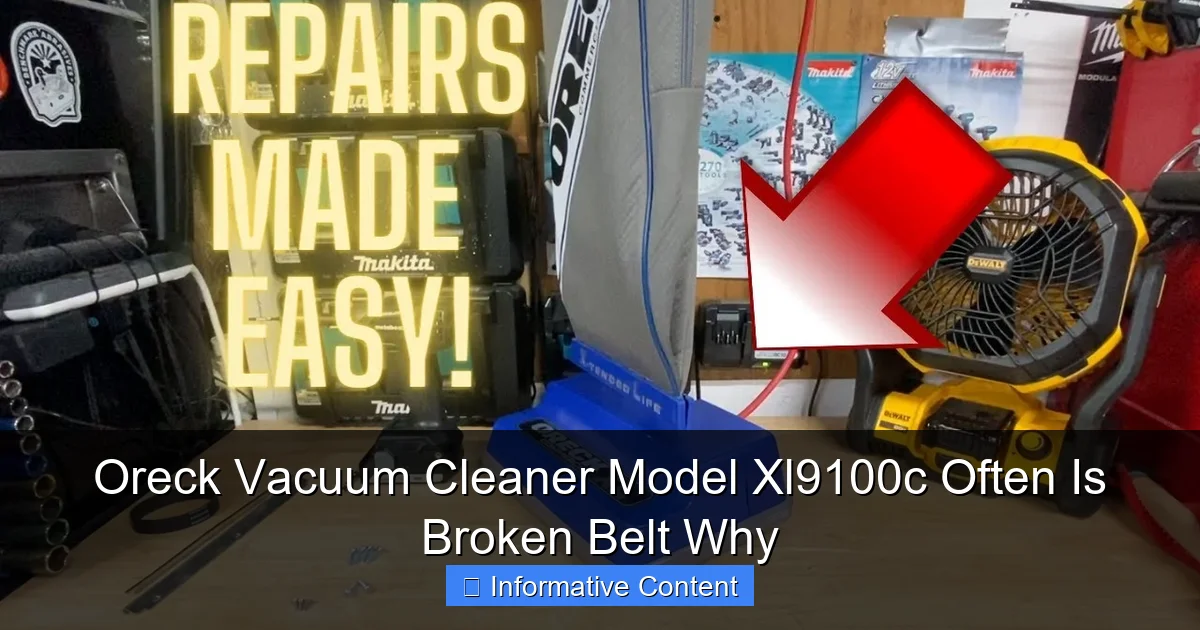
🎥 Related Video: HOW TO REPAIR Oreck XL Vacuum Belt and Roller Problems! Step-by-Step Maintenance!
📺 Ultimate Tool Reviews
Check out more at Ultimatetoolreviews.com #oreck #vacuum #metabohpt Here are the Oreck XL Rollers and Belts I used on …
Frequently Asked Questions
Question?
Is it normal for an Oreck XL9100C belt to break frequently?
While the Oreck XL9100C is a reliable vacuum, frequent belt breakages are not necessarily “normal” and usually indicate an underlying issue. It’s often due to specific factors like debris, worn parts, or user habits rather than an inherent design flaw.
Question?
What’s the best way to prevent hard objects from breaking the belt?
Before vacuuming, always do a quick visual scan of the floor to pick up any loose items like coins, paperclips, small toys, or pet tags. Being vigilant about removing these objects prevents them from jamming the brush roll and snapping the belt.
Question?
Does vacuuming thick carpets contribute to belt breakage?
Yes, frequently vacuuming very thick or plush carpets can put extra strain on the belt. The increased resistance makes the brush roll work harder, leading to more friction and wear on the drive belt over time. Consider lighter passes or using a different method for extremely thick rugs.
Question?
How can I tell if my new belt is installed correctly?
After installing a new belt, it should feel snug around both the motor pulley and the brush roll, but not overly tight. When you manually spin the brush roll (with the vacuum unplugged), it should rotate freely and smoothly without slipping or binding.
Question?
What’s the typical lifespan of an Oreck XL9100C drive belt?
The lifespan of an Oreck XL9100C drive belt can vary depending on usage, but typically, it lasts anywhere from 6 months to a year. Regular inspections and proper maintenance can help maximize its longevity, while heavy use or neglect can shorten it significantly.
Question?
Should I bother trying to fix a broken belt myself, or should I take it to a professional?
Replacing a broken Oreck XL9100C belt is a common and relatively simple DIY repair that most users can handle with basic tools. However, if belts are breaking persistently, if you suspect deeper internal damage, or if your vacuum is still under warranty, professional help is advisable.