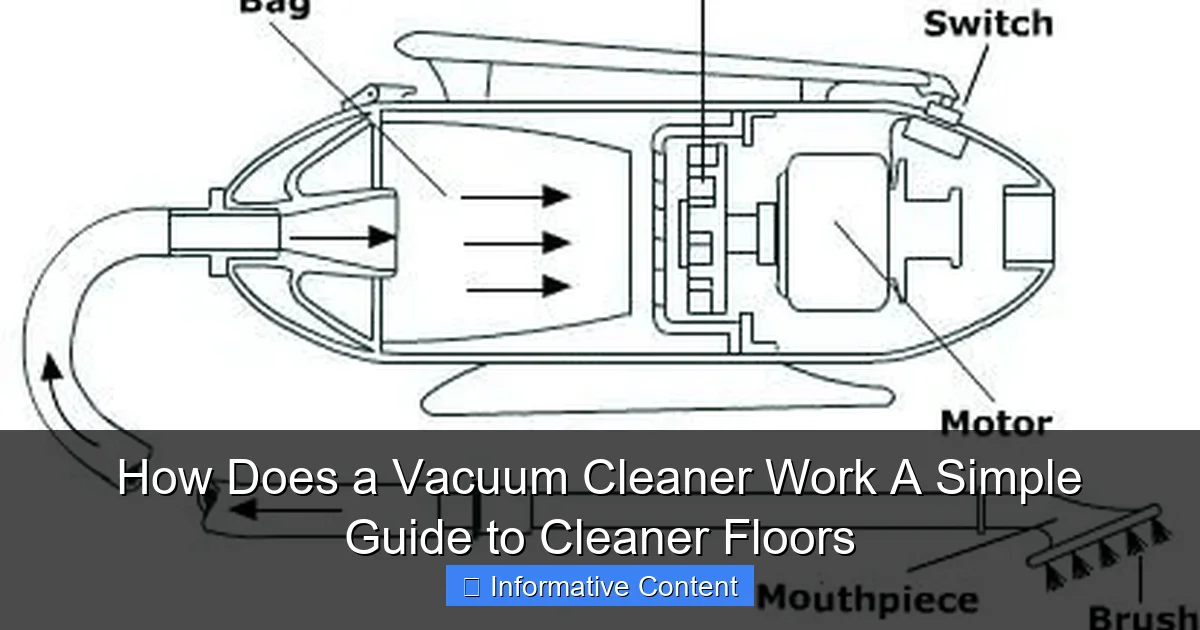
How Does a Vacuum Cleaner Work A Simple Guide to Cleaner Floors
A vacuum cleaner works by creating powerful suction through a motor-driven fan that pulls air and debris into a collection bag or bin. This airflow traps dirt via filters while expelling clean air, ensuring efficient cleaning across surfaces. Key components like the brush roll, hose, and filters work together to lift, capture, and contain messes for spotless floors.
Key Takeaways
- Suction power comes from a motor-driven fan creating airflow.
- Dust collection relies on bags, bins, or cyclonic separation.
- Filters trap allergens to improve indoor air quality.
- Brush rolls agitate carpets to loosen embedded dirt effectively.
- Sealed systems maximize efficiency by preventing air leaks.
- Maintenance boosts longevity—clean filters and empty bins regularly.
Quick Answers to Common Questions
How does a vacuum cleaner create suction power?
A vacuum cleaner works by using a motorized fan to pull air (and debris) into the machine, creating a pressure difference that generates suction power—key to lifting dust from floors.
What part of the vacuum catches all the dirt?
The dustbin or vacuum cleaner bag traps debris after it passes through a filter, ensuring dirt stays inside while clean air exits the system.
Can a vacuum cleaner work on both carpet and hardwood?
Yes! Most vacuum cleaners come with adjustable brushes or settings to safely and effectively clean different surfaces, from deep-pile carpets to smooth hardwood floors.
Why does my vacuum cleaner have multiple filters?
Multiple filters—like HEPA and foam—help trap fine particles and allergens, ensuring cleaner air output and boosting your vacuum cleaner’s efficiency.
How often should I clean or replace my vacuum cleaner parts?
Regularly empty the dustbin, clean filters every 1–2 months, and replace them annually to keep your vacuum cleaner working at peak performance.
📑 Table of Contents
- The Magic Behind Clean Floors
- How Suction Power Works: The Heart of the Vacuum
- The Journey of Dust: From Floor to Bin
- Types of Vacuum Cleaners and Their Unique Systems
- Filtration: Keeping the Air Clean as You Clean
- Maintenance Tips to Keep Your Vacuum Working Like New
- Understanding Vacuum Specs: What Numbers Actually Mean
- Final Thoughts: Your Vacuum, Your Clean Home
The Magic Behind Clean Floors
We’ve all been there. You’re enjoying a quiet afternoon when suddenly, a trail of crumbs, pet hair, or dust bunnies catches your eye. You grab your vacuum cleaner, flip the switch, and within minutes, your floor is spotless. But have you ever stopped to wonder how this magic happens? A vacuum cleaner isn’t just a motor and a bag—it’s a clever system of airflow, suction, and clever engineering. And the best part? It’s easier to understand than you might think.
Whether you’ve owned a vacuum for years or you’re shopping for your first one, understanding how it works can make a big difference. It helps you use it better, maintain it properly, and even choose the right model for your home. In this guide, we’ll peel back the layers of your vacuum cleaner to explain how it transforms a dusty floor into a clean, healthy space—without getting too technical or boring. Think of it like a friendly chat with a neighbor who just happens to know a lot about suction power.
How Suction Power Works: The Heart of the Vacuum
At its core, a vacuum cleaner is all about suction. But suction isn’t some mysterious force—it’s simply the result of creating a difference in air pressure. When the vacuum runs, it pulls air from inside the machine, creating a low-pressure zone. The higher-pressure air from your room rushes in to fill that space, and anything in the air’s path—dust, crumbs, hair—gets carried along for the ride.
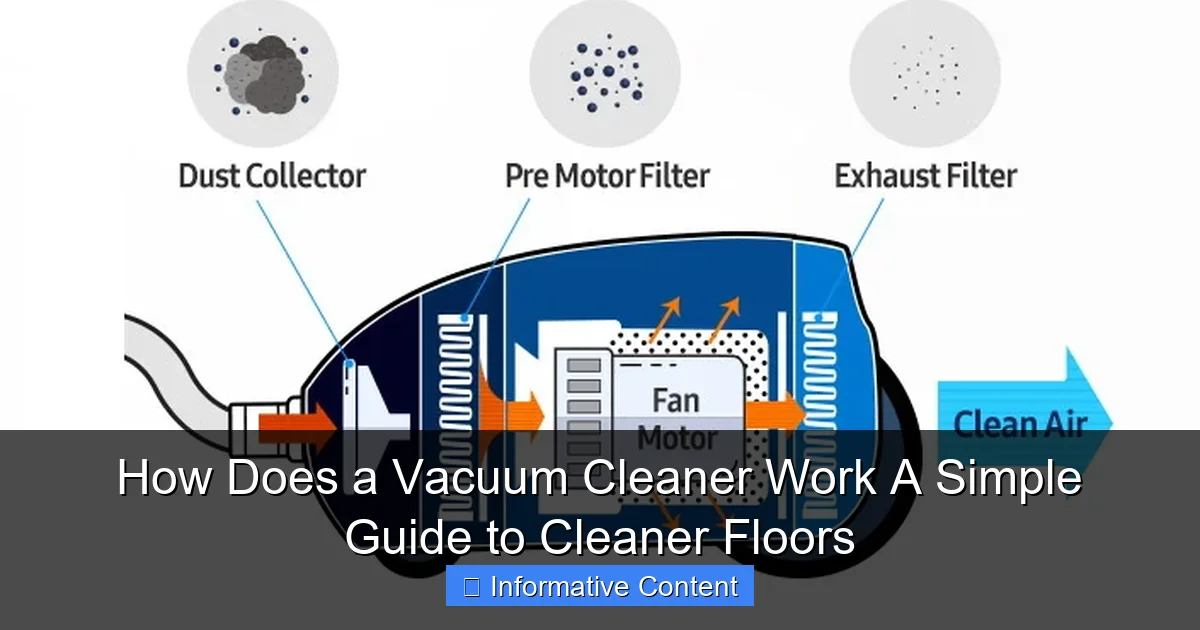
Visual guide about how does a vacuum cleaner work
Image source: img.global.news.samsung.com
The Role of the Motor and Fan
Every vacuum has a motor that spins a fan (sometimes called an impeller). This fan is designed to push air out the back of the vacuum while pulling air in through the nozzle. Imagine blowing up a balloon and then letting it go—the air rushes out in one direction. The fan works the same way, but in reverse. It pushes air out the exhaust, creating a vacuum (hence the name) inside the chamber.
For example, a typical upright vacuum might have a motor spinning at 20,000 to 30,000 RPM. That’s faster than a Formula 1 engine! This speed is what generates the strong airflow needed to lift stubborn dirt from carpet fibers or hard floors.
Airflow vs. Suction: What’s the Difference?
Many people confuse airflow with suction, but they’re not the same. Airflow refers to how fast air moves through the vacuum, measured in cubic feet per minute (CFM). Suction, on the other hand, is the pressure difference measured in inches of water lift. A vacuum needs both: strong suction to lift dirt, and good airflow to carry it into the dustbin.
Think of it like a straw: if you suck hard (suction), you can pull liquid up. But if the straw is wide, the liquid flows quickly (airflow). A good vacuum balances both for maximum cleaning power.
The Journey of Dust: From Floor to Bin
Once dirt is sucked in, it doesn’t just disappear. It travels through a carefully designed path to end up safely stored—until you empty it. Let’s follow the journey of a single crumb from your carpet to the dustbin.
The Nozzle and Brush Roll
The cleaning starts at the nozzle, the part that touches the floor. Most vacuums have a brush roll (also called a beater bar) that spins as you move the vacuum. This brush agitates carpet fibers, loosening embedded dirt and pet hair. On hard floors, the brush might retract or turn off to avoid scratching.
For example, many robot vacuums have a rubberized brush roll that’s great for picking up hair without tangling—perfect for homes with pets. Meanwhile, high-end uprights might have motorized brush rolls with variable speeds to adapt to different floor types.
Dust Travel: Hoses, Tubes, and Filters
After the nozzle, the dust-laden air travels through a hose or rigid tube into the main body of the vacuum. Along the way, the air passes through filters that trap particles. The first filter is usually a pre-motor filter, which catches larger debris before it reaches the motor. This protects the fan and motor from damage.
Next, the air enters the dust collection system—either a bag, a dustbin, or a cyclonic chamber. In bagged models, the air passes through the bag, which acts as a filter. In bagless models, cyclonic separation spins the air rapidly, flinging dust to the sides of the bin while clean air continues upward.
Types of Vacuum Cleaners and Their Unique Systems
Not all vacuums work the same way. The design of the suction system, dust collection, and motor placement varies depending on the type. Knowing these differences helps you pick the right one for your home.
Upright Vacuums: Powerhouse Cleaners
Uprights are the classic “push-and-go” models. They have the motor, fan, and dust collection all in one unit, with a long wand and brush roll at the base. Their strong suction and wide cleaning path make them great for large carpeted areas.
One downside? They’re heavy and can be hard to maneuver in tight spaces. But if you have wall-to-wall carpet, an upright is often the most efficient choice.
Canister Vacuums: Flexible and Lightweight
Canister vacuums have the motor and dustbin in a separate unit on wheels, connected to the wand by a flexible hose. This makes them lighter to push and easier to use on stairs or under furniture.
They’re especially good for hard floors and homes with mixed surfaces. The hose also makes them ideal for cleaning upholstery, curtains, and car interiors.
Robot Vacuums: Smart and Convenient
Robot vacuums use sensors and mapping technology to navigate your home. Their suction system is smaller, but they make up for it with consistency—running daily to keep floors tidy.
While they won’t replace deep cleaning, they’re perfect for maintenance. Just remember: they can’t handle thick rugs or large debris like cereal.
Filtration: Keeping the Air Clean as You Clean
Vacuuming isn’t just about removing dirt from your floor—it’s also about not releasing it back into the air. That’s where filtration comes in. A good filter system captures fine particles like pollen, dust mites, and mold spores.
HEPA Filters: The Gold Standard
HEPA stands for High-Efficiency Particulate Air. A true HEPA filter captures 99.97% of particles as small as 0.3 microns. This is crucial for allergy sufferers or homes with pets.
Not all “HEPA-type” filters are the same. Look for “true HEPA” in the specs. And remember to replace or wash filters as recommended—clogged filters reduce suction and can blow dust back into the room.
Multi-Stage Filtration Systems
Many vacuums use multiple filters. For example:
- Pre-motor filter: Catches large debris
- HEPA filter: Traps fine particles
- Exhaust filter: Ensures only clean air exits
This layered approach keeps your vacuum efficient and your air healthy.
Maintenance Tips to Keep Your Vacuum Working Like New
Even the best vacuum won’t last long if you don’t take care of it. A little maintenance goes a long way in keeping suction strong and extending the life of your machine.
Empty the Bin or Replace the Bag Regularly
When the dustbin is more than half full, suction drops significantly. For bagged models, replace the bag before it’s full to avoid overworking the motor.
Tip: Empty bagless bins outside to avoid dust clouds. Rinse the bin with water (if the manual allows) and let it dry completely before reassembling.
Clean or Replace Filters
Check your filters every 1–2 months. Washable filters should be rinsed under cold water—never soap, which can damage the fibers. Let them dry for at least 24 hours.
Replace HEPA filters every 6–12 months, depending on use. A clogged filter is one of the top reasons vacuums lose suction.
Check for Blockages
If your vacuum suddenly loses power, check for clogs. Remove the hose and shine a flashlight through it. Look for hair wrapped around the brush roll or debris stuck in the intake.
Example: A friend once found a sock stuck in her vacuum’s hose—no wonder it wasn’t working!
Understanding Vacuum Specs: What Numbers Actually Mean
When shopping for a vacuum, you’ll see terms like “amps,” “watts,” “CFM,” and “water lift.” But what do they really tell you?
| Term | What It Measures | Why It Matters |
|---|---|---|
| Amps (A) | Current drawn by the motor | Higher amps can mean more power, but not always. A well-designed 8-amp vacuum can outperform a 12-amp one with poor airflow. |
| Watts (W) | Electrical power consumption | Indicates energy use, not cleaning power. A 1200W vacuum may not clean better than a 800W model. |
| CFM (Cubic Feet per Minute) | Airflow volume | Higher CFM means more air movement, helping carry dirt to the bin. Look for 50+ CFM for decent performance. |
| Inches of Water Lift | Suction strength | Measures how hard the vacuum can pull. 60+ inches is good for carpets; 80+ is excellent. |
Don’t get caught up in the numbers alone. A vacuum with high amps but poor airflow might struggle on carpets. Always read reviews and look for real-world performance.
Final Thoughts: Your Vacuum, Your Clean Home
So, how does a vacuum cleaner work? It’s a blend of physics, smart design, and a little bit of everyday magic. From the spinning fan that creates suction to the filters that clean the air, every part plays a role in keeping your floors spotless.
Understanding how your vacuum works isn’t just for nerds or tech lovers—it’s practical knowledge. It helps you troubleshoot issues, choose the right model, and get the most out of your investment. And when you know how to maintain it, your vacuum will keep working hard for years to come.
Next time you push that vacuum across the floor, you’ll know exactly what’s happening behind the scenes. And that little bit of insight? It makes the chore feel just a little more satisfying. After all, clean floors aren’t just about appearance—they’re about comfort, health, and a home that truly feels like your own.
🎥 Related Video: The best Wet and Dry Vacuum Cleaner to keep your home spotless #vacuumcleaner #vacuum #amazon 53
📺 Best Products
The best Wet and Dry Vacuum Cleaner to keep your home spotless #vacuumcleaner #vacuum #shorts #amazon Looking for the …
Frequently Asked Questions
How does a vacuum cleaner work to pick up dirt and debris?
A vacuum cleaner uses a motor-powered fan to create suction, pulling air (and dirt) into the device. The debris is then trapped in a dustbin or bag, while filtered air is expelled back into the room.
What role does the vacuum cleaner’s motor play in its function?
The motor spins a fan or impeller to generate airflow and suction, which is the core mechanism of how a vacuum cleaner works. Without the motor, the device cannot create the pressure difference needed to lift debris.
How does a vacuum cleaner’s filtration system keep air clean?
Most vacuum cleaners use multi-stage filters (like HEPA or foam) to capture fine particles and allergens. This ensures the air released back into your home is cleaner than what was sucked in.
Why do vacuum cleaners have different suction power settings?
Variable suction power allows you to adjust how a vacuum cleaner works based on surface type (e.g., carpets vs. hardwood). Lower settings protect delicate fabrics, while higher settings tackle deep-seated dirt.
How does a vacuum cleaner work without scattering dust during cleaning?
Advanced designs use cyclonic separation or sealed systems to keep dust contained within the dustbin or bag. This prevents particles from escaping back into your floors or the air.
Can a vacuum cleaner work on wet spills, and how?
Only wet/dry vacuum cleaners handle liquids; they use a special mechanism to prevent water from damaging the motor. Regular vacuum cleaners lack this feature and can short-circuit if used on wet messes.