Why My Vacuum Cleaner Smells
If you’re wondering why your vacuum cleaner smells, you’re not alone! This common household mystery usually points to accumulated dirt, mold, pet dander, or even electrical issues. Our comprehensive guide will help you pinpoint the exact problem and provide easy, practical solutions to banish those funky odors for good, ensuring your home smells clean, not dusty.
There’s nothing quite like the satisfaction of a freshly vacuumed floor, right? The clean lines, the absence of crumbs, the feeling of a tidied space. But then… there’s that smell. That unmistakable, often unpleasant odor that wafts from your trusty cleaning companion, making you wonder, “Why my vacuum cleaner smells?”
You’re not alone in asking this question. It’s a surprisingly common issue, and one that can range from a mild annoyance to a truly pungent problem that makes you dread turning on your machine. Before you toss your vacuum cleaner out the window or declare a permanent truce with dust bunnies, let’s dive into the fascinating, albeit sometimes gross, reasons behind the funk and, more importantly, how to banish it for good.
Understanding why your vacuum cleaner smells is the first step towards a cleaner, fresher home. This article will break down the most common culprits, from the everyday grime to the more serious mechanical issues, and equip you with practical, easy-to-follow steps to restore your vacuum’s fresh scent – or lack thereof! Get ready to transform your cleaning routine and make your vacuum cleaner a source of fresh air, not foul odors.
Key Takeaways
- Accumulated Debris is Key: The most common reason why your vacuum cleaner smells is the buildup of organic matter like pet hair, food particles, dust, and general grime inside the bag, canister, hose, or brush roll.
- Don’t Forget the Filters: Clogged or dirty filters, especially HEPA filters, can harbor bacteria and mold, restricting airflow and intensifying bad odors. Regular cleaning or replacement is crucial.
- Mold and Mildew are Silent Scent Saboteurs: If you’ve vacuumed up dampness, spilled liquids, or lived in a humid environment, mold and mildew can flourish inside your vacuum, causing a musty smell.
- Hidden Blockages are Odor Traps: Debris stuck in the hose, attachments, or brush roll not only reduces suction but also acts as a breeding ground for foul smells as particles decompose.
- Burning Smells Signal Trouble: A burning smell indicates a more serious issue, often related to a worn belt, an overheating motor, or electrical problems, requiring immediate attention to prevent damage or fire hazards.
- Prevention is Your Best Defense: Regular emptying, filter cleaning/replacement, checking for clogs, and avoiding vacuuming wet substances are simple habits that will keep your vacuum smelling fresh.
Quick Answers to Common Questions
Why does my vacuum cleaner smell like dog?
Your vacuum cleaner likely smells like dog due to accumulated pet dander, hair, and any residual pet accidents (like dried urine or vomit) trapped in the bag, canister, filters, or brush roll. These organic materials decompose and release strong odors.
Can a dirty filter make my vacuum smell?
Absolutely. A clogged or dirty filter restricts airflow and collects fine dust, allergens, and organic particles. These trapped materials can decompose and develop a stale, dusty, or even moldy smell, which is then dispersed as you vacuum.
What does it mean if my vacuum cleaner smells like burning?
A burning smell from your vacuum cleaner is a serious warning sign. It could indicate a worn or slipping drive belt (burning rubber), an overheated or failing motor, or even an electrical issue (burning plastic/ozone). Unplug it immediately and investigate or seek professional help.
How often should I clean my vacuum’s canister?
For bagless vacuums, it’s best to empty the canister after every use. For a deeper clean, wash the canister with warm, soapy water and allow it to air dry completely every few weeks or whenever you notice an odor buildup.
Can I put essential oils in my vacuum to make it smell better?
While some people place a few drops of essential oil on a cotton ball inside the vacuum bag or canister, use caution. Too much oil can potentially damage plastic components or certain filter types over time. Baking soda or commercial vacuum deodorizers are generally safer alternatives.
📑 Table of Contents
- The Obvious Culprits: Dust Bags, Canisters, and What’s Inside
- Filter Fails and Fan Fears: When Airflow Goes Awry
- The Secret Lives of Hoses and Brush Rolls
- Beyond the Obvious: Electrical & Mechanical Issues
- Your Action Plan: Step-by-Step Solutions to a Fresh Vacuum
- Conclusion: Breathe Easy with a Clean Vacuum
The Obvious Culprits: Dust Bags, Canisters, and What’s Inside
Most of the time, the answer to why my vacuum cleaner smells lies right where you’d expect: in the very things it collects. Your vacuum is a magnet for all sorts of particles, and over time, these can decompose and release unpleasant odors. Let’s explore the primary suspects.
Full Dust Bag or Canister Overload
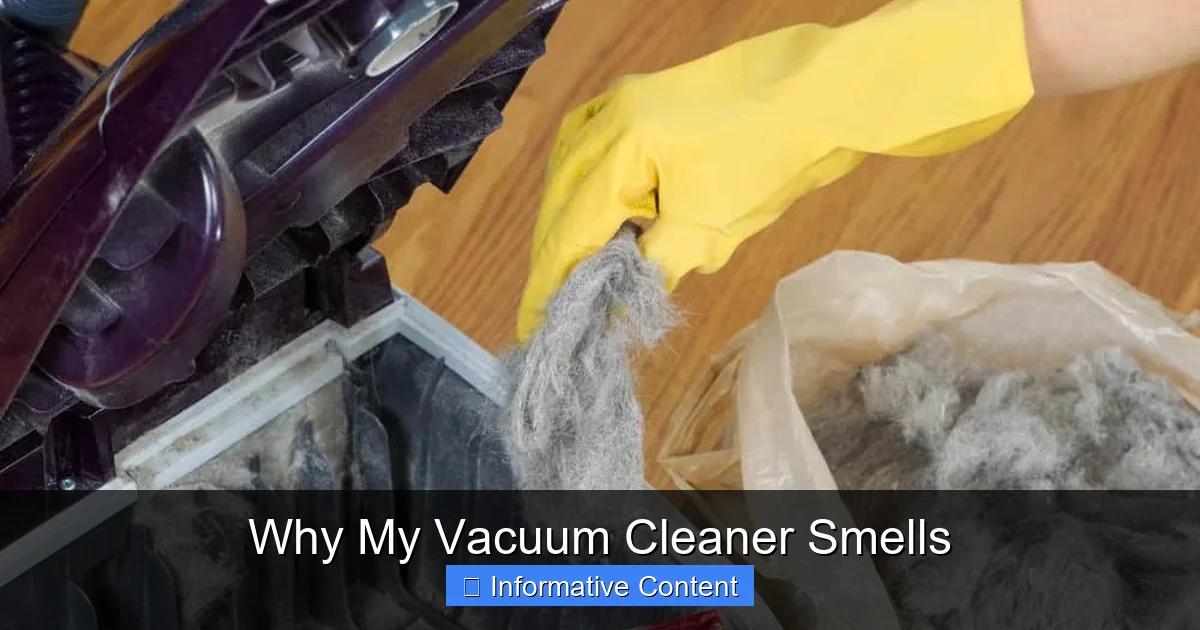
This is perhaps the simplest and most frequent cause. If your vacuum has a bag, a full one will inevitably start to smell. It’s packed with dust, dirt, pet dander, human hair, and countless microscopic particles. As these organic materials sit and compact, they begin to decompose, releasing volatile organic compounds (VOCs) that smell, well, dirty. The same goes for bagless canisters. If you let it get too full, the compacted debris will start to create a stale, dusty, or even moldy odor. The air passing through it simply picks up these smells and distributes them into your home.
- Tip: Don’t wait until the bag is bursting or the “full” line on your canister is reached. For optimal performance and smell prevention, empty your bagless canister after every use, and change your vacuum bag when it’s about two-thirds full, especially if you have pets.
Organic Matter Decomposition: The Unseen Feast
Your vacuum picks up more than just dust. Think about what falls on your floors: food crumbs, pet hair and dander, skin flakes, bits of leaves, dead insects, and more. These are all organic materials. When trapped inside a warm, sometimes damp, and often dark vacuum environment, they become an ideal breeding ground for bacteria and mold. As these microorganisms feast on the organic matter, they produce gases that cause that truly awful smell. Pet dander, in particular, is a notorious culprit for creating a distinctive, pungent odor, explaining why my vacuum cleaner smells particularly bad if you have furry friends.
Mold and Mildew Growth
Have you ever vacuumed up a damp spot? Maybe a spilled drink that wasn’t completely dry, a patch of damp soil from a potted plant, or even just high humidity in the air? Introducing moisture into your vacuum’s interior is an open invitation for mold and mildew. These fungi thrive in dark, damp environments and produce a characteristic musty, earthy smell. Once established, they can be tough to get rid of, clinging to the inside of the bag, canister, or even the plastic components of the vacuum itself. If your vacuum cleaner smells distinctly musty, mold is likely the problem.
- Tip: Never vacuum up liquids or damp debris with a dry vacuum. If you accidentally do, immediately empty and clean the canister/bag, and allow all components to air dry thoroughly before reassembling.
Filter Fails and Fan Fears: When Airflow Goes Awry
The vacuum’s filtration system is crucial for trapping particles and keeping the air clean. But neglected filters can become a major source of odor and even signal mechanical distress.
Visual guide about Why My Vacuum Cleaner Smells
Image source: everythingbetter.in
Clogged or Dirty Filters: The Breath of Your Vacuum
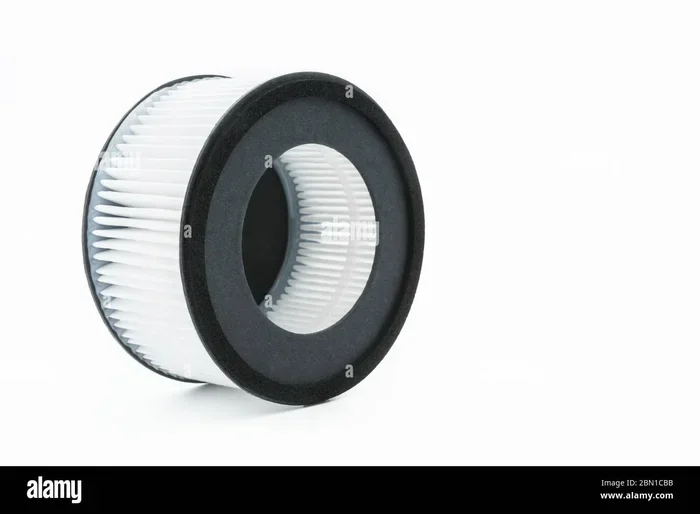
Filters are designed to catch fine dust and allergens. Over time, they become coated with layers of this grime. A dirty filter not only restricts airflow, forcing your motor to work harder, but it also acts as another collection point for organic matter. This trapped debris, just like in the bag or canister, can decompose and fester, leading to a stale or dusty odor. Some filters are washable, others need replacement, but all require regular attention.
HEPA Filter Maintenance
HEPA (High-Efficiency Particulate Air) filters are excellent at trapping tiny particles. However, because they are so dense, they can become clogged more easily. If a HEPA filter gets wet or too dirty, it can quickly develop mold or harbor bacteria, producing a very unpleasant, sometimes sour, smell. Replacing HEPA filters according to the manufacturer’s recommendations is vital, as they are often not washable.
Motor Problems and Burning Smells
If your vacuum cleaner smells like something is burning, it’s a serious red flag. This could indicate an issue with the motor itself. An overworked or failing motor can overheat, causing internal components to burn. This could be due to a prolonged blockage, a dirty filter forcing the motor to strain, or simply an old motor reaching the end of its life. A burning smell usually indicates immediate attention is needed to prevent further damage or a potential fire hazard. This isn’t just about smell; it’s about safety.
The Secret Lives of Hoses and Brush Rolls
Don’t just focus on the bag or canister! Other parts of your vacuum are perfect hiding spots for odor-causing debris.
Blockages in the Hose
The vacuum hose is a common bottleneck for larger debris. Socks, paper, toy parts, or clumps of pet hair can get lodged inside. These blockages not only reduce suction but also create a warm, stagnant environment where trapped organic material can decompose and stink. The air being drawn through the hose will pick up these odors and blast them into your room, leaving you wondering why my vacuum cleaner smells so strongly, even after emptying the canister.
- Tip: Regularly check your hose for blockages. Most hoses can be detached and visually inspected, or you can use a broom handle (carefully!) to push through any clogs.
Tangled Brush Roll: Hair, String, and Sticky Situations
The brush roll (or beater bar) on the vacuum head is designed to agitate carpets and sweep debris into the suction path. However, it’s a magnet for hair (human and pet), string, threads, and even small pieces of fabric. When these materials wrap tightly around the brush roll, they can prevent it from spinning properly. This friction can generate heat and a burning smell, especially if it’s struggling against resistance. More commonly, the tangled debris itself becomes a repository for dirt and bacteria, contributing to a general stale or dirty odor as air passes over it.
Pet Accidents and Residual Odors
If you have pets, you know accidents happen. If you’ve ever vacuumed up dried (or worse, not fully dried) pet urine, vomit, or other bodily fluids, your vacuum will undoubtedly retain that smell. Even if the visible mess is gone, the odor-causing bacteria can permeate the internal components, especially the brush roll or fabric parts of the head. Each time you vacuum, the warmth and airflow reactivate and spread these trapped odors throughout your home. This is a very common reason why my vacuum cleaner smells like dog or cat pee, even when the house is clean.
- Tip: For pet accidents, it’s always best to clean them up thoroughly by hand with appropriate pet stain and odor removers before vacuuming the dry residue. If your vacuum has picked up such odors, thorough cleaning of the specific parts (brush roll, hose) with enzymatic cleaners might be necessary.
Beyond the Obvious: Electrical & Mechanical Issues
Sometimes, the smell isn’t just unpleasant; it’s a warning. Certain odors can indicate more serious mechanical or electrical problems that need immediate attention.
Burning Rubber Smells: The Belt’s Lament
Many upright vacuums and some canister power heads use a rubber belt to spin the brush roll. If this belt becomes worn, stretched, or if the brush roll gets jammed, the belt can slip, fray, or even melt due to friction. This produces a distinct burning rubber smell. A burning belt means your brush roll isn’t working effectively, and if left unchecked, the belt could snap, or the motor could overheat trying to compensate.
- Tip: If you smell burning rubber, unplug your vacuum immediately. Check the brush roll for tangles and inspect the belt. Replacing a worn belt is usually a straightforward repair.
Electrical Burning Smells: A Potentially Dangerous Sign
A burning electrical smell (like ozone or burning plastic) is the most concerning odor your vacuum can emit. This indicates an issue with the motor, wiring, or other electrical components. It could be a short circuit, insulation burning off wires, or a severely overworked motor. This is not just an odor problem; it’s a potential fire hazard. If you detect this smell, unplug the vacuum immediately and do not use it again until it has been inspected by a qualified repair technician. Do not ignore this smell if you’re asking why my vacuum cleaner smells like it’s burning wires.
Overheating and its Consequences
An overworked motor due to a clogged filter, a jammed brush roll, or a full dust bag will overheat. While not always an electrical burning smell, an overheating motor can emit a hot, metallic, or simply “stale air” type of smell as internal components get excessively warm. Prolonged overheating significantly shortens the life of your vacuum and can lead to more serious malfunctions. Proper maintenance, as outlined above, is key to preventing overheating.
Your Action Plan: Step-by-Step Solutions to a Fresh Vacuum
Now that we’ve covered why your vacuum cleaner smells, let’s get to the good stuff: how to fix it!
1. Empty and Clean Thoroughly
- Bagged Vacuums: Replace the bag regularly, even if not completely full, especially if you have pets or notice an odor.
- Bagless Canisters: Empty after every use. Wash the canister with warm, soapy water (dish soap works great), rinse thoroughly, and allow it to air dry completely before reassembling. A sprinkle of baking soda inside the dry canister can absorb residual odors.
2. Filter Care is Essential
- Washable Filters: Remove and rinse under cool water until the water runs clear. Squeeze out excess water and let them air dry for at least 24 hours (or as per manufacturer instructions) before putting them back. Never put a damp filter back in!
- Non-Washable Filters (including HEPA): Tap them gently over a trash can to remove loose debris. Inspect for discoloration or damage. Replace these filters according to your vacuum cleaner’s manual, typically every 6-12 months, or more often if you have pets or allergies.
3. Clear All Blockages
- Hose: Disconnect the hose from both ends. Look through it for visible clogs. If you see one, use a broom handle or a long, thin object to gently push it through. Do not use sharp objects that could puncture the hose.
- Brush Roll: Turn the vacuum over and remove any access plates. Use scissors or a seam ripper to carefully cut and remove tangled hair, string, or fabric from the brush roll. Spin it by hand to ensure it rotates freely.
- Attachments: Check all nozzles and attachments for embedded debris. Wash them if they are particularly dirty and allow them to dry.
4. Deodorize Safely and Effectively
- Baking Soda: Sprinkle a small amount of baking soda onto your carpets before vacuuming. It’s a natural odor absorber that gets sucked into the vacuum, helping to neutralize smells internally.
- Vacuum Deodorizers: You can purchase commercial vacuum deodorizers (granules or scent disks) that go into the bag or canister. Use these sparingly, as strong scents can sometimes just mask underlying problems.
- Essential Oils (with caution): Some people put a few drops of essential oil onto a cotton ball and place it in the vacuum bag or canister. Be cautious not to use too much, as oils can potentially damage plastic components or filters over time.
5. Address Pet-Specific Odors
If pet odors are the primary reason why my vacuum cleaner smells, consider specialized enzymatic cleaners for the removable parts of your vacuum, particularly the brush roll and canister. These cleaners break down odor-causing organic compounds, rather than just masking them. Ensure all parts are thoroughly rinsed and dried afterwards.
6. Inspect and Maintain Mechanical Parts
- Belts: Check the drive belt for fraying, cracking, or stretching. Replace it if it shows signs of wear or if you detect a burning rubber smell.
- Motor: If you suspect a motor issue (burning electrical smell, extreme overheating, unusual noises), stop using the vacuum immediately and consult a professional technician.
Conclusion: Breathe Easy with a Clean Vacuum
A foul-smelling vacuum cleaner is more than just an annoyance; it’s a sign that your cleaning tool needs some cleaning itself. By understanding the common reasons why your vacuum cleaner smells – from overflowing bags and clogged filters to hidden blockages and even mechanical woes – you’re well-equipped to tackle the problem head-on.
Implementing a routine of regular emptying, filter maintenance, and debris removal will not only keep your vacuum smelling fresh but also prolong its lifespan and improve its cleaning efficiency. Remember, a vacuum cleaner that smells good is a vacuum cleaner that works well, making your entire home a more pleasant and hygienic place to be. So, roll up your sleeves, give your vacuum the TLC it deserves, and enjoy the true fresh scent of a clean home!
🎥 Related Video: Whenever I do this my vacuum smells amazing and it lasts for weeks.🌺☺️ #homehacks
📺 Carolina McCauley
Frequently Asked Questions
Why does my vacuum cleaner smell musty?
A musty smell in your vacuum cleaner almost always points to mold or mildew growth. This can happen if you’ve accidentally vacuumed up dampness, liquids, or if your vacuum has been stored in a humid environment, allowing fungi to thrive on trapped organic matter within the bag, canister, or filters.
Is it bad if my vacuum cleaner smells like a stale sock?
A stale sock smell is usually a sign of accumulated organic debris, such as pet hair, skin flakes, food crumbs, and general dust, decomposing within the vacuum’s interior. This smell indicates it’s time for a thorough cleaning of the bag/canister, filters, hose, and brush roll to remove the trapped odor-causing particles.
How can I prevent my vacuum from smelling in the future?
Prevention is key! Regularly empty your dust bag or canister (after every use for bagless models), clean or replace your filters according to manufacturer guidelines, check for and remove any blockages in the hose or brush roll, and avoid vacuuming up wet substances. Occasional deodorizing with baking soda can also help.
What if my vacuum cleaner smells fine but still spreads a dusty smell when I use it?
If your vacuum doesn’t have a distinct foul smell but still emits a dusty odor when in use, it often means your filters are dirty or your bag/canister is full, allowing fine dust particles to escape back into the air. Ensure your filters are clean and properly seated, and that your collection chamber isn’t overloaded.
Can a full vacuum bag cause a burning smell?
While a full bag primarily causes stale odors, it can indirectly lead to a burning smell. A severely overfilled bag restricts airflow, forcing the motor to work much harder and potentially overheat, which can then cause a burning smell from the motor itself or from components under strain.
Should I clean the inside of my vacuum’s hose?
Yes, absolutely. The vacuum hose is a common spot for clogs and trapped debris like hair, lint, and food particles, which can decompose and create strong odors. Detach the hose and visually inspect it. If necessary, use a broom handle or a long brush to dislodge any blockages and clean the interior. Ensure it’s dry before reattaching.