Why Is My Vacuum Cleaner Blowing Out Air
When your vacuum cleaner starts blowing out air instead of sucking it in, it’s usually a sign of a common, fixable problem. Most often, the culprit is a blockage in the hose or brush roll, a severely clogged filter, or a leak in the system. Understanding these issues and performing simple checks can quickly restore your vacuum’s proper suction and prevent dirt from being redistributed.
Why Is My Vacuum Cleaner Blowing Out Air
There’s nothing quite as frustrating as tackling a messy floor, only to find your trusty vacuum cleaner isn’t doing its job. Instead of quietly devouring dust and crumbs, it’s suddenly making a racket and, even worse, blowing air—and sometimes dust—right back into your freshly cleaned space. You’re left wondering, “Why is my vacuum cleaner blowing out air?” It’s a common and annoying problem, but the good news is that it’s usually something you can fix yourself with a little bit of troubleshooting.
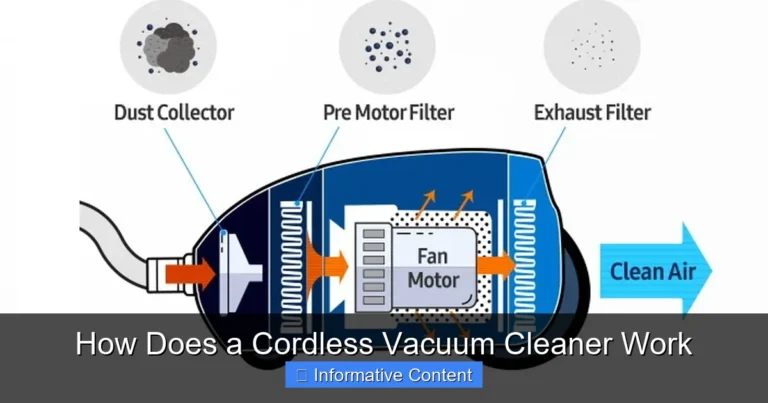
Understanding why your vacuum cleaner is blowing out air starts with knowing how it’s supposed to work. A vacuum cleaner operates by creating a powerful suction force. The motor spins a fan, which pulls air (and hopefully dirt) into the nozzle, through the hose, past the filter, and into the dust bag or canister. The cleaned air is then expelled through an exhaust port. When this system gets disrupted – by a blockage, a leak, or a dirty component – the air pressure can change, leading to air being blown out of places it shouldn’t, or simply reducing the suction to ineffective levels. Let’s dive into the most common reasons behind this perplexing problem and how you can get your vacuum back to its dirt-devouring best.
Key Takeaways
- Safety First: Always unplug your vacuum cleaner before attempting any inspection or maintenance to prevent accidental activation and injury.
- Blockages Are Common: The primary reason for a vacuum cleaner blowing out air is often a clog in the hose, brush roll, or internal airways, which forces air through the exhaust.
- Filters Are Crucial: Dirty, clogged, or improperly installed filters severely restrict airflow, causing the motor to work harder and potentially push air out the wrong way or reduce suction drastically.
- Check for Leaks: Cracks in hoses, loose connections, or damaged dustbin/bag seals can allow air to escape or re-enter, disrupting the intended airflow path and reducing effectiveness.
- Empty and Inspect Dustbins/Bags: An overfilled dustbin or a punctured bag can impede airflow and lead to air being expelled inefficiently, or even allow dust to escape.
- Regular Maintenance is Key: Consistent cleaning of filters, checking hoses for blockages, and ensuring all components are properly sealed can prevent most issues related to a vacuum cleaner blowing out air.
- Listen to Your Vacuum: Unusual noises, reduced suction, or visible debris being blown out are all indicators that it’s time for a thorough inspection.
Quick Answers to Common Questions
Why is my vacuum blowing dust out?
Your vacuum is likely blowing dust out because of an overfilled dustbin/bag, a damaged bag, a cracked dustbin, or severely clogged/missing filters. This means dirt isn’t being properly contained or filtered before air is expelled.
Can a full vacuum bag cause it to blow air?
Yes, an overfilled vacuum bag restricts airflow, forcing the motor to work harder and potentially causing air to escape through unintended paths or reducing effective suction, making it seem like it’s “blowing out air” rather than pulling it in.
How do I clean my vacuum filter to stop it from blowing air?
To clean your vacuum filter, first, unplug the vacuum. Remove the filter according to your manual. If it’s washable, rinse it under cold water until the water runs clear, then let it air dry completely for at least 24 hours before reinstalling. If it’s not washable, tap out loose dirt or replace it.
What to do if my vacuum cleaner smells like it’s burning?
If your vacuum cleaner smells like it’s burning, immediately turn it off and unplug it. This usually indicates the motor is overheating, often due to a severe blockage or an overloaded filter. Let it cool down, then thoroughly check for and clear any obstructions or dirty filters before using it again.
How do I check my vacuum hose for a clog?
Unplug the vacuum and detach the hose from both ends. Look through the hose towards a light source to visually spot any blockages. For opaque hoses, gently push a broom handle or a long, flexible object through to feel for and dislodge any obstructions.
📑 Table of Contents
- Always Start with Safety: Unplug Before You Inspect
- The Most Common Culprit: Blockages and Clogs
- Dirty or Clogged Filters: A Major Airflow Issue
- Leaky Hoses and Seals: Air Escaping Where It Shouldn’t
- Damaged Bags or Dustbins: Containing the Mess
- Motor and Fan Issues (Less Common, More Serious)
- Proactive Maintenance: Keeping Your Vacuum Happy
- Conclusion: Get Your Vacuum Back in Action
Always Start with Safety: Unplug Before You Inspect
Before you lay a finger on your vacuum cleaner for inspection, troubleshooting, or repair, there’s one golden rule you must always follow: unplug it! This might seem obvious, but it’s crucial. Accidentally hitting the power button while your hands are near moving parts, like the brush roll, or live electrical connections can lead to serious injury. Safety first, always.
The Most Common Culprit: Blockages and Clogs
One of the top reasons why your vacuum cleaner might be blowing out air or experiencing poor suction is a blockage. Think of your vacuum as a straw; if something gets stuck in the middle, you can’t suck anything through. The same principle applies here. When debris obstructs the airflow, the air has nowhere to go but out through the exhaust, and sometimes, even back out through the intake port.
Visual guide about Why Is My Vacuum Cleaner Blowing Out Air
Image source: vacmasterguide.com
Checking the Hose for Obstructions
The vacuum hose is a prime spot for blockages. Long hair, pet fur, socks, small toys, or even pieces of paper can get lodged inside, especially if your vacuum is a powerful one. To check for a hose blockage:
- Remove the Hose: Carefully detach the hose from both the vacuum cleaner body and any attachments.
- Visual Inspection: Look through both ends of the hose. If it’s a clear hose, you might see the blockage directly. For opaque hoses, you might need a flashlight.
- Feel for Obstructions: Gently run a broom handle or a long, flexible pipe cleaner through the hose to dislodge anything stuck. Be careful not to puncture the hose.
- Listen for Airflow: If you can, try blowing air through the hose (or use a leaf blower on a very low setting, from a distance, carefully) to see if air passes freely.
A blocked hose can cause the motor to work harder, generating more heat and often manifesting as your vacuum cleaner blowing out air with less force from the nozzle.
Inspecting the Brush Roll and Nozzle
The brush roll (or beater bar) at the bottom of your vacuum is designed to agitate carpets and pick up dirt. It’s also a magnet for hair, threads, and other fibrous materials. When the brush roll gets tangled, it can’t spin freely, which affects suction and can lead to issues where your vacuum cleaner is blowing out air instead of effectively picking up debris.
- Turn Over the Vacuum: Lay your vacuum down carefully so you can access the bottom nozzle.
- Clear Debris: Use scissors or a seam ripper to cut away tangled hair and threads from the brush roll. Be gentle not to cut the bristles or the belt.
- Check the Belt: While you’re there, inspect the drive belt that connects the brush roll to the motor. If it’s broken, stretched, or loose, the brush roll won’t spin, leading to poor pickup and potentially causing your vacuum cleaner to blow out air unevenly.
- Inspect Nozzle Opening: Sometimes, larger items can get stuck right in the opening of the vacuum’s floor nozzle, preventing proper suction. Clear these out.
Internal Air Ducts and Ports
Beyond the hose and brush roll, your vacuum cleaner has internal ducts and ports that guide airflow. These can also become clogged, especially in bagless models where dirt sometimes accumulates in less accessible areas. Check where the hose connects to the vacuum body and where the dustbin or bag fits. Ensure these pathways are clear of compacted dirt or debris.
Dirty or Clogged Filters: A Major Airflow Issue
Filters are unsung heroes of your vacuum cleaner. They trap dust, allergens, and other microscopic particles, ensuring that only clean air is expelled from the machine. However, when filters become overloaded with dirt, they become a major barrier to airflow. This is a very common reason why your vacuum cleaner is blowing out air or has significantly reduced suction.
Pre-Motor and Post-Motor Filters
Most modern vacuums have at least two types of filters:
- Pre-Motor Filter: This filter is usually located near the dustbin or bag and protects the motor from larger particles. It’s often washable.
- Post-Motor (Exhaust) Filter: Also known as a HEPA filter in many models, this filter cleans the air one last time before it’s released back into your room. It’s typically located near the exhaust port and is crucial for air quality.
How Clogged Filters Affect Performance
When any of these filters become choked with dust, air struggles to pass through. The vacuum motor will still spin, trying to pull air, but the restricted path means less air goes in and the air that *does* get through has to escape somewhere. Often, it causes your vacuum cleaner to blow air out of the exhaust with more force than usual, or even cause air to escape through tiny gaps or seams in the housing that it normally wouldn’t.
- Clean or Replace Regularly: Follow your vacuum cleaner’s manual for filter cleaning and replacement schedules. Washable filters should be cleaned with water and thoroughly dried before reinstallation. Non-washable filters need regular replacement.
- Ensure Proper Installation: A filter that isn’t seated correctly can allow air to bypass it, leading to dust expulsion, and can also interfere with proper airflow, causing your vacuum cleaner to blow out air in unintended directions.
Leaky Hoses and Seals: Air Escaping Where It Shouldn’t
Even if your vacuum isn’t blocked and your filters are spotless, a leak in the system can drastically reduce suction and lead to your vacuum cleaner blowing out air from unexpected places. Air needs to follow a precise path from the nozzle to the exhaust. Any deviation from this path means lost suction.
Cracked or Damaged Hoses
Vacuum hoses are subjected to a lot of wear and tear. They get stretched, twisted, and sometimes even pinched. Over time, these actions can lead to small cracks or holes in the hose. If your vacuum cleaner is blowing out air from the hose itself, especially while it’s attached and running, a leak is a strong possibility.
- Visual Check: Carefully inspect the entire length of the hose for any visible cracks, tears, or holes.
- Listen and Feel: With the vacuum running (carefully, away from dust), hold your hand over the hose and listen for hissing sounds or feel for air escaping.
- Temporary Fixes: For small cracks, electrical tape can sometimes provide a temporary fix, but a replacement hose is the best long-term solution.
Loose or Damaged Seals
Your vacuum cleaner has various seals and gaskets where components connect – for example, between the dustbin and the main unit, or where the hose attaches. If these seals are worn, cracked, or simply not seated properly, air can escape. This not only reduces suction but can also cause your vacuum cleaner to blow out air and even dust particles from these compromised points.
- Check Dustbin/Bag Compartment: Ensure the dustbin is securely latched or the bag compartment door is fully closed and sealed.
- Inspect Gaskets: Look for any visible damage to rubber or foam gaskets around the dustbin, filter compartments, or hose connection points.
- Reassemble Carefully: When reassembling your vacuum after cleaning, make sure all parts click firmly into place and seals are properly aligned.
Damaged Bags or Dustbins: Containing the Mess
The container for the collected dirt, whether it’s a disposable bag or a reusable dustbin, plays a critical role in your vacuum’s performance. Issues here can certainly lead to your vacuum cleaner blowing out air or losing suction.
Overfilled Dustbin or Bag
An overfilled dustbin or bag leaves very little room for air to flow through the collected debris. This creates a similar effect to a clogged filter: restricted airflow. The motor continues to pull, but the bottleneck causes a significant drop in suction, and again, the air might seek other escape routes, leading to your vacuum cleaner blowing out air where it shouldn’t.
- Empty Regularly: For bagless vacuums, empty the dustbin after every few uses, or when it reaches the “max fill” line.
- Change Bags Promptly: For bagged vacuums, don’t wait until the bag is bursting. Change it when it’s about two-thirds full to maintain optimal airflow.
Punctured Bags or Cracked Dustbins
If your vacuum uses bags, a punctured or improperly installed bag can allow dust and air to escape into the motor compartment or other internal areas. This can cause the vacuum cleaner to blow out air that’s not properly filtered, spreading dust around your home. Similarly, a cracked dustbin in a bagless model will compromise its seal and allow air and dust to escape, significantly reducing efficiency and causing unfiltered air to be expelled.
- Inspect Bags: Before installing a new bag, quickly check it for any tears.
- Check Dustbin for Cracks: Examine your dustbin for any hairline cracks, especially around the edges or corners. Even small cracks can compromise the seal.
Motor and Fan Issues (Less Common, More Serious)
While less common than blockages or filter issues, problems with the motor or its fan can also cause your vacuum cleaner to blow out air in unusual ways, or simply fail to provide suction.
Damaged Fan (Impeller)
The fan, or impeller, is what creates the powerful suction. If the fan blades become bent, broken, or clogged with debris, they won’t be able to move air efficiently. This can lead to a drastic loss of suction, and the air that *is* moved might be pushed out erratically or weakly.
- Listen for Unusual Noises: A damaged fan might create a rattling, grinding, or screeching sound.
- Professional Help: Inspecting and replacing a fan usually requires disassembling the motor housing, which is best left to a professional unless you are very comfortable with appliance repair.
Motor Overheating
If your vacuum cleaner is blowing out very hot air, especially along with reduced suction or unusual smells, it could indicate the motor is overheating. This often happens due to severe blockages or extremely dirty filters forcing the motor to work harder than it should. Most modern vacuums have thermal cut-offs that will shut down the motor to prevent damage, but persistent overheating can cause long-term issues.
- Let it Cool: If you suspect overheating, turn off and unplug the vacuum, then let it cool down for at least 30-60 minutes.
- Address Root Cause: Once cooled, thoroughly check for blockages, clean or replace filters, and ensure proper airflow to prevent a recurrence.
Proactive Maintenance: Keeping Your Vacuum Happy
The best way to prevent your vacuum cleaner from blowing out air or losing suction is through consistent, proactive maintenance. A little regular care goes a long way in extending the life of your appliance and ensuring it always performs at its best.
- Empty Dustbin/Change Bag Regularly: This is the simplest and most effective step. Don’t wait until it’s full.
- Clean/Replace Filters as Recommended: This is critical for airflow and motor health. Mark your calendar!
- Inspect Hoses and Brush Roll Periodically: A quick check for clogs and tangles can save you a lot of hassle. Make it part of your cleaning routine.
- Check for Leaks and Seals: A visual check of connections and seals every few months can catch potential problems early.
- Avoid Vacuuming Up Problematic Items: Try not to vacuum up large objects, liquids, fine powders (like drywall dust), or excessive amounts of hair in one go, as these are common causes of blockages and filter issues.
Conclusion: Get Your Vacuum Back in Action
The question of “why is my vacuum cleaner blowing out air?” usually has a straightforward answer rooted in a disruption of normal airflow. Whether it’s a stubborn sock lodged in the hose, a filter choked with pet hair, or a small crack in a seal, most of these issues are easily diagnosed and fixed right at home. By following the troubleshooting steps outlined above, you can often restore your vacuum to full suction power, ensuring your floors stay clean and your air remains dust-free. Regular maintenance isn’t just about prolonging your vacuum’s life; it’s about making your cleaning tasks easier and more effective. So, grab your flashlight, unplug your vacuum, and get ready to banish those air-blowing blues!
🎥 Related Video: Vacuum NOT SUCKING? Here's How To FIX IT!!
📺 Clean With Confidence
MORE CLEANING VIDEOS ☆ – How to Clean a Dishwasher Properly: https://youtu.be/_-TRcRya-dA – How to Professionally …
Frequently Asked Questions
How often should I clean or replace my vacuum filters?
The frequency depends on your vacuum model and usage, but generally, washable filters should be rinsed every 1-3 months and replaced every 1-2 years. Non-washable filters often need replacement every 6-12 months. Always consult your vacuum cleaner’s user manual for specific recommendations.
Can a pet hair clog really make my vacuum blow air?
Absolutely! Pet hair is a common culprit for severe blockages in hoses, brush rolls, and even internal air ducts. When a dense mat of hair obstructs the airflow, the vacuum struggles to pull air in, and the pressure buildup can cause air to be redirected and blown out through the exhaust or other openings.
Is it safe to use my vacuum if it’s blowing out air and dust?
It is not recommended to continue using your vacuum if it’s blowing out air and dust. Not only will it fail to effectively clean, but it also redistributes allergens and dirt into your home. Furthermore, persistent issues like blockages can put strain on the motor, potentially leading to overheating or permanent damage.
What’s the difference between a pre-motor and post-motor filter?
A pre-motor filter is located before the vacuum’s motor and protects it from larger dust and debris. A post-motor filter, often an HEPA filter, is located after the motor (near the exhaust) and traps fine particles and allergens before the air is expelled back into your room, ensuring cleaner air quality.
My vacuum cleaner seems to be blowing air from the sides. What could cause this?
Air blowing from the sides often indicates a compromised seal or connection point. Check that your dustbin or bag compartment is fully closed and securely latched. Also, inspect any gaskets or rubber seals around these areas and where the hose connects to ensure they are intact and properly seated, as wear or damage can cause air to escape.
When should I consider professional repair instead of DIY troubleshooting?
You should consider professional repair if you’ve tried all the common troubleshooting steps (checking for blockages, cleaning filters, inspecting hoses/seals) and the problem persists. If you suspect a motor or fan issue, or if the vacuum is making unusual grinding noises, it’s best to consult a professional to avoid further damage or potential safety risks.