Why Is It Called Vacuum Cleaner
Have you ever stopped to ponder why we call that dirt-sucking machine a vacuum cleaner? It’s all about the clever way it creates a low-pressure area, not a perfect void, to lift dirt from your floors. This article delves into the fascinating history and science behind the name, explaining how this essential household tool got its iconic designation and became synonymous with effective household cleaning.
Why Is It Called Vacuum Cleaner?
Have you ever paused during your weekly cleaning routine, perhaps while wrestling with a stubborn dust bunny, and wondered about the name of the very machine in your hand? We call it a “vacuum cleaner,” but have you ever truly thought about *why*? It’s a common phrase, so ingrained in our language that its origins often go unexamined. Yet, behind this simple name lies a fascinating story of innovation, scientific principles, and a little bit of linguistic evolution.
Most of us know a vacuum cleaner as that indispensable household appliance that magically sucks up dirt, dust, and crumbs from our floors and furniture. It makes our homes cleaner, our lives easier, and our allergies perhaps a little less bothersome. But the word “vacuum” itself implies an empty space, a void. Is that truly what your powerful cleaning machine is creating every time you switch it on? Let’s dive deep into the history and science behind this everyday marvel to uncover the real reason why it earned its iconic name.
Before Suction: The Era of Manual Cleaning
Long before the hum of a motor and the satisfying whoosh of suction filled our homes, cleaning floors was a laborious and often dusty affair. Imagine a time when the primary tools for dirt removal were far more basic, and the very concept of “cleaning” might have looked quite different. Understanding these origins helps us appreciate the revolution that the vacuum cleaner brought.
Carpet Beaters and Brooms
For centuries, household cleaning revolved around manual labor. Brooms made of straw or natural fibers were used to sweep dirt into dustpans. For carpets, which were often luxurious and heavy, the method was even more strenuous. Carpets would be taken outside, hung over a line, and vigorously beaten with specialized “carpet beaters” – often woven rattan or metal paddles. This process would dislodge dust and dirt, sending plumes into the air, only for some of it to settle back down. It was effective, but incredibly messy, physically demanding, and far from hygienic. Dust wasn’t really “removed”; it was mostly redistributed.
Early Mechanical Sweepers
As the industrial revolution gained momentum in the 19th century, inventors began to dream of better ways to clean. Manual sweepers started to emerge, like Melville R. Bissell’s carpet sweeper in the 1870s. These devices used rotating brushes to flick dirt and debris into a collection pan. While a significant improvement over brooms and dustpans, they still didn’t address the fine dust particles or truly lift embedded dirt. They were mechanical, yes, but they still lacked the fundamental “suck” that we associate with a modern vacuum cleaner. The key ingredient – controlled airflow – was still missing.
The Dawn of Mechanized Dirt Removal
The late 19th and early 20th centuries truly marked the turning point, with inventors actively experimenting with air to remove dirt. These early contraptions were often cumbersome, noisy, and required considerable effort, but they laid the groundwork for the vacuum cleaner as we know it.
Initial Attempts with Airflow
One of the earliest concepts involving air to clean was put forth by American inventor Daniel Hess in 1860, who patented a “carpet sweeper” that featured rotating brushes *and* a bellows to create suction. Though it’s unclear if his device was ever produced commercially, the idea of using air to assist in cleaning was clearly taking shape. The fundamental shift was from “pushing dirt” or “beating dirt” to “pulling dirt” using some form of air movement.
Hand-Pumped Innovations
Fast forward to the turn of the 20th century, and we see more tangible progress. In 1901, British engineer Hubert Cecil Booth is often credited with inventing one of the first motorized “vacuum cleaners.” His idea came from observing a demonstration of a device that blew dust *off* railway carriages. Booth realized that a better approach would be to *suck* the dust *in*. He created a massive, horse-drawn, petrol-powered machine named the “Puffing Billy” that sat outside buildings, extending long hoses through windows to clean carpets. It was a service rather than a product, and clients had to wait for the machine to arrive! Around the same time, American inventor David T. Kenney developed a similar system, also requiring a large, external machine. These early contraptions truly began to use a significant amount of suction.
The “Vacuum” Principle Takes Center Stage
So, with these early suction devices appearing, how did the term “vacuum cleaner” become the standard? It boils down to a fundamental scientific principle and how it was perceived by the public.
What is a Vacuum (and What Isn’t)?
Let’s clarify something important. In scientific terms, a “vacuum” is a space utterly devoid of matter – no air, no particles, nothing. A perfect vacuum is incredibly difficult, if not impossible, to achieve, especially outside of a laboratory. Your vacuum cleaner, as powerful as it feels, is absolutely *not* creating a perfect vacuum. If it did, it would collapse the very structure it was cleaning!
Creating the Low-Pressure Zone
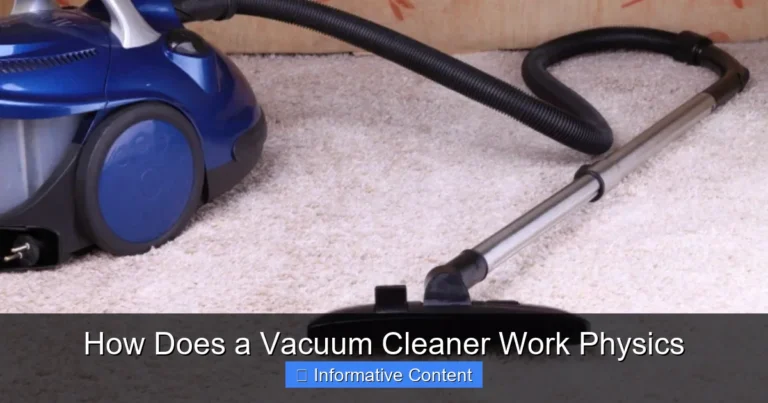
What a vacuum cleaner *does* create is a “partial vacuum” or, more accurately, a “low-pressure area.” Think of it this way: your vacuum cleaner has a powerful motor that spins a fan very rapidly. This fan pulls air from inside the machine and expels it out the back, often through a filter. When air is rapidly removed from an enclosed space (like the nozzle of the vacuum cleaner that’s pressed against your carpet), it creates a region where the air pressure is lower than the surrounding atmospheric pressure outside the machine. Nature abhors a vacuum, or more accurately, always tries to equalize pressure. So, the higher-pressure air outside rushes into this low-pressure area, carrying with it anything light enough to be swept along – dust, dirt, crumbs, pet hair. This rushing air is what we perceive as “suction.”
How Your Modern Vacuum Cleaner Really Works
Understanding the historical context helps, but let’s break down the basic mechanics of how your contemporary vacuum cleaner leverages this principle to make your home spotless.
The Motor and Fan: The Heart of Suction
At the core of every electric vacuum cleaner is an electric motor. This motor drives a fan (or impeller) with specially angled blades. When the motor spins the fan at high speeds, it acts like a pump. Air is drawn in through the inlet (the nozzle or hose), passes through the fan, and is then pushed out through an exhaust port. This continuous movement of air is what creates the differential pressure – lower pressure at the inlet, higher pressure at the exhaust. The faster the fan spins, the more air it moves, and the stronger the “suction.”
Airflow, Dirt, and Filtration
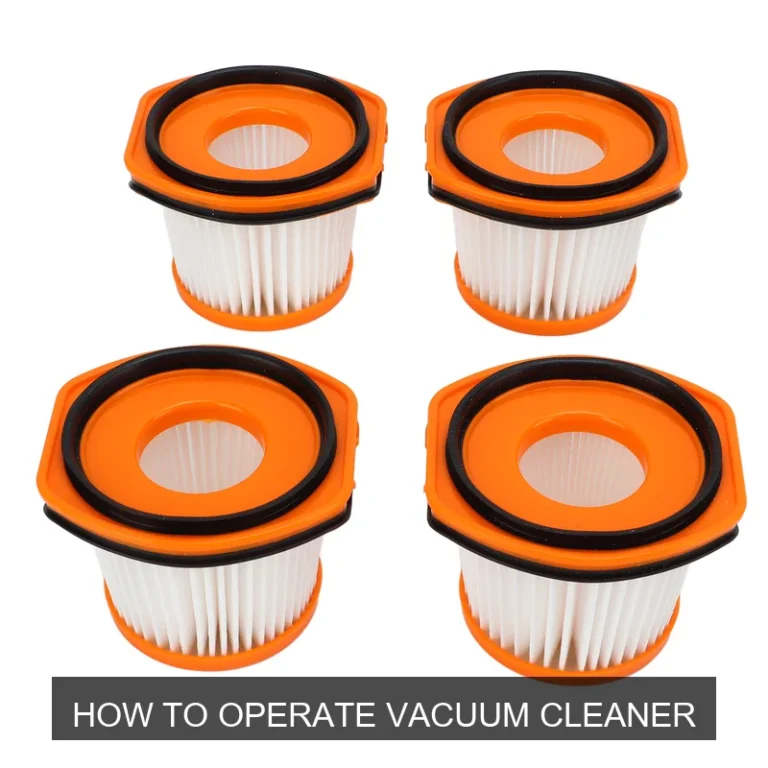
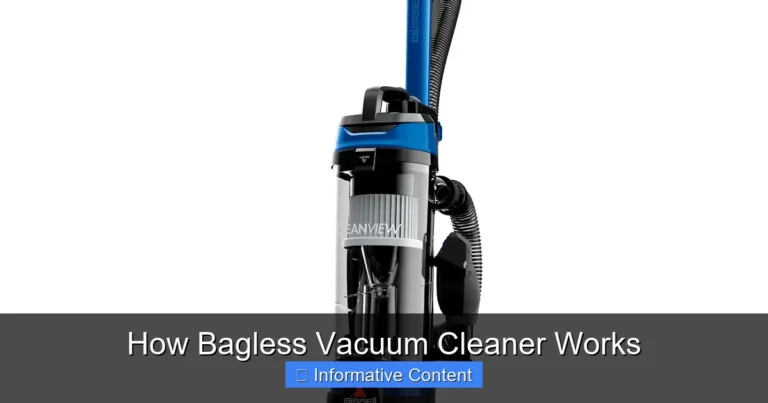
As the fan creates this airflow, the air entering the nozzle picks up loose dirt, dust, and debris from your surfaces. This dirt-laden air then travels through the internal channels of the vacuum cleaner. Before the air is expelled back into the room, it must pass through a filtration system. This system can involve a disposable bag (which traps the dirt), a cyclonic separation system (which spins dirt out of the air into a dustbin), or various filters (like HEPA filters for fine particles and allergens). The goal is to separate the dirt from the air, keeping the dirt contained while releasing cleaner air back into your environment. This is why regularly cleaning or replacing your filters and emptying the dustbin is so important – it maintains optimal airflow and, therefore, optimal suction.
A Misnomer That Works
So, while it’s technically a “suction cleaner” or an “airflow cleaner,” the term “vacuum cleaner” simply caught on. It’s a prime example of a descriptive misnomer that became universally accepted. The *effect* of a strong low-pressure zone *feels* like a vacuum, drawing everything into an empty space. For the average person, the scientific precision of “partial vacuum” or “pressure differential” is far less intuitive or marketable than the powerful, evocative image of a “vacuum” literally pulling dirt away. It’s a powerful word that instantly conveys the machine’s primary function.
The Name Sticks: Why “Vacuum Cleaner” Endured
The persistence of the name “vacuum cleaner” isn’t just a quirk of history; it reflects several practical and psychological factors.
Simplicity and Description
“Vacuum cleaner” is simple, memorable, and effectively communicates the machine’s core function. Imagine trying to market a “motorized negative pressure air displacement device” or a “suction-based debris removal system.” Not quite as catchy, right? The term “vacuum” became a powerful shorthand for the sensation of powerful suction, making the device easy to understand and market to the general public. It’s concise and explains exactly what the machine *seems* to do.
Evolution and Brand Recognition
As companies like Hoover, Electrolux, and others began to mass-produce and popularize these cleaning devices in the early 20th century, the name “vacuum cleaner” was already becoming established. Once a term gains widespread acceptance, it becomes incredibly difficult to change. It becomes synonymous with the product itself, even if the underlying scientific term isn’t 100% accurate. Just like we still “dial” a phone even though there are no dials, we “vacuum” with a vacuum cleaner. The name evolved alongside the technology, becoming an integral part of its identity.
Beyond the Name: The Impact of the Vacuum Cleaner
Regardless of its technically imprecise name, the invention of the vacuum cleaner dramatically changed household chores and living standards. Its impact goes far beyond just its moniker.
Health and Hygiene Benefits
The ability to effectively remove dust, dirt, pet dander, and allergens from carpets and upholstery revolutionized home hygiene. Before the vacuum cleaner, these microscopic particles would accumulate, contributing to respiratory issues and a less sanitary environment. Modern vacuum cleaners, especially those with advanced filtration systems like HEPA filters, play a crucial role in improving indoor air quality, which is especially beneficial for allergy and asthma sufferers. This silent revolution in cleanliness owes a great deal to the “vacuum” principle.
Modern Innovations and Future Cleaning
Today’s vacuum cleaners come in countless forms: uprights, canisters, stick vacuums, handhelds, and even robotic vacuum cleaners that clean autonomously. Despite these varied designs and increasing sophistication, from smart features to cordless power, the fundamental principle remains the same: creating a low-pressure area to suck up dirt. The name “vacuum cleaner” has remained relevant and widely understood, a testament to its effectiveness and the clarity of its original descriptive power, even if it’s a slight scientific oversimplification. As we look to the future, it’s likely that whatever advanced cleaning tech emerges, the concept of “vacuuming” will continue to be a core part of its function.
In conclusion, the next time you power up your trusty vacuum cleaner, remember that while it may not create a perfect vacuum, its name perfectly captures the sensation and the revolutionary effect it has on dirt and dust. It’s a brilliant example of how science, innovation, and language combine to create an indispensable tool that has cleaned our homes for over a century. The “vacuum cleaner” stands as a testament to human ingenuity in the ongoing quest for a cleaner, healthier living space.
Key Takeaways
- Early Cleaning Methods: Before the vacuum cleaner, people relied on manual methods like brooms, dustpans, and carpet beaters, which often stirred up dust rather than removing it effectively.
- The Birth of Suction: The concept of using air movement to lift dirt began with mechanical sweepers and early designs that attempted to create a low-pressure zone.
- The “Vacuum” Principle: A vacuum cleaner doesn’t create a perfect vacuum (an empty space). Instead, it uses a motor and fan to rapidly move air, creating a partial vacuum or low-pressure area that “sucks” in dirt and debris.
- A Descriptive Misnomer: While not a true vacuum, the term “vacuum cleaner” stuck because it vividly describes the primary mechanism – cleaning by suction, which feels like it’s creating a void.
- How It Works: The motor spins a fan, drawing air into the machine. This air carries dust and debris through a hose or nozzle, which is then trapped in a bag or filter system.
- Enduring Legacy: Despite technological advancements, the fundamental principle of creating suction for cleaning remains central, making the name “vacuum cleaner” as relevant today as it was over a century ago.
Quick Answers to Common Questions
What is the primary scientific principle behind a vacuum cleaner?
The primary principle is the creation of a low-pressure area (a partial vacuum) inside the machine, which causes higher-pressure air from the outside to rush in, carrying dirt and debris with it.
Did early cleaning methods use suction?
No, early cleaning methods like brooms, dustpans, and carpet beaters primarily relied on manual sweeping or beating to dislodge and collect dirt, without using any form of suction.
Who is credited with inventing one of the first motorized vacuum cleaners?
Hubert Cecil Booth, a British engineer, is often credited with inventing one of the first motorized “vacuum cleaners” in 1901, though his early machine was very large and used as a cleaning service.
Why isn’t it a “perfect” vacuum cleaner?
A vacuum cleaner doesn’t create a perfect vacuum because that would mean an absolute void of all matter. Instead, it creates a powerful low-pressure zone that facilitates suction, but air is still very much present within the system.
Has the fundamental principle of the vacuum cleaner changed over time?
While designs and features have evolved dramatically, the fundamental principle of creating a low-pressure area using a motor and fan to generate suction for cleaning remains unchanged.
🎥 Related Video: The best Wet and Dry Vacuum Cleaner to keep your home spotless #vacuumcleaner #vacuum #amazon 53
📺 Best Products
The best Wet and Dry Vacuum Cleaner to keep your home spotless #vacuumcleaner #vacuum #shorts #amazon Looking for the …
Frequently Asked Questions
Is a “vacuum cleaner” technically creating a true vacuum?
No, a vacuum cleaner does not create a true, perfect vacuum in the scientific sense. Instead, it creates a powerful low-pressure area, or a partial vacuum, which is sufficient to draw in air and debris from its surroundings.
When did people start using the term “vacuum cleaner”?
The term “vacuum cleaner” began to gain traction in the early 20th century, coinciding with the development and popularization of mechanical devices that used suction to remove dirt from floors and carpets.
Are there different types of “vacuum cleaners” that work differently?
While there are many types of vacuum cleaners (upright, canister, robotic, handheld), they all operate on the same core principle of using a motor and fan to create a low-pressure area that generates suction for cleaning.
Why is the term “vacuum cleaner” still used if it’s not scientifically precise?
The term “vacuum cleaner” stuck because it’s a simple, descriptive, and evocative name that accurately conveys the sensation of powerful suction to the average person, even if it’s not perfectly scientifically precise.
How does a vacuum cleaner’s filtration system relate to the “vacuum” process?
The filtration system is crucial because it separates the dirt and debris from the air that has been drawn in by the “vacuum” process. It ensures that clean air is expelled back into the room while the collected particles are contained.
Did earlier cleaning methods have any health drawbacks compared to vacuum cleaners?
Yes, earlier methods like beating carpets or sweeping with brooms often stirred up significant amounts of dust and allergens into the air, which could then be inhaled and contribute to respiratory issues or allergies. Vacuum cleaners significantly mitigate this by containing the dust.